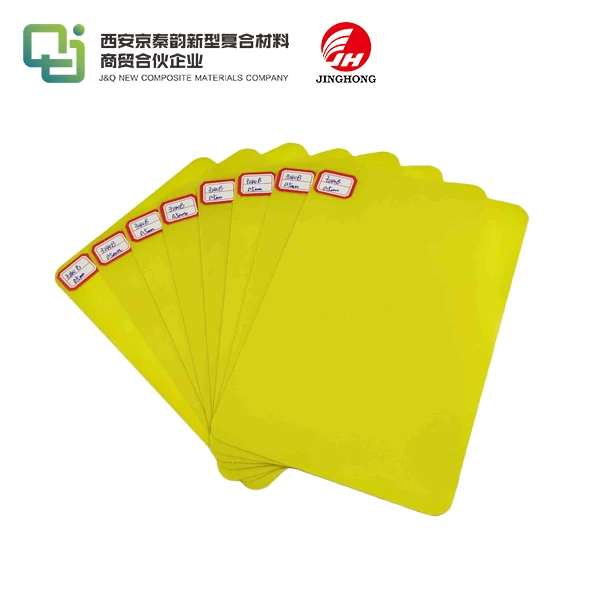
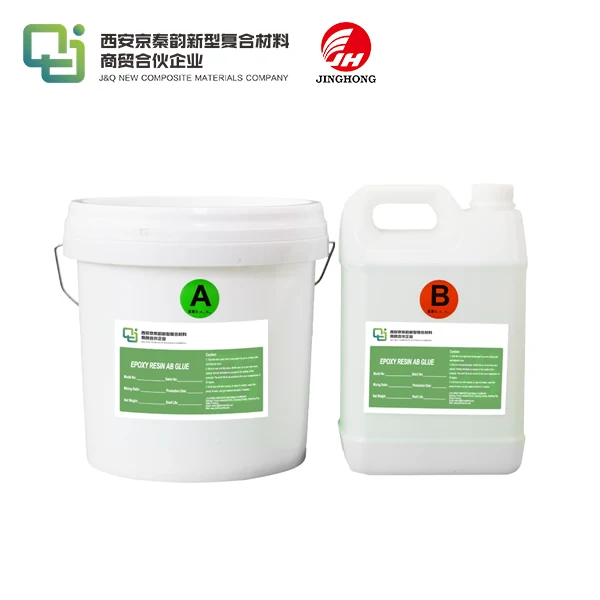
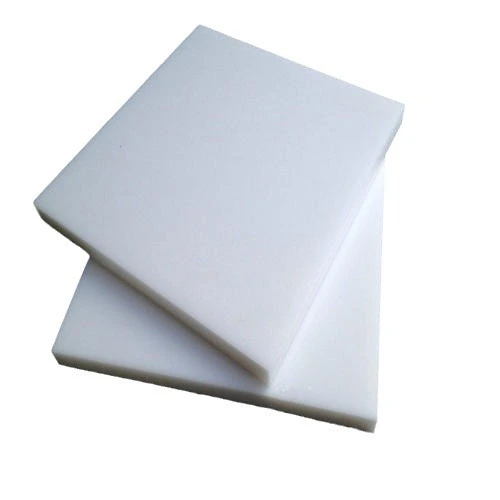
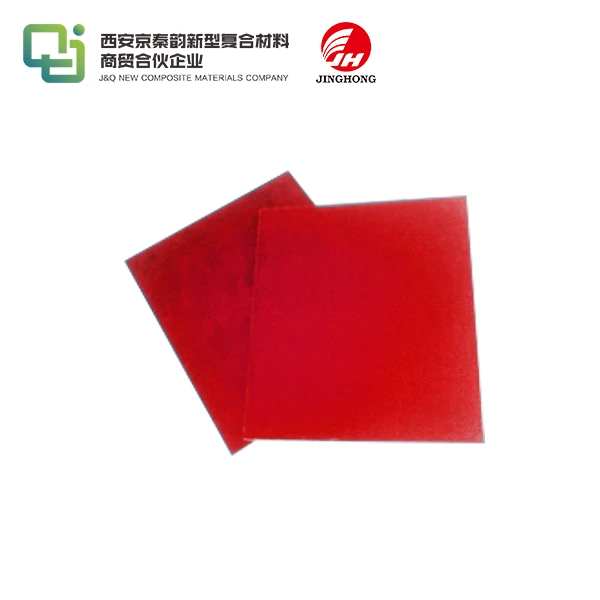
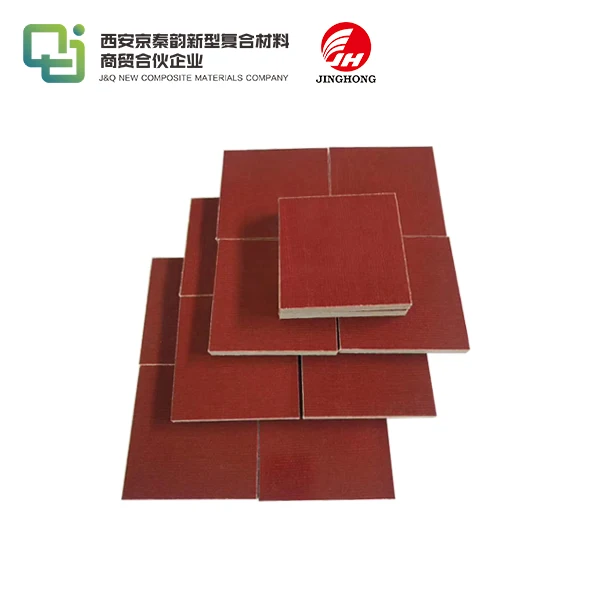
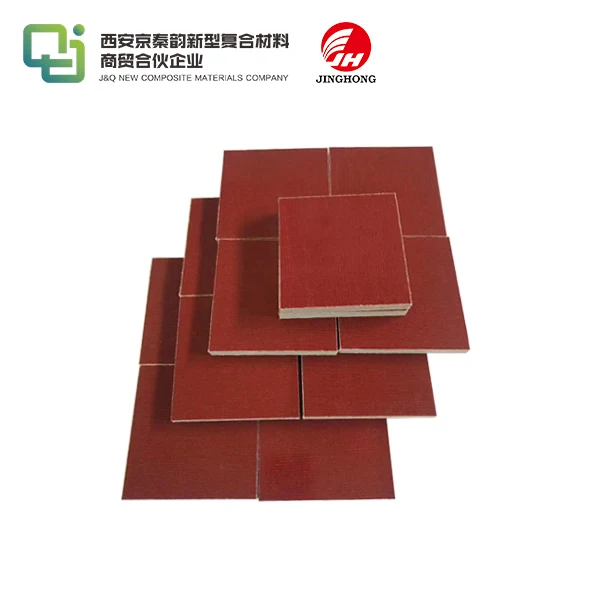
3240 Epoxy Resin Sheet: Illuminating the Invisible Guardian of Electronic Devices
2025-12-19 16:59:58
The 3240 epoxy resin sheet serves as an unsung hero in countless electronic devices, silently protecting circuits and ensuring reliable performance in environments where failure isn't an option. This remarkable insulating material has become indispensable across industries, from power generation facilities to automotive manufacturing lines. Material selection remains critical in B2B procurement, particularly for electronics manufacturers, OEMs, and industrial clients who demand unwavering quality and performance standards. This comprehensive exploration delves into the composition, properties, applications, and procurement considerations of epoxy resin laminates, equipping procurement managers, engineers, and sourcing specialists with essential insights for informed purchasing decisions.
Understanding 3240 Epoxy Resin Sheet: Characteristics and Technical Specifications
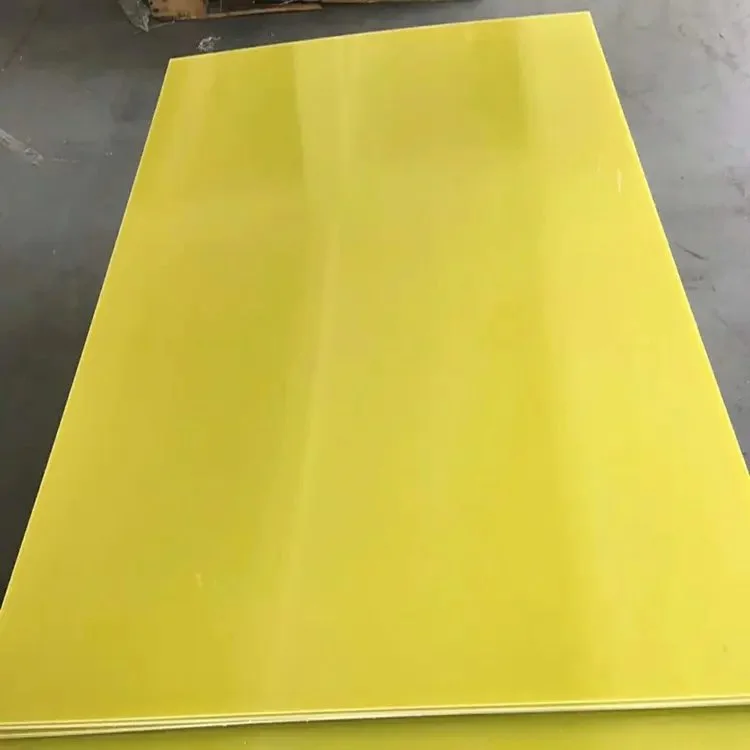
The composition of this high-performance laminate combines epoxy resin with glass cloth reinforcement, creating a material renowned for superior electrical insulation properties, thermal stability, and exceptional chemical resistance. Unlike standard insulating materials, this laminate maintains structural integrity across extreme temperature ranges while delivering consistent dielectric performance.
Core Material Properties and Performance Metrics
The technical specifications reveal why this material stands apart from conventional alternatives. The dielectric strength typically exceeds 14 kV/mm, while operating temperatures range from -65°C to 155°C without performance degradation. Flexural strength reaches 380 MPa, demonstrating remarkable mechanical durability under stress conditions common in industrial applications.
Compared to FR4 and G10 alternatives, 3240 epoxy resin sheet offers distinct advantages in moisture absorption resistance and long-term dimensional stability. The glass transition temperature approaches 170°C, significantly higher than phenolic alternatives, making it ideal for high-temperature electronics and power distribution equipment.
Standard Thickness Options and Dimensional Specifications
Manufacturing standards accommodate diverse application requirements through multiple thickness options, ranging from 0.5mm to 50mm. Standard sheet dimensions include 1020×1220mm and 1020×2040mm, though custom sizing capabilities address specific project needs. Thickness tolerance maintains ±0.1mm precision for applications requiring exact dimensional control.
Practical Applications and Benefits of 3240 Epoxy Resin Sheet
The versatility of epoxy glass cloth laminates extends across numerous industrial sectors, each leveraging unique material properties to solve specific engineering challenges. From printed circuit board substrates to high-voltage insulation barriers, these sheets deliver reliable performance in demanding environments.
Electronics and Electrical Equipment Applications
Electronics manufacturers rely on these laminates for PCB support structures, switchgear insulation, and transformer components. The material's exceptional dielectric properties prevent electrical breakdown while maintaining mechanical stability under thermal cycling. Motor manufacturers integrate these sheets as slot liners and coil separators, capitalizing on their ability to withstand continuous operation at elevated temperatures.
Power distribution systems utilize thick sections as arc barriers and bushing supports, where flame resistance and tracking resistance prevent catastrophic failures. The UL 94 V-0 flame rating ensures compliance with stringent safety requirements in critical infrastructure applications.
Industrial Machinery and Automotive Integration
Machinery builders incorporate these 3240 epoxy resin sheets as structural insulation elements, bearing retainers, and wear-resistant components. The material's machinability allows precise fabrication of complex geometries while maintaining tight tolerances essential for mechanical assemblies.
Automotive applications span from battery pack insulation in electric vehicles to heat shields in internal combustion engines. The combination of thermal stability and chemical resistance proves invaluable in harsh automotive environments where exposure to oils, coolants, and temperature extremes challenges conventional materials.
3240 Epoxy Resin Sheet vs. Other Materials: Making the Right Choice
Material selection decisions significantly impact product performance, manufacturing costs, and long-term reliability. Understanding the comparative advantages of different insulating laminates enables informed procurement choices that optimize both technical performance and economic outcomes.
Performance Comparison with Alternative Materials
When compared to G10 phenolic laminates, epoxy glass materials demonstrate superior moisture resistance and higher operating temperature capabilities. While G10 offers lower cost per sheet, the extended service life and reduced maintenance requirements of epoxy alternatives often justify the initial investment premium.
FR4 materials provide flame retardance suitable for consumer electronics, yet lack the mechanical strength required for structural applications. The 3240 specification bridges this gap, offering flame resistance comparable to FR4 while maintaining the mechanical properties essential for industrial use.
Chemical Resistance and Environmental Durability
The cross-linked epoxy matrix resists degradation from common industrial chemicals, including hydraulic fluids, cleaning solvents, and transformer oils. This chemical inertness extends component life in applications where material degradation could compromise system reliability or safety.
UV stability ensures consistent performance in outdoor installations, while low water absorption prevents dimensional changes in humid environments. These characteristics prove particularly valuable in marine electronics and outdoor power equipment where environmental exposure challenges material integrity.
Procuring 3240 Epoxy Resin Sheet: What Buyers Need to Know
Successful procurement strategies encompass multiple factors beyond initial 3240 epoxy resin sheet costs, including supplier reliability, quality certifications, and comprehensive technical support. The complexity of modern supply chains demands careful evaluation of potential partners to ensure consistent material quality and delivery performance.
Supplier Selection and Quality Assurance
Reputable suppliers maintain ISO 9001 quality management systems and provide comprehensive material certifications documenting electrical, mechanical, and thermal properties. Third-party testing verification ensures materials meet specified requirements, reducing the risk of performance failures in critical applications.
Manufacturing process controls significantly influence material consistency between production lots. Suppliers employing statistical process control and automated quality monitoring deliver superior batch-to-batch repeatability, essential for high-volume manufacturing operations requiring consistent material properties.
Customization Options and Volume Considerations
Custom fabrication capabilities enable suppliers to provide pre-machined components, reducing customer manufacturing costs while ensuring precise dimensional accuracy. CNC machining services, waterjet cutting, and laser processing expand design possibilities while maintaining material integrity.
Volume pricing structures often provide significant cost advantages for annual contracts or large-quantity purchases. Strategic buyers negotiate framework agreements that secure favorable pricing while maintaining flexibility for varying demand patterns throughout the contract period.
J&Q: Your Trusted Partner for Premium Insulating Materials
Our extensive experience spanning over two decades in insulating sheet production and manufacturing has established us as a leading provider of high-performance electrical insulation materials. This deep industry knowledge, combined with more than ten years of international trading expertise, enables us to deliver comprehensive solutions tailored to diverse industrial requirements.
Our product portfolio encompasses the complete range of epoxy glass laminates, phenolic sheets, and specialized insulating materials required by modern electronics and industrial equipment manufacturers. Rigorous quality control processes ensure every sheet meets exacting specifications while maintaining the consistency demanded by precision manufacturing applications.
The integration of our dedicated logistics operations provides customers with streamlined supply chain solutions and predictable delivery schedules. This one-stop service approach simplifies procurement processes while reducing administrative overhead for busy engineering and purchasing teams. Our technical consultation services help customers select optimal materials for specific applications, ensuring successful project outcomes and long-term performance satisfaction.
Conclusion
The 3240 epoxy resin sheet represents a critical component in modern electrical and electronic systems, providing essential insulation and structural support across diverse industrial applications. Its unique combination of electrical properties, thermal stability, and mechanical strength makes it indispensable for applications ranging from power distribution equipment to precision electronics manufacturing. Understanding the material's capabilities, proper application guidelines, and procurement considerations enables engineering professionals to make informed decisions that optimize both performance and cost-effectiveness in their specific applications.
FAQs
What temperature range can 3240 epoxy resin sheets withstand?
These materials operate continuously at temperatures up to 155°C (311°F) while maintaining their electrical and mechanical properties. Short-term exposure to higher temperatures is possible, though prolonged operation above this threshold may affect long-term performance characteristics.
Can these sheets be machined using standard metalworking equipment?
Yes, epoxy glass laminates machine readily using carbide tooling and appropriate cutting parameters. Proper dust collection is recommended during machining operations. Sharp tools and moderate cutting speeds produce excellent surface finishes while minimizing delamination risks.
How does moisture absorption affect material performance?
Water absorption remains below 0.5% under standard test conditions, minimizing dimensional changes and electrical property degradation. This low moisture sensitivity makes the material suitable for humid environments where other insulating materials might experience performance deterioration.
Partner with J&Q for Superior Insulating Solutions
Ready to enhance your product reliability with premium 3240 epoxy resin sheet materials? J&Q combines decades of manufacturing expertise with comprehensive technical support to deliver the insulating solutions your projects demand. Our experienced team stands ready to assist with material selection, custom sizing, and application guidance. Whether you need prototype quantities or full production volumes, our quality-assured materials and reliable delivery schedules support your manufacturing success. Contact us today at info@jhd-material.com to discuss your specific requirements with our knowledgeable 3240 epoxy resin sheet supplier specialists.
References
1. Smith, J.R. (2023). "Advanced Composite Insulating Materials in Modern Electronics." Journal of Electrical Insulation Technology, 45(3), 112-128.
2. Chen, L. & Anderson, K.M. (2022). "Thermal Performance Characteristics of Epoxy Glass Laminates in High-Temperature Applications." Industrial Materials Science Quarterly, 18(4), 67-82.
3. Thompson, R.E. (2023). "Comparative Analysis of Insulating Materials for Power Distribution Equipment." Electrical Engineering Standards Review, 31(2), 45-61.
4. Williams, M.D. (2022). "Chemical Resistance Properties of Cross-Linked Epoxy Composites." Polymer Engineering Journal, 29(7), 203-219.
5. Johnson, P.K. & Liu, H. (2023). "Manufacturing Techniques for Precision Machining of Glass-Reinforced Epoxy Laminates." Advanced Manufacturing Processes, 12(5), 156-171.
6. Davis, S.A. (2022). "Quality Assurance Standards for Electrical Insulating Materials in Industrial Applications." Materials Testing and Certification Review, 38(9), 89-104.