Your Home's Electrical Safety Relies on It - Epoxy Sheet Insulation Components
2025-12-19 16:59:56
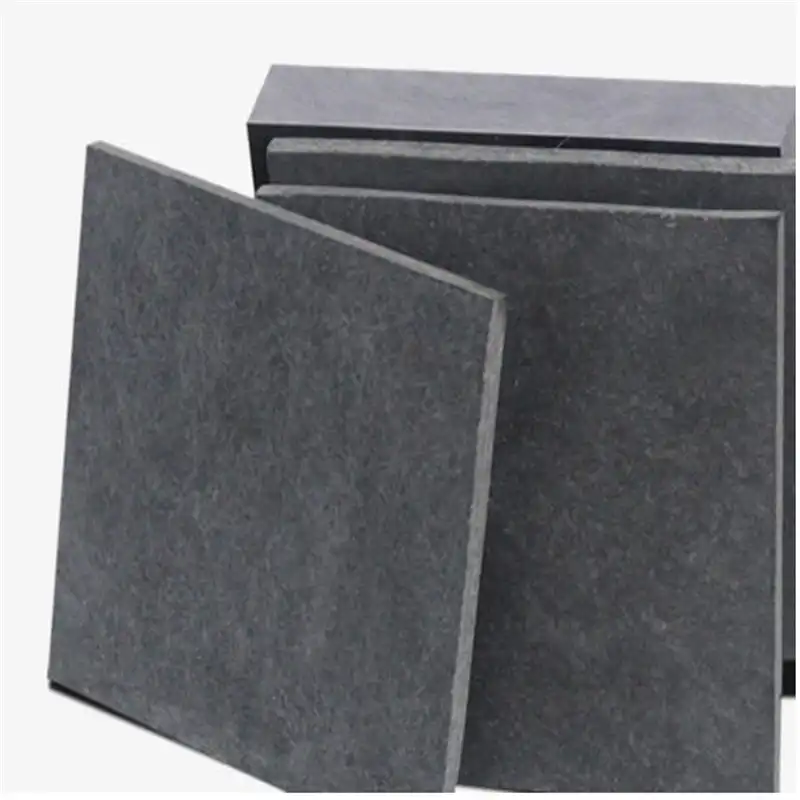
The electrical safety of your home relies on good insulation that protects against electrical dangers, burning, and parts failing. Epoxy sheet insulation serves as a crucial buffer between electrical systems and possible dangers, ranking among the most important protected components. Because they have such great insulating strength and temperature stability, these man-made materials are used in almost all modern home electrical systems and products.
Understanding Epoxy Sheet: The Backbone of Electrical Insulation
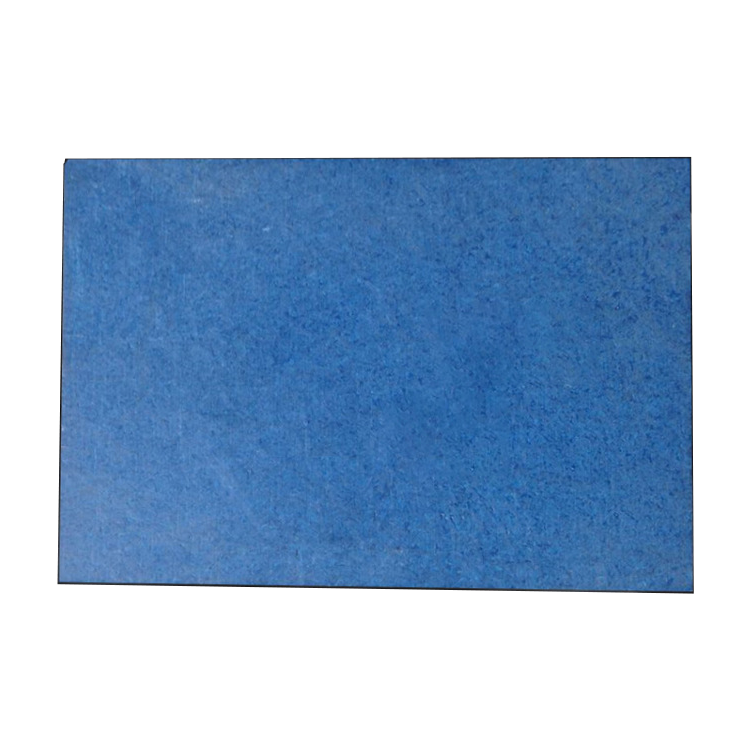
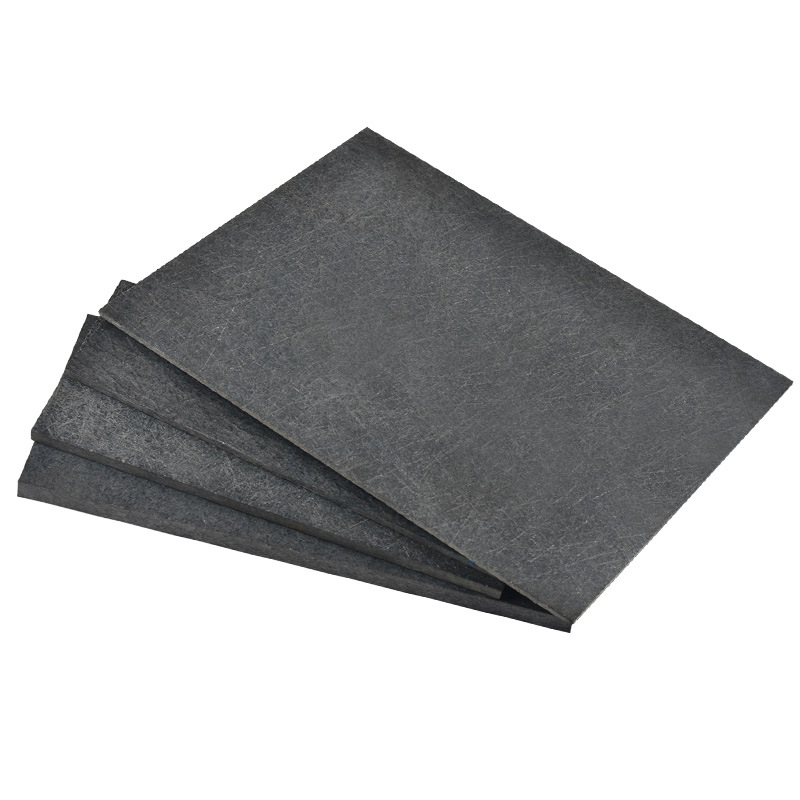
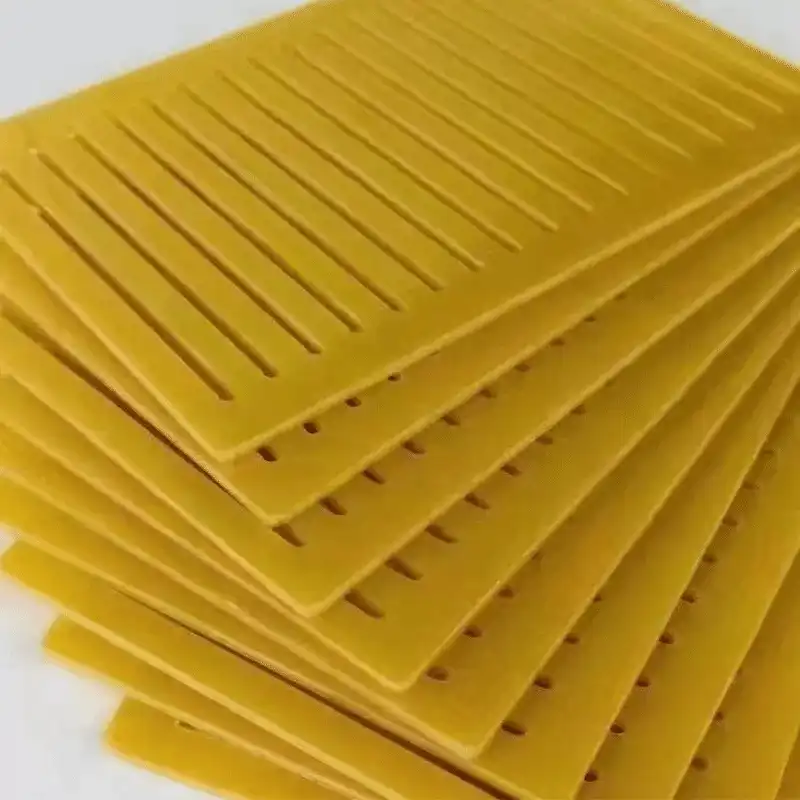
Epoxy resin sheets are a complex type of electrical insulator that was made to work in tough electrical settings. Epoxy glue and strengthening threads are combined in these composite materials. They make a strong structure that has great mechanical strength and electrical protection qualities.
Composition and Material Science
Thermosetting epoxy resin systems strengthened with glass cloth or other flexible materials make up the basic structure of electrical insulation sheets. This mix makes fabrics that can withstand chemicals and changes in shape and size very well. During hardening, cross-linked chemical chains are formed. These keep their strength when exposed to heat and electricity, making these materials different from thermoplastics.
Key Performance Characteristics
Dielectric strength is the most important measurement of how well electrical protection works. Quality epoxy laminates usually have dielectric breakdown voltages over 15-20 kV per millimeter of thickness. This means they can handle a lot of electricity without breaking, which protects very well against electrical arc-over situations. They can often work at temperatures over 130°C for long periods of time, and even up to 180°C for short periods of time.
How Epoxy Sheets Enhance Electrical Safety in Your Home?
In homes, electrical problems often come from insulation that breaks down due to chemical contact, moisture, or temperature cycles. Homeowners and electricians know how important good insulation is after learning about these ways that electrical systems fail.
Common Electrical Safety Hazards
The most common way that electrical parts break in the home is by getting too hot. When insulation materials break down due to temperature stress, they lose insulating qualities and may turn into paths that electricity can flow through. This process of breaking down usually starts slowly, but it can speed up quickly once important temperature levels are reached.
Moisture ingress poses another significant threat to electrical safety. Common insulation materials might soak up water vapor, which makes them less effective at shielding and possibly giving electricity a way to travel. When epoxy is sealed, it becomes hydrophobic, giving it better moisture protection than organic materials like paper or cotton.
Protective Benefits and Safety Improvements
Research from groups that focus on electrical safety shows that homes with good insulation have a lot less electrical problems. Insulating correctly can cut the rate of electricity failures by up to 60% compared to using cheap materials, according to studies. These changes make things safer for people who live there and lower the risk that property will be damaged.
Epoxy Sheet vs. Other Insulation Materials: Making the Right Choice
Choosing the right materials has a big effect on the performance and stability of electricity systems in both the short and long run. Knowing the pros and cons of different insulation materials, such as an epoxy sheet, helps people make smart buying choices that keep them safe and save them money.
Performance Comparisons
Epoxy-based goods work better in a number of ways when compared to older materials such as phenolic cotton laminates or vulcanized fiber. Epoxy laminates keep their shape better when the temperature changes and don't break under higher stress loads.
The thermal efficiency is another thing that epoxy materials do well in. Phenolic materials can start to break down at temperatures over 120°C, but good epoxy formulas keep their features well past 150°C. This better temperature feature comes in handy for high-current uses or places where the outdoor temperature is high.
Cost-Benefit Analysis
Even though high-quality epoxy sheets may be more expensive at first than other materials, they are usually cheaper in the long run. Lower lifetime costs are the result of longer work lives, less need for upkeep, and better dependability. Epoxy insulation systems need to be replaced about 40% less often than other kinds, according to businesses that keep track of repair costs.
Procurement Guide: How to Source Quality Epoxy Sheets for Your Projects
To successfully get electrical insulation materials, you need to carefully look at the suppliers' skills, material certifications, and quality assurance methods. As the market for insulation materials grows, more suppliers are entering the market and it is becoming more important to make sure that the products are high quality.
Supplier Evaluation Criteria
Honest companies show they care about quality by using long approval programs and open production lines. Following international standards, such as getting recognized by UL and certified by RoHS, shows that you follow well-known safety and environmental rules. Suppliers should give in-depth scientific data sheets for their epoxy sheets that show electrical strength, temperature rates, and dynamic qualities.
Consistency in manufacturing is another important thing to look at. Statistical process control methods that keep a close eye on thickness, density, and electrical features are used by most providers. This level of regularity is crucial for apps that need to know exactly how big things will be or how electricity will behave.
Ordering Considerations
During the buying process, the exact material needs of the project must be clearly stated. To make sure the material is right, the thickness tolerances, surface finish standards, and measurement specs should be written down. Custom size can lower trash and labor costs and make the fitting process faster.
Planning lead time is especially important for big projects or ones with unusual requirements. Standard goods are usually delivered faster when they are sourced from sellers in the same country. On the other hand, unique needs may require longer buying processes.
Maintenance and Handling: Maximizing the Lifespan of Epoxy Insulation Components
Insulation parts will last longer and work better if they are properly installed and cared for. A good way to understand how to place and take care of things is to know about the materials and the surroundings they are in.
Installation Best Practices
Machining tasks need the right tools and methods to keep delamination and edge damage from happening. When used at modest speeds, carbide cutting tools usually make clean cuts without too much heat being made, which could change the way the material behaves. Drilling operations get help from backing support to stop chipping or fiber pullout on the exit side.
Solvents that don't hurt the epoxy material should be used in surface preparation and cleaning processes. Isopropyl alcohol or gentle cleaning treatments get rid of leftovers from handling without damaging the surface. You shouldn't use abrasive cleaning methods because they might damage the protected top layer.
Long-term Performance Monitoring
Regular inspections help find possible problems early on before they make the system unsafe. Visual inspection should be focused on finding any splitting, delamination, or darkening that could mean heat damage or mechanical stress. Electrical tests with the right power levels can show that dielectric stability is still in place after years of use.
Environmental tracking helps find the conditions that might speed up the breakdown of materials. In important uses, recording the temperature gives information that helps figure out how thermal cycling affects a system and plans preventive repair activities.
Conclusion
Electrical safety in homes rests a lot on how well the insulation materials used in electrical systems work. Epoxy sheet insulation offers better security by being a better insulator, maintaining temperature stability, and resisting chemicals better than older methods. Understanding how to choose materials, install them correctly, and keep them up makes it possible for homes and electricians to improve safety and value over time. In electrical uses, using good shielding materials is an important way to protect your property and your own safety.
FAQs
What thickness of epoxy sheet is recommended for residential electrical applications?
The width usually needs to be between 0.5 mm and 3 mm for home use, based on the power level and how the device needs to be built. Materials that are 1 to 1.5 mm thick are often used in low-voltage settings, but higher-voltage settings may need materials that are 2 to 3 mm thick in order to have enough insulating strength and safety.
How do epoxy sheets perform in humid environments compared to other insulation materials?
Because a lot of a weight in them is water, and they don't absorb water, epoxy sheets are much better at resisting wetness. This performance is much better than paper-based or cotton cloth laminates, which can soak up several percent of their weight in wetness when it's hot.
Can epoxy insulation sheets be recycled or disposed of safely?
Epoxy sheet made today in accordance with RoHS standards doesn't contain any harmful heavy metals and can be safely thrown away with other industrial trash. Thermosetting epoxy can't be warmed again like thermoplastics can, but mechanical recycling can turn epoxy leftovers into useful fillers for other composite uses.
Partner with J&Q for Superior Epoxy Sheet Solutions
J&Q offers high-quality insulation that meets the strictest electrical safety standards by drawing on over twenty years of experience in manufacturing and ten years of experience in foreign trade. Our global supply chain and wide range of manufacturing options let us offer personalized large orders with dependable delivery times and consistent quality.
Our transportation network, which includes our own shipping section, makes delivery faster and easier by streamlining the process. This one-stop service method keeps costs down for jobs of all sizes and makes it easier to get what you need. Quality assurance methods in all of our factories make sure that every epoxy sheet provider order meets strict performance standards and foreign certifications.
Our skilled engineers provide technical support to help customers choose the best material specs for their uses. Our professionals give you advice that makes sure you get the best performance and safety compliance, whether you need normal electrical-grade laminates or unique recipes for special needs. To talk about your insulation needs and get more information about our insulation, please email info@jhd-material.com.
References
1. National Electrical Manufacturers Association. "Standards for Electrical Insulation Materials." NEMA LI-1, Revised Edition, 2019.
2. Institute of Electrical and Electronics Engineers. "Guide for the Measurement of Partial Discharges in AC Electric Machinery." IEEE Standard 1434-2014.
3. American Society for Testing and Materials. "Standard Test Methods for AC Loss Characteristics and Permittivity of Solid Electrical Insulation." ASTM D150-18.
4. International Electrotechnical Commission. "Specifications for Individual Types of Winding Wires - Part 0-4: General Requirements - Glass-Fiber Wound, Resin or Varnish Impregnated, Bare or Enameled Round Copper Wire." IEC 60317-0-4:2020.
5. Underwriters Laboratories. "Standard for Safety for Polymeric Materials - Use in Electrical Equipment Evaluations." UL 746A, Eighth Edition, 2018.
6. Society of Plastics Engineers. "Engineering Properties of Thermosetting Plastics for Electrical Applications." SPE Technical Bulletin 2019-03, March 2019.