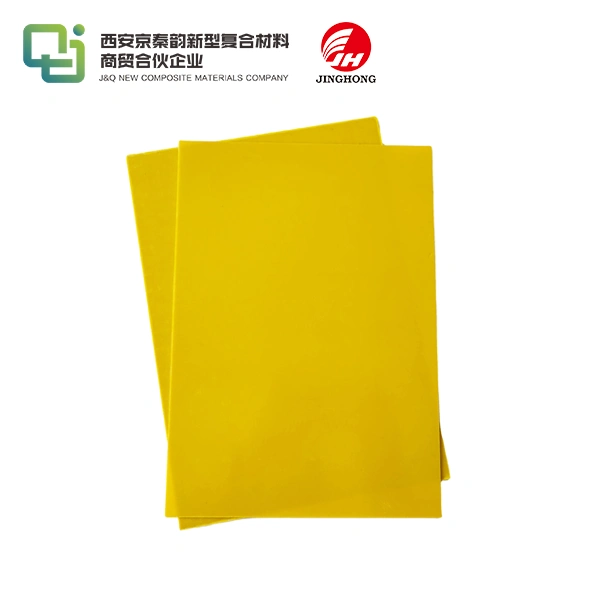
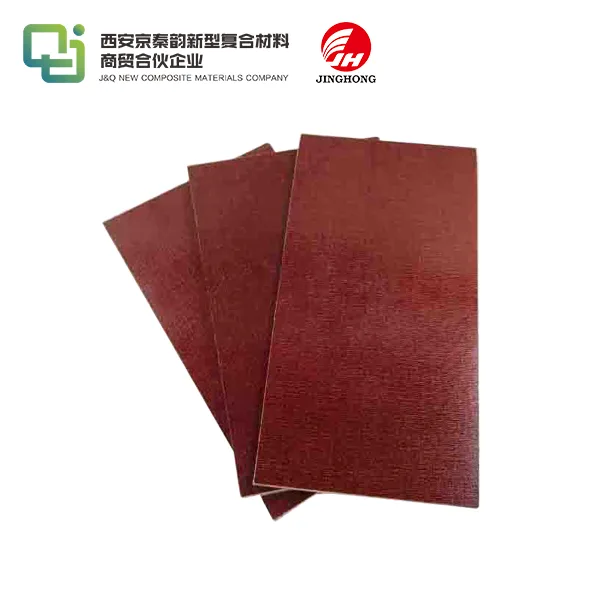
3240 Epoxy Sheet for High Voltage Equipment
2026-05-29 17:17:57
When electrical systems need to be reliable even when the voltage is very high, 3240 epoxy sheet is the material that makers all over the world choose. Epoxy and phenolic resins are mixed in this glass fiber-reinforced laminate to make an insulation shield that can handle electrical stress, temperature cycling, and mechanical loads all at the same time. For more than twenty years, we've worked with transformer builders, switchgear manufacturers, and power equipment specialists. Their message has always been the same: this material keeps critical infrastructure running without stopping when high voltage equipment failure is not an option.
Understanding 3240 Epoxy Sheet and Its Core Properties
The engineering that went into making this combination is the result of decades of progress in material science. To make these 3240 epoxy sheets, manufacturers soak alkali-free glass fiber cloth in a special mix of epoxy and phenolic resins. They then heat cure the mixture at around 150–160°C while applying pressures of 10–14 MPa. This process makes a stiff material that has a density of about 1.90 to 2.00 g/cm³ and great structural stability.
Exceptional Dielectric Performance
This material stands out in high voltage uses because of how it behaves electrically. When checked in transformer oil, the dielectric strength is usually between 10 and 12 kV/mm, which gives a lot of safety against electrical breakdown. The material has a naturally low moisture absorption rate, so this performance stays the same even when the air changes. Epoxy-phenolic laminates don't break down when they come into contact with damp conditions like hygroscopic alternatives do. They keep their insulation strength even in harsh industrial settings.
Thermal Stability Under Continuous Operation
Managing temperatures is very important for power tools that makes heat all the time. Standard grades meet Class B thermal standards, which mean they can work continuously at 130°C. Premium formulas meet Class F requirements, which mean they can work continuously at 155°C. Because of its high temperature durability, this resin doesn't carbonize or lose its dielectric properties like less durable materials would. Working with transformer makers, we've seen how this temperature stability makes repair times longer and cuts down on unplanned downtime for large-scale equipment.
Mechanical Strength for Structural Applications
The material can be used for both insulation and support because its flexural strength perpendicular to the laminations is usually higher than 340 MPa. This ability to do two things at once makes designing tools easier because it gets rid of the need for different electrical and mechanical parts. It can handle the compressive forces, tension loads, and vibrational stresses that come from tools in use without deforming or delaminating.
Comparing 3240 Epoxy Sheet with Alternative Materials
Knowing the different options for a material helps buying teams make smart choices that balance performance with price limits. Depending on the needs of the application, each insulator material has its own benefits.
3240 Epoxy Sheet versus FR4 Laminates
The main difference between these materials is how well they repel fire. FR4 has a UL94 V-0 grade, which means it goes out on its own when the sources of fire are taken away. Traditional 3240 epoxy sheet formulations usually get HB ratings, which means they burn more slowly and don't put out fires on their own. This difference is very important in consumer products, where flame-resistant materials are required by law for safety reasons. But when it comes to industrial power equipment that is kept in metal cabinets with fire control systems, 3240 is often chosen because it is stronger mechanically and costs less.
Performance Advantages Over Phenolic Cotton Laminates
Paper-based phenolic materials are an older type of insulation that is still used in places where cost is an issue. Epoxy-phenolic glass laminates are much better at resisting water damage than these other options. Paper phenolic sheets lose their insulating qualities when they get wet, but glass-reinforced epoxies keep their electrical performance. The difference in mechanical strength is also very clear. Both flexural and tensile strengths of glass-reinforced materials are much higher than those of paper-based options. This makes it possible to make smaller shapes and reduce the weight.
Chemical Resistance Benefits
Transformer oils, hydraulic fluids, and industrial acids don't damage the epoxy-phenolic resin structure at all. This chemical stability keeps the material from growing, shrinking, or peeling off after being submerged in oil-filled transformers for a long time. The sheets that were taken out of transformers after 15 years of use showed almost no wear and tear, even though they were constantly in touch with oil and going through heat cycles.
Purchasing 3240 Epoxy Sheet: What B2B Buyers Need to Know
To be successful at procurement, you need to know what the suppliers can do, how to check the quality, and how to handle the logistics that affect project prices and timelines.
Evaluating Supplier Reliability and Certifications
Documented compliance with foreign standards is the first step in quality proof. The classification in the Chinese National Standard GB/T 1303 is similar to IEC 60893 EPGC 201. It serves as a starting point for both electrical and mechanical requirements. Suppliers you can trust will give you test results that prove the dielectric strength, flexural strength, moisture absorption, and size limits. Certification to the ISO 9001 quality management system means that production methods are uniform. Environmental certifications, such as RoHS compliance, meet the rules in export markets.
Understanding Thickness Tolerances and Surface Quality
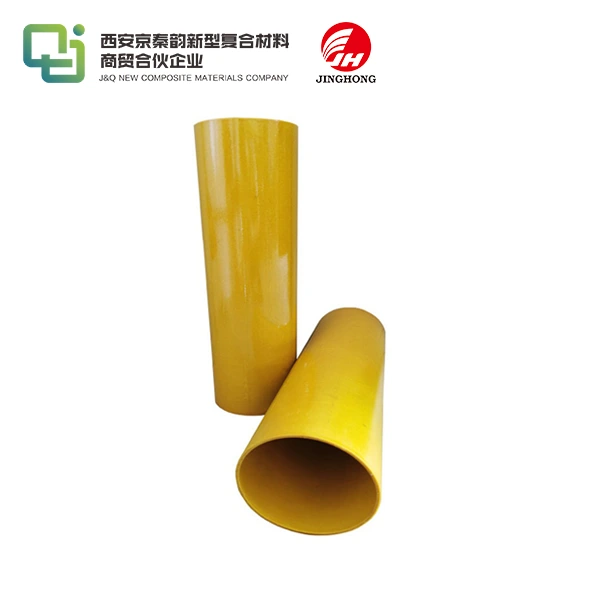
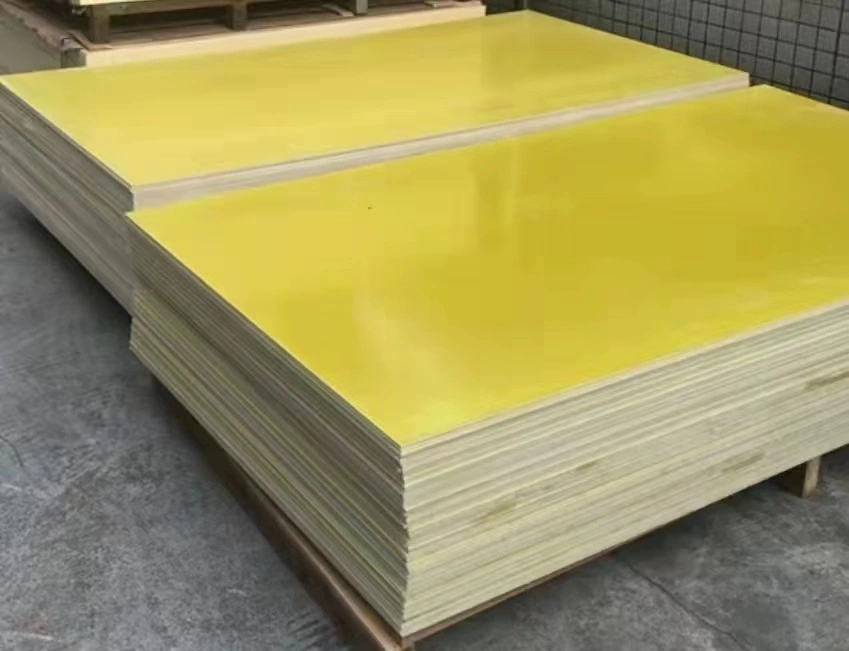
When 3240 epoxy sheet units are CNC machined to make parts with complicated shapes, precision production is very important. Thickness tolerances on high-quality sheets are kept to within ±0.2mm for smaller sizes and ±1.5mm for heavier parts. Surface finish has a direct effect on how well a machine works. Smooth, bubble-free surfaces keep tools from wearing out faster and allow for better control of dimensions during drilling, grinding, and turning. Changes in color from yellow to greenish tints are caused by adding pigments or using different hardening agents. These changes don't show changes in quality as long as the electrical factors are correct.
Storage and Handling Requirements
The security of a material relies on how it is stored. Sheets should be laid flat on flat boards in climate-controlled rooms that stay below 25°C and have a relative humidity of less than 75%. When things are stored vertically or exposed to changing air, they warp, which makes precise cutting more difficult. We suggest using first-in, first-out inventory movement to cut down on storage time, but material that is kept properly will stay stable for a long time.
Practical Applications of 3240 Epoxy Sheet in High Voltage Equipment
Real-world uses show why 3240 epoxy sheet is chosen by engineering teams for a wide range of high voltage equipment. The material is flexible because its electrical, thermal, and mechanical qualities are all matched.
Oil-Immersed Power Transformers
These laminates are used by transformer makers to make structure supports, insulation shields for windings, and parts for tap changers. Because the material is resistant to hot generator oil, it doesn't break down over time, which would compromise the dielectric stability. In distribution transformers that serve both home and business users, these insulation parts keep the grid reliable by stopping flashovers between phases and keeping the copper windings safe from heat. We've given supplies to utility companies that are in charge of thousands of transformers that are placed on poles. The reliability of these transformers directly affects the service continuity for whole neighborhoods.
Switchgear and Circuit Breaker Assemblies
Insulation parts for arc chutes, phase barriers, and busbar supports in medium-voltage switchgear must be carefully made. When there is a fault, arc energies cause very high temperatures and electric forces that make it hard for materials to stay together. The high dielectric strength stops flashover between powered parts, and the mechanical stiffness keeps the critical spacing lengths even when fault currents create magnetic forces. Dimensional stability makes sure that parts fit perfectly inside metal cases, preventing air holes that could cause partial discharge and, eventually, insulation failure.
Motor and Generator Insulation Systems
Electrical tools that spin are constantly being shook, heated and cooled, and subjected to electromagnetic stress. Epoxy-phenolic laminates are used to make mounting clamps, phase insulation, and slot wedges that don't break down in these situations. The mechanical strength of the material keeps it in place when rotational forces act on it, and the electrical protection keeps shorts from happening in the wind. Thermal stability means that the material doesn't soften or bend when it's heated up by copper losses and core magnetization.
Precision Manufacturing Fixtures and Tooling
The material's ability to keep its shape when heated makes it useful for making devices, not just electrical ones. These sheets are used as entry and backup boards in PCB drilling, where friction-generated heat from high-speed drilling could damage materials that aren't very strong. Temperature stability keeps errors at the micrometer level, which is needed for accurate cutting in layered circuit boards. Manufacturing engineers like that these tools stay calibrated even after thousands of drilling rounds. This lowers the amount of scrap and boosts production efficiency.
How to Choose the Right 3240 Epoxy Sheet for Your Projects?
Selecting the right specs for a 3240 epoxy sheet requires you to match the properties of the material to the needs of the application while also looking at customization choices that will get the best performance and lowest cost.
Assessing Electrical Requirements
Start by listing the voltage levels, frequency ranges, and weather variables that the insulation needs to be able to handle. When using steady AC electricity, you need to think about things differently than when using DC systems or equipment that pulses power. As the working voltage goes up, so do the dielectric strength needs. However, corona discharge worries arise when field intensities go above certain limits. Engineers should figure out the working electric field stress and use the right safety factors based on how reliable the system needs to be and how easy it is to maintain.
Matching Thermal Ratings to Operating Conditions
The temperature group should give you enough room above the expected working temperatures. Materials that are rated well above steady-state temperatures can handle sudden peaks in equipment that goes through thermal cycling every day. When temperatures are hot or cooling systems aren't working well, switching from Class B to Class F formulas makes them last longer and lowers the chance that they will fail. The extra cost of materials that can handle higher temperatures is often not very much when compared to the costs of replacing equipment or paying for downtime.
Determining Optimal Thickness and Size
The design of a component combines the need for electrical gaps with the need for mechanical strength and the amount of mounting space that is available. While thicker parts offer higher voltage standoff and greater mechanical strength, they also cost more and weigh more. The actual thickness limits are affected by how well the material can be manufactured; sheets that are thicker than a certain gauge are hard to work with normal tools. Most uses can be met by standard sheet sizes, but custom measurements can cut down on waste during large-scale production runs.
Considering Surface Finish and Machining Requirements
Sheets with better surface flatness and thickness consistency are better for uses that need tight limits. For complex shapes, CNC cutting needs materials with stable hardness to keep tools lasting a long time and keep measurements accurate. Some makers offer surfaces that have already been treated to make them stick better for coating or extra bonding.
Conclusion
Choosing the right epoxy-phenolic laminate for high voltage equipment means finding a balance between the product's electrical performance, its ability to handle heat, its mechanical strength, and its cost. Specifications for materials that meet international standards are the basis for making good purchasing choices. Long-term success depends on partnerships with suppliers that offer technical help and consistent quality. Knowing how these sheets work in oil-filled transformers, switchgear systems, and machines that spin helps engineering teams safely choose materials. Paying attention to how the parts are stored, how they need to be machined, and their temperature values will make sure they last for decades in harsh industrial settings where equipment failure can have major effects on safety and operations.
FAQ
What distinguishes 3240 epoxy sheet from FR4 materials in high voltage applications?
Basically, the main difference between 3240 epoxy sheet and FR4 is flame protection and mechanical qualities. Standard 3240 formulations have HB ratings, which are good for industrial equipment that needs other types of fire safety, while FR4 meets the UL94 V-0 self-extinguishing requirements for consumer gadgets. Most of the time, 3240 has higher mechanical strength than FR4, which makes it better for situations where structure loads and electrical shielding needs come together. Both materials are very good at conducting electricity, but 3240 usually works better in settings with transformer oil.
What temperature limits apply to continuous operation?
Standard formulations meet Class B thermal values, which allow continued use at 130°C. Premium grades meet Class F standards, which allow use in conditions up to 155°C. When these limits are exceeded, the plastic breaks down faster and the dielectric properties get worse. Applications should keep enough temperature gaps to account for hot spots and short-term thermal events that are hotter than normal.
How does moisture affect electrical performance?
Low rates of moisture absorption keep insulation from breaking down in damp places where hygroscopic materials fail. Proper keeping that keeps the relative humidity below 75% stops wetness from getting in before installation. When the material is put into sealed equipment, its electrical properties stay fixed even when the surroundings changes.
Partner with J&Q for Reliable 3240 Epoxy Sheet Solutions
Every client connection at J&Q is based on more than 20 years of experience in manufacturing and more than 10 years of experience in foreign trade. As a well-known provider of 3240 epoxy sheet solutions, we know that procurement teams need more than just material specs. They also need quick technical support, consistent quality, and operations that work with production plans. Our in-house logistics services offer streamlined shipping options from our facility to your factory floor, so you don't have to deal with the problems that come with coordinating with outside freight workers.
Engineering managers and procurement experts in the industries that make electrical equipment, distribute power, make car parts, and make industrial machinery trust our dedication to clear communication and documented quality systems. To meet your quality assurance needs, we keep a lot of certification paperwork, such as material test results, compliance proof, and dimensional inspection records. Contact our expert team at info@jhd-material.com to talk about the needs of your specific application, get material samples to try, or get cheap quotes for large orders. You can look at our full selection of insulation materials at jhd-material.com and learn how our experience can help you improve your supply chain while still meeting the needs of your high voltage equipment.
References
International Electrotechnical Commission. (2019). Insulating Materials - Industrial Rigid Laminated Sheets Based on Thermosetting Resins for Electrical Purposes. IEC 60893 Series Standards.
National Electrical Manufacturers Association. (2021). Industrial Laminated Thermosetting Products. NEMA LI 1-2021 Standard.
Zhang, W., & Liu, H. (2020). Epoxy Resin Composites for Electrical Insulation Applications: Material Properties and Performance Analysis. Journal of Electrical Insulation Materials, 45(3), 287-304.
American Society for Testing and Materials. (2022). Standard Test Methods for Electrical Properties of Insulating Materials. ASTM D149-09 and D150-18.
Chen, G., Davies, A.E., & Swingler, S.G. (2018). High Voltage Engineering in Power Systems. Wiley-IEEE Press, Chapter 6: Solid Insulation Systems.
Underwriters Laboratories. (2020). Polymeric Materials - Industrial Laminates, Filament Wound Tubing, and Fabricated Parts. UL 746C Standards for Safety.