How to Select an Epoxy Resin Sheet for Insulation
2026-05-29 17:20:07
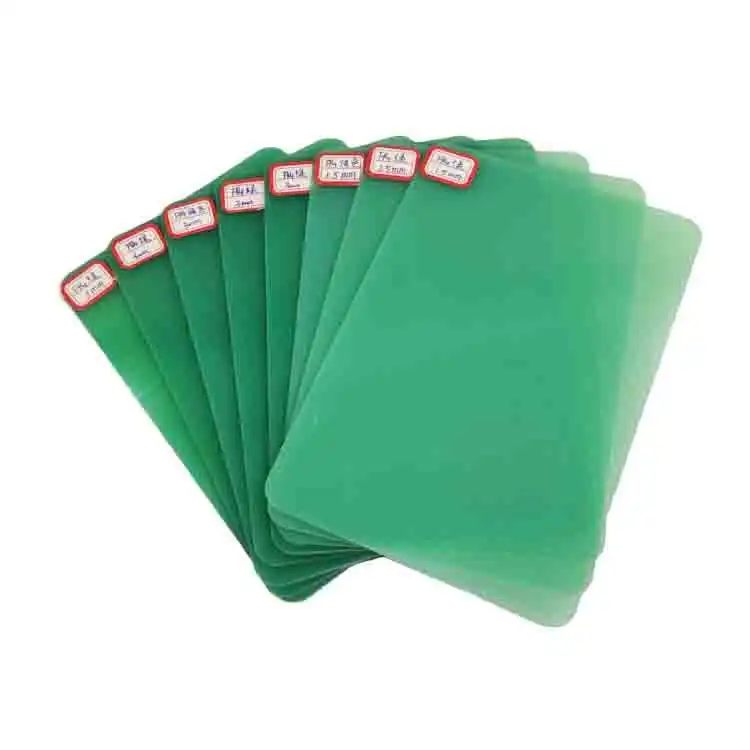
To choose the best epoxy resin sheet for insulation, you need to carefully look at how well it conducts electricity, how stable it is at high temperatures, and how long it will last mechanically. When fiberglass cloth is heated and pressed together with epoxy glue, the composite materials are made. They have great dielectric strength and structural stability. In order to choose the right material, its qualities like voltage breakdown resistance, temperature ratings, and dimensional accuracy must be matched to the area it will be used in. This is the case whether it is for transformer coil barriers, motor contact plates, or battery pack insulation. When procurement teams know about grade types like 3240 epoxy boards and FR4 laminates, they can make sure that technical specifications meet business needs and safety standards.
Understanding Epoxy Resin Sheets for Insulation
What Defines Epoxy Laminate Materials
Reinforcing fibers are glued together with thermosetting resin systems to make epoxy laminates. In the making process, alkali-free glass cloth is layered with epoxy-phenolic mixes. The molecular cross-linking is then achieved by controlling the temperature and hydraulic pressure. This makes a system that is uniform and whose behavior can be predicted. The finished product has a density of around 1.9 to 2.0 g/cm³, which is a good mix between weight and strength. Glass-reinforced epoxy systems are better at keeping their shape over a wider range of temperatures than phenolic cotton boards or paper-based Bakelite. They also do a better job of keeping moisture out.
Critical Performance Properties
Dielectric strength is the main way to measure insulation because it shows how much energy can be handled before the insulation breaks down. In oily conditions, good fiberglass boards can handle 10 to 12 kV/mm, and in dry conditions, they can handle 16 to 18 kV/mm. These materials are good for medium-voltage switches and transformers because they work better than many other insulators. Insulation resistance greater than 10^13 ohms under normal conditions makes sure that there is little leakage current while the device is working. IEC 60085 grades are used to rate thermal performance. Class F materials can keep their structure solid at constant working temperatures of 155°C. The material's mechanical qualities include flexural strengths of up to 340 MPa, which means it can be used as load-bearing parts in motor systems and mechanical gaps. The low water absorption rate—usually less than 0.5% after 24 hours of immersion—keeps the electrical properties even in damp workplaces.
Production Methods and Quality Control
Consistency in manufacturing has a direct effect on how reliable shielding is. Reputable manufacturers use batch identification systems to keep track of where the raw materials come from all the way through the final review. Verification tests are done on every production run to check for dielectric strength, bending stiffness, and accurate measurements. With thickness tolerances of ±0.05mm, complicated shapes can be machined with great accuracy. The length of the curing cycle and the pressure settings determine the number of voids and the strength of the bonding between layers. These are two things that affect how long the material will last under temperature cycling and mechanical stress.
Core Selection Criteria for Epoxy Resin Sheets in Insulation Applications
Electrical Performance Requirements
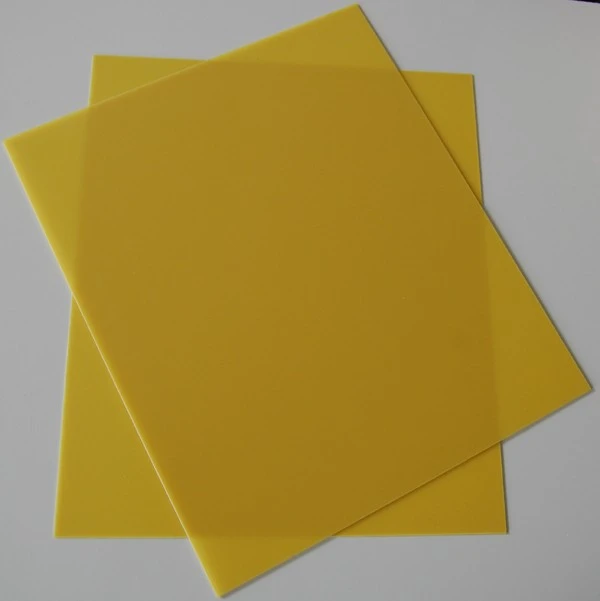
The minimum dielectric strength requirements are based on the voltage class, and the use of epoxy resin sheet is common in insulation applications. Standard-grade materials can be used in low-voltage uses below 1000V, but materials for medium-voltage systems between 1kV and 35kV need to be proven to not break down. Corona resistance is important in high-voltage areas where partial discharge can wear away insulator layers over time. The comparative tracking index (CTI) checks how resistant a surface is to electrical tracking when it is dirty, and epoxy resin sheet materials with values above 600V mean that the surface will work better in outdoor or industrial settings. To prove that their claims about dielectric qualities are true, companies that make electrical equipment should ask for approved test results that follow the IEC 60243 or ASTM D149 guidelines.
Thermal Management Capabilities
Operating temperature ranges need to be able to handle both steady job cycles and short-term temperature spikes. Class F (155°C) ratings are good for most industrial motor and transformer uses, while Class H (180°C) ratings are better for tough aircraft or car electronics needs. The coefficient of thermal expansion affects how stable dimensions are when temperatures change, especially in units made of more than one material. Heat deflection temperature shows the point at which mechanical characteristics start to break down when they are loaded, and is usually tested at 1.8 MPa stress according to ASTM D648. Flame-retardant grades that meet UL94 V-0 rating are best for power distribution uses. However, normal 3240 epoxy boards without halogenated additives offer good thermal performance in oil-filled transformer environments where self-extinguishing qualities are not as important.
Mechanical and Fabrication Considerations
The tensile and flexural strengths tell us if it can be used for structural purposes like gear parts, fixing brackets, and mechanical spacers. If machinery makers need load-bearing padding, they should ask for a flexural strength of at least 300 MPa. Machinability affects how quickly and accurately things are made. When the right tools and feed rates are used, epoxy laminates can be drilled, milled, sawed, and routed on a CNC machine without delaminating. In high-voltage systems, the partial discharge inception voltage is affected by the quality of the edge after it has been machined. You can get sheets as thin as 0.5 mm for insulation walls or plates as thick as 100 mm for bus supports and other structural parts. Custom thickness needs may make wait times longer, but they ensure the best fit for certain uses.
Chemical and Environmental Resistance
Transformer oil compatibility is important for power equipment uses, needing materials that don't grow or lose their mechanical properties after being immersed for a long time. Hydraulic fluids, coolants, and cleaning agents can get into insulation in places like cars and factories. Moisture resistance keeps electrical features in good shape in open settings and places with a lot of humidity. For enclosure parts and outside uses, UV stability is important, but most epoxy types need protection coats for long-term outdoor contact.
Comparing Epoxy Resin Sheets with Other Insulation Materials
Performance Against Phenolic Laminates
For use in temperatures below 120°C, phenolic cotton cloth boards are a cheaper option. Epoxy glass systems, on the other hand, have better dielectric strength (about 40% higher breakdown voltage) and better structural stability when heated. When it's wet, phenolic materials absorb more water than epoxy types by three to five times, which causes the electrical properties to break down. When there is dynamic stress, epoxy structure is better for mechanical strength. When appliance makers try to find the best balance between price and performance, they often choose phenolic materials for non-critical insulation and epoxy grades for high-stress junction blocks and motor parts that are exposed to heat.
Advantages Over FR4 Printed Circuit Board Material
FR4 is a type of flame-resistant resin glass that is commonly used in electronics, and epoxy resin sheet materials are also widely applied in electrical insulation fields. Standard 3240 epoxy boards have a similar base makeup, but they don't usually contain brominated flame retardants. This means that they cost less to make and are easier to get rid of. The mechanical qualities stay the same, though 3240 sheets often have a slightly higher bending strength because the resin formulations have been improved. Electronics companies use FR4 for PCB surfaces that need to be rated UL94 V-0, while equipment makers choose epoxy resin sheet and 3240 grades for structural insulation, motor slot wedges, and mechanical parts that need to be rated for flames in a different way. Knowing these differences keeps you from over-specifying and cuts down on material costs.
Comparison with Polymeric Alternatives
Polycarbonate sheets are resistant to contact and have clear optics, but they only reflect heat around 140°C. Acrylic materials look nice, but they don't work well as heat or electrical protection in factories. PEEK and other high-performance thermoplastics have better temperature ratings than epoxy, but they cost a lot more to make. Fiberglass reinforced plastics (FRP) are good for chemical handling equipment because they don't rust, but their electrical qualities and accuracy in measurements aren't as good as epoxy laminate standards. Epoxy materials are still the most popular choice in electrical and machinery uses because they have a good mix of properties, including electrical insulation, mechanical strength, thermal stability, and reasonable cost.
Procurement Considerations for B2B Buyers
Supplier Qualification and Certification
Manufacturers with a good reputation use ISO 9001 quality control systems and provide material certifications that show they meet international standards. UL approval for insulation systems proves that the material is suitable for listing electrical equipment. RoHS compliance takes care of the needs for banned substances in European and international markets. Suppliers should give engineering teams detailed datasheets with test methods and property ranges so they can make sure the products meet the needs of the application. Periodic plant audits that check process control skills and how raw materials are sourced are good for long-term supply deals.
Pricing Structures and Order Logistics
Prices based on volume show how economies of scale work in production and handling. Standard sheet sizes, like 1000x2000mm or 1220x2440mm, get the most out of the material and cost less than special forms. The lowest amount you can buy depends on the provider and the thickness. It can be as little as one sheet for testing or as much as a pallet for production projects. Lead times range from days for stock items to weeks for custom grades or sizes and depend on how much inventory is available and how the order needs to be processed. The total landed price of dense laminate materials is affected by transportation costs. For ongoing production needs, regional supply networks are helpful. To make accurate comparisons of total costs, buyers should ask for thorough quotes that list the prices of materials, processing, packaging, and freight.
Customization and Technical Support
Precision cutting, drilling, and edge finishing services cut down on the work that needs to be done later and make sure that the sizes are always the same. CNC cutting makes it possible for direct-fit parts to have complex shapes and tight tolerances. Some sellers offer extra services that make your order more valuable, such as printing, adhesive backing, and building kits. Technical support tools help engineering teams choose the best grades, define the right thicknesses, and solve problems that come up in the field. Superior supplier partnerships are different from transactional relationships because they have responsive contact routes and knowledgeable support staff.
Best Practices for Using Epoxy Resin Sheets in Insulation
Cutting and Machining Techniques
When working with rough glass-reinforced materials, saw blades and drill bits with carbide tips keep the edges from breaking and make the tools last longer. When feed rates and spinning speeds are right, heat doesn't build up and cause problems like resin spread or fiber pullout. Brad-point or step drill geometries that lessen exit-side splintering are good for drilling activities. Backing materials hold up thin sheets while they are being cut. Airborne particles are controlled by dust collection devices, which protect workers and keep workplaces clean. Using the right methods will keep the material's purity and ensure accurate measurements, which will ensure that the insulation works well.
Installation and Assembly Guidelines
Cleaning the surface of the epoxy resin sheet gets rid of any impurities that could get in the way of glue bonding or dielectric strength. Stress is spread out and cracks are avoided by mechanically connecting through holes that have already been made. When choosing a glue, you should think about how well it works with thermal expansion and its electrical qualities. For example, epoxy-based structural adhesives keep insulation in place, while silicone systems can handle different amounts of expansion. Edge treatments, like chamfering and sanding, get rid of sharp edges that put a lot of electrical stress in one place on the epoxy resin sheet. The steps for installation should be based on the equipment's manufacturer's instructions and any applicable electrical rules.
Maintenance and Longevity Strategies
Visual inspections done on a regular basis find surface tracking, mechanical damage, or contamination that needs to be cleaned up. Using allowed chemicals to clean gets rid of conductive deposits without hurting resin structures. Using insulation resistance meters for electrical testing can find damage before it happens. Keeping things in climate-controlled places keeps them from getting wet and breaking. When equipment is used in tough situations, it may need protective coatings or conformal treatments to make it last longer. Knowing the limits of the materials and doing regular upkeep are two ways to keep insulation working well throughout the span of an item.
Conclusion
When choosing the right epoxy resin sheet materials, you have to weigh the electrical requirements, heat requirements, mechanical requirements, and cost factors against the specific application conditions. Knowing the differences in properties between types like 3240 epoxy boards and FR4 laminates lets you make smart choices that improve performance and value. To be successful in procurement, you need to work with qualified providers who can provide regular quality, professional knowledge, and on-time delivery. Using the right techniques for moving and installing materials will make insulation work better and last longer. This will help make equipment more reliable and safe in industries like electrical manufacturing, industrial machinery, power systems, car parts, and appliance production.
FAQ
What Thickness Works Best for High-Voltage Transformer Applications?
The right width is based on the voltage class and the physical clearance needs. Boards 3 to 6 mm thick are often used for coil shielding and phase barriers in 12 to 24 kV medium-voltage transformers. Bus insulation and structural supports are made of 10–25 mm thick pieces. To figure out how thick the dielectric needs to be, designers should use voltage gradient limits of 3–5 kV/mm and then add safety gaps based on IEEE and IEC standards. Talking to experienced insulation system engineers will make sure there is enough electricity space and keep you from having to pay extra for materials that aren't needed.
How Does Epoxy Performance Compare to Fiberglass Sheets in Outdoor Environments?
Fiberglass is used to reinforce both products, but the resin processes are different. Most of the time, epoxy matrices are better at resisting moisture and keeping their shape than polyester fiberglass. But neither material naturally doesn't break down in UV light without extra protection. For use outside, you need gel covers, paint systems, or topcoats that are protected from UV light. If you protect epoxy installations properly, they will last for decades in electrical enclosures and equipment housings. On the other hand, areas that aren't covered will slowly lose their resin and fibers.
Partner with J&Q for Your Epoxy Resin Sheet Requirements
For more than 20 years, J&Q has been making high-performance insulation laminates for global B2B clients. Our comprehensive product range includes certified 3240 epoxy boards, FR4 laminates, and custom-grade materials engineered for demanding electrical and mechanical applications. As a well-known provider of epoxy resin sheet with combined logistics, we deliver one-stop solutions for everything from choosing the right materials to sending them around the world. Our expert team gives procurement managers and engineering teams advice that is specific to the application. This helps them make the best specs and cut down on overall project costs. Email info@jhd-material.com to talk about your insulation needs, get approved test data, or set up material samples that show our high standards for quality and accuracy in manufacturing.
References
International Electrotechnical Commission. (2007). IEC 60085: Electrical Insulation - Thermal Evaluation and Designation. Geneva: IEC Publications.
Underwriters Laboratories. (2018). UL 746E: Standard for Polymeric Materials - Industrial Laminates, Filament Wound Tubing, and Vulcanized Fiber. Northbrook: UL Standards.
Harper, C.A. (2004). Handbook of Building Materials for Fire Protection. New York: McGraw-Hill Professional.
Slade, P.G. (2013). Electrical Contacts: Principles and Applications (2nd Edition). Boca Raton: CRC Press.
Cygan, P.J., & Laghari, J.R. (1990). Models for Insulation Aging Under Electrical and Thermal Multistress. IEEE Transactions on Electrical Insulation, 25(5), 923-934.
Stone, G.C., Boulter, E.A., Culbert, I., & Dhirani, H. (2004). Electrical Insulation for Rotating Machines: Design, Evaluation, Aging, Testing, and Repair. Piscataway: IEEE Press.