FR4 Board Solutions for Industrial Automation
2026-06-01 17:26:33
When industrial automation systems need to be completely reliable, FR4 board becomes the material of choice for both electrical engineers and buying experts. This flame-resistant epoxy laminate is made of woven fiberglass cloth that has been mixed with a thermosetting glue. It gives current automatic systems the right balance of electrical insulation, mechanical strength, and thermal stability. We've been helping makers with power distribution, building machinery, and making electronics for more than twenty years, and we've seen how the right choice of FR4 board directly affects system uptime and long-term running costs.
Understanding FR4 Board Essentials for Industrial Automation
What Makes FR4 the Industry Standard?
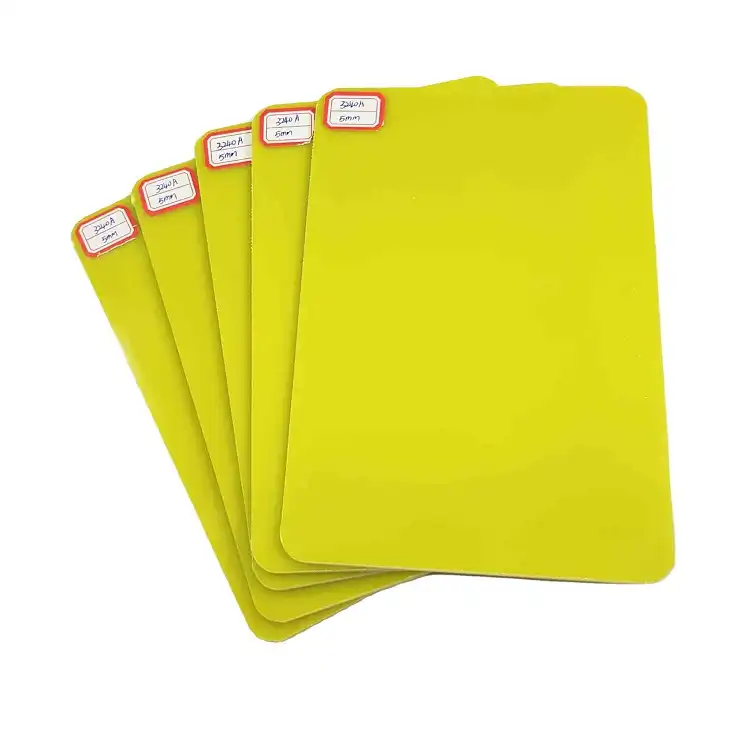
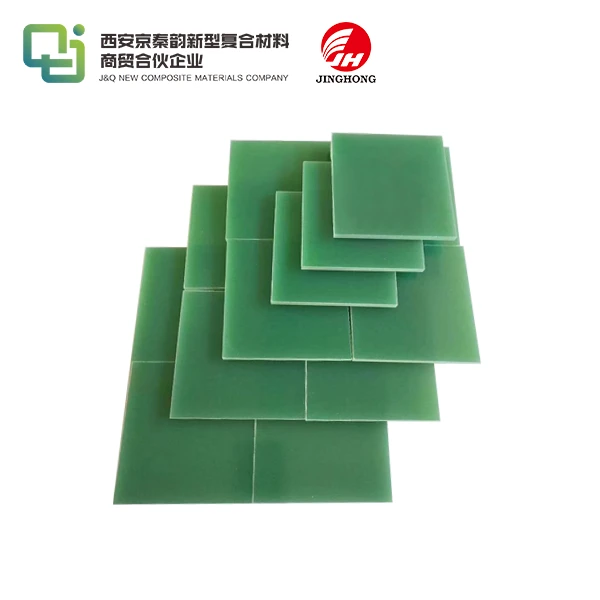
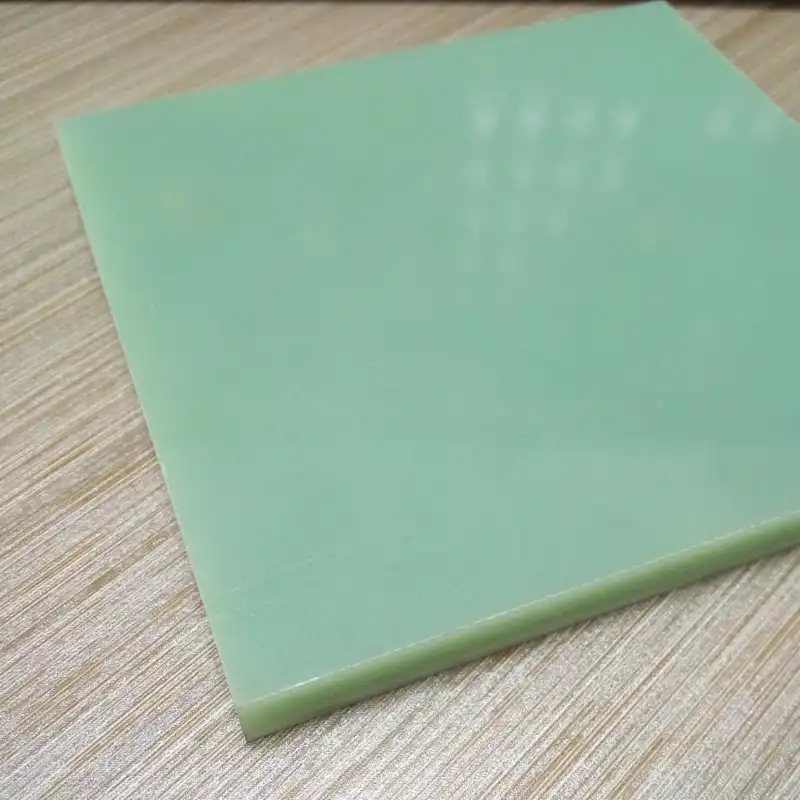
The FR4 board is an industrial material made of high-pressure thermosetting glass cloth and epoxy resin binding technology. The "FR" marking confirms flame retardancy according to the UL94 V-0 rating. This means that the material goes out on its own within ten seconds of being removed from sources of ignition. This important safety feature stops fires from spreading in electrical boxes and control cabinets, where broken parts could cause problems throughout the building.
Core Technical Characteristics
The performance rating of the material explains why it is so popular in automation settings. Because their density is between 1.85 and 2.10 g/cm³, FR4 boards keep structures strong without adding too much weight. The high flexural strength (more than 340 MPa) makes sure that parts can handle mechanical stress during installation and operation. The breakdown voltage (more than 40–50 kV parallel to layers) keeps the dielectric from failing during high-voltage transients that are common in industrial power systems.
If the amount of water absorbed is less than 0.1%, the electrical qualities stay the same on wet factory floors, where condensation could damage less effective insulation. At 1MHz, the dielectric constant is between 4.4 and 4.8, which helps keep signals clean in transmission and control units. These factors are not marketing claims; they are real, measured qualities that have been proven to meet NEMA FR-4, MIL-I-24768/27, and EN 60893 standards.
Manufacturing Process Considerations
Knowing how makers make FR4 boards helps buying teams figure out what a provider can do. In this method, liquid resin is layered on top of glass cloth in a controlled environment. The mixture is then cured under high pressure and temperature. This makes sure that the thickness tolerances and mechanical qualities are always the same, which is important for CNC cutting. Suppliers who have ISO 1642 certification show that they have strict process control, which is directly related to how consistent your production line is from batch to batch.
Comparing FR4 Board with Alternative Materials
FR4 Versus Metal Core PCBs
Aluminum and copper-backed plates are great at getting rid of heat, which makes them a good choice for motor controls and high-power LED drivers. But their copper core makes grounding more difficult and limits patterns with more than one layer. FR4 boards provide better electrical separation between circuit layers, which allows for small designs where space limits require vertical stacking instead of horizontal spreading. The difference in price also makes FR4 board a better choice for uses where low heat loads don't warrant metal core fees.
Phenolic and CEM-1 Alternatives
Phenolic cotton laminates have lower material costs, but they don't work as well electrically when it's wet. Their higher rates of absorbing water weaken the dielectric over time, which is a problem in process control areas where steam or cleaning chemicals are present. To keep prices down, CEM-1 composite boards use a mix of paper and glass substrates. They still have good electrical qualities, but they aren't as strong as FR4 board for structural uses like gear housings or load-bearing spacers in machinery systems.
Glass Transition Temperature Variations
When the resin matrix starts to break under heat stress is shown by the Tg grade. Standard FR4 board with TG130 is fine for circuits that work in room temperature, but industrial machinery often has to deal with high temperatures. TG150 grades can handle soldering and low-level heat sources close to motor drivers. Different types of TG170 are used for high-temperature tasks like generator insulation walls and parts under the hood of cars. If you match the Tg standards to your working surroundings, you can avoid changes in dimensions that could affect the tolerances and electrical openings of the assembly.
How to Choose and Procure the Right FR4 Boards for Your Needs?
Defining Application Parameters
The first step in choosing the right materials is to describe your working needs. Mark down the highest temperatures that can be used, the highest voltages that can be reached, the mechanical load patterns, and the chemical exposure situations. A PLC mounting panel in a climate-controlled box is very different from a switchgear busbar support that is exposed to fault currents and dampness outside. Different types of applications have different thickness needs. For FR4 boards, the thickness needs are usually 0.5 mm, while for structure insulation components, they are 50 mm.
Evaluating Supplier Credentials
Portfolios of certifications show how committed a company is to quality standards. RoHS compliance proves the lack of dangerous substances, which is a must for equipment going to controlled markets. UL certification shows that the product is flame retardant, and monitoring methods let you keep track of batches in case problems happen in the field. Consistency in lead times is just as important; tier-1 car providers can't stand uncertain delivery windows that mess up just-in-time manufacturing plans.
Inventory tactics are affected by minimum order amounts. Some suppliers can do trial runs of 10 to 50 sheets, which lets you test the idea before committing to large-scale production. Others only do large orders, where economies of scale make the cost per unit lower. Knowing these limits helps procurement teams balance the need to save money on cash flow with the chance to get a deal for buying in bulk.
Customization and Machining Capabilities
Using off-the-shelf sheet stock means doing extra work like cutting, drilling, and turning to make final parts. CNC cutting suppliers make supply chains easier by sending parts that are already assembled. This integration gets rid of tolerance stack-up problems that happen when sequential tasks are handled by more than one provider. Double-sided copper cladding is used to make PCBs, while sheets that aren't clad are only used for mechanical or insulation purposes. Making these requirements clear from the start saves money on rework and keeps the job on schedule.
Implementing FR4 Boards in Industrial Automation Systems
Control Panel and Switchgear Applications
Machined FR4 board parts in power distribution systems stop arc flashes from moving between busbars by acting as phase barriers. Their high Comparative Tracking Index (CTI) stops electrical paths from forming when voltage stress and surface contamination are present at the same time. This is very important in places where dust and damp are present. Precision-cut sheets are used by transformer makers to insulate the coils. The accuracy of the measurements directly affects the winding tension and thermal performance during load cycles.
Sensor Housings and Test Fixtures
When making test tools, you need materials that stay aligned through thousands of temperature cycles. When wave solder boards made from FR4 boards are exposed to hot solder over and over again, they don't warp, which makes sure that components are always placed correctly. Bed-of-nails test fixtures use the material's CNC machinability, even though it contains abrasive glass, to make complex probe arrays that consistently hit PCB test points.
Handling and Maintenance Best Practices
Handling things the right way keeps safety gaps and improves the life of equipment. Before cutting, store sheets in places with controlled humidity to keep dampness out. When using a CNC machine, carbide tools keep the glass fiber support from wearing down too quickly. Edge finishing after cutting gets rid of microfibers that could weaken the dielectric strength in high-voltage situations. Visual checks done on a regular basis can find surface tracking or charring that means the end of life is getting close before a major failure happens.
Conclusion
To choose the right FR4 board options, you have to weigh the needs of the application against electrical performance, mechanical longevity, and thermal stability. The material has been used successfully in a wide range of industrial automation applications, from power distribution infrastructure to precision manufacturing tools. This shows how versatile and reliable it is. Procurement teams lower project risks and increase total cost of ownership by knowing technical specs, comparing different materials in an unbiased way, and working with experienced suppliers who offer full support services. Buying good soundproofing materials now will save you money and time in the future by preventing accidents and downtime.
FAQ
What thickness options are available?
Standard FR4 boards come in sizes from 0.4 mm to 100 mm. For PCB boards, the most common sizes are 0.8mm, 1.6mm, and 2.0mm. For structural insulation uses, thicker cross-sections are needed based on estimates of the mechanical load. Custom widths can be made to fit specific needs, but wait times get longer for non-standard requirements.
How does thermal resistance affect performance?
Continuous temperatures up to 130°C are fine for most control settings, but peaks of up to 260°C can happen when soldering. It costs more, but higher Tg types have longer temperature margins. By matching the material's specs to its real temperature exposures, you can get the most out of your budget without sacrificing reliability.
Which certifications indicate quality suppliers?
UL certification, RoHS compliance, and REACH compliance are the minimum standards that must be met. Process quality control is shown by ISO 9001 certification, and aerospace-grade rigor is shown by AS9100 approval. Before signing a provider agreement, make sure that the claims are true by asking for verification paperwork and batch test results.
Partner with J&Q for Reliable FR4 Board Solutions
J&Q has been making insulation materials for over twenty years and has been trading internationally for ten years. This makes us your reliable source for FR4 board for industrial automation problems. Our in-house transportation services provide a one-stop solution, from helping you choose the right materials to coordinating shipping around the world. Our technical consulting services help engineering managers and procurement specialists choose the best epoxy laminate types that meet performance needs and stay within budget.
We encourage you to look into the choices for unique fabrication that are made to fit your automation systems. You can get free samples of the material to test its performance in your specific application, or you can email our team at info@jhd-material.com for full datasheets and project talks. Our quality-certified FR4 board maker tools help you with your buying processes and make your supply chain more resilient, whether you're looking for PCB substrates for control units or structural insulation for high-voltage switchgear.
References
National Electrical Manufacturers Association. (2021). NEMA LI 1-2021: Industrial Laminating Thermosetting Products Standard. NEMA Standards Publication.
Institute of Printed Circuits. (2020). IPC-4101E: Specification for Base Materials for Rigid and Multilayer Printed Boards. IPC International Standards.
Underwriters Laboratories. (2019). UL 94: Tests for Flammability of Plastic Materials for Parts in Devices and Appliances. UL Safety Standards.
International Electrotechnical Commission. (2022). IEC 60893-3-2: Specifications for Industrial Rigid Laminated Sheets Based on Thermosetting Resins for Electrical Purposes. IEC Technical Publications.
Military Specifications. (2018). MIL-I-24768/27: Insulation Sheet, Laminated Glass-Cloth, Epoxy-Resin, Flame-Resistant. U.S. Department of Defense Standards.
American Society for Testing and Materials. (2023). ASTM D229-21: Standard Test Methods for Rigid Sheet and Plate Materials Used for Electrical Insulation. ASTM Technical Standards.