G10 Fiberglass Sheet Mechanical Properties Guide
2026-06-01 17:26:36
G10 fiberglass sheet is the best high-pressure industrial laminate. It is made of several layers of woven glass cloth that have been mixed with epoxy resin and then cured under controlled heat and pressure. This thermosetting material has great tensile strength, great dielectric qualities, and great steadiness in terms of size even when the temperature changes. This material meets strict NEMA standards and solves important engineering problems like mechanical failure under high-stress loads, electrical breakdown in harsh environments, and structural degradation from moisture exposure. This makes it essential for use in electronics, power distribution, automotive, and industrial machinery.
Understanding G10 Fiberglass Sheet: Composition and Key Mechanical Properties
Manufacturing Process and Core Composition
To make G10 epoxy fiberglass sheet, electrical-grade woven glass cloth is carefully layered with epoxy resin binding systems. During production, several layers of cloth are impregnated before being heated to more than 150°C and put under pressures between 1000 and 2000 psi. The curing process makes a thick, void-free material with flat, smooth surfaces that don't have any bubbles, wrinkles, or separations. The final product has great dimensional stability, which makes it perfect for tight-tolerance uses and precise CNC cutting.
Fundamental Mechanical Properties
When it comes to mechanical properties, G10 is very different from other insulation materials. Tensile strength is usually between 310 and 415 MPa, which means it can hold a lot of weight for structure uses. The flexural strength is about 480 MPa, which means that motor clamps and mechanical spacers won't bend under stress. The material is very resistant to impact and can take shock loads without breaking. This is a very important quality for battery barriers and power transfer equipment in cars. Its compressive strength is higher than 340 MPa, which means it can handle heavy loads in industry machinery.
Critical Specifications for Procurement
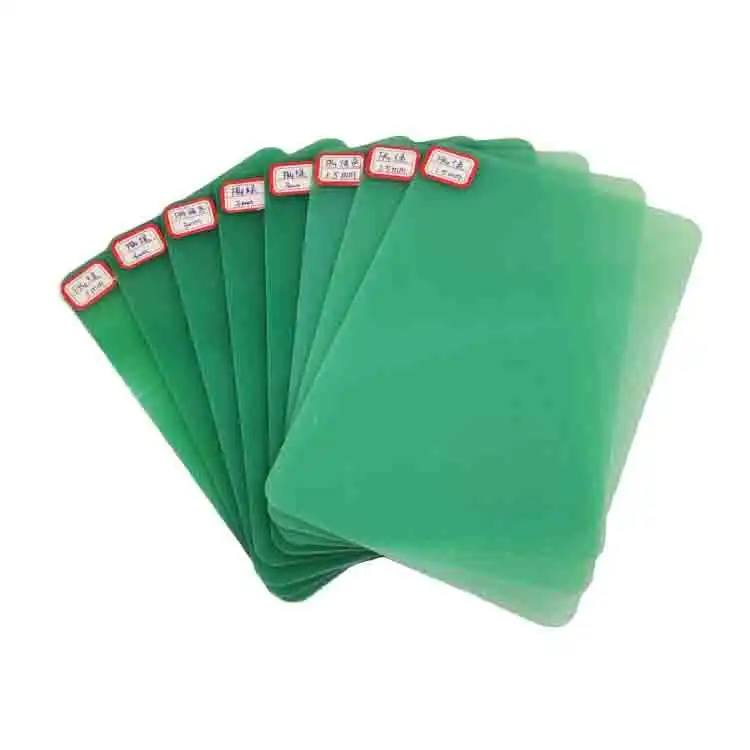
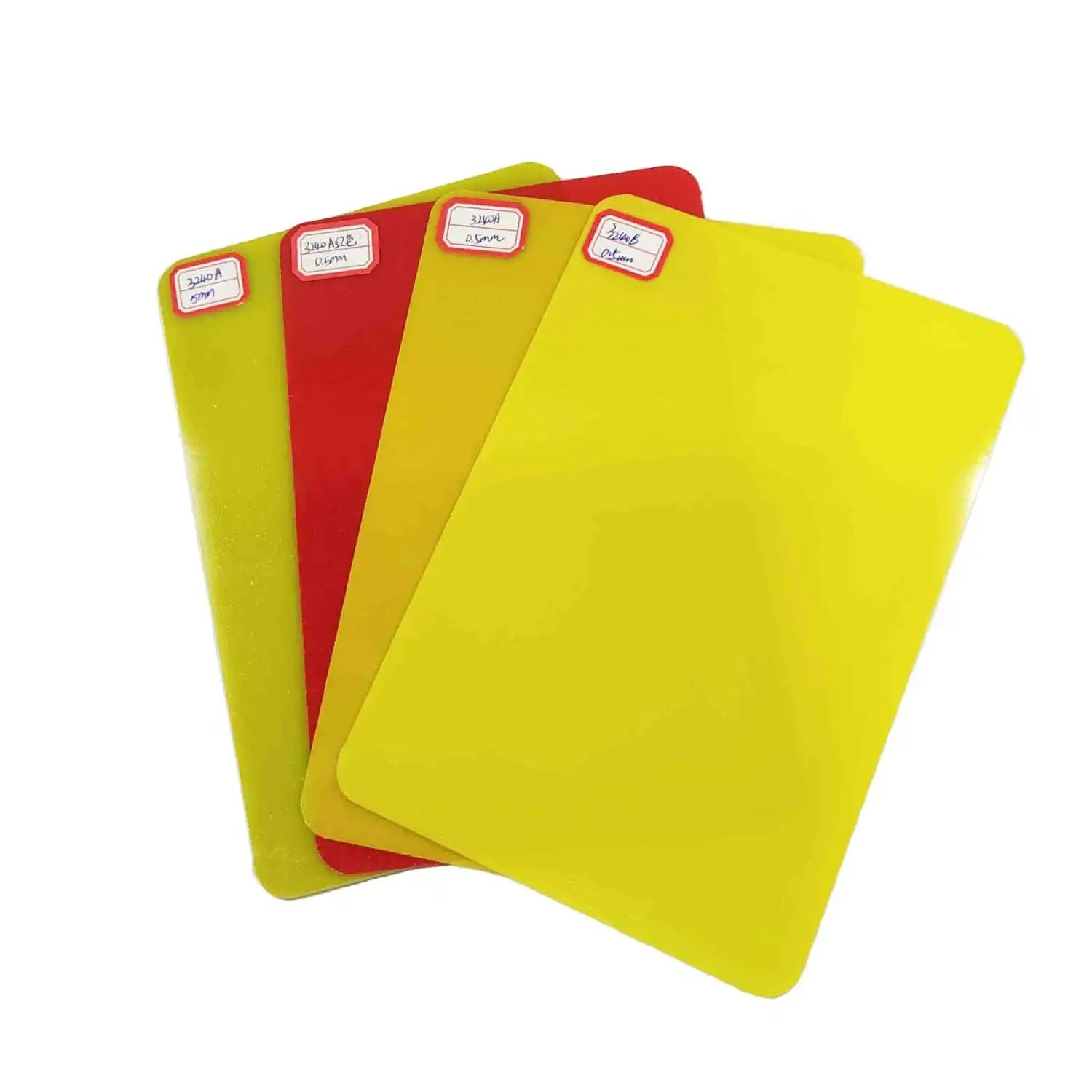
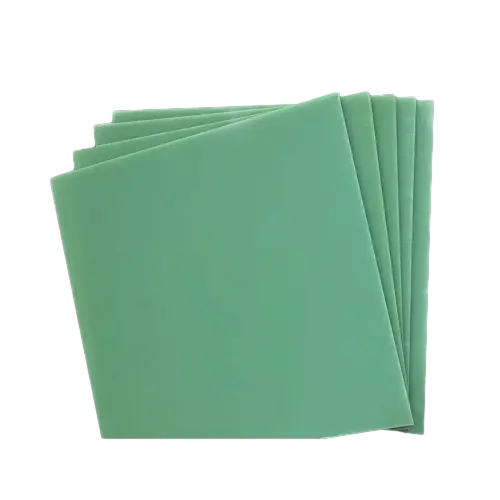
When engineering managers look for Garolite G10 epoxy fiberglass sheet, they should make sure that it meets UL94 V-0 flame rates, RoHS rules, and ISO 9001 quality standards. Standard widths run from 0.5mm to 50mm, and sheets are usually 1000mm × 2000mm in size. For accurate uses, manufacturers usually keep thickness limits within ±0.1mm. Color changes, from natural yellow-green to black, show different resin formulations or glass weave patterns, but they don't have a big effect on how well the material works mechanically.
In-Depth Analysis of G10 Fiberglass Sheet Mechanical Performance
Tensile and Flexural Strength in Real Applications
Manufacturers of electronics depend on G10's tensile strength for PCB support structures and equipment parts that have to handle repeated mechanical stress. The high flexural stiffness of the material keeps motor housings and transformer frames from twisting, which is important because precise measurements directly affect how well the electricity works. Test results show that G10 keeps more than 85% of its strength at 130°C, which is better than standard phenolic laminates. This thermal retention is very important for companies that make appliances that produce heat and need stable insulator frames.
Heat Resistance and Thermal Stability Analysis
G10 fiberglass sheets can withstand constant temperatures of 130°C and can handle short-term exposures up to 140°C without losing their structural integrity. When these limits are crossed, epoxy glue starts to soften, which lowers its mechanical qualities. Power engineers should know that G10 works great in normal electricity settings, but if the temperature needs to stay above 140°C, they should use G11 or G7 materials, which have higher-temperature resin systems. The material has low thermal expansion coefficients, which means that its size doesn't change much when the temperature changes, which is important for making precise electrical circuits.
Comparing Performance Against FR4 and Epoxy Alternatives
G10 fiberglass plate is mostly different from FR4 because it is made of pure epoxy resins instead of brominated flame retardants. This gives G10 a slightly higher tensile strength and lower moisture absorption rates (usually 0.1% vs. 0.15% for FR4). Because of this, G10 is better for naval uses and outdoor electrical covers. When compared to phenolic cotton laminates, G10 has three times more flexural strength and better chemical protection. This makes up for the higher cost of the material because it lasts longer in harsh industrial settings.
Chemical and Moisture Resistance Characteristics
You can use mineral oils, hydraulic fluids, and most chemical solvents that are used in machinery without any problems with G10. The material can be exposed to industrial cleaning agents over and over again without losing its shape or surface. The thick epoxy matrix that stops water from penetrating gives G10 its moisture resistance properties. Electrical insulation qualities are maintained in properly sealed G10 parts even in humid switchgear setups. This chemical stability cuts down on the number of times that power distribution equipment needs to be serviced, which saves money over the long term and covers the cost of the materials themselves.
Thickness Selection Guide for Engineers
Material width has a direct effect on how it behaves mechanically and how well it works in certain situations. Sheets with a thickness between 0.5mm and 3mm can be used as electrical insulation barriers and battery pack separators because they have a high dielectric strength per unit thickness. Thicknesses between 6mm and 12mm are a good compromise between strength and ease of machining. They are used for structural insulation in industrial gears and wear-resistant parts. Heavy-gauge sheets that are thicker than 20mm can hold the most weight for high-stress mechanical spacers and structural supports, but they take longer to CNC machine. Instead of over-engineering, procurement managers should match thickness requirements to real load needs. This will improve both performance and material prices.
Comparing G10 Fiberglass Sheet with Alternative Materials
G10 versus FR4: Mechanical and Electrical Distinctions
Both materials come from the glass-epoxy laminate family, but they are used in different ways because of their unique properties. Because it meets tougher fire safety standards and has flame-retardant additives, FR4 is required for electrical systems in buildings and in consumer gadgets. G10 fiberglass board has slightly better tensile strength and works better in cryogenic temperatures because it has less interior stress from thermal cycles. A cost study shows that FR4 is usually 10-15% cheaper in standard grades, but G10 is a better deal for utility uses because it lasts longer in outdoor power equipment because it doesn't absorb as much water.
Durability Comparison with FRP and Carbon Fiber
Fiberglass-reinforced plastics made with polyester resins are cheaper than G10, but they don't have the same electrical or mechanical qualities. FRP absorbs more water and changes sizes more when it is loaded and unloaded, which is not good for accurate machinery uses. Carbon fiber materials are stronger than G10 when it comes to weight, but they carry electricity, so they can't be used as insulation. The best middle ground for companies that make electrical equipment is G10. It has reliable insulation and good structural stability, so it works reliably in a wide range of environmental circumstances.
Procurement Best Practices for G10 Fiberglass Sheet
Selecting Qualified Suppliers and Manufacturers
Finding trusted G10 fiberglass sheet suppliers means checking a lot of different things. Certified quality management systems, like ISO 9001 and IATF 16949 for car uses, show that process controls have been set up. Check out the customization options, such as CNC cutting, custom thickness production, and color matching for needs specific to your brand. Lead time transparency tells you which makers are quick and which ones can't make enough. Standard sheets should ship within 7–10 business days, while custom orders usually take 3–4 weeks. Minimum order amounts vary a lot, but well-known makers can usually handle smaller test orders for new uses.
Working with manufacturers who have a lot of knowledge in the field guarantees expert help when choosing materials. Suppliers who give compliance documents, such as UL certifications, RoHS attestations, and material test results, make it easier for controlled businesses to get approvals. Being close to shipping ports lowers the cost of foreign operations, but you should never skimp on material quality to save money on freight.
Pricing Structures and Volume Optimization
The price of G10 depends on the cost of raw materials, how hard it is to make, and how many orders are placed. Standard-thickness sheets in popular sizes have the most reasonable prices because they are easier to make. Costs per unit go up by 20–40% when you need custom sizes, colors, or exact tolerances. Volume discounts become important for sales over 500kg, and for bigger amounts, you can get prices directly from the maker. Procurement teams should make predictions about how much will be used each year so that they can buy in bulk and keep stocking costs in check while also negotiating lower unit prices.
Streamlining the Ordering Process
Communication of thorough specifications is the first step in effective buying. Tell providers exactly what thickness you need, what amount you need, and when you need it delivered. During the quote process, ask for material certifications and test data sheets to avoid delays during quality checks. When sending goods internationally, it's important to use the right packaging to keep the edges from getting damaged, make sure the paperwork for customs is correct, and make sure that high-value orders have freight insurance. Setting up vendor-managed inventory plans with reputable makers lowers the administrative work of buying things and makes sure that materials are available on time for production.
Practical Applications and Case Studies Demonstrating G10 Sheet Benefits
Electronics and Power Distribution Applications
Manufacturers of electrical equipment use G10 to support PCBs in high-voltage switchgear. The dielectric strength of the material stops arcing while holding heavy bus bar systems. When a transformer maker switched from phenolic to G10 for coil insulation barriers, repair times dropped by 40% because G10 was better at keeping electrical properties in outdoor substations dry. The material can be precisely machined to make complicated motor parts, which saves time for device makers when putting them together.
Industrial Machinery Success Stories
A company that makes machinery for making industrial gears switched from bronze bushings to custom-machined G10 parts, which gave the same level of wear resistance while lowering the weight by 60%. The change made building easier and cut down on the energy needed for spinning mass. In a different example, structural insulation gaps were used in heavy-load presses. G10's compressive strength stopped the plastic warping problems that were common with lower-quality laminates, which added three years to the useful life of the equipment.
Automotive and Transportation Deployments
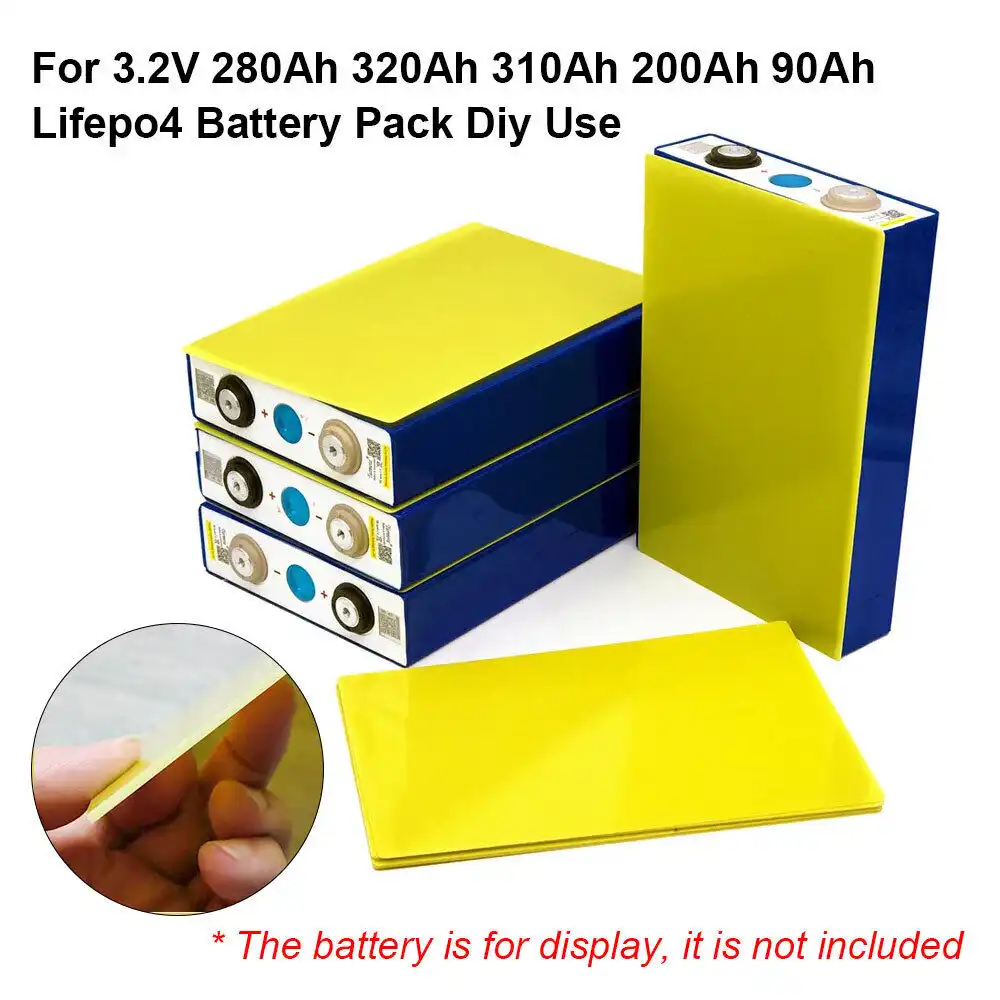
G10 is being asked for more and more by makers of automotive parts as an insulation barrier for electric car battery packs. The material is thermally stable and has a high dielectric strength, which are important safety features during thermal runaway events. It also doesn't absorb much water, so it works well in a wide range of climates. Working together with a skilled G10 manufacturer, a tier-1 supplier was able to meet the zero-defect standards of the car industry for 50,000 units while maintaining uniform batch quality.
Cost Efficiency in Harsh Environments
In corrosive environments, chemical processing plants switched from stainless steel mounting clamps to G10 replacements. This got rid of rust-related problems and cut the weight of the parts by 75%. The chemical stability of the material meant that the surface didn't wear down for five years, while treated metals need to be replaced every year. The use of this application shows how G10's higher original cost can be explained by its longer life and lower maintenance requirements.
Conclusion
G10 fiberglass sheet proves to be a designed answer that meets both the needs for electrical insulation and solid mechanical needs. Tensile strength, temperature stability, and chemical resistance are all strong points of the material that make it useful in electronics, power distribution, cars, and factories. Partnering with makers who can show quality certifications, customization options, and reliable delivery performance is key to successful buying. Knowing the differences in mechanical properties between materials like FR4 lets you choose the best one for performance and cost over its lifetime. The recorded case studies show that G10 is a good choice for demanding situations where material failure could have major safety and practical effects.
FAQ
What mechanical properties make G10 fiberglass sheet suitable for industrial applications?
G10 has a tensile strength of 310 to 415 MPa, a bending strength of up to 480 MPa, and a compression strength of more than 340 MPa. Along with these qualities, it has great electrical strength, very little moisture absorption (usually less than 0.1%), and can work continuously at temperatures up to 130°C. The material stays the same size even when heated and cooled many times, doesn't react with most industrial chemicals, and can be carefully machined with CNC tools. These qualities make it perfect for use as electrical insulation, structural parts, and parts that don't wear out easily.
How does G10 compare to FR4 in heat resistance?
Both materials work consistently up to 130°C continuous temperatures, but G10's pure epoxy version without flame retardants is a little more stable when temperatures change. If you need to keep temperatures above 140°C for a long time, you should look at G11 or G7 alternatives with higher-temperature resin systems instead of normal G10 epoxy, which starts to soften above these temperatures and loses its mechanical qualities.
What factors should I consider when ordering custom G10 sheets?
Check that the thickness standards are right for the job—usually ±0.1mm for precision work—and make sure they are. Check the wait time for custom sizes; it's usually between 3 and 4 weeks, but it depends on how busy the maker is. Check to see if the seller has the right certifications for your business. For example, UL listings are good for electrical uses, RoHS compliance is good for electronics, and ISO quality systems are good for cars. Talk about the minimum order numbers and ask for material test reports during the quote stages to make sure the specifications are met before committing to production.
Partner with J&Q for Premium G10 Fiberglass Sheet Solutions
Over twenty years of experience making high-performance G10 fiberglass sheets for tough industrial uses has made J&Q a leader in the field. Our engineering team can help you match the right material standards with your exact mechanical and electrical needs, whether you need them for PCB support structures, power distribution insulation, or auto parts. As a well-known company that makes G10 fiberglass sheets, we keep all the quality certifications we need, like ISO 9001 and RoHS compliance, to make sure our products meet the highest standards in the business.
Our ability to combine production and transportation gives B2B buying teams a competitive edge. We can cut down on the time it takes to make your products by offering unique sizes, tight standards for thickness, and CNC machining services. Our specialized logistics network makes foreign shipping easy and gives you full visibility into the supply chain. Email our expert sales team at info@jhd-material.com to get thorough quotes and information about the materials we offer. We can handle both small orders for prototypes and large orders for mass production. Our quick response time and steady quality help us build long-lasting relationships. You can look at our full selection of insulation materials at jhd-material.com and trust the quality that comes from years of making experience.
References
National Electrical Manufacturers Association. "NEMA LI 1-1998: Industrial Laminating Thermosetting Products." Standards Publication, 1998.
Mallick, P.K. "Fiber-Reinforced Composites: Materials, Manufacturing, and Design." CRC Press, 2007.
Harper, Charles A. "Handbook of Plastics, Elastomers, and Composites." McGraw-Hill Education, 2002.
Lubin, George. "Handbook of Composite Materials." Van Nostrand Reinhold Company, 1982.
Chawla, Krishan K. "Composite Materials: Science and Engineering." Springer-Verlag, 2012.
Peters, S.T. "Handbook of Composites: Materials, Processing, and Applications." Chapman and Hall, 1998.