Epoxy Resin Sheet for Renewable Energy Equipment
2026-05-29 17:17:55
In the fast growing field of green energy today, choosing the right insulating material is crucial for making sure that equipment works well and reliably. For solar inverters, wind turbine control systems, and battery management infrastructure, an epoxy resin sheet is essential because it pairs excellent electrical protection with mechanical strength. These glass fiber-reinforced laminates can withstand stress from the surroundings and keep their exact dimensions even when the temperature changes. More and more, engineers and purchasing managers are relying on these flexible materials to meet strict performance standards and meet cost-effective manufacturing goals in power generation uses.
Understanding Epoxy Resin Sheets and Their Role in Renewable Energy Equipment
What Defines an Epoxy Resin Sheet?
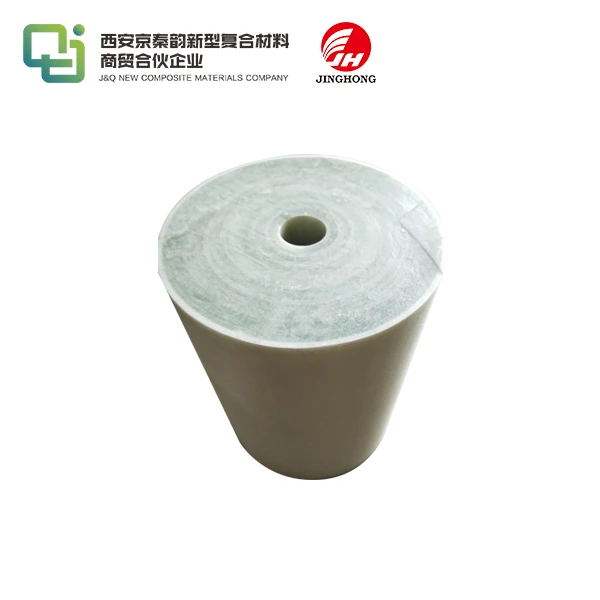
Epoxy resin sheets are made of woven glass cloth that has been mixed with epoxy resin and hardened under high heat and pressure. The strength-to-weight ratio of this composite structure is very high, and it also has great electrical insulation qualities. The dielectric strength of the material is higher than 10 KV/mm, which makes high-voltage green energy devices safe. Its chemical makeup keeps it from absorbing water and breaking down in the environment, which is important when equipment is left outside for decades. The most well-known types are FR4 for flame-retardant uses and 3240 for Class F thermal insulation systems. Both meet international safety standards such as UL94 and RoHS compliance.
Why Renewable Energy Equipment Requires Specialized Insulation?
Different from regular electricity tools, renewable energy systems have their own problems that need to be solved. Solar panel junction boxes can handle temperature changes of -40°C to +85°C, and wind turbine control cabinets can handle vibrations, humidity, and salt spray. Materials that keep high-current battery cells separate and stop heat runaway are needed for energy storage systems. When these pressures are added together, traditional insulation materials like phenolic boards or pressed wood often break. These needs are met by glass fiber-reinforced epoxy resin sheets, which don't rust and keep their shape at different temperatures. They also work reliably over time. Because they can be made in a lot of different ways, precise CNC cutting can be used to make mounting brackets and unique barrier designs.
Common Applications in Green Energy Systems
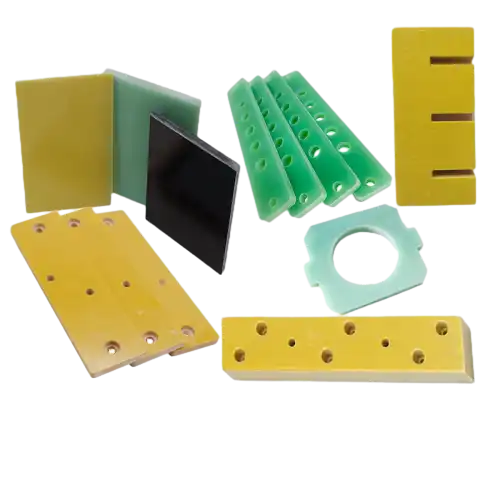
Epoxy resin sheets are used as mounting plates for power transfer units and as arc barriers in high-voltage disconnect switches inside the nacelles of wind turbines. Power electronics PCBs that handle kilowatt-level current flows are made with FR4 surfaces by companies that make solar inverters. 3240 epoxy resin sheets are used as thermal shields and cell-spacing insulators in battery energy storage systems to keep breakdowns from spreading from module to module. These epoxy resin sheets are used as slot wedges and stator insulators in hydroelectric generators, where they need to be strong mechanically and have good dielectric qualities. Because the material doesn't react with transformer oils or chemical solvents, it can be used on equipment for making green hydrogen, where electrolyzers need long-lasting insulation in harsh settings.
Key Performance Dimensions and Material Comparisons for Optimal Selection
Mechanical Strength and Thickness Considerations
The usefulness of an application is directly affected by the link between sheet thickness and mechanical performance. Standard widths range from 0.5 mm for small, light devices to 50 mm for supports in buildings. A 3 mm FR4 sheet has a tensile strength of about 400 MPa, which is good for PCB bases. On the other hand, 10 mm 3240 boards can hold the weight of transformer parts. When engineers build fixing systems, they have to weigh the limitations on weight against the needs of the structure. For precision uses, thickness tolerances usually stay within ±0.05 mm. This makes sure that the parts fit correctly during automatic assembly processes. With a specific gravity of about 1.85 g/cm³, these composites are lighter than metal options while still being as rigid. This makes the tools in mobile renewable setups lighter overall.
Material Performance Comparison
When you compare insulating materials for use with green energy, you can see that they work differently in a number of ways. Epoxy resin sheets are better at resisting moisture and keeping their shape than standard plywood or fiberboard, which is important for outdoor applications. Compared to acrylic sheets, they can withstand temps up to 155°C continuously, while acrylic can only handle temperatures up to 70°C. Polycarbonate is better at withstanding impacts, but it isn't as good as epoxy resin sheets at insulating against electricity or chemically resisting oils and coolants. When metal options would rust, glass-reinforced composites keep their shape. This is especially true in seaside wind farms or marine tidal energy systems. The trade-off is higher material costs that are balanced by longer service lives and less frequent upkeep, which results in lower total ownership costs over 20-year operating lifespans.
Durability and Maintenance Best Practices
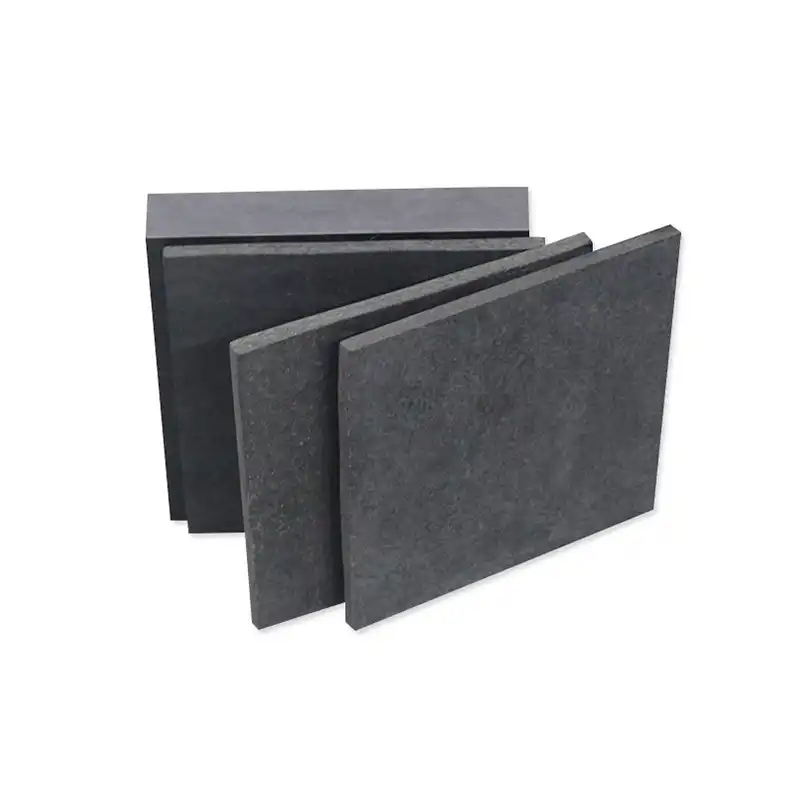
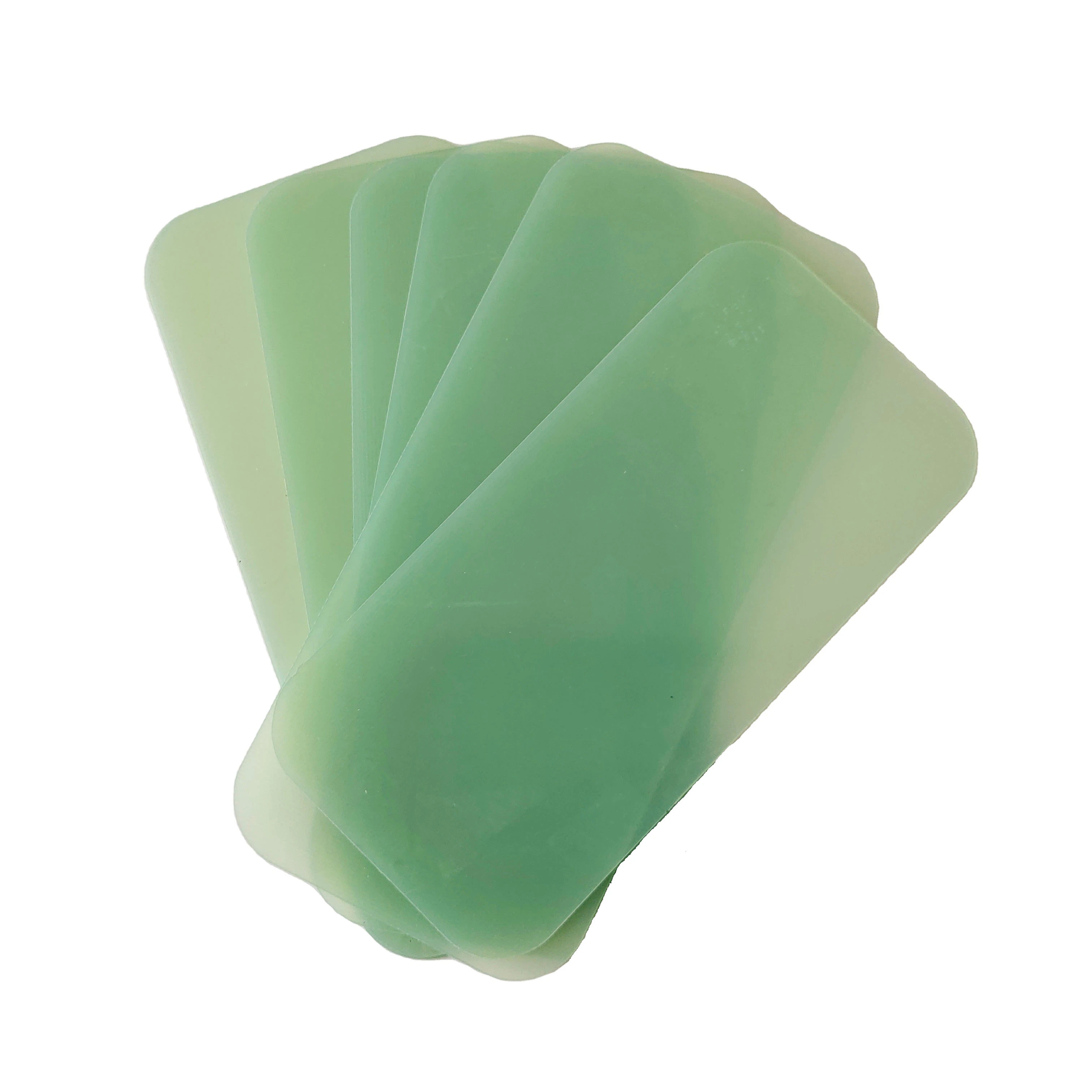
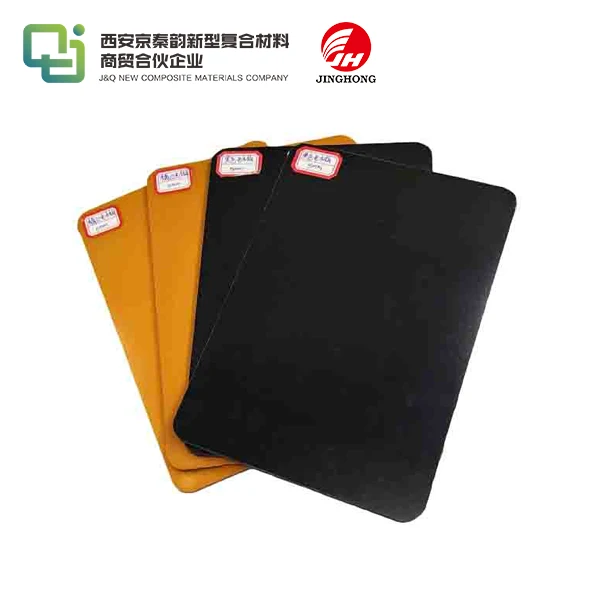
When you choose the right materials, you can keep your tools in better shape for longer and avoid unnecessary downtime. The usual flame retardant formula for natural FR4 is yellowish-green, while black versions have carbon added to them to protect sensitive equipment from electrostatic discharge. Color rarely shows differences in quality between well-known makers. Chemical etching or corona discharge can be used to treat the surface to make adhesive contact between layered parts better. Regular inspections look for edge delamination and surface tracking under high voltage. Both of these problems can be avoided by making sure there are enough design gaps. Conditions of storage are very important. To keep materials from losing their insulating qualities, they should stay in humidity-controlled areas below 60% RH. For quality results, procurement teams must let manufacturing partners know that machining creates rough glass dust that needs carbide tools and good air.
How to Select the Best Epoxy Resin Sheet for Renewable Energy Equipment?
Core Evaluation Metrics for Material Selection
To choose the right insulation epoxy resin sheets, you need to carefully look at their performance in four different areas. Tensile strength, flexural stiffness, and impact resistance are some of the mechanical characteristics that match the qualities of a material to its load conditions. The thermal factors include the constant working temperature, the glass transition temperature (Tg), and the thermal expansion rates that keep the material from warping when it is heated and cooled. When it comes to electrical properties, the dielectric strength, surface resistivity, and tracking resistance under polluted conditions are the most important ones. Environmental factors check how much water it absorbs, whether it reacts well with coolants or seals, and how well it stands up to UV damage for works that will be exposed to the sun. High-Tg FR4 grades with a temperature rating of 170°C work well for multi-layer power electronics boards in solar inverters. Standard grades with a temperature rating of 130°C are fine for general structure uses. When engineering teams understand these connections, they don't have to define too many expensive grades when basic materials will do.
Application-Specific Material Matching
Different uses for green energy call for materials with specific properties. Solar panel makers make sure that junction box insulators that are in full sunlight are resistant to UV light and don't change temperature a lot. Builders of wind turbines need control cabinet parts that are constantly oscillating to have high mechanical strength and sound dampening. Flame-retardant types that meet UL94 V-0 standards are sought after by people who build battery systems to control any possible thermal events. Offshore systems need to be able to handle more wetness and salt spray than what is normally required. The 3240 epoxy resin sheet works great in transformers because it works better in shielding oils than FR4, keeping the dielectric stability where FR4 would break down. For example, engineers should ask for material data sheets that show how well the material performs in the relevant environmental test standards, such as IEC 60216 for thermal endurance, IPC-4101 for laminate specs, and ASTM D257 for insulation resistance proof.
Customization and Volume Procurement Benefits
For renewable energy projects, the amount of work that needs to be done often requires unique material options. For heat-dissipating uses, manufacturers can change the resin formulations to make them more thermally conductive, or they can change the glass weave designs to get certain mechanical qualities. Custom widths between standard sizes get rid of the need for extra steps of cutting, which lowers the cost of making the product. Pre-cut blanks to nearly net forms cut down on waste while speeding up the building process. Volume agreements allow for negotiated price models that have a big effect on the economics of the project. For example, direct manufacturer ties are necessary for large orders for utility-scale solar farms or wind installations. Before making big purchases, engineering teams can use sample review tools to make sure that materials work well in real-world situations. Setting up favorite supplier deals makes sure that the quality of the materials is the same across all production batches, which is very important when equipment has to pass strict licensing tests. Payment terms and delivery times are now things that can be negotiated in order to match the supply of materials with the timelines for making.
Procurement Strategies and Supplier Insights for Efficient Ordering
Identifying Reliable Sourcing Channels
When buying specialized epoxy resin sheets from businesses to businesses, sellers must be checked against certain factors of their abilities. Manufacturers who have been checked out should show that they have ISO 9001 quality management systems and any other relevant industry certifications, such as UL recognition for electrical parts. Online sites help you find suppliers at first, but working directly with manufacturers gives you better technical support and more customization options. Trade groups like the National Electrical Manufacturers Association (NEMA) keep lists of companies that make approved materials. By asking for third-party test results, you can be sure that the stated specifications are accurate. Reliable suppliers are happy to provide proof from independent labs. Audits of manufacturing facilities take a lot of time and money, but they show how much can be made and how quality control is done, which are signs of a long-term relationship that will work. Regional factors affect wait times and logistics costs, weighing the reliability of local sources against the cost-effectiveness of foreign choices.
Wholesale Advantages and Negotiation Strategies
Large-scale green energy projects can save a lot of money on purchases by using smart buying methods. When you combine orders for several types of equipment, the cost per unit goes down, and it's easier to coordinate operations. Annual blanket purchase orders get you better prices and let you keep your goods flexible until the dates they're supposed to be released. Customizing the packaging, like using moisture-barrier wrapping or project-specific labels, makes it easier to receive and move materials. For big orders, payment models could include "deposit and balance" plans, which make managing cash flow easier during long production cycles. Technical support agreements make sure that engineers can get help quickly during the planning phase and when problems happen in production. Logistics partnerships are useful when providers schedule shipments to match project deadlines, making sure that materials get to factories exactly when they are needed. International shipping costs can be cut by optimizing container loads, especially when mixing parts for full equipment builds. Sample approval methods set quality standards before full production starts, which keeps things from going off track with the specs.
International Transaction Considerations
Cross-border purchasing adds complications that need close attention to keep the flow of materials easy. For manufactured-to-order products, lead times can be anywhere from 6 to 12 weeks. This means that accurate demand forecasting is needed to make sure that production plans are met. When choosing a shipping method, you have to weigh cost against haste. Sea freight is good for planned orders, while air shipment is better for urgent needs. By laying out where insurance and duties are responsible transferred, Incoterms clearly keeps costs from being a surprise. To avoid delays in clearance, customs paperwork must correctly list goods' Harmonized Tariff System numbers so that they can be sent out. Changes in the value of the dollar affect the stability of prices, which is why forward contracts are sometimes needed for big sales. Protocols for quality review could include third-party services checking specs before materials leave the origin facility before they are shipped. Setting up backup suppliers reduces disruptions in the supply chain and ensures that materials are always available, even when global unrest or natural disasters affect production areas.
Future Trends and Innovations in Epoxy Resin Sheets within Renewable Energy
Eco-Friendly Formulation Developments
Material innovation is moving toward sustainable resin systems that have less of an effect on the environment over the span of a product. Bio-based epoxy resin sheets made from plant oils or recovered carbon sources keep their performance while leaving smaller carbon footprints. Low-VOC formulas stop the release of harmful air pollutants during production, which makes the workplace safer and helps companies follow the rules. Through recycling programs, glass strands from old epoxy resin sheets are now taken back and used in the production of new composites. These improvements are in line with the sustainability goal of renewable energy and make it possible for equipment makers to sell truly green goods. Biodegradable epoxy resin systems are still in the early stages of research, but they hold the promise of a circular economy where insulation materials break down after their useful life without leaving any environmental damage behind. Environmental product statements and lifecycle assessments are being taken into account more and more in procurement choices, along with standard technical specs. This is because the market wants responsible manufacturing practices.
Advanced Performance Enhancements
New discoveries in material science keep making epoxy resin sheets more useful so that they can meet the growing demand for green energy. Nanoparticle additives make it easier for heat to move through power devices while keeping their electrical insulation qualities. Strength-to-weight ratios for aerospace-inspired wind turbine parts are best achieved by using hybrid support designs that combine glass and carbon fibers. Better fire retardant systems get V-0 scores without using halogenated chemicals, which addresses environmental worries about brominated additives. For concentrated solar thermal uses, formulations that can handle high temperatures push the constant working limits above 200°C. Surface treatments that make moisture shields better increase the life of outdoor projects in humid tropical areas. These improvements in technology make it possible to build next-generation equipment that wasn't possible before. For example, ultra-compact inverters or high-voltage battery systems with smaller safety gaps are now possible. By keeping up with new developments in materials, buying teams can choose cutting-edge options that give them a competitive edge.
Digital Manufacturing Integration
Industry 4.0 technologies are changing how epoxy resin sheets are bought, made, and sent to production lines that make green energy. Online configurators have easy-to-use interfaces that let engineers enter accurate measurements, amounts, and delivery dates. The configurators then generate quotes instantly. Before making a real prototype, digital twins simulate how the material will work in the suggested working conditions. This lowers the cost of development. For complicated shapes, tolerances of only a few microns are possible with precision CNC cutting led by 3D CAD files. Rapid development services make small batches quickly so that designs can be tested within days instead of weeks. Blockchain-enabled supply chain openness lets you track shipments and check certifications in real time. Automated inventory management systems connect seller platforms to customers' ERP systems and place orders for more supplies based on how much is used. These digital tools shorten the time it takes to buy things and make them more accurate at the same time. They are especially useful when handling materials across various manufacturing sites around the world. Strategic relationships with suppliers depend more and more on technologies that make it easy to share information and adapt quickly to changing project needs.
Conclusion
Epoxy resin sheets are an important technology that makes it possible for green energy tools to work reliably in harsh environments. Because they are electrically insulating, strong, and durable in harsh environments, they can be used in situations where other materials can't. To choose the right material, you need to know what the performance needs of the product are and match them with the right grades, such as FR4 or 3240 formulas. Total ownership costs are kept as low as possible over the lifecycle of an item by using procurement strategies that focus on partnerships with suppliers, volume negotiations, and logistics coordination. New developments in environmentally friendly ingredients and digital production look like they will keep making things work better, which will help green energy play a bigger part in the world's power grids. Engineering teams that keep up with changes in materials and build trusting relationships with suppliers give their companies a competitive edge in this quickly growing field.
FAQ
What thickness works best for solar inverter insulation components?
For PCB substrates and attaching frames, solar inverter uses usually need FR4 sheets that are 1.5 mm to 3 mm thick. This range offers enough mechanical support for power circuits while keeping enclosures small. When sound dampening is important, solid mounting plates made of thicker materials up to 6 mm work well.
How does UV resistance compare between epoxy sheets and polycarbonate?
Standard epoxy resin sheets break down moderately when left outside for a long time, causing the surface to chalk and turn a little yellow. Polycarbonate is naturally more resistant to UV light, but it needs to be coated on the outside to stay clear over time. In most green energy uses, epoxy's better electrical qualities and thermal protection are more important than UV factors for structural insulation that doesn't need to be clear.
Can manufacturers provide custom colors and non-standard sizes?
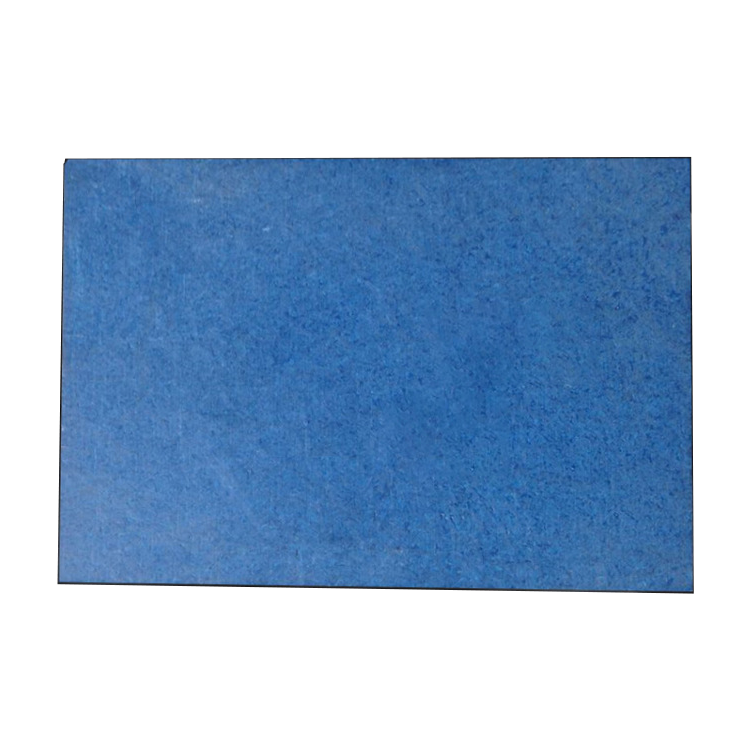
Reliable providers can meet unique color needs by adding pigments, and they usually make black, white, or blue versions of natural tones. Customizing the size depends on the powers of the production tools. Most makers can cut sheets from normal stock up to 1000 mm x 2000 mm, but some offer larger formats. For custom thickness needs, minimum order numbers may be needed to make unique production runs possible.
Partner with J&Q for Your Renewable Energy Insulation Needs
Choosing the right epoxy resin sheet provider affects how well your green energy equipment works and how well your project turns out. J&Q has been making things for more than 20 years and has been trading with other countries for ten years, so they can give you exactly what your technical specs call for. Our integrated logistics skills allow us to offer a smooth one-stop service from the original conversation to the final delivery. Our expert team is here to help you with your design choices, whether you need FR4 substrates for solar inverters or 3240 boards for wind turbine systems. Email us at info@jhd-material.com right now to get samples, talk about customization options, or get detailed quotes from a reliable epoxy resin sheet maker that cares about your goals for green energy.
References
Chapman, R. (2021). Composite Materials in Renewable Energy Systems: Engineering Properties and Applications. Technical Publishing International.
Liu, H. & Anderson, M. (2020). "Dielectric Performance of Glass-Reinforced Epoxy Laminates in High-Voltage Renewable Energy Equipment." Journal of Electrical Insulation Materials, 45(3), 287-304.
National Electrical Manufacturers Association. (2022). NEMA LI 1-2022: Industrial Laminated Thermosetting Products. NEMA Standards Publication.
Patel, S. (2023). "Material Selection Criteria for Next-Generation Solar Inverter Components." Renewable Energy Engineering Quarterly, 18(2), 112-129.
Thompson, K. & Zhang, Y. (2021). Sustainable Composites for Energy Infrastructure: Environmental and Performance Considerations. Green Materials Press.
Williams, D. (2022). "Thermal Management Solutions in Battery Energy Storage Systems Using Advanced Insulating Laminates." Energy Storage Technology Review, 7(4), 456-473.