
3240 Epoxy Sheets: Comprehensive Product Knowledge
2026-04-27 17:07:09
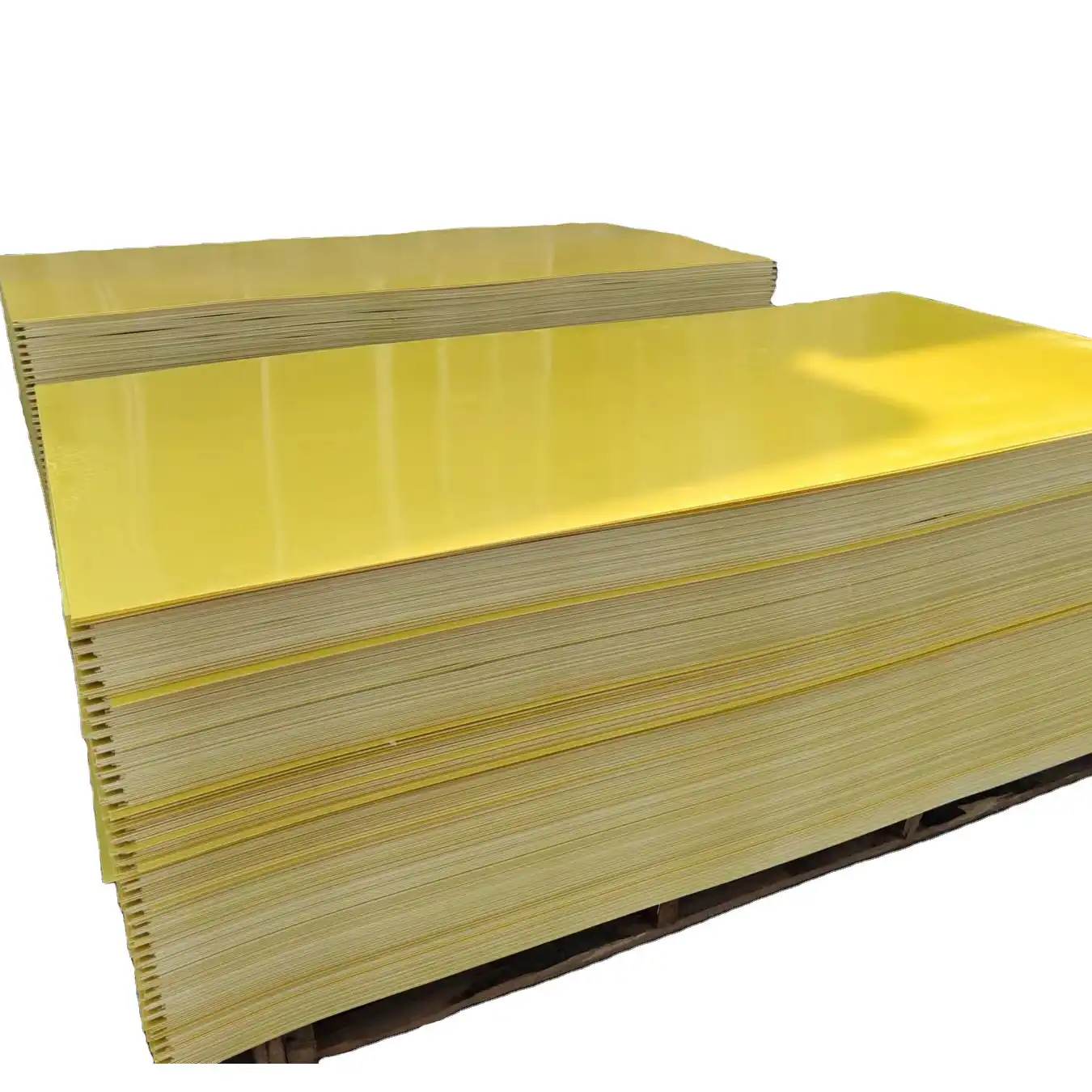
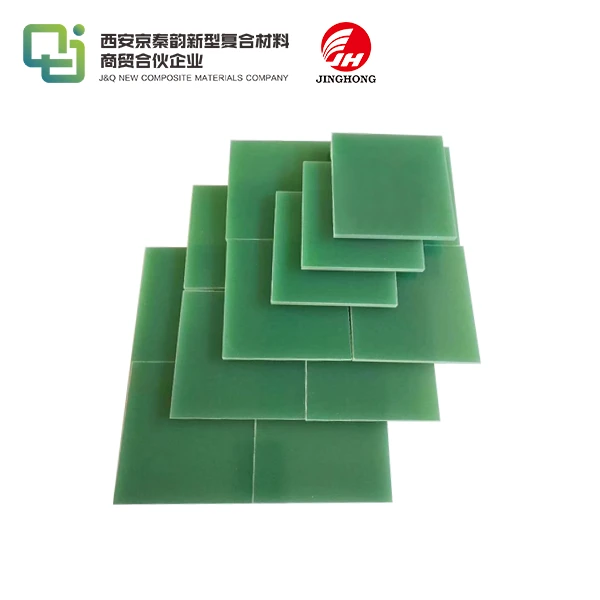
When purchasing and engineering managers look for reliable materials to insulate electrical equipment, they come across the 3240 epoxy sheet as a tried-and-true industry option. Alkali-free knitted glass cloth and epoxy phenolic glue were mixed at high temperatures and pressures to make this high-performance material. This material is classified according to the GB/T 1303.1-1998 standard and meets the requirements of IEC 60893-3-2. It is used in a wide range of electrical equipment, industrial tools, and power distribution systems. In B2B buying settings, making smart choices means knowing the technical details, real benefits, and sourcing strategies.
Understanding 3240 Epoxy Sheets: Properties and Technical Specifications
What these laminates are made of has a direct effect on how well they work in harsh industrial settings. The sheets are made using a precise drying cycle that makes sure all the polymers are fully cured. This gives the sheets the high mechanical coherence and dielectric stability that electrical engineers need.
Material Composition and Manufacturing Excellence
The manufacturing method is made up of two main parts that work together to produce great results. The thermosetting polymer core is made of epoxy resin, which is very strong and stable at high temperatures. The woven glass cloth fibres are held together firmly by this bonding agent, making a hard structure. The alkali-free glass cloth adds structural stability with its high tensile strength and heat protection. This makes the finished laminate last longer. By controlling the temperature and pressure during the hot-pressing process, a uniform material is made that doesn't have any holes or risks of delamination.
Mechanical Performance Characteristics
The strong physical qualities of these laminates are valued by engineering teams. The woven glass pattern makes the material very stiff, so it doesn't stretch or break when put under mechanical stress. The sheets' flexural strength lets them handle big bending forces without breaking, which is very important in situations where they need to be flexible and last a long time. The structure's form makes it very resistant to impacts, absorbing quick mechanical loads that would damage weaker materials. Dimensional stability stays the same in a wide range of weather conditions, such as changes in temperature and humidity that can affect other insulation materials.
Electrical Insulation Properties
In addition to their mechanical properties, these sheets are great for electrical uses because they are better at insulating. Electrical breakdown can't happen when the dielectric strength is high, even when the voltage is high. This protects people and sensitive equipment. The low dielectric constant makes sure that the electrical performance stays stable over long periods of time, and the high volume resistivity keeps the insulation working well in damp places. Because of these qualities, the material is perfect for use in switches, transformers, and circuit board support structures that need to be safe for electricity.
Thermal Resistance and Temperature Stability
The grade of temperature protection goes up to Class B (130°C constant operation), and some formulas can handle Class F (155°C). Because it is thermally stable, the material can keep its mechanical and electrical qualities even when it is very hot outside, which would damage other insulation materials. This heat protection is helpful for the chemical processing businesses when their equipment works near heat sources or in places where the temperature changes quickly.
Practical Applications and Benefits of 3240 Epoxy Sheets
Using 3240 epoxy sheet in the real world across a number of different businesses shows how flexible and reliable they are. People who make decisions like how the material solves specific practical problems and always does a good job.
Electrical and Electronics Manufacturing
A lot of the materials used to make circuit boards are insulators, which protect against electricity and support the structure. These sheets are used as the base for putting together PCBs. They keep the dimensions accurate during the production process and prevent electrical shorts. In switchgear uses, the high dielectric strength is used to make safe walls between high-voltage parts, which lowers the risk of arc flashes. These laminates are used by transformer makers as coil insulation and spark barriers. The heat resistance and electrical insulation qualities of these laminates protect important infrastructure.
Because the material can be cut with a CNC machine, it can be used to make complicated shapes that are needed in modern electronics. For fixing holes, cutouts, and curved forms, engineering teams can set very tight limits that won't affect the insulation's integrity. Compared to ceramics or other hard insulation options, this ability to be machined cuts down on production time and waste.
Industrial Machinery and Equipment Integration
When structural padding, mechanical gaps, and wear-resistant parts are needed, machinery builders use these sheets in their designs. The high strength-to-weight ratio makes it possible to make strong but light parts that don't add extra weight to moving parts. This material is great for making gears and bearing supports that last a long time even under heavy mechanical loads. This means that they don't need to be serviced as often.
OEM buying managers like the accurate thickness standards that make construction easier and make sure that all production runs have the same fit. Because the material is resistant to oils, weak acids, and common industrial solvents, parts stay together in tough working conditions where other materials would break down quickly.
Power and Energy Sector Applications
Power distribution companies have to follow strict safety rules, which these laminates easily do. The flame resistance helps keep electrical covers fire-safe, and the thermal stability makes sure that parts work properly even when they are heated for a long time. Long-term buying experts like approved quality systems that keep track of batches of materials and make sure they meet UL and ROHS standards.
The material is resistant to the environment, which is good for renewable energy uses, especially wind turbine parts. Insulation materials that won't break easily need to be able to handle changes in humidity, temperature, and mechanical stress. These sheets have the durability that lowers lifetime costs in remote sites.
Automotive and Transportation Solutions
In electric cars, battery pack walls need to be made of materials that keep heat out, conduct electricity, and keep the structure strong. These sheets meet all three standards at the same time, which makes construction easier and increases safety. Fixtures that can handle high temperatures stay strong near engines and exhaust systems, even when other materials would bend or break down.
R&D experts working on next-generation car systems like how customisable the systems are because they let them find unique answers to design problems. Precision cutting lets you make shapes with a lot of angles, and stable batch quality makes sure that the quality of production is the same across thousands of units.
Comparative Analysis: Choosing the Right Epoxy Sheet for Your Project
Before making a final choice, B2B buyers often look at more than one insulator material like 3240 epoxy sheet. Knowing how these sheets stack up against other options helps you make the best buying choices based on your performance needs and finances.
Performance Metrics Against Alternative Materials
At the same thickness, these laminates are stronger mechanically and better at insulating electricity than regular fibreglass sheets. Epoxy versions offer better temperature stability and moisture protection than phenolic paper laminates, but they are more expensive. G10 products are made of a similar glass-epoxy mix, but they are usually used in different temperature ranges and under different loads. Even though FR4 sheets are resistant to flames, they are usually used in electronics where the thickness and stiffness requirements are different.
The cost-effectiveness measure compares the original cost of materials to their useful life and the amount of upkeep that needs to be done. Even though these sheets are more expensive than basic phenolic materials, they often have a lower total cost of ownership because they last longer between repairs and fail less often. When engineering managers do lifecycle cost analyses, they often find that the bigger investment up front saves them a lot of money over the life of the equipment.
Quality Certifications and Compliance Standards
Teams in charge of buying things give priority to sellers who can prove they follow foreign standards. UL certification makes sure that products meet safety standards in North America, and ROHS compliance makes sure that no banned drugs are used in production. Production sites that are ISO 9001 approved offer the quality guarantee and tracking that big buyers need to make sure the supply chain is valid.
Testing records for electrical strength, flammability ratings, and measurement tolerances help engineering teams make sure that the specs match the needs of the application. Reliable makers give detailed technical datasheets with mechanical qualities, electrical features, and thermal performance charts for a range of working temperatures.
Sourcing and Purchasing 3240 Epoxy Sheets: A B2B Buyer's Guide
To make buying more efficient, you need to know what your suppliers can do, how you can customise their products, and how logistics affect project timelines and budgets.
Identifying Trusted Manufacturing Partners
The first step in evaluating a supplier for 3240 epoxy sheet is to look at their output and quality control methods. Manufacturers who have their own testing labs and facilities just for epoxy lamination show that they have the technical know-how to make sure that the qualities of their materials stay the same. Working with similar businesses before shows that you know about the unique needs and difficulties of the application.
OEMs can work together on more than just supplying materials. They can also help with design, making prototypes, and supporting mass production. Before committing to production tools, suppliers who offer technical help help optimise the choice of materials and the shape of parts. Using partnerships cuts down on development times and avoids needless, expensive redesigns.
Customization Capabilities and Bulk Purchasing
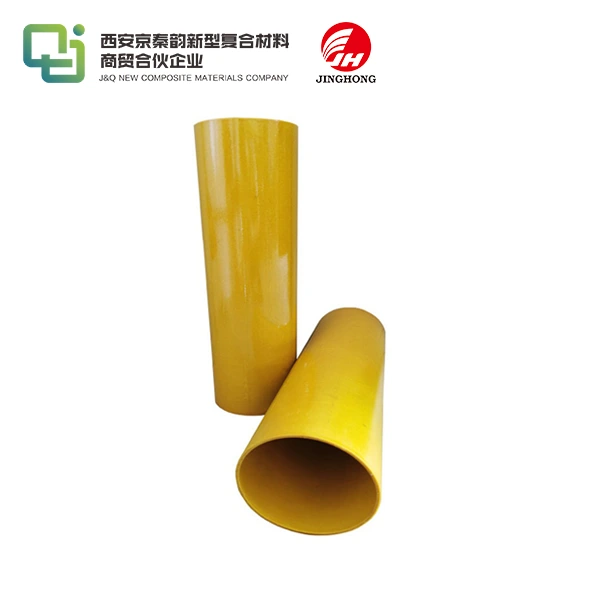
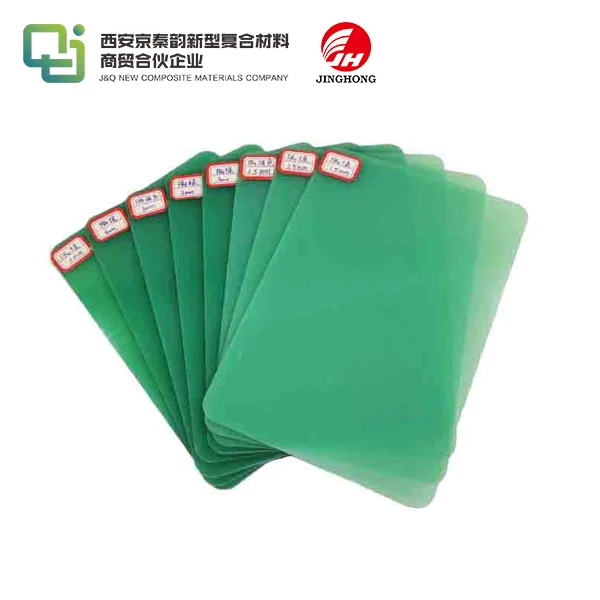
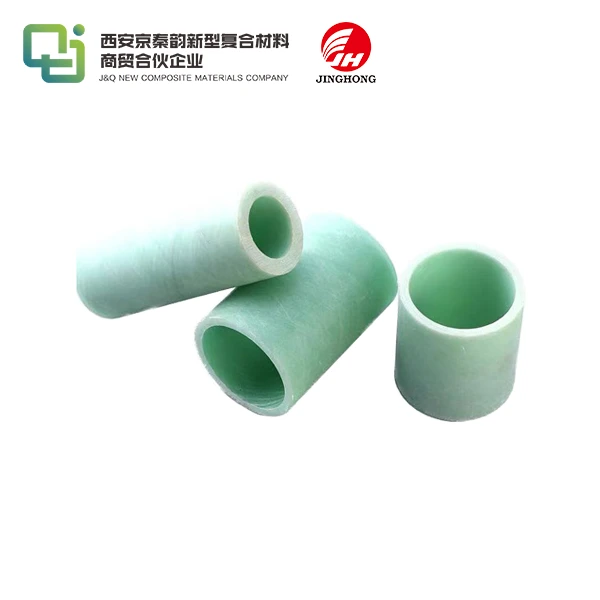
Standard sheets range in thickness from 0.5 mm to 50 mm, but sheets up to 150 mm thick can be made for specific uses. Custom size cuts down on waste and production costs when parts need measurements that aren't standard. Assemblies with different levels of insulation can be easily told apart by their colours, which come in yellow, red, green, and black.
Bulk buying deals usually save money and make sure that materials are available on time for production plans. When producers agree to a certain volume of work, they can plan their production runs more efficiently. This saves money for customers because each unit costs less. Blanket buy orders with planned releases keep the costs of keeping stockpiles in check with the needs for material supply.
Supply Chain Logistics for the American Market
Lead times and landing costs are affected by shipping issues when buying from foreign providers. For big orders, container load optimisation lowers freight costs, and less-than-container exports give you options for smaller needs. Domestic warehouse choices cut down on transport times for regular sales and urgent needs.
Customs paperwork and checks for compliance make sure that imports go smoothly and don't cause delays at the port of entry. Suppliers with a lot of experience give full paperwork, like business bills, packing lists, and certificates of origin, which makes it easier to clear customs. To make a good budget, you need to know the total landing costs, which include freight, taxes, and handling fees.
Conclusion
The 3240 epoxy sheet is still an important part of electrical protection, industrial machinery, and power exchange. It meets important performance needs in many fields thanks to its high mechanical strength, temperature stability, and great insulating qualities. When selecting insulation solutions, engineering managers and procurement specialists can make better decisions if they know about the material's makeup, how it performs, and where to get it. The best material for a project is chosen by comparing options based on their mechanical qualities, electrical protection, and cost-effectiveness. Working with experienced suppliers who offer customisation, quality certifications, and reliable logistics support makes buying things easier and helps your business succeed in the long run.
FAQ
What kinds of thicknesses do 3240 epoxy sheets come in?
Standard output includes widths ranging from 0.5 mm to 50 mm, which are good for most business uses. Specialised manufacturing can make sheets that are up to 150 mm thick to meet specific needs in uses like structure insulation or heavy electrical machines. Custom thickness specs let you match exactly to the design requirements without having to waste a lot of material or do extra cutting.
How well do these sheets work when the temperature is high?
The Class B temperature rating allows for continued use at 130°C, and for better formulas, the Class F rate is reached at 155°C. Temperature changes above these values for short periods of time may be acceptable, based on how long they last and the details of the application. The epoxy glue system stays strong and doesn't conduct electricity throughout the recommended temperature range, while plastics materials break down or soften when heated.
Can providers offer unique sizes and the ability to machine things?
Reliable makers can make products to specific sizes, which cuts down on the time and cost of buying them. CNC cutting lets you do precise drilling, turning, and shaping to make complicated shapes that fit the exact needs of the design. Volume production makes sure that the quality of big sales stays the same, while prototype amounts help with growth projects.
Partner with J&Q for Your 3240 Epoxy Sheet Requirements
J&Q can help you with your buying needs because they have been making insulation materials for more than twenty years. We have ten years of experience in foreign trade and three decades of experience making 3240 epoxy sheet materials. This means that you will get approved goods that meet UL and ROHS compliance standards. Engineering managers like our technical consulting services because they help them choose the best materials and create the best parts before production starts. As a reliable company that makes 3240 epoxy sheets, we keep a large collection and can make any size or thickness you need, up to 150 mm in length or width.
Our combined transportation business handles everything from placing an order to delivering it to your building. This means you don't have to deal with the problems that come with coordinating with multiple providers. Whether you need a few prototypes to make sure the design works or a lot of them to meet your production plan, our team can provide consistent quality and reliable wait times. Email us at info@jhd-material.com to talk about your unique application needs, get detailed datasheets, or set up samples of our materials to test and evaluate.
References
International Electrotechnical Commission. (2019). IEC 60893-3-2: Specifications for Industrial Rigid Laminated Sheets Based on Thermosetting Resins for Electrical Purposes - Part 3-2: Specifications for Individual Materials - Requirements for Rigid Laminated Sheets Based on Epoxy Resins. Geneva: IEC Publications.
National Electrical Manufacturers Association. (2021). NEMA LI 1-1998: Industrial Laminated Thermosetting Products. Rosslyn: NEMA Standards Publication.
Zhang, L., & Chen, W. (2020). Composite Insulation Materials for High-Voltage Applications: Properties, Testing, and Industrial Implementation. Materials Science and Engineering Series.
American Society for Testing and Materials. (2022). ASTM D229-14: Standard Test Methods for Rigid Sheet and Plate Materials Used for Electrical Insulation. West Conshohocken: ASTM International.
Thompson, R. M. (2018). Electrical Insulation Materials: Engineering Guide to Selection, Testing, and Performance Evaluation. Technical Publishing Institute.
Underwriters Laboratories. (2023). UL 746C: Standard for Polymeric Materials - Use in Electrical Equipment Evaluations. Northbrook: UL Standards & Engagement.
.webp)
