
The Ultimate Engineer's Guide to G10 Fiberglass Sheets
2026-04-28 17:12:50
When engineers and purchasing managers look for high-performance insulation materials, G10 fibreglass sheet stands out as the best choice because it has both great mechanical strength and great electrical insulation qualities. This composite material is made by pressing and heating woven glass cloth together with epoxy glue at high temperatures and pressures. It meets NEMA G-10 standards and is used in important ways in the electrical, industrial, automobile, and power generation sectors. Because it is chemically resistant, stable in size, and easy to work with, it is the only material that can be used in difficult engineering settings where electrical safety and structure integrity must not be compromised.
Understanding G10 Fiberglass Sheets: Composition, Properties, and Manufacturing
What Defines G10 Composite Material?
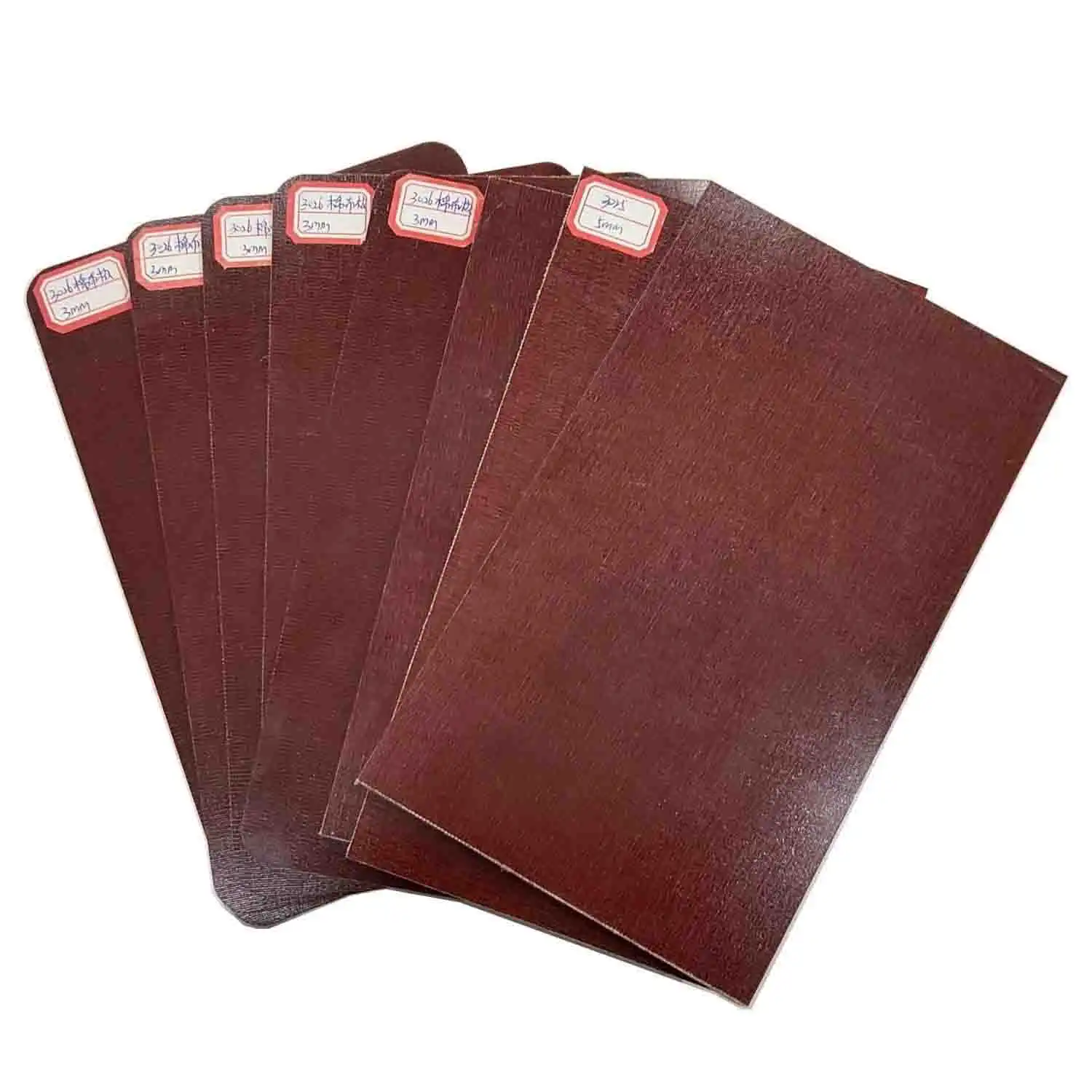
G10 is a special type of epoxy-glass laminate that was made to solve certain problems in the business world. The stuff is made of continuous-woven fibreglass cloth that is mixed with epoxy resin binder. This makes a thermosetting compound that hardens into a thick structure. In contrast to regular plastics or phenolic materials, this design keeps its insulating strength even when it's wet outside, and it doesn't change in size when the temperature changes. Engineers like how the glass support gives the structure strength in different directions and how the epoxy matrix keeps the chemicals stable and prevents water damage. These two things work together to solve common problems in electrical insulation uses where heat growth or moisture absorption can cause major problems.
Manufacturing Process and Quality Control
There is an exact order to making high-quality epoxy glass laminates that affects how well they work in the end. First, manufacturers choose E-glass cloth with certain weave designs. Then, they use controlled amounts of epoxy glue to make prepreg sheets. Before going into hot platens that apply pressures between 1000 and 2000 PSI at temperatures close to 340°F, these prepreg layers are stacked in certain ways. The hardening cycle turns the resin system into a polymer, which joins the glass layers together into a single structure. Good makers keep a close eye on the resin content, cure temperature profiles, and post-cure cooling rates to make sure the process runs smoothly. These factors have a direct effect on important characteristics like bending strength, dielectric breakdown voltage, and the rate at which moisture is absorbed. Tolerances for thickness, surface finish, and accuracy in dimensions rest on how well the tools are made and how well the process can be repeated, which comes from years of experience making things.
Key Performance Characteristics
The material has a number of technical benefits that engineering teams look for when choosing materials. The dielectric strength is usually higher than 20 kV/mm, which makes it safe for high-voltage situations. It has a flexural strength of about 380 MPa, which means it can support structure loads in mechanical systems. Because the epoxy system's glass transition temperature is up to 130°C, it can be used continuously up to that temperature and briefly up to 140°C. After 24 hours of soaking, the water uptake stays below 0.1%, so the dimensions don't change in wet places. CNC machinability makes it possible to make complicated shapes, holes, and curves with very high accuracy. The material is good for industrial settings where process fluids are often present because it is resistant to chemicals like oils, weak acids, and solvents.
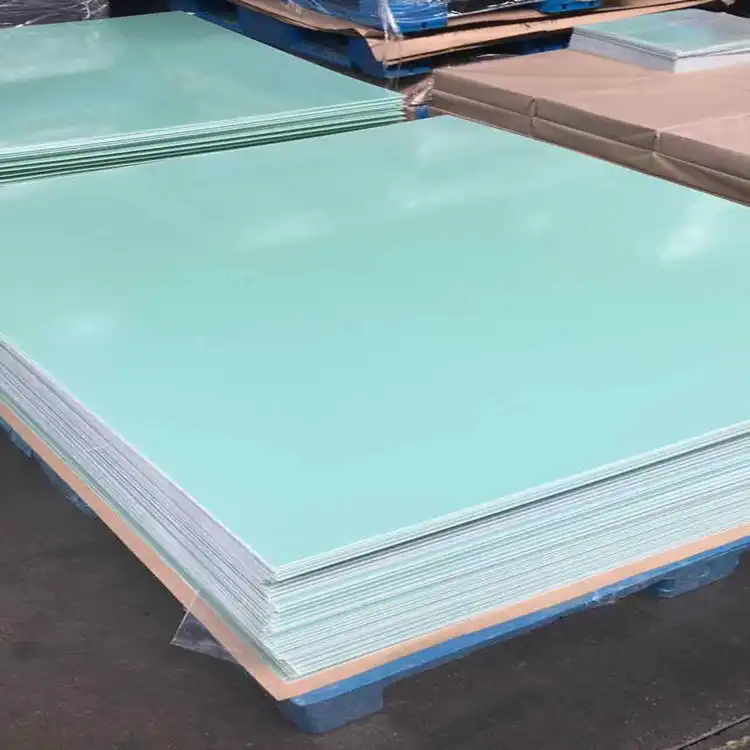
Technical Comparison: G10 Fiberglass Sheet vs. Alternatives
Performance Against FR4 and Epoxy Laminates
When buying teams look at insulating choices like G10 fiberglass sheet, knowing the differences between materials keeps them from making mistakes that cost a lot of money. G10 and FR4 are both made of glass-epoxy, but FR4 has flame-retardant chemicals added to it to meet UL94 V-0 standards. This flame protection costs more and has a slightly lower mechanical power. Flame ratings are often needed for applications in power distribution or transformer production. This makes FR4 the best choice, even though it costs more. G10's optimised recipe, on the other hand, helps uses that need maximum mechanical strength and better machinability. Both materials are much better at resisting wetness and keeping their shape than regular phenolic cotton laminates, especially in places where the humidity changes a lot. The epoxy glue system sticks to fibreglass better than phenolic binders, which means it doesn't come apart as easily when heated and cooled.
Advantages Over Phenolic and Alternative Composites
Instead of glass-epoxy systems, phenolic cotton sheets are a cheaper option, but they absorb more water and have worse electrical qualities. When making machinery, phenolic materials are sometimes used for wear parts or mechanical fillers, but electrical protection is still the most important thing. Carbon fibre materials are very strong for how light they are, but they don't have the electrical insulation qualities that power gadgets need. Because they are conductive, they can't be used in places where dielectric separation is needed. G11 is a higher-temperature version that uses a different epoxy formula and can handle continuous use up to 180°C. Even though it costs more, G11 is a good choice when working conditions are warmer than G10's temperature limit. Synthetic laminates are better than plywood and other natural fibre composites when it comes to safety in different environments, strength consistency, and electrical qualities. When engineers make decisions, they weigh these performance factors against price limits to find the best materials for each job.
Practical Applications and Advantages of G10 Fiberglass Sheets in Industry
Critical Functions Across Industrial Sectors
When you look at how they are used in different factory settings, you can see how flexible glass-epoxy laminates are. These materials are useful for solving real engineering problems when regular methods don't work. Understanding how certain industries use materials helps buying experts match the abilities of materials with the needs of operations.
Electronics and Electrical Manufacturing: The material is used in PCB manufacturing plants for test stands, solder pallets, and wave solder carriers, which are places where high temperatures and electrical separation meet. Manufacturers of switchgear make spark chutes and insulation shields to keep people and machinery safe when there is a fault. To keep winding-to-frame problems from happening during motor assembly, these laminates are used to make slot wedges and phase separators. When you combine dielectric strength with CNC machinability, you can make complex shielding shapes that meet the needs of your design.
Automotive and Transportation Uses: These sheets are used as cell spacers and heat shields in electric car systems by people who make battery packs. The material stops the spread of thermal runaway while also supporting the structure inside small battery cases. Electrical sparks and electromagnetic interference can't happen because of insulation pads under high-current bus bars. R&D engineering teams like how consistent the material is between production runs. This makes sure that validation testing works well in mass production and doesn't cause unexpected changes in the material's properties.
Power Generation and Distribution: Precision-cut shields made of G10 fiberglass sheet keep coil layers apart and stop arcs from spreading during electrical stress events are used by transformer makers. The material keeps its mechanical and electrical features even when the load changes and the temperature changes. When building medium-voltage switchgear, utility companies need insulation parts that have quality approvals and material features that can be tracked. Long-term sourcing experts like sellers who keep their quality systems constant and give them a lot of material approval paperwork to back up their requirements.
These uses show how the material's special mix of properties solves certain technical problems that other materials can't sufficiently address. The materials' track record of success in these tough industries gives engineering teams more confidence when choosing them for new uses.
Procurement Guide for G10 Fiberglass Sheets: How to Source and What to Consider
Evaluating Supplier Capabilities and Certifications
It's not enough to just compare prices when buying materials; you also need to look at the professional skills and quality control systems of the suppliers. Reputable makers keep their ISO 9001 license, which shows that they have recorded quality methods and plans for ongoing growth. Shipments should come with material test results that confirm the given goods have the right electrical, mechanical, and heat qualities. Companies that sell goods and have their own testing labs can quickly describe materials and confirm their properties for specific uses. Technical help is what sets experienced producers apart from simple dealers. Suppliers who know what the application needs and can suggest the right grades, sizes, and ways to machine the material are helpful to engineering teams. When there are pressing needs or application problems, suppliers with whom you've had a long-term relationship are often more quick.
Understanding Pricing Factors and Lead Times
When buying managers look at quotes, they should be aware that material prices depend on a number of factors. The quality of the raw materials, especially the grade of the glass cloth and the mixture of the epoxy resin, has a big effect on both price and performance. Higher-grade materials cost more, but they have better stability in their properties and are easier to work with. Order number leads to economies of scale, where buying in bulk lowers the cost per unit by making the best use of production schedule. For custom sizes or formulas, the minimum order quantity may need to be met in order to justify setting up the tools and developing the process. When compared to unique specs that need special production runs, standard sheet sizes and widths usually ship faster. Setting up blanket orders with planned releases helps factory customers get good prices while still having the freedom to change their supplies as needed. When a supplier offers combined services, they take care of customs paperwork, combining goods and coordinating deliveries, making things easier for foreign buyers.
Specification Best Practices for Technical Requirements
Misunderstandings and design mistakes are expensive to fix, so it's important to be clear about technical needs for G10 fiberglass sheet. Buyers should be clear about the width limits they need, which are usually between ±0.1mm and ±0.5mm based on how important the application is. Needs for surface finish affect how parts are machined and how well they turn out in the end. To make sure that materials can be tracked, people must be clear about what certifications they need, like UL recognition or RoHS compliance, when they first ask for information. When specifying a sheet size, it's important to think about how to best use machine stock and material output. It's easier to get accurate quotes and plan production when engineering sketches include specific measurements, hole shapes, and surface finish callouts. Creating standard blueprint files that include important technical details while still allowing for application-specific changes is helpful for procurement teams.
Making the Right Choice: Decision Support for G10 Fiberglass Sheet Buyers
Establishing Performance and Procurement Criteria
Through formal review methods, the material selection process should find a balance between technical performance and business needs. Baseline performance standards are set by engineering teams. These include the minimum dielectric strength, bending strength, temperature rating, and chemical protection. Early on in the selection process, these technical limits get rid of materials that aren't right. Other factors, like the ability to be machined, the quality of the surface finish, and the ability to vary the thickness, help to separate good options. Procurement experts look at business factors like unit price, source dependability, consistent wait times, and minimum order amounts. This multidimensional review stops over-specification, which raises costs needlessly, and makes sure that the materials chosen meet the needs of the application.
Customized Recommendations for Different Buyer Profiles
Different jobs in a company stress different decision-making factors that are in line with their practical duties. Design engineers focus on the qualities of materials that allow for new ways to solve technology problems. They like it when providers give them thorough technical datasheets, application notes, and quick technical help while the product is being developed. OEM production managers pay attention to stable supply chains, consistent batches, and seller quality control systems that reduce the need for new inspections. When they buy things, they prefer to deal with well-known companies that have a history of reliability, even if the prices are higher than cheaper options. Purchasing teams try to find the best value instead of just the lowest cost by balancing performance needs with budget limits. They like it when sellers let them choose the amount of inventory they want to buy, set clear prices, and deliver on time, all of which support lean inventory practices. Knowing these different goals helps sellers make offers that meet specific customer worries and ways of making decisions.
Conclusion
G10 fibreglass sheets have been used for a long time in industrial uses that need excellent electrical insulation and strong mechanical qualities. The makeup, production accuracy, and performance qualities of the material meet important needs in the power generation, industrial, automobile, and electrical sectors. Technical studies show that glass-epoxy laminates are better than other options when it comes to resistance to moisture, stability in shape, and electrical efficiency. The material's usefulness in fixing real-life engineering problems where other materials fail is shown by its practical uses. To do good buying, you need to know what suppliers can do, how prices change, and the best ways to make sure that the things you get meet your needs. If engineering managers and sourcing specialists know these basics, they can help their companies use high-performance composite materials that make products more reliable, factories more efficient, and operations safer.
FAQ
In what temperature range can G10 material be used all the time?
In normal G10 formulas, the epoxy resin system can handle constant use up to 130°C and short-term contact up to 140°C. Applications that need to be able to handle higher temperatures should look at G11 versions that use tweaked epoxy chemistry and are rated for ongoing service up to 180°C. Ratings for temperatures assume that mechanical loads stay within certain limits. This is because high temperatures make materials less stiff and strong.
Does this material offer enough waterproofing for use in marine settings?
Glass-epoxy laminates are very resistant to water; after 24 hours of underwater tests, they only let 0.1% of water through. In wet places, this low absorption rate keeps the electrical qualities and consistency of the dimensions. The material is resistant to organic breakdown and saltwater, which makes it useful for marine uses. When made parts are properly edge sealed, moisture can't move through the visible glass fibres at the cut edges.
Can makers change the width and size of the sheets?
Manufacturers with a lot of experience can meet unique thickness needs by controlling the stacking of laminates during production. Standard widths run from 0.5 mm to 50 mm, but for unique orders, the minimum order quantity may need to be met in order to support the use of specialised tools. Standard sizes for sheets are usually followed, but custom cutting services let buyers get parts that are best for their manufacturing methods and how they need to use the material.
Partner with J&Q for Premium G10 Fiberglass Sheet Solutions
J&Q has been making and providing high-performance insulation materials to difficult industry uses around the world for more than 20 years. Our factories have strict quality controls that make sure every G10 fibreglass sheet has the right electrical, mechanical, and heat features. As a reputable provider, we know how important it is for your production processes that materials are always the same. That's why we include full material certifications with every package. Together with engineering managers and sourcing experts, our technical team figures out the best material specs, thickness needs, and customisation methods for your application. We offer full solutions, from the first question to the on-time delivery, thanks to our combined shipping skills gained through ten years of foreign trade. Our in-house transportation department can help you handle your supply chain more efficiently by coordinating freight, handling customs paperwork, and keeping track of deliveries. Email our technical sales team at info@jhd-material.com to talk about your needs, get full technical datasheets, or get quotes that are made just for your next project. We want you to be successful, so we offer solid material quality, quick service, and the knowledge that comes from working with electrical, industrial, and automakers in markets around the world.
References
National Electrical Manufacturers Association. "NEMA Standards Publication LI 1-1998: Industrial Laminating Thermosetting Products." National Electrical Manufacturers Association, 1998.
Harper, Charles A. "Handbook of Plastics, Elastomers, and Composites, Fourth Edition." McGraw-Hill Professional, 2002.
Lubin, George. "Handbook of Composites." Van Nostrand Reinhold Company, 1982.
Institution of Engineering and Technology. "Electrical Insulation: Materials and Applications." Institution of Engineering and Technology Press, 2015.
Peters, S.T. "Handbook of Composites, Second Edition." Chapman and Hall, 1998.
American Society for Testing and Materials. "ASTM D709: Standard Specification for Laminated Thermosetting Materials." ASTM International, 2020.
_1755583592640.webp)
