Can Phenolic Paper Board Be Used in Electronic Devices?
2026-04-28 17:12:52
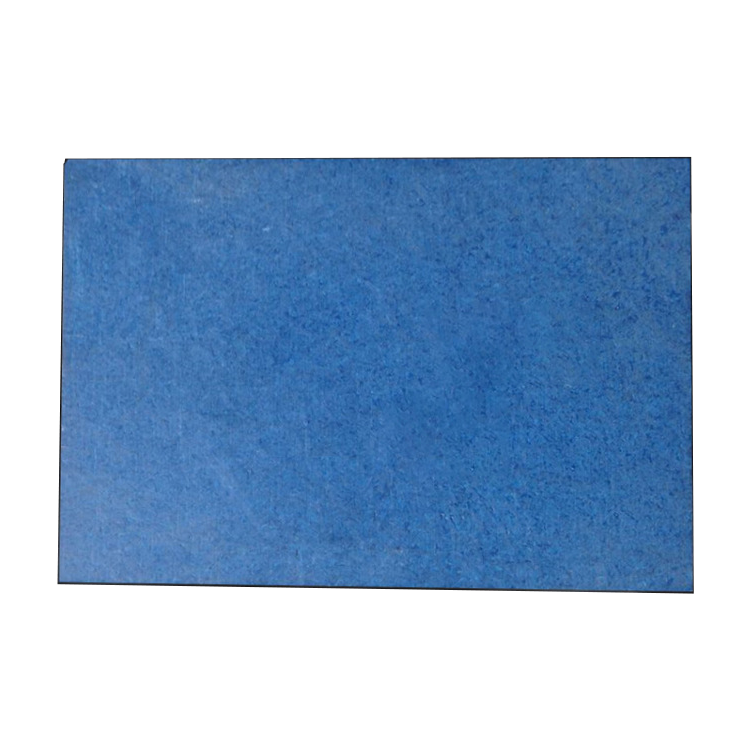
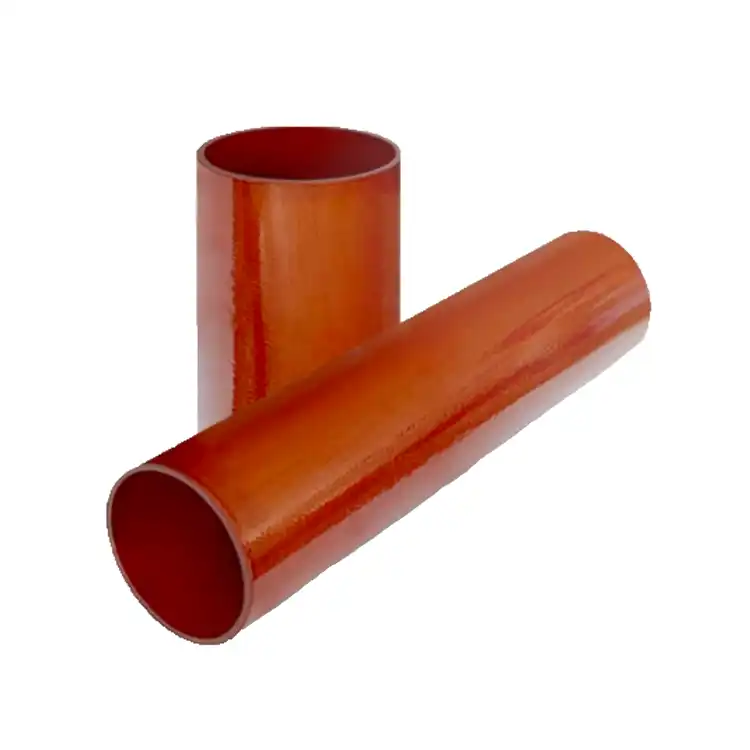
Yes, phenolic paper board can absolutely be used in electronic devices. This composite material, manufactured by layering kraft paper with phenolic resin under high heat and pressure, has served the electronics industry reliably for decades. Known technically as NEMA Grade X, XX, or XXX board, it offers excellent electrical insulation, cost-effectiveness, and machinability. While it may not replace advanced materials in every application, phenolic paper board remains a proven solution for switchgear insulation, PCB drilling backup boards, motor components, and various electrical fixtures where dielectric strength and budget considerations intersect.
Understanding Phenolic Paper Board and Its Core Properties
Manufacturing Process and Composition
The production of phenolic paper board follows a precise industrial process. Multiple layers of premium kraft paper undergo impregnation with phenolic resin formulations. These paper-resin layers are then stacked and subjected to approximately 1000 psi pressure while heated to curing temperatures. The result is a rigid, homogeneous composite that transforms flexible paper into an engineering-grade material with predictable mechanical and electrical properties.
This manufacturing approach differs fundamentally from glass-reinforced epoxy (FR-4) or cotton-cloth phenolic boards. The paper substrate provides unique characteristics that influence both performance and cost structure.
Key Technical Specifications
The material delivers a density range between 1.30 and 1.45 g/cm³, creating a lightweight yet structurally sound base for electrical components. When we examine dielectric strength, NEMA XXX grades achieve values typically exceeding 500 V/mil in short-time testing, suitable for high-voltage applications where arc prevention is critical.
Mechanical performance shows flexural strength surpassing 135 MPa in the lengthwise direction, with excellent compressive characteristics that maintain dimensional stability under load. The continuous operating temperature reaches approximately 110°C to 120°C, classified as Insulation Class E under thermal rating standards. This temperature ceiling becomes a design consideration when comparing alternatives.
Chemical resistance to mineral oils and standard industrial solvents makes the material suitable for environments where petroleum-based lubricants or cleaning agents may contact insulation components. The phenolic resin matrix provides this resistance naturally without requiring additional surface treatments.
NEMA Grade Classifications
Understanding grade differences helps match material properties to application requirements. NEMA Grade X represents the mechanical grade, featuring lower resin content that optimizes machinability and structural applications where electrical demands are secondary. Grade XX serves as the standard electrical grade, offering balanced moisture resistance and insulation properties for general electrical work. Grade XXX provides the highest resin content and superior moisture resistance, specifically engineered for high-voltage applications in humid operating conditions.
Each grade corresponds to IEC standards (PF CP 201/202), ensuring international specification compatibility when sourcing across global supply chains.
Performance Comparison: Phenolic Paper Board vs Alternative Materials in Electronics
Cost-Performance Analysis
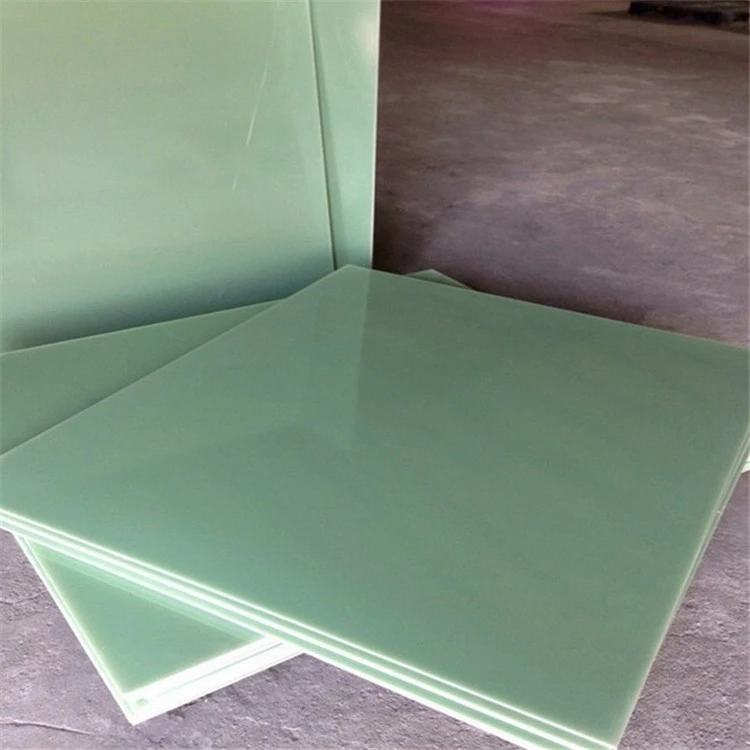
Budget realities drive material decisions. When we compare phenolic paper board against FR-4 glass epoxy laminates, the cost differential becomes immediately apparent. FR-4 delivers superior mechanical strength and higher temperature resistance (Class F/H, exceeding 130°C), but these advantages come with price premiums that may exceed project requirements.
Electronic assemblies that operate within the 110-120°C range and don't experience significant mechanical stress represent ideal candidates for cost reduction. Switching from FR-4 to paper-based phenolic material in these applications can reduce material costs by 30-40% without compromising functional performance or safety compliance.
Machinability Considerations
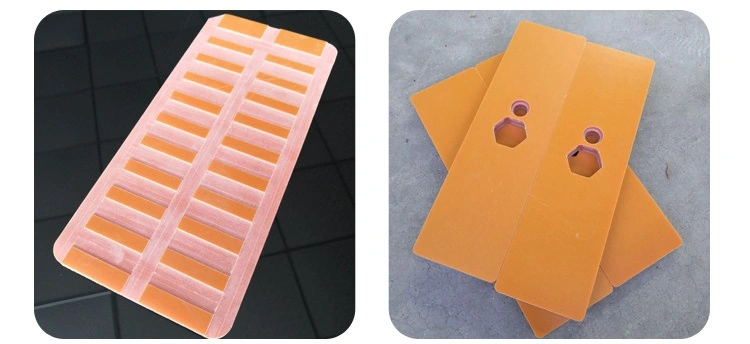
One distinct advantage emerges in fabrication operations. The paper substrate allows hot-punching operations that create intricate shapes without delamination risks. This "punchability" enables high-speed production of complex electrical insulation components using die-cutting equipment. Glass-reinforced materials require drilling or routing operations that consume more time and wear tooling faster.
Mechanical engineers designing switchgear enclosures or transformer barriers appreciate this characteristic. Production volumes that would require expensive CNC machining in FR-4 can transition to stamping operations with phenolic paper board, dramatically reducing per-unit manufacturing costs.
Electrical Insulation Performance
The dielectric properties position this material competitively within specific application parameters. While not matching the extreme performance of ceramic insulators or specialized polyimides, paper-based phenolic boards provide more than adequate insulation for medium-voltage electrical systems, motor components, and circuit board applications operating below 600V.
The material's hygroscopic nature (moisture absorption tendency) requires consideration. In constantly humid environments without proper sealing, Grade X and XX may experience reduced insulation resistance over extended periods. Grade XXX addresses this concern with enhanced moisture barriers suitable for outdoor electrical cabinets or tropical climate deployments.
Comparison with Alternative Substrates
Melamine boards offer higher heat resistance but deliver inferior electrical properties and cost more. Plywood provides structural strength but lacks the necessary dielectric characteristics for electrical applications. Plastic laminates may seem modern, but many cannot withstand the thermal cycling common in power electronics. Each alternative solves certain problems while creating others—material selection requires matching properties to actual operating conditions rather than pursuing maximum specifications unnecessarily.
Application Scenarios of Phenolic Paper Board in Electronic Devices
High-Voltage Switchgear and Distribution Equipment
Power distribution infrastructure relies heavily on paper-based phenolic insulation. Arc chutes, phase barriers, and busbar supports utilize this material's combination of dielectric strength and structural rigidity. When high-current switching creates electromagnetic forces, the mechanical stability prevents component displacement that could lead to phase-to-phase faults.
We've supplied paper phenolic boards to transformer manufacturers who specify Grade XXX material for coil insulation barriers and thermal separation plates. The temperature stability ensures dimensional consistency throughout thermal cycling while preventing electrical tracking across insulation surfaces.
PCB Manufacturing Support Applications
The printed circuit board industry consumes significant quantities of phenolic paper board as drilling backup material. During PCB drilling operations, this substrate provides a burr-free surface beneath the production board, protecting drill tables while ensuring clean exit holes. The material's density and homogeneity reduce drill bit breakage—a critical factor when working with micro-drill bits below 0.3mm diameter.
Entry boards (placed above the PCB during drilling) also frequently use paper phenolic grades. The combination of flat surface characteristics and economical pricing makes this application one of the highest-volume uses in electronics manufacturing.
Motor and Generator Insulation Components
Electric motor manufacturers incorporate phenolic paper laminates as slot insulation, coil separators, and commutator segments. The material withstands the mechanical vibration inherent in rotating machinery while maintaining insulation integrity under continuous thermal loading. Automotive component suppliers building traction motors for electric vehicles use precision-cut phenolic insulators that meet strict dimensional tolerances and batch consistency requirements.
Structural Electrical Components
Beyond pure insulation functions, the material serves structural roles in electrical assemblies. Test fixtures, jigs, and manufacturing templates benefit from the non-conductive properties combined with mechanical durability. The natural lubricity compared to glass-epoxy composites creates quieter operation in moving parts like gear blanks or wear plates used in industrial equipment.
Compliance considerations matter greatly to procurement teams. Our phenolic cotton cloth laminated sheets carry UL certification (File Number E310670) and meet ROHS and REACH requirements, addressing environmental and safety regulations that govern electronics manufacturing in North America and European markets.
Procurement Guide: How to Source High-Quality Phenolic Paper Board for Electronics?
Supplier Evaluation Criteria
Identifying reliable material suppliers requires examining multiple factors beyond unit pricing. Manufacturing quality begins with resin formulation consistency and paper substrate selection. Reputable suppliers maintain batch-to-batch uniformity in thickness tolerances (typically ±0.1mm for precision grades), surface finish, and mechanical properties.
Certification documentation for phenolic paper board provides objective quality evidence. Request copies of material test reports showing dielectric strength, flexural strength, and moisture absorption values. Suppliers who readily provide this data demonstrate transparent quality systems. Those who hesitate may lack adequate process controls.
Supply chain reliability separates professional operations from commodity brokers. Consistent lead times, inventory depth, and logistics capabilities determine whether material arrives when production schedules demand it. We've operated our own logistics network for over a decade precisely because material delivery delays can shut down entire manufacturing lines.
Understanding Pricing Structures
Paper-based phenolic board pricing reflects several variables: NEMA grade specification, sheet thickness, order volume, and any custom sizing requirements. Grade XXX commands premiums over Grade X due to higher resin content and additional processing. Thicker sheets require longer press times during manufacturing, incrementally increasing costs.
Minimum order quantities vary among suppliers. Some require full pallet quantities, while others accommodate smaller trial orders for testing and qualification. When evaluating total cost, consider not just material price but also shipping logistics, custom cutting services, and payment terms that affect cash flow.
Request sample materials before committing to production volumes. Hands-on evaluation reveals surface quality, machinability, and consistency that specification sheets cannot fully convey. Machine sample pieces using your actual production processes to identify any compatibility issues before scaling up.
Customization and Technical Support
Electronics applications often require specific dimensions cut from standard sheets. Capable suppliers offer CNC machining, die-cutting, or water-jet cutting services that deliver finished parts ready for assembly. This value-added processing eliminates the need for in-house fabrication equipment and expertise.
Technical support capability indicates supplier maturity. Engineers should be able to contact knowledgeable personnel who understand application requirements and can recommend appropriate grades and thicknesses. This consultative approach prevents specification mismatches that lead to field failures or over-engineering that inflates costs unnecessarily.
Documentation support—including material data sheets, safety information, and compliance certificates—should be readily available. Global supply chains require traceability, and proper documentation enables smooth customs clearance and regulatory audits.
Conclusion
Phenolic paper board maintains its relevance in modern electronics manufacturing through a compelling combination of electrical insulation performance, mechanical durability, and cost-effectiveness. While advanced materials have claimed specific high-performance niches, paper-based phenolic laminates continue solving real industrial challenges where their property profile aligns with application requirements.
The material's proven track record in switchgear insulation, PCB support operations, motor components, and structural electrical parts demonstrates sustained value across diverse electronic applications. Engineering managers who understand the grade distinctions and thermal limitations can specify this material confidently, reducing project costs without compromising safety or reliability.
Material selection ultimately depends on matching technical properties to actual operating conditions rather than pursuing maximum specifications. Paper phenolic boards occupy a strategic position in that decision matrix—delivering adequate performance at attractive pricing for applications that fall within their capabilities.
FAQ
Can phenolic paper board withstand high operating temperatures?
The continuous operating temperature for standard paper-based phenolic laminates ranges from 110°C to 120°C, classified as Insulation Class E. This thermal rating suits many electronics applications, including motor components, switchgear, and power distribution equipment. Exceeding these temperature limits causes carbonization of the paper substrate, degrading both mechanical strength and dielectric properties. Applications requiring higher thermal performance should consider epoxy-glass composites or specialized high-temperature laminates.
How does electrical insulation performance compare to fiberglass boards?
Paper phenolic boards provide excellent dielectric strength—NEMA Grade XXX achieves values typically exceeding 500 V/mil—which proves adequate for medium-voltage electrical systems. FR-4 fiberglass boards offer superior performance in extreme conditions and higher frequency applications. The choice depends on specific voltage requirements, environmental factors, and budget parameters. Many switchgear and transformer applications successfully use paper phenolic grades that cost significantly less than glass-reinforced alternatives.
Are eco-conscious phenolic paper board options available?
Modern phenolic formulations increasingly address environmental considerations. Paper substrates derive from renewable resources, and manufacturers have developed lower-emission resin systems that reduce volatile organic compound (VOC) release during production. Materials certified under ROHS and REACH regulations eliminate hazardous substances, meeting environmental compliance standards required in electronics manufacturing. Discuss specific environmental requirements with suppliers who can provide documentation confirming regulatory adherence.
Ready to Source Premium Phenolic Paper Board from a Trusted Manufacturer?
J&Q brings over 20 years of manufacturing expertise in electrical insulation materials, combined with more than a decade of international trade experience. Our production facilities maintain strict quality controls that ensure consistent material properties, while our UL-certified phenolic cotton cloth boards meet the stringent standards your projects demand.
What sets us apart extends beyond product quality. We operate our own logistics network, providing true one-stop service from material specification through final delivery. This integrated approach eliminates coordination headaches and accelerates your supply chain responsiveness. Whether you need standard NEMA grade sheets or custom-machined components, our technical team collaborates with your engineering requirements.
We understand the concerns procurement managers face: batch consistency, on-time delivery, responsive support, and competitive pricing. Our established relationships with domestic and international trading partners validate our reliability. Request your material samples today and experience the difference that experienced phenolic paper board suppliers deliver. Contact our team at info@jhd-material.com or visit jhd-material.com to discuss your specific application requirements. We're ready to support your success with quality materials and dependable service.
References
ASTM International. (2021). ASTM D709 - Standard Specification for Laminated Thermosetting Materials. West Conshohocken: ASTM International Standards Organization.
National Electrical Manufacturers Association. (2019). NEMA LI 1-1998 (R2019): Industrial Laminated Thermosetting Products. Rosslyn: NEMA Standards Publication.
International Electrotechnical Commission. (2020). IEC 60893-2: Insulating Materials - Industrial Rigid Laminated Sheets Based on Thermosetting Resins for Electrical Purposes - Part 2: Methods of Test. Geneva: IEC Central Office.
Harper, C.A. (2018). Handbook of Plastics Technologies: The Complete Guide to Properties and Performance. New York: McGraw-Hill Education.
Tanaka, T., & Greenwood, A. (2017). Advanced Power Cable Technology: Present and Future Trends in Materials and Construction. Boca Raton: CRC Press.
Electrical Insulation Conference Proceedings. (2022). Comparative Analysis of Thermosetting Laminates in High-Voltage Applications. IEEE Electrical Insulation Society Annual Report. Piscataway: Institute of Electrical and Electronics Engineers.