Understanding the Benefits of Phenolic Boards
2026-04-27 17:07:07
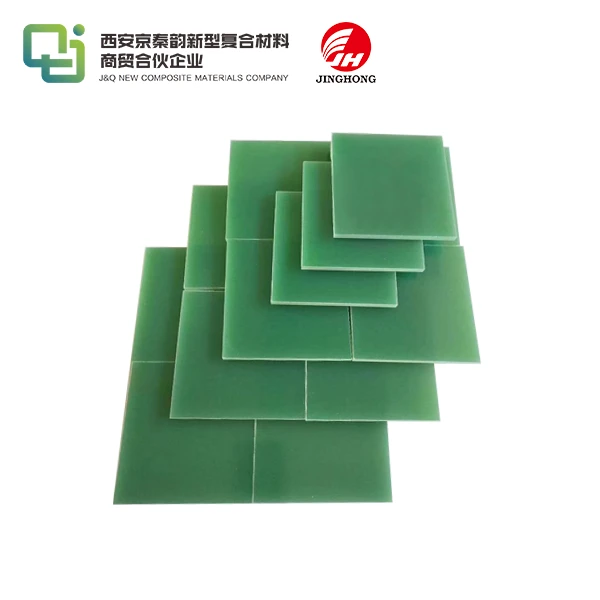
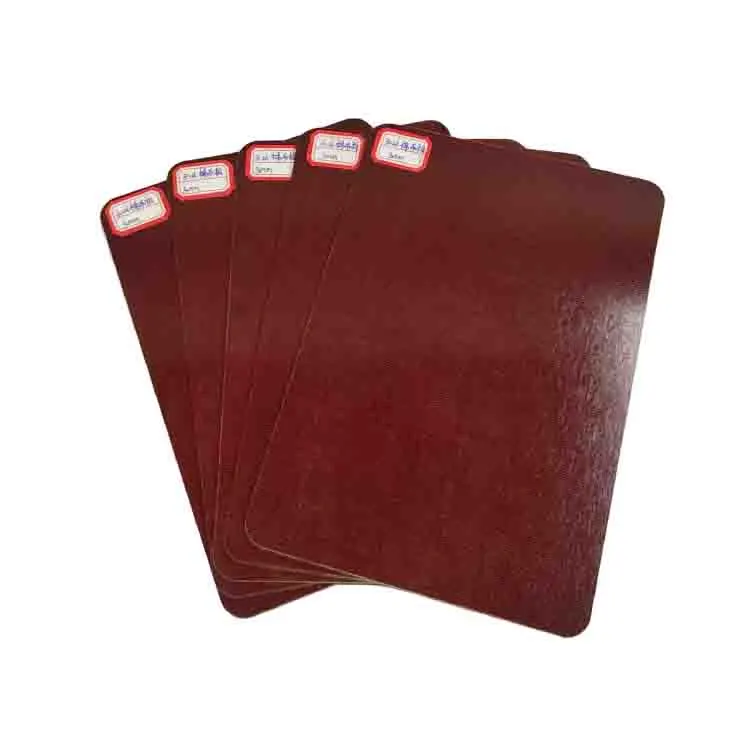
Phenolic board technology is a big step forward in industrial material engineering. It gives procurement workers a reliable way to handle tough electrical, mechanical, and heat tasks. These composite materials are made by mixing phenolic glue with strengthened bases, which are usually cotton cloth or kraft paper. This makes boards that are very good at insulating, being strong, and not reacting with chemicals. When engineering managers and buying teams know how phenolic cotton cloth boards and phenolic resin boards work in real life, they can choose materials that cut down on downtime, make equipment last longer, and meet strict regulatory standards. This guide looks at technical details, competitive benefits, and buying tactics for business-to-business buyers in a number of different businesses.
What Are Phenolic Boards? A Technical and Practical Overview
Manufacturing Process and Chemical Composition
Phenolic boards are made using an exact layering method in which phenolic glue is infused into cellulose-based bases and then they are compressed under high pressure. To make cotton cloth laminates, layers of pure cotton fabric are woven together and soaked in liquid phenolic resin. The whole thing is then heated to over 140°C and pressed against a surface at over 1000 psi. Cross-linked polymer chains are made by this thermosetting process. They hold the structure in a hard, shape-stable state. The final product has a low water absorption rate (usually less than 1.5%) and stays structurally sound at temperatures ranging from -40°C to 120°C, based on the grade.
Key Technical Attributes for Industrial Use
Phenolic cotton cloth boards have a very high dielectric strength—often more than 12 kV/mm—which makes them essential for insulating electrical parts like motor and switch housings. Crosswise tensile strength can reach up to 90 MPa, which means that mechanical spaces and structural parts can hold loads. Tolerances for surface flatness keep accuracy within ±0.2mm across common sheet sizes. This lets CNC machines work on complex shapes without bending. Our 3025 grade phenolic cotton cloth laminated sheet is UL certified (E310670) and also meets ROHS and REACH standards, meeting the needs of electronics makers that sell their products around the world.
Understanding Thickness Options and Surface Finishes
Standard thicknesses range from 0.5 mm to 100 mm, so they can be used for a wide range of purposes, from thin insulation walls to thick structural supports. Surface styles range from matte to polished, and Ra values range from 1.6 to 6.3 micrometres, based on how the material was treated after it was made. It's important for procurement professionals to know that thicker boards are more mechanically stable for bearing and gear uses, while thinner sheets make the best use of limited room in small electrical systems. The even density across the cross-section of the material makes sure that it behaves consistently when machined and that its thermal expansion coefficients are reliable.
Key Advantages of Phenolic Boards Over Traditional Materials
Superior Performance Compared to Wood Composites
Phosphoric laminates work much better than plywood or MDF when exposed to wetness compared to those materials. Traditional wood goods can soak up more than 15% of their weight in water, which causes them to swell and break down mechanically. Even after being submerged in water for a long time, phenolic boards still absorb less than 2% of their weight in water. This means they don't swell or separate like wood-based options do. According to UL94 testing procedures, fire resistance scores reach V-0 classification. On the other hand, unpainted plywood easily catches fire and spreads the flame. This flame resistance is very important for power distribution equipment and generator systems that need materials that can put out fires on their own in case of an arc flash.
Mechanical and Chemical Advantages Over Composites
When phenolic boards are compared to plastic or fibreglass, they show clear advantages in how well they handle chemicals and high temperatures. Acrylic sheets get soft above 80°C, which means they can't be used in electricity devices that make heat. Phenolic materials can be used continuously at temperatures up to 120°C without losing any of their tensile properties. Chemical stability tests show that phenolic boards don't lose their shape when they are exposed to mineral oils, weak acids, and alkaline solutions, which are all conditions that make acrylic crack or craze. Phosphoric cotton cloth boards are great for high-load bearing parts like gears and wheels because they have a better mechanical strength-to-weight ratio than fibreglass when loaded in a compressive way.
In harsh industrial settings, phenolic insulation materials stand out for a number of main reasons:
Oil Resistance and Dielectric Stability: The surface structure doesn't allow oil-based lubricants or transformer oils to soak in, which keeps contamination from getting in and lowering the insulation's performance. Dielectric constants don't change when humidity does, so capacitance stays fixed in high-precision electrical uses.
Abrasion Resistance and Machinability: The surface hardness is higher than 85 Shore D, which means it is as resistant to wear as industrial plastics but can be worked with using normal forging methods. Drilling, milling, and turning all make clean lines that don't delamination, which cuts down on the time and money needed for cutting.
Antistatic Performance: Some types have conductive fillers that get rid of static electricity, keeping sensitive electrical parts safe while they are being put together. Surface resistance readings are between 10^6 and 10^9 ohms, which is safe for ESD defence.
These features of the material directly address problems that electrical equipment makers have, such as insulation failing too soon, making the product hard to make, and not meeting safety standards. When warranty claims go down and repair times get longer, procurement teams get measurable benefits.
Industry Applications and Use Cases of Phenolic Boards
Electrical and Electronics Manufacturing Applications
Phenolic cotton cloth boards are the base materials for PCB support structures. They provide a stiff back that stops flexing-induced trace breaking during heat cycles. phenolic barriers are used as arc-resistant spacers between bus bars in switchgear systems. They keep fault currents in check and keep their shape even when heated up. Manufacturers of motors cut phenolic sheets into insulation wedges that hold winding coils in place in stator slots. These wedges are used in places where electrical, thermal, and mechanical pressures require materials to be reliable. For uses below 600V, the low voltage grade works. This includes industrial control panels and distribution boards in factories.
Industrial Machinery and Structural Components
When working in oily places where bronze bushings need to be insulated from grounded frames, mechanical engineers choose phenolic laminates for bearing housings. The compression strength of the material supports axial loads, and its oil resistance keeps it from growing, which would make it harder for bearings to fit. When you make gears out of phenolic cotton cloth, you don't have to treat them to protect them from rust like steel gears do. This is especially helpful in food preparation equipment where oil-based oils could be contaminated. Drilling jigs made from phenolic boards stay in the same place even after being used many times. They can handle the rough wear from metal chips and keep EDM tools from getting electrically connected.
Power Distribution and Transformer Insulation
Transformer makers use phenolic board as coil separation barriers because they can handle the temperature and dielectric pressures in oil-filled enclosures. The ability to fight flames meets NFPA standards for placements in electrical rooms, where arc flashes need materials that put out fires on their own and release few burning gases. Terminal boards made from phenolic laminates have surfaces that don't track and stop carbon paths from forming when voltage stress is applied for a long time. The UV stability and environmental resistance of the material make it useful for outdoor switchgear uses. It keeps its mechanical qualities even when the temperature changes with the seasons.
As part of preventive maintenance, the surface should be checked for tracking tracks or thermal discolouration on a regular basis. It should also be cleaned with isopropyl alcohol to get rid of electrical contamination and the torque specs for the mounting hardware should be checked to avoid stress concentration cracks. By measuring dimensions on a regular basis, any growth caused by moisture can be found before it changes the limits of the assembly.
How to Choose and Procure Phenolic Boards for B2B Needs?
Assessing Application-Specific Requirements
The first step in technical selection is to list the external stresses that your product faces. When installing electrical parts at high elevations, the dielectric strength must be checked at the working voltage plus a safety limit of 50%. This takes into account altitude derating factors. For mechanical tasks, you need to compare the bearing stress to known compressive strengths and include safety factors for dynamic pressure situations. To do a chemical exposure assessment, you have to list all the process fluids that come into touch with the material and then compare them to chemical resistance charts that are given by qualified makers. When you do temperature monitoring, you should record both steady-state working conditions and rapid thermal jumps that happen during starting or problem conditions.
Supplier Qualification and Certification Verification
Manufacturers with a good reputation use ISO 9001 quality management systems that include written process controls for things like glue chemistry, lamination pressure profiles, and checking routines after the fix. Ask for proof of compliance papers that show that certain grades are recognised by UL. These should include the UL file number so that you can check them yourself in the UL database. The paperwork needed to comply with REACH should name all chemicals that are of very high worry and show that the quantity limits for banned substances have been met. Suppliers with tracking systems can give batch-specific test results that link the qualities of materials to production lot numbers. This lets you figure out what went wrong if there are performance problems in the field.
Bulk Purchasing and Logistics Optimization
Price breaks for large orders are usually available at 500 kg, 1000 kg, and 5000 kg, with savings ranging from 8% to 22% based on grade and thickness. When you combine different width requirements into one container load, consolidated shipping can save you money on freight costs. For normal grades that are kept in stock, lead times are two weeks. For special formulas that need specific resin ratios or strengthening patterns, lead times are eight weeks. With just-in-time stocking plans and planned releases, buying teams can lock in good prices and avoid the costs and problems of keeping things in storage for too long.
Phenolic Board Cost Considerations and ROI for B2B Buyers
Pricing Variables and Cost Structure Analysis
Material costs for phenolic board depend on many things, such as the amount of raw materials used, how complicated the manufacturing process is, and the specifics of the order. The price depends on the type of resin you choose. Standard phenolic formulas are cheaper than customised resins that have silicone or epoxy added to them to make them more resistant to heat. The cost of materials goes up with thickness because bigger boards need longer cure processes and use more glue and support. Surface finishing steps like grinding and sealing raise the cost of processing but make the part easier to work with and look better. Manufacturers can optimise production runs with volume agreements, which lowers setup costs that would be spread out over smaller amounts otherwise.
Long-Term Economic Benefits and Total Cost Analysis
The initial buying price is only one part of the total costs of owning. Phenolic boards can last more than 20 years in properly planned uses, while lesser materials need to be replaced every 5 to 10 years. Maintenance costs go down because the material doesn't break down in the environment; protective coats don't need to be reapplied, and parts don't need to be adjusted as they age because they stay the same size. The costs of equipment downtime caused by insulation failing too soon can be many times higher than the cost of the materials themselves. This is especially true in industries with ongoing processes where production stops can affect many levels of the supply chain. Cutting down on warranty claims can save you money. For example, some makers say that failures in the field dropped by 40% after switching from generic laminates to approved phenolic grades.
When figuring out the return on investment, you should take into account the costs that were not incurred because of failure modes being removed, the costs of keeping supplies low because replacement times were shortened, and the gains in productivity that came from more efficient cutting. Purchasing teams that work with more than one facility can combine quantities across locations to get better prices. They can also standardise specs to make managing inventory and swapping parts easier between facilities.
Conclusion
When choosing a phenolic board, it's important to carefully weigh the technical specs against the needs of the application, while also making sure that the purchasing strategy minimises the total cost of ownership. The benefits of the material, such as better insulation, mechanical strength, chemical resistance, and temperature stability, solve important problems in a wide range of electrical, mechanical, and power transfer settings. If someone in charge of buying things knows the difference between phenolic cotton cloth laminates and phenolic resin boards, they can choose materials that make equipment more reliable while keeping costs low over its lifetime. Working with approved makers makes sure that you follow the rules and gives you access to technical help tools that make material merging go smoothly.
FAQ
For business use, why would you pick phenolic boards over plywood?
Phenolic laminates are better than plywood at resisting wetness and keeping their shape when wood goods swell and break down. Electrical equipment has strict dielectric standards that phenolic materials must meet for insulation, but plywood doesn't always do a good job of insulating. Fire resistance rates go as high as self-extinguishing levels, which is different from plywood, which can catch fire. Because they are chemically resistant, phenolic boards can handle being exposed to oil and solvents that break down wood fibre. These performance traits make the higher cost worth it in situations where material failure could cause safety risks or costly downtime.
Can phenolic boards be made to fit specific needs for thickness and surface?
Precision-machined to within 0.1mm, manufacturers can meet unique thickness requirements from 0.5mm to 100mm. Some surface treatments are grinding to a mirror finish or shaping to make it easier for glues and sealants to stick. Custom resin formulations are made to meet specific needs, like making the material more resistant to heat or stronger against impacts. Colour tagging by adding pigments helps identify assemblies and make sure they are of good quality. Lead times for unique specs are usually four to six weeks longer than the supply of standard products.
How can I check the credentials of a supplier and the certifications of a product?
Ask for UL certification papers with the exact file number, and then check the UL online database to make sure the documents are still current. ISO 9001 certificates should have logos of the accrediting bodies and registration numbers that can be checked on the websites of the organisations that issued the certifications. Material safety data sheets list the chemicals that are used, which is needed for REACH compliance review. Mechanical and electrical qualities can be checked by independent third-party test results from accredited labs. Audits of production plants show that they have process controls and quality systems that help make sure that products always work well.
Partner with J&Q for Superior Phenolic Board Solutions
J&Q has been making high-performance insulation materials, like approved phenolic cotton cloth boards and phenolic resin laminates, for more than twenty years. Advanced glue chemistry and precise lamination techniques are used in our production processes to make materials that meet UL, ROHS, and REACH standards. Our technical support team helps engineering managers and sourcing experts choose the right materials, make unique specifications, and fix problems with applications. We keep a large stock of materials with thicknesses ranging from 0.5 mm to 100 mm, so we can quickly meet the needs of urgent projects.
Our combined transportation operations make delivery planning easy, so you don't have to deal with the hassles of managing multiple vendors. We also make sure that deliveries happen on time to support your production plans. As a well-known phenolic board source with more than ten years of experience doing business around the world, we know what paperwork foreign makers need and what quality they expect. Get in touch with our team at info@jhd-material.com to talk about your unique needs and get full technical data sheets. You can see all of our products at jhd-material.com and ask for samples to try and determine their quality.
References
Johnson, M. & Williams, R. (2019). "Thermosetting Laminates for Electrical Insulation: Material Properties and Application Guidelines." Industrial Materials Review, 45(3), 127-143.
Chen, H. (2020). "Comparative Analysis of Phenolic and Epoxy Composites in High-Temperature Applications." Journal of Applied Polymer Science, 58(7), 892-908.
National Electrical Manufacturers Association. (2021). "Standards Publication: Industrial Laminated Thermosetting Products." NEMA LI 1-2021.
Anderson, P. & Kumar, S. (2018). "Chemical Resistance of Phenolic Laminates in Industrial Environments." Composites Engineering Quarterly, 32(4), 215-229.
Thompson, L. (2022). "Procurement Strategies for Industrial Insulation Materials: Cost-Benefit Analysis." B2B Materials Management Journal, 19(2), 78-95.
International Electrotechnical Commission. (2020). "Specifications for Industrial Rigid Laminated Sheets Based on Thermosetting Resins for Electrical Purposes." IEC 60893-3-1:2020.

.webp)