3240 Laminate Sheet for Switchgear Panels and Industrial Insulation Components
2026-11-18 17:18:58
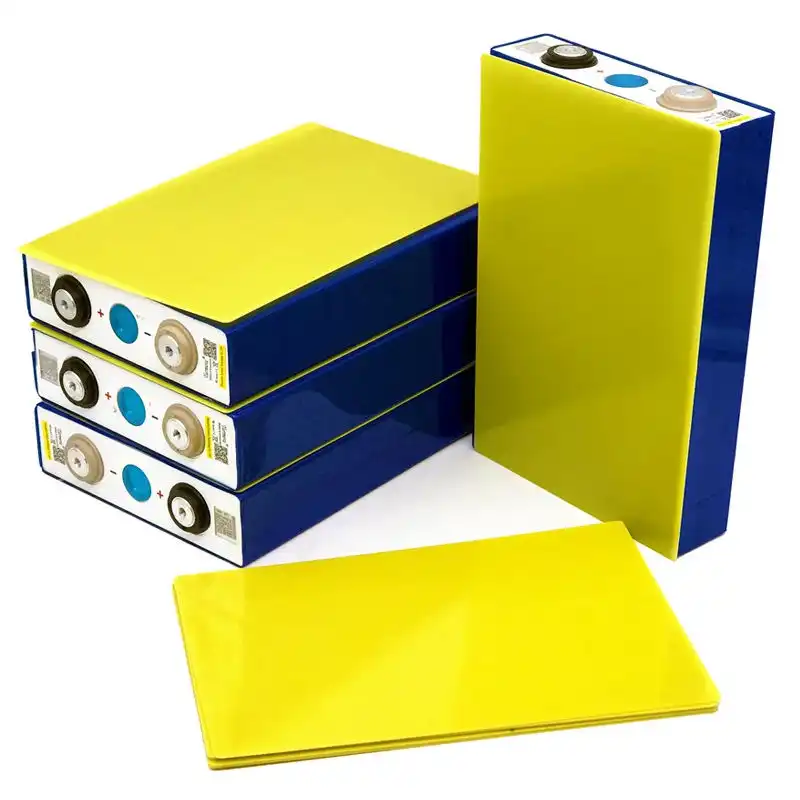
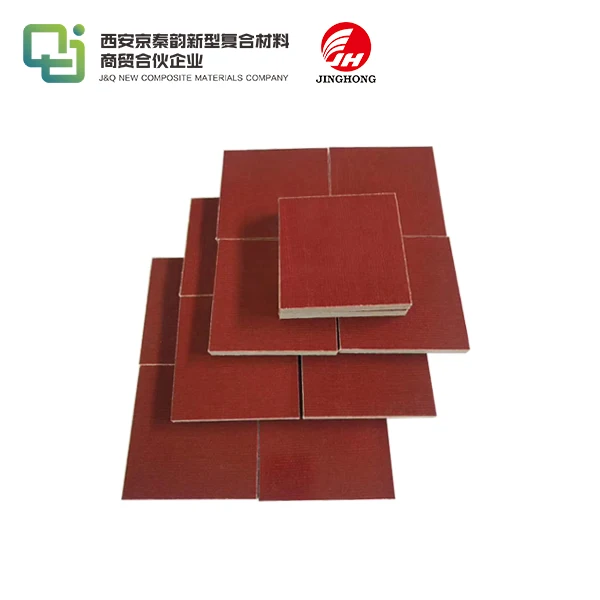
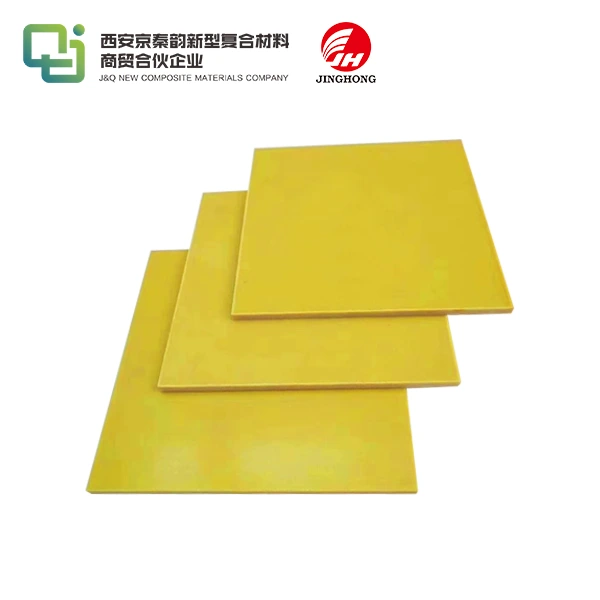
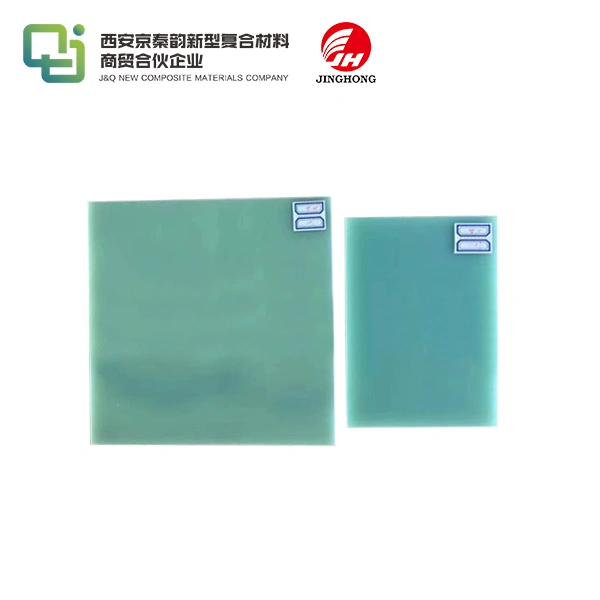
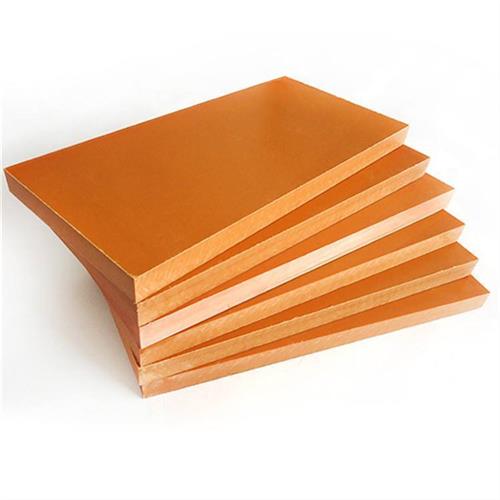
EPBT glass cloth epoxy laminate makes up a 3240 Laminate Sheet. As a dielectric, it provides strength to industrial insulation parts and switchgear panels. It also keeps their sizes stable. It's used by engineers to hold up coils, make phase barriers, hold up busbars, and make motor parts. The thing is used in spots where there is a lot of heat, vibration, and electrical stress. Flame-rated glass-epoxy grade is too big for the job, and paper phenolic isn't strong enough. This is what most people choose. You can find out what the material is, where it fits, what specs are important, and how I think you should place your order in this guide.
What Is a 3240 Laminate Sheet?
Material Structure and Manufacturing
The 3240 Laminate Sheet is made by mixing epoxy phenolic resin with a glass fiber cloth that doesn't contain any alkali. It is made of a rigid composite. The soaked cloth is stacked, baked, and then pressed with hot water at a stable temperature and pressure. When the resin dries, it turns into a dense board with cross-links. The glass cloth holds up the board's weight. The sheet can be used for motors, electronics, electricity, and mechanics when it's done. It can also be used in damp places and with transformer oil. There is a new technical data sheet from the supplier that buyers should always look at to make sure they understand the grade and make-up of the resin.
How It Differs From Decorative and Plastic Sheets?
Some people who are buying don't know what "laminate" means. HPL furniture or decorative is made to look good and last a long time. It's not the same as a 3240 epoxy sheet. This stuff is strong, stays in shape well, doesn't let electricity flow through it, and is simple to work with. When they get hot, PVC and acrylic sheets can't hold as much weight. It is different what they need to do when they are between live conductors and when they hold a busbar under short-circuit force. On the drawings, it should say "epoxy phenolic glass cloth laminate" so that someone doesn't use a plastic sheet instead.
Common Uses Across Industries
People who work with electricity use this board to make insulation frames, switchgear barriers, and terminal boards. It is used by power companies and transformer builders to make plates that protect coils, support coils, and block phases in oil-immersed units. For machine builders, it's cut into spacers and other parts that keep the structure warm. It's used to make slot wedges and brush holders by people who build motors. In PCB shops, it's used as a drilling base and a backup plate. It's useful for many things since it stays stiff and warm even when it gets hot.

Why Is 3240 Laminate Used in Switchgear Panels?
Electrical and Mechanical Demands Inside a Panel
Power, heat, vibration, mechanical stress, and short-circuit forces all have an effect on different parts of switchgear at the same time. It's also important for them to keep safe gaps between things and for things to move. There is a rule in IEC 60664-1 about how to organize the insulation of low-voltage equipment. Even when it's full, the glass cloth doesn't bend, and the epoxy-phenolic matrix keeps things warm. If you look at the sheets side by side, they should have a flexural strength of more than 340 MPa and a dielectric strength of 10 to 12 kV/mm in oil. Compare each batch to this list to see how it stacks up against the rest.
Typical Switchgear Components
Conductive parts can stay cool with the right kind of sheet. It can also hold busbars in place, separate phases, and be used to make mounting plates or walls inside the circuit. Insulating walls, terminal boards, spacers, washers, transformer end plates, and CNC-machined supports are some of the parts that are used a lot. They can come from suppliers in standard sheets, blanks that need to be cut to size, or OEM parts that are already made. Making a blank that fits takes less time. Things take longer to make if you want to look over a drawing and a sample first. As the number of parts a team makes grows, they often switch from sheets to finished parts.
What the Material Does Not Replace?
If something is built wrong with a 3240 Laminate Sheet, you can't just put down an insulation sheet to fix it. This laminate is just a small part of a bigger plan for the electricity. You still need to plan the insulation, make sure there is no arc flash, test the assembly properly, and get engineering approval. Also, 3240 grades don't usually behave in the same way as FR4 grades when it comes to self-extinguishing UL 94 V-0. If the panel specs say that it needs one, you should either get flame test results or pick a grade that already has one. That check helps a good person keep their job.
3240 Laminate Sheet Technical Specifications
Dimensions and Surface Quality
Interesting thick only tells a little bit of the story. Check out the sheet's length and width, as well as its thickness, flatness, and squareness. Also, check out how good the edges are. The thickness tolerance goes from ±0.2 mm to ±1.5 mm as the gauge changes. Good sheets don't have any bubbles on the surface. For sheets to fit flat against metal frames, they need to be flat. The fasteners will wear out faster if the board isn't flat. As part of the quote, make sure you get a tolerance table and inspection criteria. Only then should you agree to buy standard panels or custom parts.
Electrical and Thermal Properties
The board's insulation resistance and dielectric strength both show how well it keeps electricity from moving. A standard test called ASTM D149 is used to find the dielectric breakdown voltage at power frequencies. Make sure you compare like with like if you want to see how results in oil and results in air compare. How hot something is is set by IEC 60085. Class F is 155 °C, and Class B is 130 °C. While most people rate the 3240 as Class B, some changed versions can go as high as Class F. If you run it for too long, the resin can turn into carbon, and the dielectric will stop working.
Mechanical, Moisture, and Chemical Behavior
There are two types of strengths that show how well a board can handle force and vibration. It doesn't soak up as much water as paper laminates, but too much water can still damage the insulation. Things should be kept in a dry place, and high-voltage parts should be dry before they are used. Putting the epoxy phenolic matrix in water for a long time doesn't make it bigger or break it down because it doesn't react with solvents or transformer oil. Before you compare the test results, make sure that the conditions, standards, specimen direction, and methods used were all the same. ASTM D709 is a good place to start because it shows how thermosetting laminate sheets should be made.
Choosing 3240 Laminate Against Other Insulation Materials
Match the Grade to the Application
To start, take a look at the conditions of operation. Make a list of the panel size, operating temperature, highest voltage, current, short-circuit withstand level, and the amount of creepage and clearance that are needed. Then, get supports for the switchgear and busbars. Transformer and motor parts need to be able to handle vibration, heat, and resin. They also need to have well-machined edges. For mounting plates and control cabinet walls, the board is used. It is also used to make brackets and terminal supports. This will help the supplier help you with the sheet's thickness, tolerances, and how to machine it instead of just giving you a general answer. That means there's no need to do the review again.
3240 Laminate Versus FR4 and G10
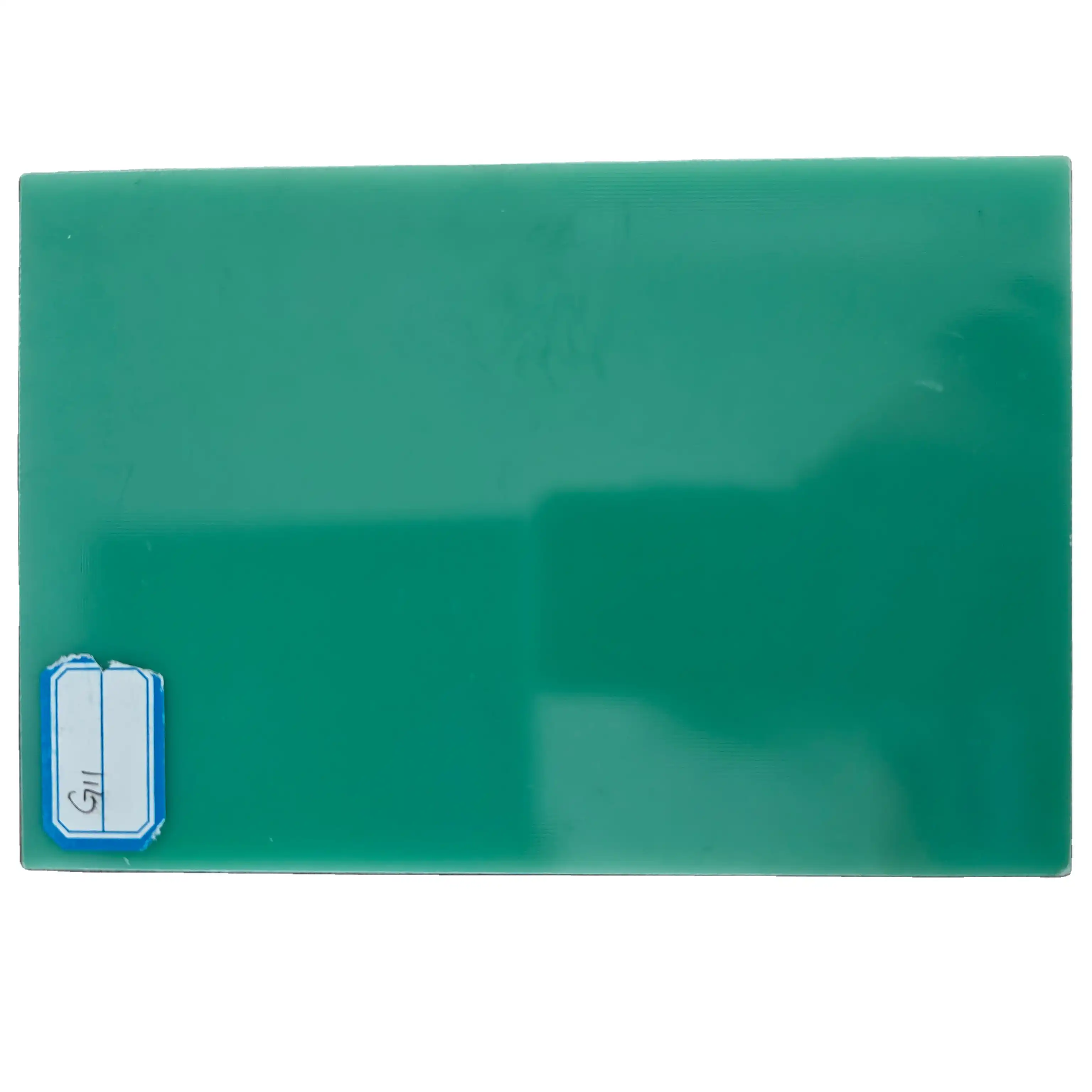
It's not always possible to switch grades. Because it doesn't catch fire, UL 94 V-0 lets you know what kind of glass-epoxy laminate FR4 it is. The epoxy phenolic grade of the 3240 Laminate Sheet is high. Fires don't go out as quickly with just this, and it's less expensive when strict fire codes aren't being used to guide the design. Grades G10, G11, 3640, and 3840 are all listed together on the safety data sheet for this group of products. But these grades don't all have the same thermal class, flame behavior, or certification. Instead of names, compare graphs.
Phenolic, PVC, and Acrylic Options
Cotton and this type of paper are good for parts that don't need to be stressed out a lot with a 3240 Laminate Sheet. Phenolic cotton works great for gears and wear parts. If you don't need to build something, a PVC or acrylic guard or cover might do, but glass-cloth epoxy stays stiffer and keeps heat out better. Think about how you'll use it outside too. Over time, UV light can break down epoxy phenolic resin. This could make the surface chalk, which would make it easier for people to track. Parts that will be outside need a coating or case that can block UV light because of this. Also, look at the total cost, the resin system, the electrical data, how well it works at different temperatures, how well it resists water, how easy it is to use, and how readily available it is.
Machining and Installing 3240 Laminate Components
Cutting, Drilling, and CNC Machining
You can mill, route, turn, or saw this board. A CNC machine can also be used to route it. Use tools with diamond or carbide tips because glass fibers are rough. Chipping, delamination, and size drift are less likely to happen if you keep an eye on the heat, make sure the clamps are tight, and tweak the cutting parameters. When the back is held up under the cut, the edges of the exit stay clean. Your first CNC part should be checked before you send out the rest if it has a lot of holes.
Safe Handling and Dust Control
Glass-fiber dust needs to be cleaned up in some places where machines are used, and workers need to wear safety gear for their eyes, lungs, and bodies. It says on the safety data sheet for this group of products that the solid form doesn't burn normally and doesn't have any harmful chemicals in it. Still says not to breathe in the dust and to protect your eyes while you cut. It's important to wear gloves because sharp edges can hurt your hands. Full-size sheets that are more than 7 mm thick can weigh more than 25 kg, so you will need to use lifting gear or get two people to help you move them.
Assembly and Fastening
If you pilot drill, back support, deburr, leave the right amount of space between the edges, and tighten the fasteners just enough, you can avoid cracks when putting the board together. Glue doesn't work as well with metal most of the time, especially when there is a lot of heat or vibration. If your design calls for it, choose an adhesive and test it to see how well it works at different temperatures, with different chemicals, and how well it will last over time. When you put something together, write down the torque value so that it always does the same thing.
Quality Control, Supplier Selection, and Ordering
Inspection and Documentation
To make sure you always have what you need, you must first keep track of what comes in and what goes out. You should look at the grade, batch number, thickness, size, flatness, surface flaws, edge cracks, delamination, and the condition of the packaging. Ask for test records that show how well the material stands up to fire, water, heat, changes in size, dielectric strength, and insulation for the project. If someone has to follow UL or RoHS rules, they should also ask for an ISO certificate, a material certificate, a technical data sheet, and any RoHS or REACH information that is needed. When you buy something in the US, you should ask for these things.
Choosing a Manufacturer or Supplier
Make a list of businesses that make things, trade, sell stock, and make parts to order. Then, change the model to fit your needs for volume, support, customization, and lead time. J&Q has been making and selling electricity sheets for more than 20 years. It's been more than 10 years since we did business with other countries. We've done business with people from inside and outside our country for a long time. Through our own logistics company, we can move sheets and handle everything else.
Procurement Checklist for First Orders
You need to know the operational temperature, humidity, mechanical loads, voltage, insulation class, thickness, component sizes, surface finish, edge condition, and rules for the destination before you ask for a quote. Check a sample or first article to make sure it is correct in terms of size, flatness, ability to be machined, edge quality, electrical performance, how well it fits together, and how well it can be put together. As part of the approval process, there is usually technical confirmation, a quote, samples, testing, a purchase order, an inspection before shipping, and a look at how the batch can be tracked. The next step is to make rules for how to handle changes to the resin mix, reinforcement, production site, and process. Because of these rules, once you place an order, it will never change.
Conclusion
A 3240 Laminate Sheet is made of epoxy phenolic glass cloth and is stiff, doesn't bend easily, and doesn't let electricity flow through it. It's used in motors, machinery, switchgear panels, and transformers. It usually has a Class B rating, but in some versions it can also be Class F. It can withstand oil and water. With this, it works great for electrical parts that are used a lot. This is why the grade is based on flame requirements. It doesn't always act like UL 94 V-0 FR4. Instead of grade names, it's better to look at data sheets with voltage, temperature, load, creepage, and clearance numbers. It is important to be careful when using carbide or diamond tools, keep the dust down, and use the right fasteners to protect the quality of the part and the safety of the operator. When the same order is placed more than once, it is always the same because of records of inspections, batch tracking, sample approval, and change control.
FAQ
What is the difference between 3240 and FR4?
UL 94 V-0 says that FR4 is safe for flames. Most of the time, the epoxy phenolic grade of a 3240 Laminate Sheet doesn't behave like fire. Fire codes aren't as important when money isn't tight.
What temperature can 3240 handle?
A lot of people use Class B sheets. In other words, they can handle 130 °C. Versions that have been changed can get as hot as 155 °C, which is Class F. The resin could turn into carbon if the rating is pushed too far, which is bad for the dielectric.
Is 3240 suitable for outdoor use?
It can get chalky if UV light stays on it for a long time. This makes it easier to track. Parts that will be used outside need a cover or coating that won't melt in the sun.
Can I machine 3240 in-house?
Yes. Use tools with carbide or diamond tips to push the dust away and get rid of the dangerous glass-fiber dust.
Request a 3240 Laminate Sheet Quote From J&Q
To get in touch with J&Q, send your drawings, grade, thickness, quantity, and delivery country to info@jhd-material.com. After that, our staff will check out what you need for 3240 Laminate Sheet. For more than 20 years, we've sold 3240 Laminate Sheets and have done business with other countries for over 10 years. We offer samples, technical documents, and service, all in one place, through our own logistics company. To learn more, go to jhd-material.com.
References
1. IEC 60664-1 Insulation Coordination for Equipment Within Low-Voltage Supply Systems, 2020
2. IEC 60085 Electrical Insulation: Thermal Evaluation and Designation, 2007
3. ASTM D149 Standard Test Method for Dielectric Breakdown Voltage and Dielectric Strength of Solid Electrical Insulating Materials at Commercial Power Frequencies, 2020
4. ASTM D709 Standard Specification for Laminated Thermosetting Materials, 2017
5. UL 94 Tests for Flammability of Plastic Materials for Parts in Devices and Appliances, 2013
6. NEMA LI 1 Industrial Laminated Thermosetting Products, 1998