What Should Buyers Evaluate When Sourcing Diphenyl Ether Fiberglass Cloth Tubes?
2026-11-17 16:29:53
When buying a Diphenyl Ether Fiberglass Cloth Tube, people should think about seven things: what it's going to be used to protect, how it's made (from glass cloth and resin), how good the manufacturer is, how much it costs, and how good the sample results are. Just having a temperature rating doesn't show how well it works. The length of time something works depends on its wall thickness, how well the resin cures, its dielectric strength, its dimensional stability, and its batch stability. This guide was made for US engineers and procurement teams that buy insulation for electronics, machinery, power tools, cars, and home appliances. To help you choose a supplier before you place an order, it gives you clear, testable criteria.
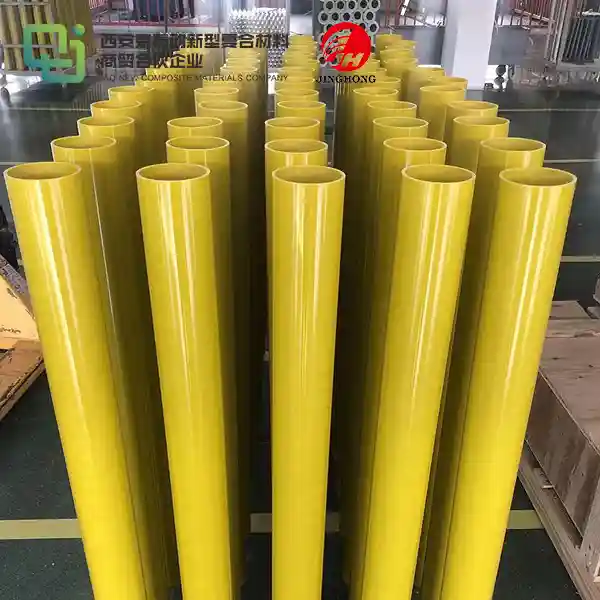
This tube is a Class H part that shields electricity. Diphenyl ether resin is mixed with woven glass fabric that doesn't contain any alkalis. The mixture is then heated and pressed to harden it.
Start with the Application: Define What the Tube Must Protect
Identify the Component and the Insulation Role
People should always start with the part number instead of the product name. Find out if the tube is the support, the main or secondary insulator, or the heat pipe. A motor winding sleeve, a transformer lead support, and a switchgear bushing sleeve all put stress on it in different ways. Most of the time, the electrical and electronics teams look at the dielectric margin. They also look at the load and the space between the parts. Changes in temperature and flame behavior are added by the automotive and power teams. If you share this information, the supplier can suggest a build instead of giving you a price for an item from the catalog.
Document Voltage, Temperature, and Service Life
Next, write down the voltage it will work at, the temperature it will stay at, how long it will last, and any short temperature peaks. The J&Q Diphenyl Ether Fiberglass Cloth Tube can work nonstop from -40°C to +180°C, which is the same as IEC 60085 Class H. If your hot spot is close to that limit, don't believe the label. Instead, ask for proof of thermal aging. Remember to write down how to set it up, too. If you slide the tube on, heat it up a little, or tape it in place, the material is stressed in different ways. There is less need to send emails when the list of needs is on one page.
Confirm Size, Wall Thickness, and Length Limits
The shape of a tube determines how well it fits and keeps heat in. You need to know how long each part has to be, how big the inside can be, and how big the outside can be. Inside diameters can be between 8 mm and 500 mm, outside diameters can be between 10 mm and 2000 mm, wall thicknesses can start at 0.5 mm, and lengths can go up to 2 m. J&Q can make custom sizes. We have stock that is 10 mm to 100 mm in diameter, 0.5 mm to 3 mm thick, and 0.5 mm to 1000 mm long. The ranges should match the drawing, and you should let the supplier know which dimension is most important for your case.
Evaluate the Construction and Material System
Glass Cloth Quality
Glass fabric is what holds everything together, so the strength of it sets the standard. You should find out about the weave, the weight, and how the supplier checks new rolls for broken filaments, dirt, and uneven density. In the end, bad cloth shows up as edges that are frayed, fibers that are loose, or spots that are weak when pressed. It is at least 250 MPa strong when pulled apart and at least 300 MPa strong when bent. Find the tube at J&Q. When you test the numbers yourself, you can use them to compare quotes and be sure they are correct.
Diphenyl Ether Resin System and Cure
The resin holds the glass layers together while the heat and radiation do their job. That diphenyl ether resin tubes can handle Class H service and be resistant to ionizing radiation up to 10^9 rads is written in their technical information. This makes them better than regular epoxy matrices. It's not just about chemistry that makes a cure good. If you use a tube that hasn't fully cured, it might get softer, lose its dielectric strength, or even split. Differential scanning calorimetry (DSC) is used to check the cure. Ask the supplier if the report includes both the raw resin and the finished tube.
Wall Thickness, Roundness, and Finish
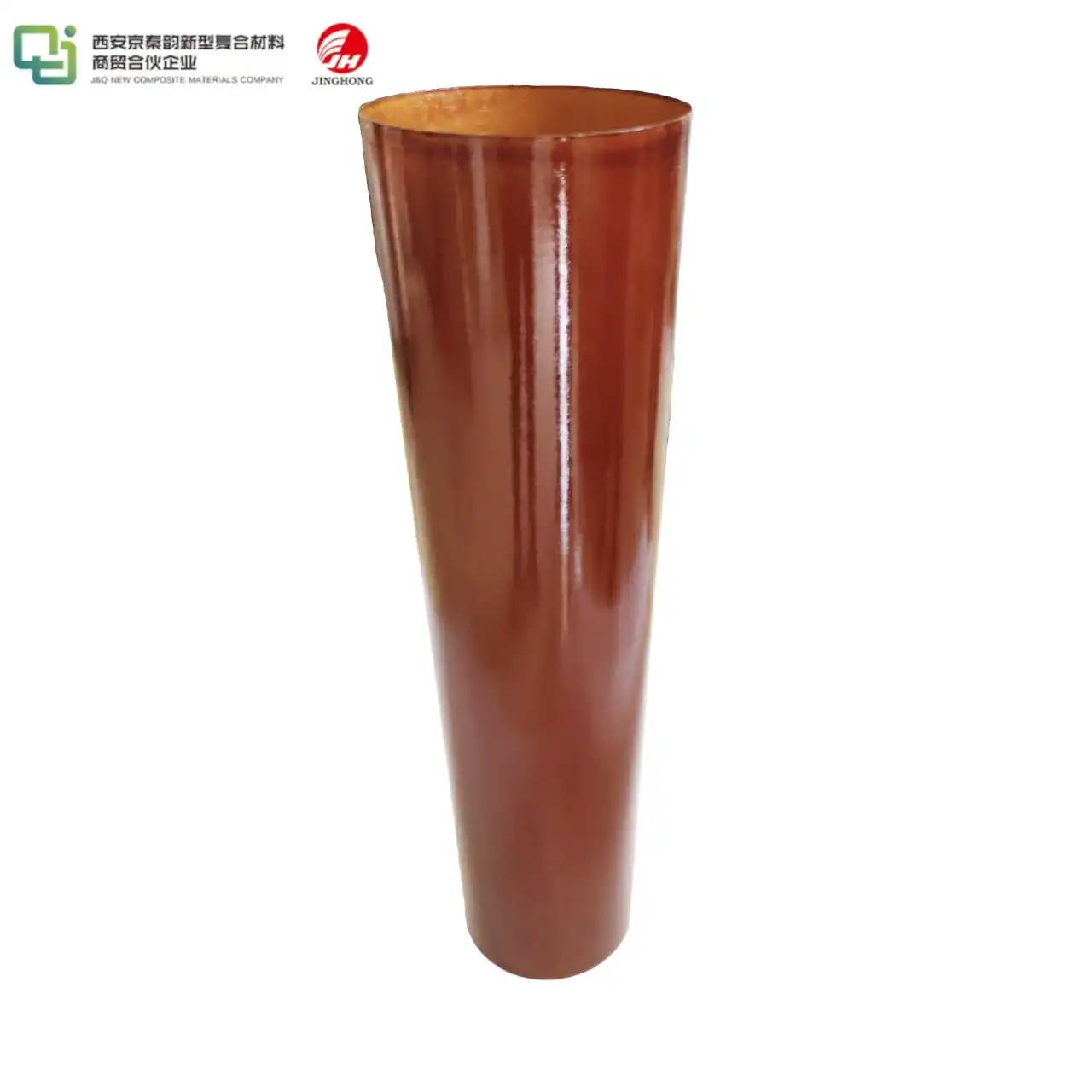
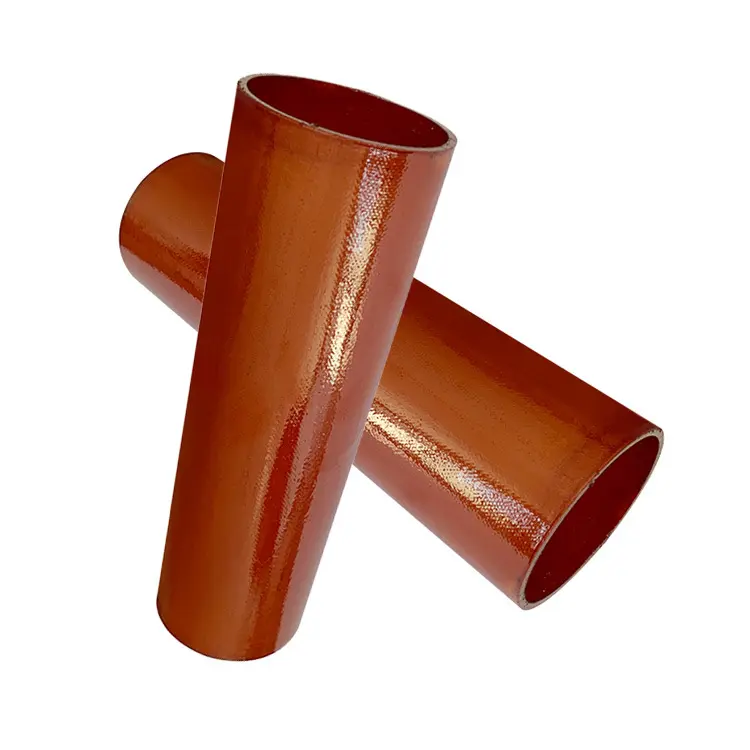
The insulation of a Diphenyl Ether Fiberglass Cloth Tube might or might not work depending on how thick the walls are. There's extra electricity in a thin area, and a tube that isn't round can't go over a coil or busbar. Ask for the minimum thickness of the wall, not just the value. Also, find out how good the straightness, concentricity, and end cuts are. These days, ISO 2768-m is mostly used to check measurements, unless the drawing has stricter rules. Look for cracks, blisters, and dry spots on the surface. It's easy to find the insulation when putting our tubes together because they are naturally red.
Compare the Performance Specifications That Matter Most
Thermal and Flame Data
Read claims about temperature very carefully. This rating should not be mixed up with the short-term exposure rating or the thermal endurance index. As long as the tube from J&Q is used continuously between -40°C and +180°C, it is UL 94 V-0 flame retardant. UL 94 V-0 says that each time a flame is applied, the burning must stop within 10 seconds, and there can't be any drips of flame that set cotton on fire. Find out the file number and the checked thickness. A thermal endurance index report is the best proof of a Class H claim, so make sure you get one before you approve the claim.
Electrical and Mechanical Data
This number tells you how much voltage the wall can handle. The product information from J&Q says it needs to be at least 20 kV/mm and only hold 0.1% water. Find out what kind of test was done (IEC 60243-1 or ASTM D149), how thick the sample was, and whether it was done in oil or air. Depending on the setting, the outcomes will be different. Numbers that work are also important. That means the tube can handle loads and shocks. It has a tensile strength of at least 250 MPa and a flexural strength of at least 300 MPa. If a plant is wet, the electrical resistance stays the same because the plant doesn't take in much water.
Compare Alternatives Before You Decide
If you need to, compare the tube to other types of insulation. Silicone fiberglass sleeves are more likely to bend, while PTFE tubes don't react well with chemicals and don't rub against other things. Epoxy glass tubes like G10 or FR4 types are usually Class F, 155°C. It is best to use a Diphenyl Ether Fiberglass Cloth Tube for projects that need Class H, 180°C spare space. Add up the installation cost, the behavior of the flame, the dielectric strength, the steady temperature, and how stable the dimensions are. This is because a datasheet can't show how the parts fit together, how they shake, or how much chemical exposure they get.
Check Manufacturing Process and Quality Consistency
Process Controls to Ask About
It will work differently if the cure temperature, resin content, or winding tension changes even a little. Find out from the supplier how they keep an eye on every step. The first step in a good process is to check the glass cloth. The next steps are to impregnate, wind, pressure cure, cut, and finish the edges. To get the control points, you should ask about the thickness of the resin, the weight of the coating, and the temperature at which it hardens. You should also check the sizes. There are batch records that connect each lot to its raw materials. This makes it faster to find the root cause of a problem in the field. People who answer with facts instead of generalizations usually have a stable line.
Certificates, Test Reports, and Compliance
The form you fill out for a Diphenyl Ether Fiberglass Cloth Tube should match the thing you'll get. The store has ISO 9001:2015 and ISO 14001:2015 certifications, and all of its items are RoHS and REACH safe. If you are in the US, you should still ask for test reports that are unique to each lot, a certificate of conformity, and the UL, ASTM, or IEC standard that each result is based on. It's easy to see the breakdown voltage when you test the dielectric in transformer oil next to and across the laminations. Keep these records in your file so that they can be looked at when someone comes in.
Batch Stability and Incoming Inspection
Consistency between shipments is most important for programs that ship a lot of items, like those that work with cars and appliances. Before you place your first order, you should agree on the acceptance criteria. These should include the size, any flaws that can be seen, and the electrical results for each lot. People who buy things often keep samples from lots that have already been approved as guides and use them to compare every new shipment to. When you get there, measure the walls several times to make sure they are thick and look for delamination, dry spots, and blistering. They should have to write to you if they change the resin, cloth, or process. Change control is the name for this. What you've learned can still be used after this.
Assess Supplier Capability and Total Cost Before a Bulk Order
Confirm Who Makes the Tube
Find out if the business you're dealing with makes things, ships them overseas, distributes them, or acts as a go-between in a trade. This will change how they deal with changes and technical support. For more than 20 years, J&Q has made and sold insulation materials. For more than 10 years, they have also done business with other countries. That helps you figure out if your volume fits into a single production plan. This item can hold 100 tons per year. Any supplier can tell you about their tools, standard sizes, quality control systems, and how much experience they have exporting. To make things easier, pick a factory that gives clear instructions on how to use resin, cloth, and cure the item.
Customization and Delivery Terms
When you need something made just for you, you need a supplier who can work from plans, samples, and data on tolerances. Within the ranges given, we can make diameters, wall thicknesses, and lengths that are just right for you. We can also help you make changes like slots, holes, and more. We ship by sea, land, or air through our own logistics company and use standard boxes as well. This way, the same group of people works on both making and delivering the goods. Before you place an order, make sure you know the lead time, the capacity during peak seasons, the export packaging, the paperwork, the warranty terms, and how claims will be handled. What you read changes your line schedule just as much as these points do.
Compare Total Cost, Not Unit Price
The unit price only shows a small part of how much the whole thing costs. Tests, freight, duties, incoming inspection, installation labor, scrap, and the chance of having to buy something new should all be taken into account. Full quotes tell you everything about a product, like how it's made, its size, tolerances, ratings, standards, quantity, packaging, lead time, Incoterms, payment terms, and how long the quote is good for. Before you order samples, pilot orders, or a lot of something, get quotes for both custom work and standard sizes. If you do this, you can make sure the tube works with your process before you buy a lot of it.
Avoid Common Sourcing Mistakes and Use a Buyer Checklist
Mistakes That Create Avoidable Risk
This is what most people do wrong: they choose a tube based only on its temperature rating. That could be a cover for poor dielectric strength, poor thermal aging, or chemicals that don't work well together. Also, the minimum wall thickness and tolerances aren't taken into account. This means that insulation points may be too thin and not fit right. It's not really true when something is said to be "flame retardant," "oil resistant," or "high temperature" without being tested and having limits set. In the end, delamination is the most common way for laminated tubes to break. If the temperature is too high or the machining force is too high, this is likely to happen. Make sure that your design stays within the limits of shear strength.
Technical Checklist
Find out what you need before you ask for a quote. This includes the size, the tolerances, the operating temperature, the dielectric requirement, the chemical exposure, the mechanical load, and any standards that apply. Include the things that need to be packaged and the requirements for taking samples. If you want to machine the tube, keep in mind that glass fiber is rough. To keep heat and dust from building up, use coolant and tools that are coated in carbide or diamond. When cutting, workers should also wear PPE. Keep the tubes in a cool, dry place that is less than 25°C and has low humidity. This way, water on the surface won't change the results of the high-voltage tests.
Supplier and Commercial Checklist
Then, find out the name of the supplier, the name of the manufacturer, the factory's skills, quality steps, traceability, customization, export experience, capacity, lead time, and how it handles lots that don't meet standards. Test the installation and performance on samples or a pilot order to make sure they pass. Also, make sure that production is the same for all lots and that all the paperwork is in order. Make sure that the terms of the deal allow for long-term supply. There is one list that is used by the engineering, purchasing, quality, and logistics teams. You won't be surprised as often, and approval will happen faster.
Conclusion
A Diphenyl Ether Fiberglass Cloth Tube works best when you know what you want to do and then make decisions based on that. Next, buyers should check the part's voltage, temperature, and shape. After that, they should look at the glass cloth, resin cure, and wall thickness of the finished tube. A single rating is not as important as the temperature, electrical, and mechanical data that have been checked, like Class H capability, dielectric strength, and UL 94 V-0 flame behavior. Each material fits in with silicone, PTFE, and epoxy glass when you look at them next to each other. All shipments are high quality because the manufacturing is always the same, there are test reports for each lot, and there is clear change control. You can get a better idea of how much everything costs when you add up the checks, freight, testing, and scrap. Tests and a pilot order are used to make sure the product works well in the real assembly before it is sent out on a long-term basis.
FAQ
What is a Diphenyl Ether Fiberglass Cloth Tube used for?
Power electronics, motors, transformers, bushings, battery systems, and high-voltage switchgear all need Class H heat resistance. This stuff keeps them cool. It depends on the voltage, the temperature, and how it's built to work well.
How should I read the temperature rating?
The temperature should stay at 180°C at all times. Along with the Class H claim, ask about short-term exposure and thermal aging data to back it up.
How does it differ from G10/FR4?
In G10/FR4, Class F, 155°C epoxy resin is used. The diphenyl ether resin can handle Class H temperatures of up to 180°C and blocks radiation better.
What should a quotation include?
Details about how it was made, its size, tolerances, ratings, standards, quantity, packaging, lead time, and any supporting documents, such as test reports and certificates of conformity, should be included. For custom sizes, you need a sketch or a piece of the item.
Request a Diphenyl Ether Fiberglass Cloth Tube Quotation from J&Q
We will help you find the right Diphenyl Ether Fiberglass Cloth Tube if you email us at info@jhd-material.com with your drawings, inner diameter, wall thickness, temperature, and voltage needs. We've been making Diphenyl Ether Fiberglass Cloth Tubes for over 20 years. We also have our own logistics company, which means that we can handle shipping, samples, and custom sizes all in one place. Visit jhd-material.com to find out more.
References
1. IEC 60085: Electrical Insulation – Thermal Evaluation and Designation, 2007
2. ASTM D149: Standard Test Method for Dielectric Breakdown Voltage and Dielectric Strength of Solid Electrical Insulating Materials at Commercial Power Frequencies, 2020
3. UL 94: Tests for Flammability of Plastic Materials for Parts in Devices and Appliances, 2013
4. IEC 60893-1: Insulating Materials – Industrial Rigid Laminated Sheets Based on Thermosetting Resins for Electrical Purposes, Part 1, 2004
5. ASTM D229: Standard Test Methods for Rigid Sheet and Plate Materials Used for Electrical Insulation, 2019
6. ISO 9001: Quality Management Systems – Requirements, 2015