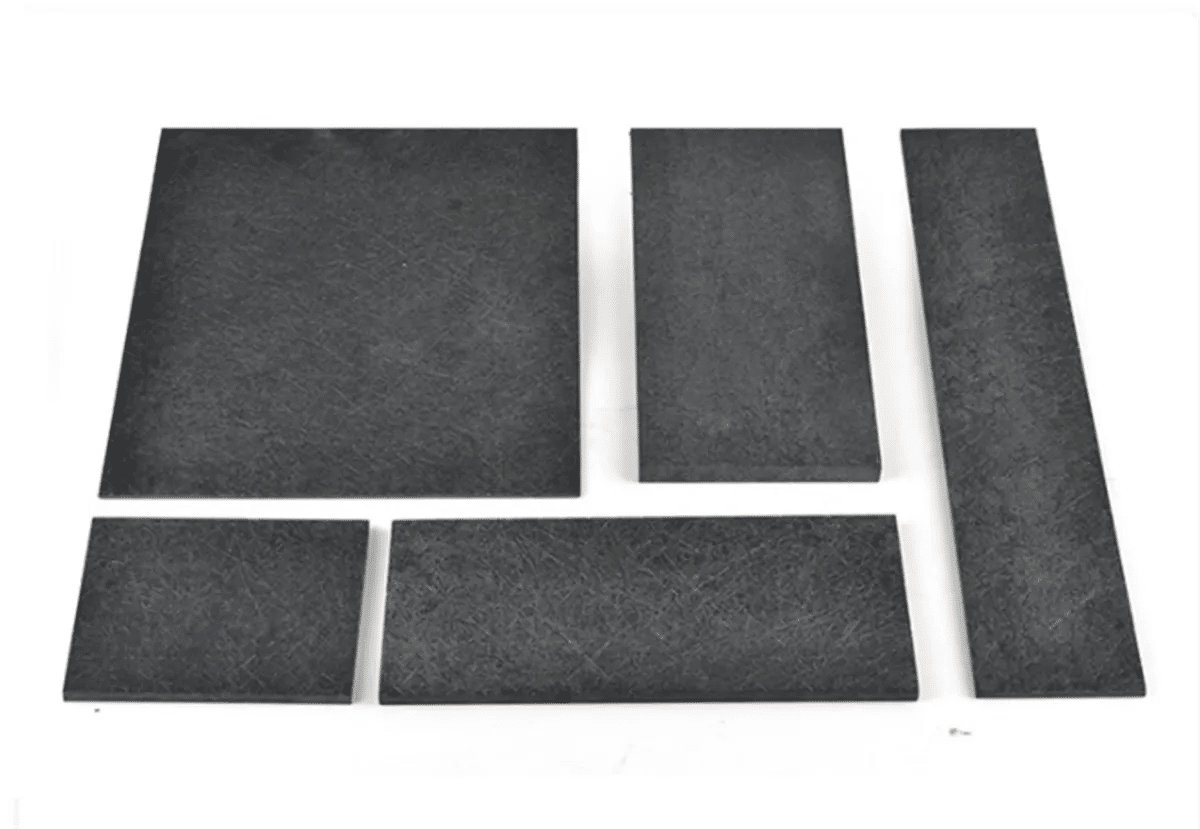
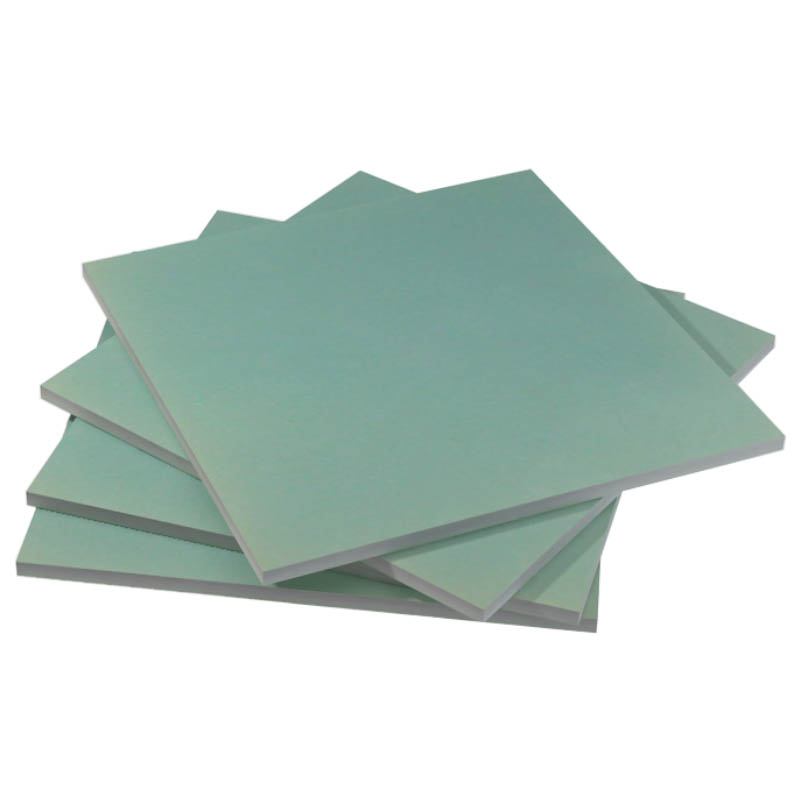
How to Select 3240 Laminate Sheet Thickness for Custom Electrical Parts?
2026-11-17 16:29:52
To begin, find the lowest voltage that is set by the voltage, the clearance, and the creepage. This will help you choose the right 3240 Laminate Sheet thickness for the electrical parts you are making. Then you need to think about temperature, moisture, mechanical load, machining stock, and the difference in thickness. With standard sheet gauges in mind, pick the thinnest piece that still meets all the needs with some extra room. Use a datasheet and a prototype test in the real world to be sure you made the right choice. This way, the procurement and engineering teams won't have to redesign things as often or buy things that the part doesn't need. I'll explain each step below.
Start With the Material and the Application
Why 3240 Laminate Sheet Thickness Matters
A lot of the time, teams think of thickness as just one number on the voltage chart. The thickness also changes how much it costs, how stiff it is, how heavy it is, how far the insulation goes, and how long it takes to machine. It takes more stuff and more work to move a 3240 Laminate Sheet that is extra thick. Epoxy glass cloth laminates are made by a company that says full-size sheets wider than 7 mm can weigh more than 25 kg. Because of this, they are heavier and tougher to move, cut, and ship. Pieces that aren't as thick are lighter and take up less space, but after being put together, they might bend, chip, or become less flat. We need to find the thinnest part that still works for electricity and mechanics in order to do this. And it's easy to machine and put together. This way, the part is less likely to need to be redesigned.
Understand the Basic Properties of 3240 Laminate Sheet
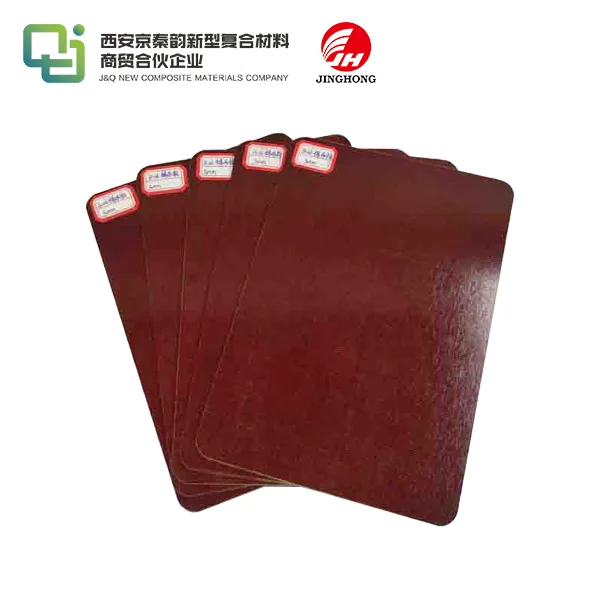
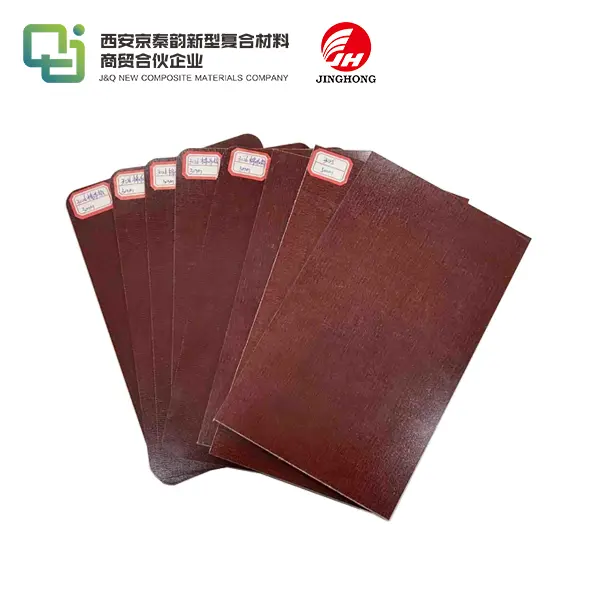
Epoxy, polyester, and glass cloth are mixed together to make the 3240. For alkali-free glass cloth, the cloth is soaked in resin, stacked, baked, and then pressed hard with hot water under controlled heat and pressure. In this way, a rigid sheet is made that is reliable in terms of its dielectric integrity, works well mechanically, and doesn't soak up as much water as paper laminates. It also works well on CNC machines and doesn't mind getting oily or wet. Some changed materials can go up to Class F (155°C), but most are only rated Class B (130°C). Keep in mind that "3240" is just a grade name and not a full specification. Different suppliers might offer different types of resin, thickness ranges, thermal ratings, and paperwork. Read the datasheet and test conditions before you agree on a thickness.
Define the Electrical and Mechanical Requirements First
Before you look at gauges, write down what you need. For the electrical side, write down the noise level, the creepage, the clearance, the level of pollution, and the height. With IEC 60664-1, you can read about how these things connect and work with each other. Write down the following about the mechanics: impact, vibration, bending load, compression load, and thread pressure. After that, you need to add the environment, which includes the temperature range, humidity, condensation, oil exposure, and thermal cycling. Cover or coat parts that will be outside because UV light can break down epoxy phenolic resin over time. Last, check the height of the stack, the length of the screws, and the space inside the box. When looking at a drawing, many people make the mistake of choosing thickness based only on voltage. I can't do that because of this list.
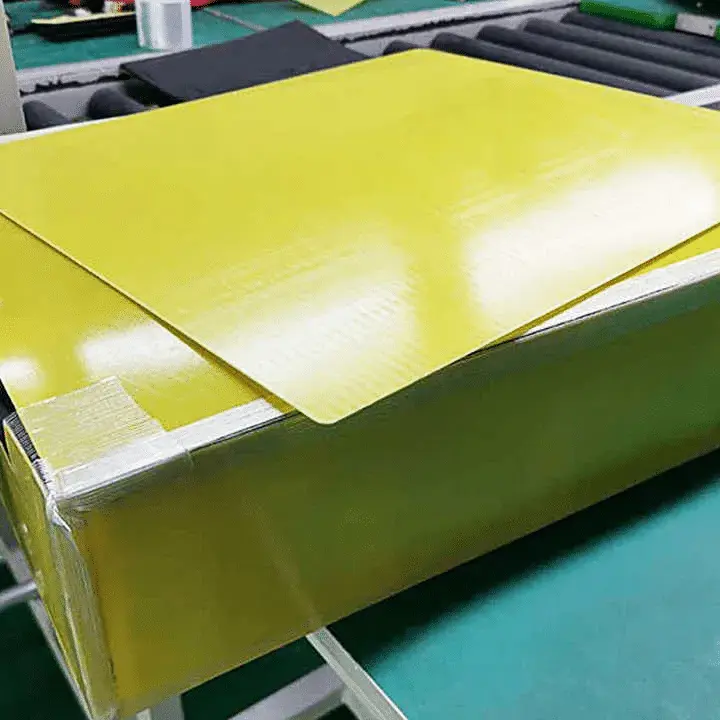
Select Thickness for Real Electrical Parts
Use a Practical Selection Method
Don't change the order of a 3240 Laminate Sheet as you go along the length. First, figure out how thin the electrical design needs to be. Second, add parts to account for mechanical stress, like the bend's length or the weight of the bolts. Third, think about the range of thicknesses and any machining stock you may need to mill or grind the faces. Fourth, compare the answer to well-known sheet gauges. A standard gage usually means less waste, less lead time, and less work with the tools than a special thickness. On the drawing, keep the thickness of the raw sheet and the thickness of the cast part separate. Know the gage's range before you use it. As gage goes up, tolerances tend to get bigger. To make sure that prototypes are safe or strong enough to hold weight, they should be tested under voltage, temperature, humidity, and vibration conditions that are common for the assembly.
Thickness Guide for Common Electrical Parts
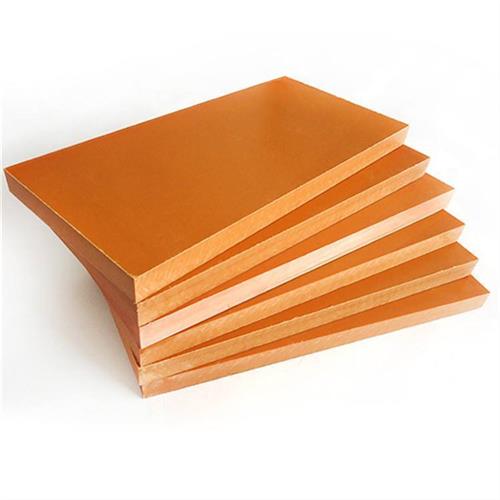
There are many ways to use thin, empty sheets. They can be used as washers, barriers, and light spacers. When you handle them, be careful because the narrow parts break, chip, and become less flat more quickly. When you need to balance terminal boards, insulating plates, transformer barriers, coil supports, and motor insulation parts, medium grids work well. When rigid support plates, high-load spacers, and structural insulation parts need to be strong and not bend, thick sheets are used. Some of these are base plates for drilling PCBs and mold fixtures. The costs are more weight, more time on the job, and more stuff. If you can't find a thick one, you can glue sheets together. Just make sure that the glue line doesn't harm the dielectric or the environment, especially if it's used in places that are oily or wet. I start with these ranges and then use math and tests to make sure they are right.
Match Thickness to Machining and Tolerances
How thick the part is determines the cuts and holds that are used. You need to make more cuts, hold the piece in place longer, and run the machine for longer when cutting thick pieces. To keep very thin sheets from moving or breaking, they need to be held up. Because glass fiber is rough, you should use tools with carbide or diamond tips. For their safety, make sure there is no more dust. The holes won't chip or come apart if you keep the drilling pressure under control. Keep the tolerances for the raw materials separate from the finished sizes as you work on the drawing. Describe the surface finish, where the holes are, how the edges are treated, and how flat the surface is. Make sure there is enough space around slots and holes, and don't cut the inside corners too sharply. Early on, getting these details from the supplier can often help boost yield and make sure that each batch is the same.
Compare Materials and Verify Compliance
Compare 3240 With FR-4, G10, and Phenolic Laminates
Use math instead of names when you want to compare things. It's clear what FR-4 is because it doesn't catch fire (UL 94 V-0). On the other hand, the 3240 self-extinguishing rating is not the same. It is a grade of epoxy-phenolic. G10 is a glass epoxy laminate that doesn't have to be flame-retardant, so it's not the same as FR-4 either. When fire safety is not the most important thing, the 3240 board is often a better deal than these grades. Paper phenolic laminate doesn't last as long, but it costs less. Acrylic and PVC can be used to make simple things, but they aren't very rigid and don't hold up well to heat. Check the bending strength, dielectric strength, water absorption, thermal rating, chemical exposure, ability to be machined, and approvals that are needed. That is the one you should choose if you need a higher test grade for flame, heat, or certification.
Verify Electrical, Thermal, and Compliance Data
Make sure that the part that was customized from a 3240 Laminate Sheet fits in with the whole project. What tests can be done depends on how it was made. There are surface resistance, tracking resistance, arc resistance, partial discharge, and dielectric strength, to name a few. This is how you should always check for dielectric breakdown, as shown in ASTM D149. Its dielectric strength is affected by how thick it is, what it is in, and how it has been treated. Use a curve instead of a straight line to scale the values, since thicker pieces usually have less strength per millimeter. Sheets should always be dry, and they should be completely dry before they are used in parts with a lot of voltage that can't handle water. Ask for the most recent test reports, conformity certificate, datasheet, and batch tracking. Some documents that you might need to add are RoHS, REACH, UL, or ones that are unique to the customer. Make sure you know exactly what the materials need to be before you give the production go-ahead.
Avoid Common Thickness Mistakes
Many of the same mistakes are being made over and over again in different projects. To use the thickest sheet doesn't make things better; it just costs more, takes longer, and weighs more. The second way is to pick based only on voltage, not on wear and tear, movement, or space. Third, it doesn't take into account the tolerance of the finished part. This means the part doesn't fit right after it's been cut or ground. Finally, let's say that 3240 can be used instead of phenolic laminate, FR-4, or G10. Some parts might bend, crack, or lose their insulation if they are too small or don't meet the requirements. It's also important to find out right away if the supplier offers prototypes, custom sizes, CNC machining, inspection reports, and packing for export when someone wants to buy something. You can avoid most of these risks by being clear about what you want and making sure the supplier is skilled.
Choose a Supplier and Finalize the Decision
How to Choose a Dependable 3240 Laminate Sheet Manufacturer?
A good supplier knows a lot about the things they sell, how to make them, and has sent things to other countries before. Find out if it makes both flat sheets and parts that have been machined. It's also important to know how to cut, drill, mill, grind, and check. Always look at the new materials that come in and make sure they are pressed and cured correctly. You should also measure the thickness and flatness, keep track of the batches, and be able to make changes. J&Q has been in business for more than 20 years and has bought and sold goods in other countries for more than 10 years. Our logistics company helps people from inside and outside the country get everything they need in one place. You need to describe the grade, thickness, size, drawings, quantity, working conditions, tests that need to be done, certifications, delivery location, and how you want the goods to be packed in order to get a quote.
Decision Checklist Before the Purchase Order
You should read the application five times before you agree to a thickness. When it comes to electricity, you should check the maximum and operating voltages, the creepage and clearance, the risk of arcs or partial discharges, and the certification requirements. From a mechanical point of view, go over bending, compression, vibration, impact, fastening pressure, and stiffness again. Weather: Make a note of the temperature, humidity, chemicals, oils, and time spent outside. Making: Make sure you have the right materials, tools, and know how to machine them correctly. Also, check that the prototype works and that the parts are flat. Commercial: Make sure you have the right paperwork and know the minimum order quantity, lead time, packaging, shipping terms, and future work that can be done. It's important for engineering and procurement to agree on something, since a thickness that looks fine on paper could still make it cost more or take longer to build. After this short review, which doesn't cost much, not many changes can be made.
Thickness Considerations by Industry
In each business, the same factors are taken into account in different ways. Electronics companies care about how well dielectrics work, how easy it is to use a CNC machine, and the UL and RoHS paperwork for backing plates and terminal boards for PCB drilling. They pay close attention to how thick the parts are, how much weight is on them, and how much wear they have. People who want to buy energy and power look at oil coil supports and barriers. This is where stability and price class matter the most. Quality that stays the same from batch to batch is important for auto suppliers. When it comes to battery pack barriers, they should look at the flame requirements since 3240 doesn't usually have the FR-4 rating to put out fires on its own. It's important for people who make appliances to get frames and brackets quickly, keep prices low, and keep mass production steady. Tell me about your business and how you're going to use the gauge.
Conclusion
One of the best ways to choose the thickness of a 3240 Laminate Sheet is to do it in order. To find out what the electrical needs are, you should first look at the voltage, the creepage, and the clearance. After that, you need to think about the environment, the tolerance, the mechanical load, and the machining stock. It's not as important what the 3240 is called because its properties change with each grade. The test method and datasheet are what matter. The right tools must be used to do the job well. Different materials, like FR-4, G10, and paper phenolic, have different flame ratings, costs, and how strong they are. It's not always better to go thicker because it makes the fabric heavier, takes longer to machine, and is harder to work with. Parts that fit well, keep you warm, and last a long time can be made with written proof of compliance and clear drawings that show the difference between raw and finished sizes.
FAQ
Is there one best thickness for every electrical part?
Not at all. The right thickness depends on the shape, the load, the voltage, the creepage, the clearance, the temperature, the moisture, and the humidity. It costs more, weighs more, and takes longer to install materials that are thicker.
Can I replace FR-4 or G10 with 3240?
Not until someone looks it over. UL 94 V-0 says that FR-4 doesn't catch fire, but 3240 does most of the time. Start by comparing the datasheets to see how well they work in terms of heat, electricity, and flame.
What should I send to get a thickness recommendation?
The amount, the length, the width, the temperature, the environment, any certifications that are needed, and the address where the goods will be sent should all be sent. Now we know for sure the grade, gage, tolerances, and the best way to machine the part.
Contact J&Q for a 3240 Laminate Sheet Thickness Recommendation
You can send J&Q an email at info@jhd-material.com with your drawings, as well as the voltage, temperature, and amount you need. After that, someone from our team will measure how thick your 3240 Laminate Sheet is. We offer 3240 Laminate Sheets for sale. Insulate sheets have been our business for over 20 years, and we've been trading with other countries for over 10 years. We also run our own logistics company. From the sheet to the send-off, we can take care of everything. To learn more, go to jhd-material.com.
References
1. NEMA LI 1, Industrial Laminated Thermosetting Products, 1998
2. ASTM D149, Standard Test Method for Dielectric Breakdown Voltage and Dielectric Strength of Solid Electrical Insulating Materials at Commercial Power Frequencies, 2020
3. IEC 60664-1, Insulation Coordination for Equipment within Low-Voltage Supply Systems, Part 1: Principles, Requirements and Tests, 2020
4. IEC 60893-1, Insulating Materials: Industrial Rigid Laminated Sheets Based on Thermosetting Resins for Electrical Purposes, Part 1: Definitions, Designations and General Requirements, 2004
5. UL 94, Tests for Flammability of Plastic Materials for Parts in Devices and Appliances, 2013
6. ASTM D790, Standard Test Methods for Flexural Properties of Unreinforced and Reinforced Plastics and Electrical Insulating Materials, 2017