What Should Manufacturers Consider When Sourcing FR4 Laminated Fiberglass?
2026-11-17 16:29:51
When businesses need to buy Fr4 Laminated Fiberglass, they need to think about six things: the grade and its datasheet values, the flame rating at the thickness they want to use, the mechanical and thermal loads, the sheet size and tolerance, the supplier's paperwork and capacity, and the total cost, which is not just the price per unit. Glass fabric and epoxy resin are mixed together by heat and pressure in Fr4 Laminated Fiberglass. Both of these things must be controlled well for the mill to work well. Your team can compare quotes with this guide because it talks about every part and how we at J&Q handle it.
Understand What You Are Buying
Before you compare the quotes, it's helpful to know what's on the sheet.
Composition and Basic Structure
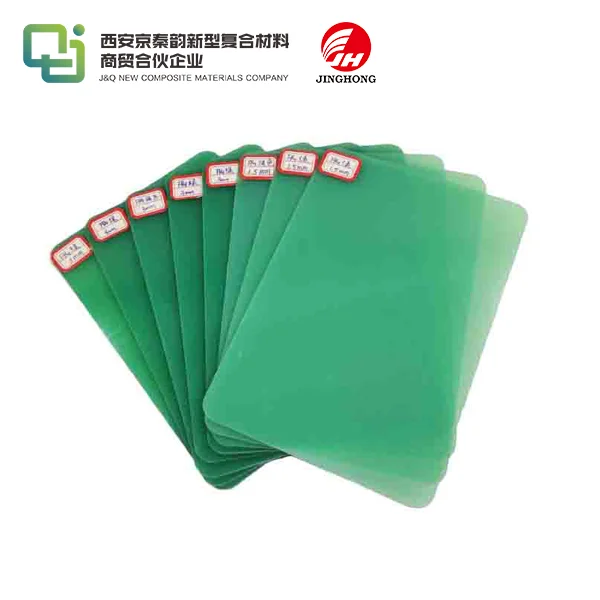
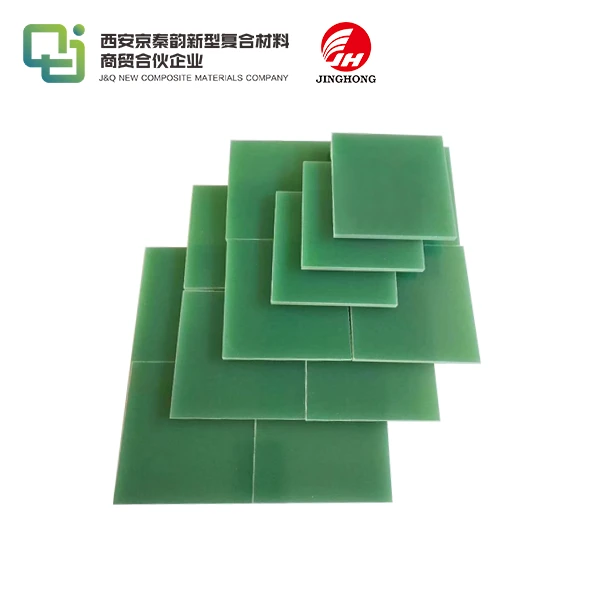
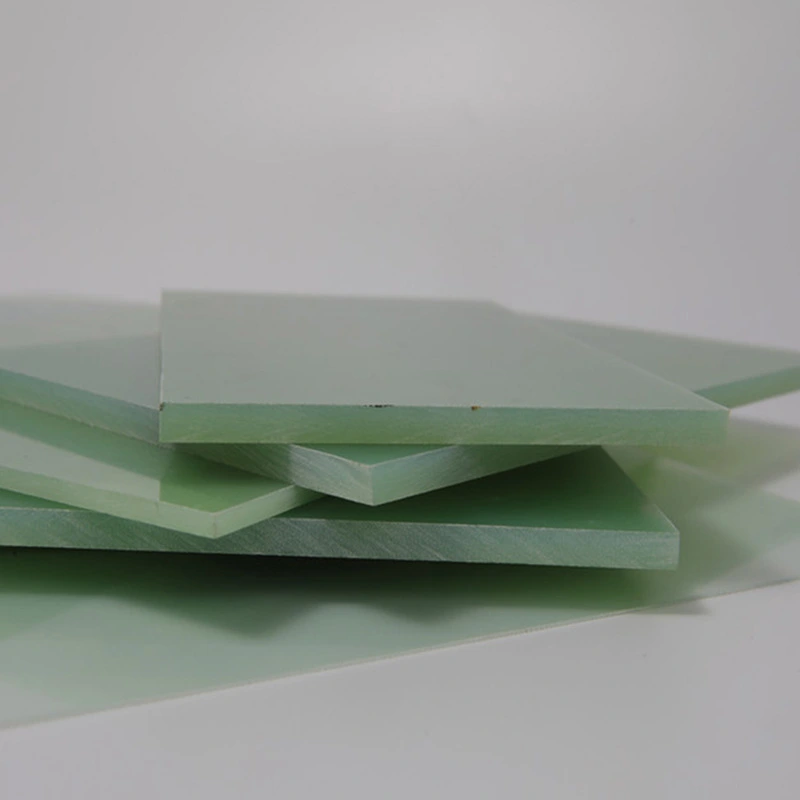
Weave glass fabric is mixed with epoxy resin, and then it is pressed with a lot of heat and pressure. Because it is made of glass fabric, the board is strong, stiff, and keeps its shape. Chemicals, heat, and electricity can't damage the layers because of the epoxy matrix that holds them together. UL94 V-0 says that the board is "flame retardant," which "FR" stands for. To begin with, Hongda FR4 epoxy laminated board is a light green color. Its surface is flat, smooth, and free of holes. It doesn't soak up water and can withstand it. Engineers who make insulation plates, switch insulation parts, and test fixtures need to have these traits because flaws on the surface can make putting things together hard.
Why the FR4 Label Is Not a Guarantee?
Even though FR4 is a general class, that doesn't mean that every mill will give the same numbers. Even sheets with the same name can act in different ways because each factory has its own resin systems, glass cloth, and pressing controls. That's why I tell people who want to buy Fr4 Laminated Fiberglass to read the whole datasheet first. Check to see how each number was tested, how thick the sample was, and whether the number is normal, guaranteed, or tested for each batch. They can look at a datasheet that lists the standard, the size of the specimen, and the conditions of the test. For a sheet with only a few headline numbers, this is not true.
Reading the Hongda Technical Data
This is the report on our Hongda FR4 test. According to GB/T 1303.4-2009, the tensile strength can reach 282 MPa, the compressive strength can reach 548 MPa, and the bending strength can reach 571 MPa perpendicular to the laminations. It can take 57.3 kJ/m² of force to break through the layers. It breaks down at 16.7 kV/mm for the vertical layer and at more than 100 kV for the parallel layer. Both were checked out in 90°C transformer oil. After being soaked, it has an insulation resistance of 2.2×10²³ Ω, a permitting factor of 5.40 at 50 Hz, and a dissipation factor of 7.2×10⁻³. If you look at GB/T 2408-2008, it says that it is 2.01 g/cm³ dense, absorbs 5.3 mg of water, has a Barcol hardness of 76, and is V-0 flammable. Each one is a different thickness, so match the number to the note in the report.
Match the Grade to Your Application
Do not buy the wrong thing until you know what it will be used for.
Electrical and Flame-Retardant Requirements
It is important for electricians to write down the voltage, frequency, creepage, and clearance distances they need for their plans. Use the breakdown voltage and insulation resistance from the datasheet to see if the board has enough space. A standard called IEC 60664-1 is often used to make sure that the insulation in low-voltage equipment works well together. The flame performance should also get the same amount of attention. Based on a certain thickness, UL 94 ratings are given. Make sure the supplier confirms V-0 for the thickness you want to use, not just for a thin test sample. This is important for parts of switchgear, terminal boards, and transformers that need to be safe from both fire and electricity. The GB/T 2408-2008 standard says that our boards are not flammable (V-0). If you ask, we can give you the report.
Mechanical and Thermal Loads
Compare the bending, compressive, and tensile force values of Fr4 Laminated Fiberglass with the forces that act on the real part to find out how strong it is. Anything that moves, vibration, or cycling over and over can break a board that looks strong on paper. The second question is about how hot or cold it is. The temperature at which different resin systems work all the time is not the same. Also, standard FR4 and high-Tg grades are not the same. Find out what the rating is for the grade you want from the supplier. Make sure our team knows what your operating range is before you place your order. We'll let you know in writing if the standard board will work for you. This extra check is needed for parts like polished gears and barriers for lithium battery packs.
Thickness, Size, and Tolerance
Hongda FR4 sheets range in thickness from 0.3 mm to 100 mm, so the same supplier can cover both thin insulation pads and thick building blocks. It comes in sheets that are 1030 mm x 1230 mm. You can order it in sizes 1030 mm x 2030 mm, 1220 mm x 2440 mm, 1030 mm x 1030 mm, and 1030 mm x 2070 mm. When you nest the pieces, the amount of scrap changes, so choose the size that gives you the most parts. This is where you should write down the acceptable ranges for thickness, flatness, and surface finish on your purchase drawing. That's also something you should write down before production starts. It is most important to keep the thickness the same for spacers and mounting plates that need to fit tightly into an assembly.
Compare FR4 With Other Insulation Materials
Many buyers usually pick FR4, so it's helpful to do a quick comparison.
FR4 and G10
Glass cloth and epoxy are used to make both FR4 and G10, and they work and conduct electricity in the same way. One is not flammable, which is the main difference. FR4 uses a modified resin that meets UL94 V-0 standards, but G10 doesn't have that on its own and can't put out fires. A lot of the electronics business switched from G10 to FR4 because of this. Usually, the flame rating tells you what to do if the part is going to be near heat sources, live wires, or small areas. If your application doesn't need to be flame resistant, G10 might work. But FR4 can make it easier to get approvals when you need to use the same material for more than one line of products. Use the specific grade name instead of the general term "epoxy fiberglass sheet" when you ask each supplier for the datasheet.
FR4, 3240 Epoxy Board, and Bakelite
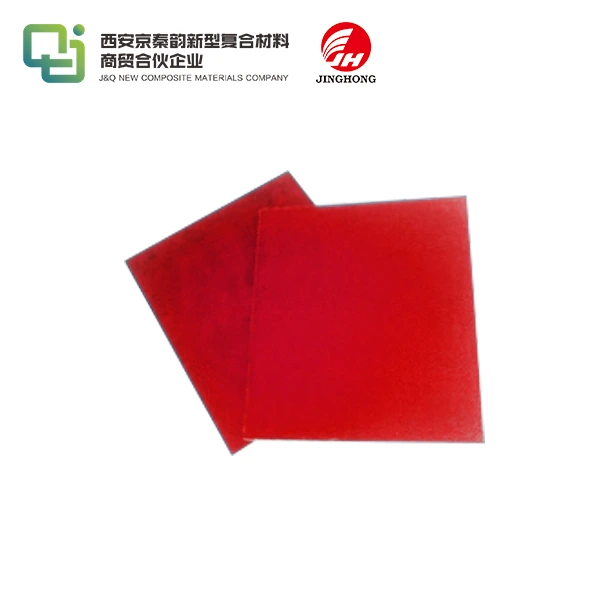
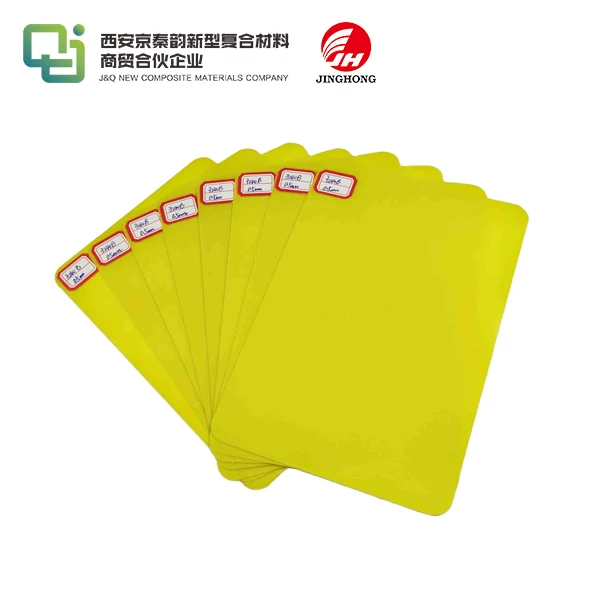
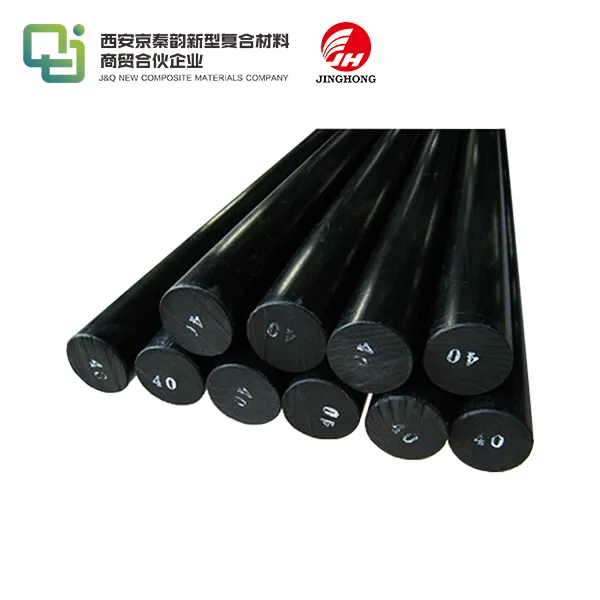
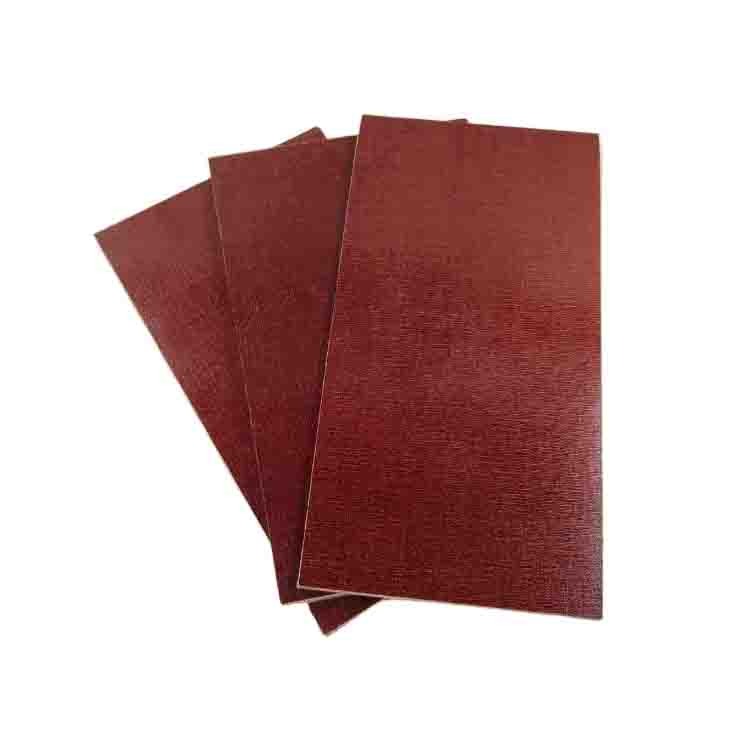
I work in a factory that also makes 3240 epoxy sheet, Bakelite sheet, and 3026 phenolic cotton sheet, so I can compare them since I've made all of them before. Gears, spacers, and other parts that need to be strong but not catch fire can be made from phenolic cotton sheet. Bevelite sheet is good for low-cost uses like motor brackets and appliance insulation frames. 3240 epoxy board is often used for general electrical insulation, and FR4 is best when you need UL94 V-0 flame performance. Every job calls for a different set of tools. Look at different samples, test standards, and datasheets side by side. Then, use your own application test to be sure you made the right choice.
Where FR4 Fits by Industry
Hongda FR4 is flexible and can be used for many tasks. You can use this stuff to make test jigs, PCB testing fixtures, switch insulation plates, and insulation plates. People who work with machines, like those who polish gears, cut it up into pieces. Power companies and people who make transformers use insulation sheets to keep coils safe and stop arcs. Companies that make lithium battery packs and other parts for cars care a lot about flame resistance and clean machining. The companies that make appliances use epoxy and Bakelite sheets for the frames and brackets. First, check to see if the board can do the job. This will help you make sure of the grade and thickness. Use a sample from the same production line that will send your bulk order.
Evaluate the Supplier and Manufacturer
It doesn't matter how good the datasheet is if the supplier can't make more of the same thing.
Documentation and Traceability
If the company that sells Fr4 Laminated Fiberglass is honest, they will give you paperwork that matches the sheets on your pallet. Make sure that the factory, grade, thickness, and production batch are written in the datasheet, test reports, flame-retardant data, and batch inspection records. Your quality team can link a problem in the field to a certain lot if it can be traced. Ask for samples and compare the first item to your drawing before you place a big order. As part of this, the size, condition, and results of important electrical or mechanical tests should be checked. In writing, tell the supplier that they need to let you know about any changes to the materials, process, or production site. Also, write down the changes that were agreed upon.
Capacity and Production Consistency
The size of an item on a scale lets you know if a manufacturer can handle your regular orders. In China, we are one of the biggest companies that makes insulation board. Our two factories make 43,000 tons of insulation board every year. Every year, the Hongda FR4 line can produce 13,000 tons of insulation board. Because our workshop is fully automated, the quality of each batch is the same as the last. We've been making and selling insulating sheets for over 20 years, and orders that come from us are the first ones that are made. Three things you should ask any supplier: How do you handle resin and glass cloth? How do you check every batch? Also, how do you plan to handle blanket orders?
Export Logistics and Payment
People from outside of China who want to buy something should read over the terms of payment, shipping, and packaging before they sign. HKFR4 ships with standard packaging and pallet protection, which keeps damage to a minimum while the package is being shipped. We ship, land, or fly the goods, and our own logistics company takes care of the whole process, from making the goods to sending them out. The payment terms are T/T. We've been trading with other countries for over 10 years and have a lot of clients from both inside and outside the US. In this way, our team can talk about both export paperwork and technical issues at the same time. Before delivery, set clear terms for lead time and acceptance. That way, the people who will be receiving it will know what to expect.
Plan Customization, Machining, and Total Cost
Last, decide how to send the items and how much the whole purchase will cost.
Standard Sheets, Cut-to-Size Blanks, or Machined Parts
Standard sheets are good for buyers who have their own CNC machines, for prototypes, and for when needs change. Cut-to-size blanks save time, work, and waste when the sizes stay the same. Milled parts save the most time when you need to make the same thing over and over. You can cut and machine FR4 into any shape you need because it is easy to work with. Glass fiber is rough, so to machine it, you need carbide or diamond tools and a way to collect the dust. You need to draw out the tolerances, hole quality, edge condition, and burr limits that you want when you ask for custom Fr4 Laminated Fiberglass. You should also include your packaging needs. That detail stops arguments at the inspection point of entry.
MOQ and Order Planning
It's possible to place an order as small as 500 kg, which is good for pilot runs and first orders of the different sizes. As soon as possible, please send us your forecast. Accurate demand data helps us plan production and make sizes that fit your needs. So that supply stays steady, talk to OEMs or distributors whose needs come up often about blanket orders and planned release dates. Don't forget to add the sample stage to your schedule. Check out the samples, get approval for the first item, and then start making a lot of them. It's likely that you'll have to do more work later if you skip approval to save a week. Making things first for people who buy from us is good for everyone, so having a clear schedule is important.
Total Cost Beyond the Unit Price
It's not just the price of the sheet. It is important to keep track of things like freight, delivery terms, rework, inspection time, material yield, and scrap. Any board that isn't the same thickness can lead to more waste during the manufacturing process, and a shipment that is late can stop a line. To make sure you get the right quote, please tell us the grade, thickness, size, tolerances, annual demand, application environment, processing needs, and the place where the goods will be delivered. Getting separate quotes for samples, pilot orders, and large-scale production will make it easy to compare each step. These prices are shown in a single quote since we do everything in one place, from making the goods to shipping them.
Conclusion
When people want to buy Fr4 Laminated Fiberglass, they should look at more than just the name of the item and the price per unit. There is no risk of fire with this material, which is made of glass fabric and epoxy laminated together. Still, how well it works depends on the type of resin used, how thick it is, and the test method used to get each datasheet value. Electrical, mechanical, and thermal needs should be matched to confirmed data. FR4 should be compared to G10, 3240 epoxy board, and phenolic options. Size and tolerance should also be confirmed. To make sure there are enough supplies, talking to suppliers about paperwork, traceability, capacity, and logistics is helpful. Approval of samples also helps find problems before they happen in large quantities. You can figure out how much something really costs by adding up the sheet price, scrap, rework, freight, and delay. People will be able to choose a material and a partner better if they do these things.
FAQ
What is the difference between FR4 and G10?
Both are made of glass cloth and epoxy and are laminates. They are about as strong for their weight. UL94 V-0 says that FR4 must not catch fire, but G10 does not have this property. FR4 has replaced G10 in a lot of electronics because of this. Before you buy something, always check the datasheet to make sure it has the right grade.
What are the thickness and size options for Hongda FR4?
It is possible for it to be 0.3 mm to 100 mm thick. It comes in sheets that are 1030 mm x 1230 mm. You can order it in sizes 1030 mm x 2030 mm, 1220 mm x 2440 mm, 1030 mm x 1030 mm, and 1030 mm x 2070 mm.
What are the MOQ and payment terms?
The MOQ doesn't matter if you only order 500 kg as a test run. You can pay by T/T. The sheets are kept safe on pallets while they are being shipped by air, sea, or land.
How can I get a datasheet before ordering?
Email info@jhd-material.com with the grade, thickness, size, amount, and purpose of the material you need. We'll send you the data sheet and talk about what you need.
Request a Quote for Fr4 Laminated Fiberglass From J&Q
Want a business that can make Fr4 Laminated Fiberglass and answer your technical questions in a way that you can understand? J&Q has been making insulating sheets for more than 20 years and sells Hongda FR4 sheets. It also has its own logistics company. Email info@jhd-material.com with the grade, thickness, size, quantity, and the address where you want the material sent. We'll send you a quote and datasheet right away. Fr4 Laminated Fiberglass is something we've sold for a long time. We can also make it in any size you need and take large orders. Visit jhd-material.com to find out more.
References
1. UL 94, Tests for Flammability of Plastic Materials for Parts in Devices and Appliances, 2013
2. NEMA LI 1, Industrial Laminated Thermosetting Products, 1998
3. IEC 60893-1, Insulating Materials – Industrial Rigid Laminated Sheets Based on Thermosetting Resins for Electrical Purposes – Part 1: Definitions, Designations and General Requirements, 2004
4. ASTM D709, Standard Specification for Laminated Thermosetting Materials, 2017
5. ASTM D149, Standard Test Method for Dielectric Breakdown Voltage and Dielectric Strength of Solid Electrical Insulating Materials at Commercial Power Frequencies, 2020
6. IEC 60664-1, Insulation Coordination for Equipment Within Low-Voltage Supply Systems – Part 1: Principles, Requirements and Tests, 2020