3640 Epoxy Tube Provides Strong Electrical Insulation for Industrial Equipment
2026-09-23 17:27:51
When industrial equipment fails due to insulation breakdown, the consequences range from costly downtime to serious safety hazards. The 3640 Epoxy Tube addresses this problem directly. Manufactured by hot-rolling alkali-free glass fabric cloth impregnated with epoxy-phenolic resin, this rigid laminated cylinder delivers proven dielectric strength exceeding 10 kV/25mm in oil, stable performance up to 155°C, and water absorption below 0.05%. It meets GB/T 5132 and IEC EP GC series standards, making it a dependable choice for switchgear, transformer coil insulation, and structural insulation applications across industrial sectors in the United States and globally.
Understanding 3640 Epoxy Tube: Specifications and Core Advantages
What Is This Material Made Of?
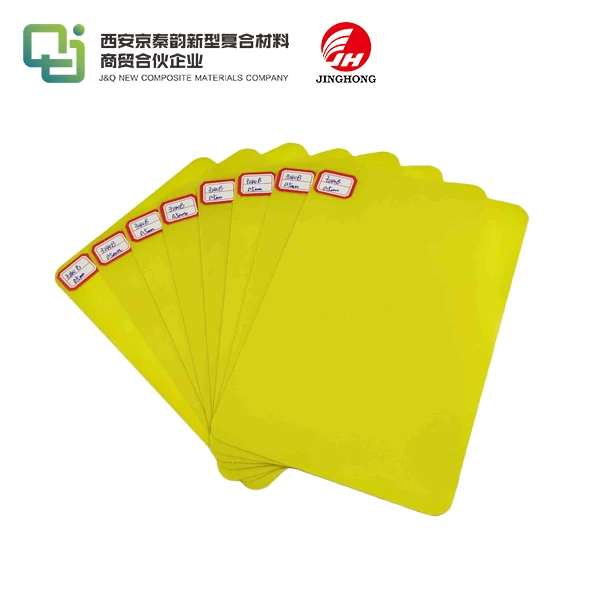
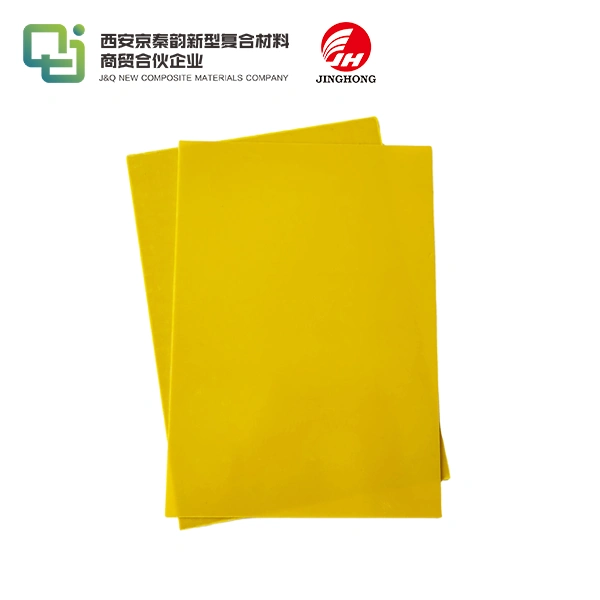
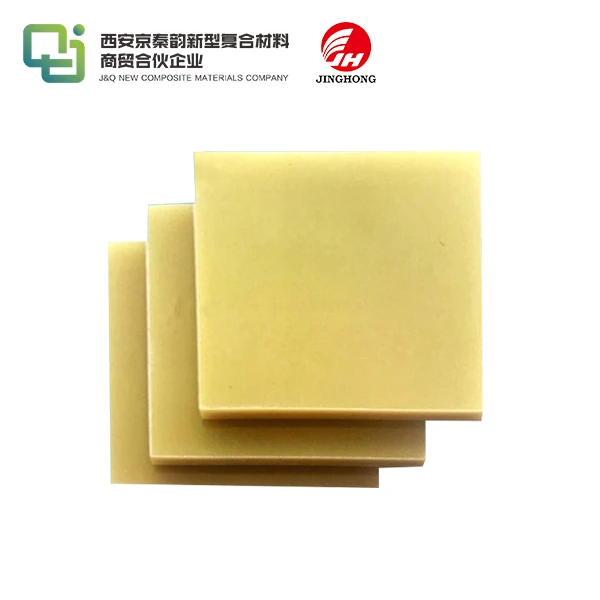
To make the 3640 Epoxy Tube, fiberglass cloth is mixed with epoxy glue and then rolled, baked, and cured under heat and pressure. This makes a yellow cylinder of Class B–F insulation that weighs 1.70–1.90 g/cm³. It looks smooth, has a uniform color, and has very tight thickness limits, which show that it was made with strict controls. This structure gives it mechanical rigidity and stable electrical insulation properties that silicone or plain plastic tubes can't match in places with a lot of demand.
Electrical and Thermal Performance
This 3640 Epoxy Tube keeps its insulation resistance above 100 MΩ even after being submerged in water. This feature directly stops dielectric breakdown in damp substations. It works effectively in Class B temperatures (130°C) and can handle Class F temperatures (155°C). Its dielectric strength stays the same under high-voltage stress when measured perpendicular to and parallel to the laminations. This is needed in transformer winding assemblies and arc barrier designs that power distribution engineers use.
Mechanical Strength and Machinability
One big reason engineers choose this material is that it can be cut with a CNC machine. Because it has a high interlaminar shear strength, you can cut it into 3640 Epoxy Tube threaded tubes, spacers, or coil cylinders without the layers coming apart. It doesn't break under high-speed switchgear operations due to hoop stress and keeps its shape through thermal cycling. These features lower the number of failed parts and make production easier for OEM sourcing managers and R&D engineers who need consistent standards across batch orders.
Here are the main performance benefits of this material that make it a popular choice in many fields:
- Dielectric strength: Higher than 10 kV/25 mm when tested in oil. This keeps voltage flashover from happening in liquid-filled transformers and high-voltage switches.
- Low water absorption: Below 0.05%, so it stays stable in wet substations and outside sites of power equipment.
- CNC machinability: Easily cuts into threaded parts, sleeves, and complicated shapes without peeling or cracking on the surface.
- Chemical resistance: It doesn't rust or react with transformer oil or other chemicals, so it lasts longer in electrical systems that are submerged in liquids.
These features directly lower the number of times insulation fails in harsh industrial settings, which saves procurement teams and engineers money on unplanned maintenance costs.

Choosing the Right Epoxy Tube for Industrial Electrical Insulation
Comparing Alternatives
Silicone tubes are flexible, but they are more expensive and don't last as long. If you need something that won't wear down easily, polyurethane tubes work well. But if the temperature stays high for a long time, they break down more quickly. The 3640 Epoxy Tube is the only one that can combine stiffness, dielectric strength, and oil protection. The 3640 Epoxy Tube regularly performs better than both options in technical tests for uses involving transformer coil insulation, high-voltage barriers, or structural gaps that are under load.
Key Evaluation Criteria
Procurement professionals should look at the thermal class grade, dielectric strength data, water resistance, machinability, and available certifications when choosing an insulating tube. A very important test is the insulation resistance after immersion. Materials that lose more than 100 MΩ of resistance after being submerged in water pose a real risk to electrical equipment. Before choosing a provider, getting test results and technical data sheets from a third party helps protect quality and lowers supply chain risk for long-term contracts.
Real-World Application Fit
When making a dry-type transformer, the coil insulation cylinders that separate the high-voltage windings are made of 3640 Epoxy Tubes. They protect against arcs and hold up busbars in industrial electrical systems. They are used by automotive R&D teams as heat-resistant fixtures and barriers for battery packs. Each use appreciates the material's consistency—the same dielectric performance and dimensional accuracy from batch to batch. This is exactly what technical procurement teams and managers at the tier-1 supply chain need.
Application Guide: How to Use 3640 Epoxy Tube Effectively?
Surface Preparation and Fit
Check the surface of a 3640 Epoxy Tube for dirt, moisture, or burrs before putting it into any structure. When mating surfaces are clean, they get rid of the factors that can weaken insulation. Because the tube is made with very close tolerances, check the inner and outer sizes against the picture of the part before the machining starts. Minor mistakes in measurements found early can save a lot of money on repairs or fails in the field.
Machining and Assembly Techniques
To cut, drill, or thread this material, use carbide-tipped tools and slow feed rates. When you're grinding, don't use too much heat, because long-term friction can damage the surface finish. Deburr all the edges after machining to keep stress points from getting microcracks. Check that all of the threaded parts fit together smoothly before putting them together. These steps keep the laminated structure safe and keep the insulation performance that the material was tested to provide.
Maintenance and Service Life
A 3640 Epoxy Tube keeps its properties for years without needing to be replaced. This is because it works best in dry places, at stable temperatures within the rated class, and with no harsh chemicals other than transformer oil. It is suggested that the surface be visually checked for cracks or discoloration on a regular basis. If the tube is used in equipment that is submerged in liquid, it should be checked for insulation resistance once a year to make sure it keeps working and to provide proof for quality tests.
Procurement Insights: Buying 3640 Epoxy Tube for B2B Industrial Clients
Supplier Verification
Before you buy a lot of something, make sure you get ISO certification, material test reports that match GB/T 5132 or IEC EP GC standards, and samples of the product. 3640 Epoxy Tube Verified suppliers offer consistent batch quality, which is important for OEMs and power equipment makers who make a lot of products. Make sure the seller has experience exporting and established operations, especially for shipments to the US, where import compliance paperwork is important.
Ordering Strategy
For first-time orders, ask for samples and compare the technical data sheet to the needs of your application. Make sure that the electrical test values, thickness limits, and density range all match the technical requirements. Bulk purchases usually have better wait times and prices, but delays can be avoided by ensuring production capacity up front. Before you sign off on the drawings, talk to your supplier about standard tube lengths and wall thickness options.
Logistics and Lead Times
A supplier that handles logistics in-house is better at managing customs paperwork, coordinating freight, and planning deliveries than one that only uses outside freight forwarders. J&Q has its own logistics business that handles orders from the plant all the way to delivery. This cuts down on mistakes in transit and gives procurement teams a single point of contact for updates on both the product and the shipping status.
Future Outlook and Trends in Industrial Electrical Insulation Using Epoxy Tubes
Tightening Environmental Standards
The U.S. market for electrical equipment keeps moving toward materials that release fewer toxic organic compounds and are easier to recycle. To meet these needs, epoxy mixtures used in fiberglass layered tubes are changing. For example, newer resin systems lower the amount of fluid used during production without affecting the dielectric performance.
Demand from Renewable Energy
Grid modernization and the growth of renewable energy infrastructure are increasing the need for reliable insulation materials in wind turbine generator assemblies, battery energy storage systems, and transformer bushings. 3640 Epoxy Tubes have consistent electrical and thermal performance, which makes them a good choice for these growing markets.
Customization for Advanced Systems
OEMs want tubes with non-standard sizes, better tolerances, or certain surface treatments more and more so that they can be used in automatic production lines. Long-term OEM ties are formed with suppliers who can make precise custom products, like small-diameter coil cylinders or big arc barrier tubes. J&Q has worked with companies like Schneider Electric to provide unique epoxy tube options for customers in the United States and other countries.
Conclusion
The 3640 Epoxy Tube has a dielectric strength above 10 kV/25mm, thermal stability up to 155°C, and water absorption below 0.05%. This means that it can be used to measure electrical insulation performance. It can be machined easily, is resistant to chemicals, and stays the same size, which makes it a good choice for making transformers, switches, and insulation for cars. Choosing a verified supplier with production experience and logistics skills lowers risk and makes delivery more predictable for engineering managers and procurement specialists who are building reliable supply chains. This material has been tested, is standardized, and can be made to fit your needs.
FAQ
What is the maximum operating temperature of the 3640 Epoxy Tube?
Class B service is allowed at 130°C, and Class F service is allowed up to 155°C. This is enough for most industrial uses involving transformers, switches, and motor insulation.
How does it compare to silicone insulation tubes?
Silicone tubes are bendy and can handle vibrations well, but they cost more and have a lower compression strength. In oil-filled situations, the 3640 Epoxy Tube is more rigid, has a higher dielectric strength, and is more resistant to chemicals.
What certifications should I look for?
Check to see if it meets the standards set by GB/T 5132 or IEC EP GC series. Before you place a large order, make sure you get insulation resistance test results, dielectric strength data sheets, and ISO quality management approval from the seller.
Can it be machined into custom shapes?
Yes. With carbide tools, the material can be easily cut into threaded tubes, flanged cylinders, spacers, and coil forms. With CNC machining, the dimensions are always accurate across production batches.
Is it suitable for liquid-immersed transformer applications?
Yes. Because it doesn't react chemically with transformer oil and has an insulation resistance above 100 MΩ after immersion tests, it works well with power equipment that is filled with fluids.
Get Your 3640 Epoxy Tube Quote from J&Q Today
J&Q has been making insulation materials for more than 20 years and has been doing business internationally for more than 10 years. As a reliable 3640 Epoxy Tube supplier, we offer precise custom sizes, certified batch quality, and in-house logistics for fast delivery to markets in the US and around the world. Get a quote today for a sample or a lot of them. To get in touch with our expert team, email us at info@jhd-material.com or go to jhd-material.com.
References
1. IEC 60893-3: Specification for Industrial Rigid Laminated Sheets Based on Thermosetting Resins for Electrical Purposes — International Electrotechnical Commission, 2003.
2. GB/T 5132: Test Methods for Electrical Insulating Laminates — Standardization Administration of China, 2009.
3. Electrical Insulation Fundamentals and Applications — IEEE Press, 2011.
4. Handbook of Electrical and Electronic Insulating Materials — W. T. Shugg, IEEE Press, 1995.
5. Transformer Design Principles: With Applications to Core-Form Power Transformers — Robert M. Del Vecchio et al., CRC Press, 2017.
6. Composites Technology: Materials, Processing, and Applications — Richard F. Grossman, CRC Press, 2012.