How 94V0 FR4 Fiberglass Sheet Supports PCB and Power Equipment Applications
2026-09-23 17:27:54
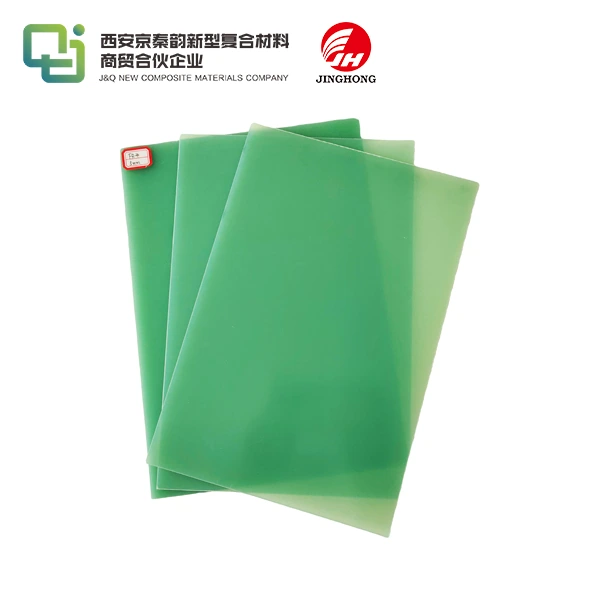
When engineers and procurement teams search for a dependable electrical insulation material, the 94V0 FR4 fiberglass sheet consistently appears at the top of the list. This flame-retardant laminate combines woven glass fiber with brominated epoxy resin, earning the UL 94 V-0 rating — the highest vertical burn classification. It self-extinguishes within 10 seconds without flaming drips. Whether you are designing a multilayer PCB, building switchgear enclosures, or manufacturing transformer barriers, this material delivers the fire safety, dielectric strength, and dimensional stability that modern power applications demand.
Understanding 94V0 FR4 Fiberglass Sheet: Composition and Properties
What This Material Is Made Of?
The number "4" in NEMA grade name FR4 stands for "Flame Retardant," and it tells you that the system is made of woven fiberglass epoxy resin. The UL 94 V-0 rating is set off by the brominated epoxy resin matrix. This is different from G10, which was its non-flame-retardant predecessor and didn't have the bromine-based additive needed to self-extinguish in the vertical burn test.
Key Physical and Electrical Properties
The density of the material is between 1.85 and 2.08 g/cm³, and its bending strength is more than 340 MPa (lengthwise). It has a dielectric strength of about 50 kV/mm and a breakdown voltage of more than 40 kV when it comes to laminations. Standard sheets have a Glass Transition Temperature (Tg) of 130°C to 140°C, while High-Tg versions hit 170°C to 180°C and are good for wave soldering stacks and places with a lot of thermal cycles.
Quality Standards That Matter
IPC-4101, ASTM D709, and UL 94 V-0 standards are met by production-grade FR4 composite sheets. To meet the standards for high-grade boards, precise sheets must have a thickness tolerance of ±0.1 mm and must not warp more than 0.5%. According to ASTM D570, water absorption stays below 0.2%, which keeps the dielectric performance even in damp places.

Why 94V0 FR4 Fiberglass Sheet Is Ideal for PCB and Power Equipment Applications?
Fire Safety That Meets Regulatory Standards
Arc faults and overheating are real risks in places where PCB boards and power transfer tools work. If the flame grade is V-0, it means that the material stops burning in 10 seconds during a vertical specimen test and doesn't drip with flames. The following directly helps with meeting the safety standards set by UL, RoHS, and IPC—standards that US electronics manufacturers can't ignore.
Thermal and Mechanical Endurance
94V0 FR4 Fiberglass Sheet can handle constant use at 130°C (Class B insulation). Because it is flexural rigidity, it doesn't warp when heated and cooled, so it can be used for wave solder pallets and automated test equipment (ATE) fixtures. In power equipment, this means having arc shields and busbar supports that don't change shape even when faults happen over and over again.
Electrical Insulation and Signal Integrity
The dielectric qualities of the brominated epoxy material stay stable over a wide frequency range. This means that PCB designers can control the impedance in a predictable way and be sure that the copper layers will not touch each other. If the comparative tracking index (CTI) values are high in switchgear panels, there is less chance of surface electrical tracking, which could cause a catastrophic failure.
Because it is resistant to fire, stable mechanically, and good at conducting electricity, FR4 epoxy laminate sheet is still the standard choice in the industries that make electronics, distribute electricity, and make industrial equipment.
Comparing 94V0 FR4 Fiberglass Sheet with Alternative Materials
Picking the wrong material can add time to the production process and make safety certifications less reliable. Check out how these other options compare to the 94V0 FR4 grade:
- Standard FR4 vs. 94V0 FR4: Many suppliers label basic FR4 as "flame retardant," but without explicit UL 94 V-0 certification, the flammability performance may only meet V-1 or HB grades. If your application requires documented V-0 compliance, always request the UL certification report.
- 94HB Grade: The HB (horizontal burn) rating is the lowest UL 94 classification. It burns more slowly than unrated plastic but does not self-extinguish. Using 94HB in switchgear or PCBs where arc faults are possible introduces serious fire propagation risk.
- CEM-1 Substrate: CEM-1 combines paper core layers with fiberglass surface plies. It costs less but offers lower flexural strength and moisture resistance compared to full fiberglass epoxy laminate. It is suitable for simple single-sided PCBs but not for high-voltage insulation barriers.
- Aluminum PCB Base: Aluminum substrates transfer heat efficiently, which suits LED lighting applications. However, they cannot provide electrical isolation on their own and require a dielectric layer — adding complexity and cost versus a properly rated FR4 sheet.
After looking at these choices, procurement teams always decide that certified 94V0 FR4 is the best option for situations where fire safety certification is a must.
Procurement Guide: Buying 94V0 FR4 Fiberglass Sheet for Industrial Use
Evaluating Supplier Credentials
When looking for 94V0 FR4 Fiberglass Sheet, make sure the providers you talk to have UL 94 V-0 approval paperwork and IPC-4101 compliance records. Material traceability reports, batch test data, and third-party inspection certificates are all things that reputable manufacturers offer. Avoid sellers who can't provide these papers; using non-certified parts in safety-critical assemblies is very risky and can lead to big problems.
Understanding Customization and OEM Options
Most of the time, industrial buyers don't need standard sheet sizes. FR4 sheets can be cut, drilled, and profiled to exact specifications using a CNC machine. To keep the amount of abrasive glass under control during machining, use tungsten carbide or diamond-coated tools and make sure that the dust is properly extracted to follow OSHA safety rules. For uses that need better thermal performance, there are versions of FR4 with a high Tg.
Lead Times and Order Planning
When buying FR4 epoxy sheets from another business, the minimum order quantity is usually set by the thickness and size of the sheet. When you order a standard size, the lead time is shorter than when you order a special size. If you plan your supply chain around the availability of approved batches, you can avoid making changes that could hurt your product's safety standards.
Building Trust: Why Choose J&Q Certified FR4 Fiberglass Sheets?
J&Q has been making insulating sheets for more than 20 years and dealing with other countries for more than 10 years. OEM sourcing managers and engineering procurement teams from many industries depend on their supply record. Our FR4 laminate sheets are certified by UL 94 V-0, and before they are shipped, every production batch goes through dielectric breakdown tests (ASTM D149), dimensional checking, and surface integrity checks.
Since J&Q has its own transportation business, we handle the whole supply chain, from the production floor to delivery, without having to rely on outside freight brokers. In this way, our clients can be sure of the wait times and who is responsible for what. Our technical team helps you choose the right materials, find samples, and get help after the sale to make sure the specification you get matches what your drawings and safety requirements say it should be. Go to jhd-material.com to see our certifications and list of products.
Conclusion
The 94V0 FR4 Fiberglass Sheet is the standard insulation substrate used in making PCBs, power distribution equipment, and industrial machinery because it is fireproof, has good dielectric properties, and always works well mechanically. Its UL 94 V-0 rating meets the standards that buyers in the U.S. electronics and power sectors face every day. When used with the right buying methods, like checking the supplier's certification and making sure the specs for custom cutting are followed, this material lowers risk and supports long production lifecycles. When teams are looking at FR4 epoxy laminate suppliers, the most important things to look at are approved documents and the dependability of the supply chain.
FAQ
What is the difference between G10 and FR4 fiberglass sheet?
Flame retardants that go out on their own are not in G10. FR4 is mostly G10, but bromine is added to the resin system to make it safe enough for UL 94 V-0. Because of this, FR4 is the standard for electronics and power tools that need to be certified for fire safety.
Can this material withstand continuous high temperatures?
The standard for FR4 is to work continuously at 130°C (Class B). For jobs that need to handle more heat, like wave soldering crates, there are High-Tg FR4 choices that can handle temperatures up to 170°C to 180°C.
Does FR4 fiberglass sheet absorb moisture?
ASTM D570 says that water uptake must stay below 0.2%. For precise uses, it is best to store high-frequency dielectrics in dry, controlled environments because even small amounts of moisture can change their properties.
How should FR4 be machined safely?
Because the glass fibers are rough, tungsten carbide or diamond-coated tools are needed for machining. To stop delamination and keep the operator healthy, high spinning speeds and good dust clearance are needed.
Does the green color indicate the 94V0 rating?
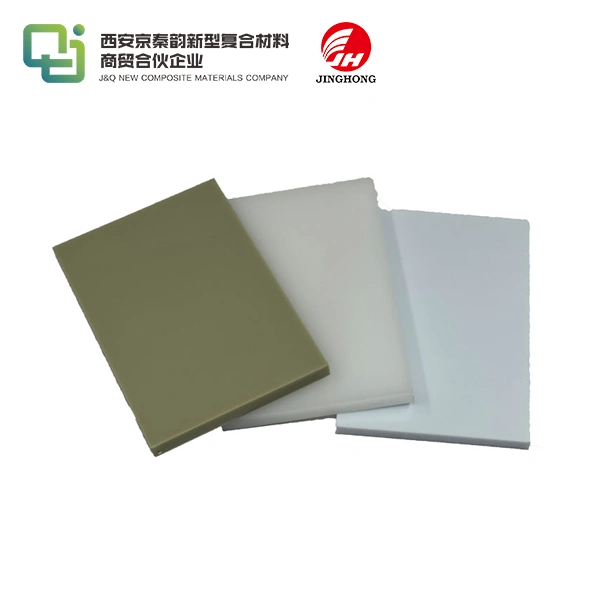
Not at all. The epoxy-green finish is standard in the industry, not a sign of a rating. You can also get the V-0 grade on black, yellow, and white versions. The classification is based only on the chemistry of the resin and the results of tests to see how flammable it is.
Get a Quote from J&Q — Your Trusted 94V0 FR4 Fiberglass Sheet Supplier
You can get certified 94V0 FR4 Fiberglass Sheet from J&Q. They come with full UL 94 V-0 paperwork, batch tracking, and the option to have them cut to your exact specs. We deliver on time and are directly responsible for doing so because we have our own logistics infrastructure. Get in touch with our team right away to get examples, technical details, or a unique quote. To start your question, email us at info@jhd-material.com or go to jhd-material.com.
References
1. IPC — IPC-4101: Specification for Base Materials for Rigid and Multilayer Printed Boards — IPC, 2017
2. UL Standards — UL 94: Standard for Tests for Flammability of Plastic Materials for Parts in Devices and Appliances — Underwriters Laboratories, 2013
3. ASTM International — ASTM D709: Standard Specification for Laminated Thermosetting Materials — ASTM International, 2021
4. ASTM International — ASTM D149: Standard Test Method for Dielectric Breakdown Voltage and Dielectric Strength of Solid Electrical Insulating Materials — ASTM International, 2020
5. NEMA — NEMA LI 1: Industrial Laminating Thermosetting Products — National Electrical Manufacturers Association, 2020
6. Harper, C.A. — Electronic Packaging and Interconnection Handbook — McGraw-Hill, 2004