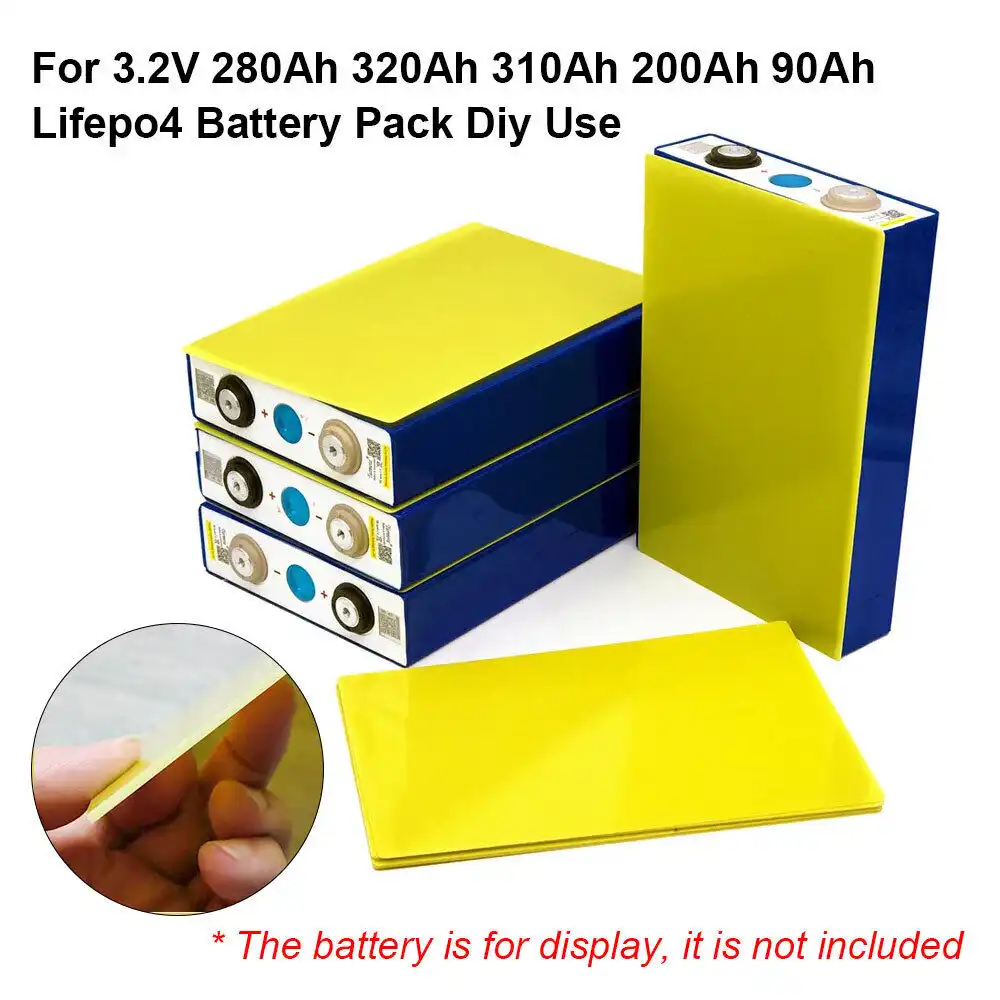
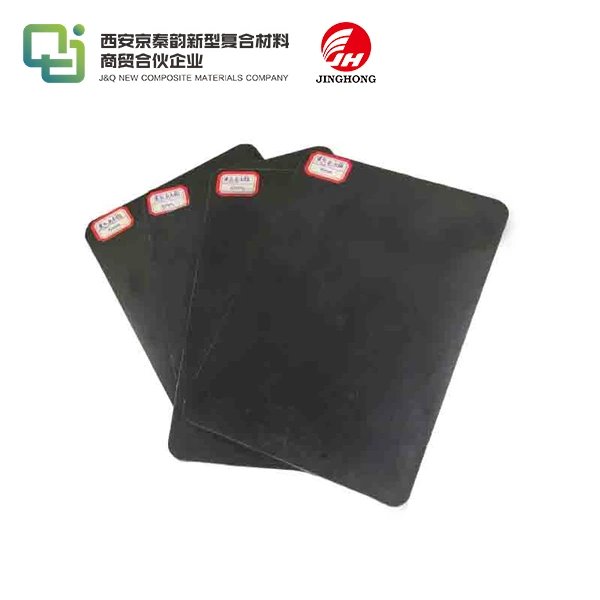
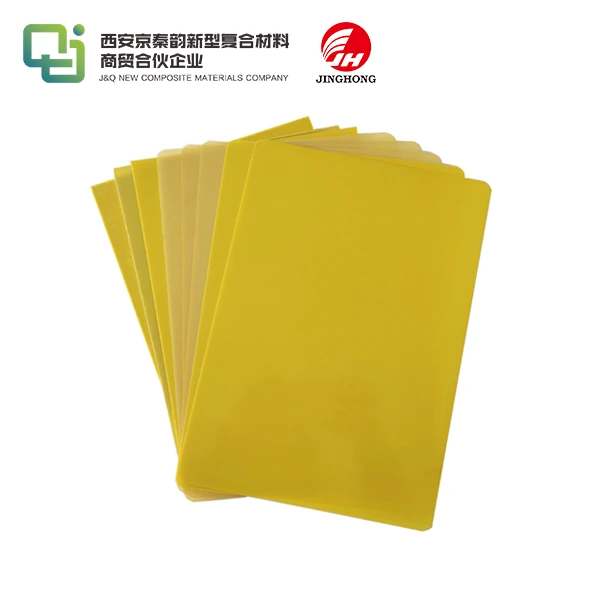
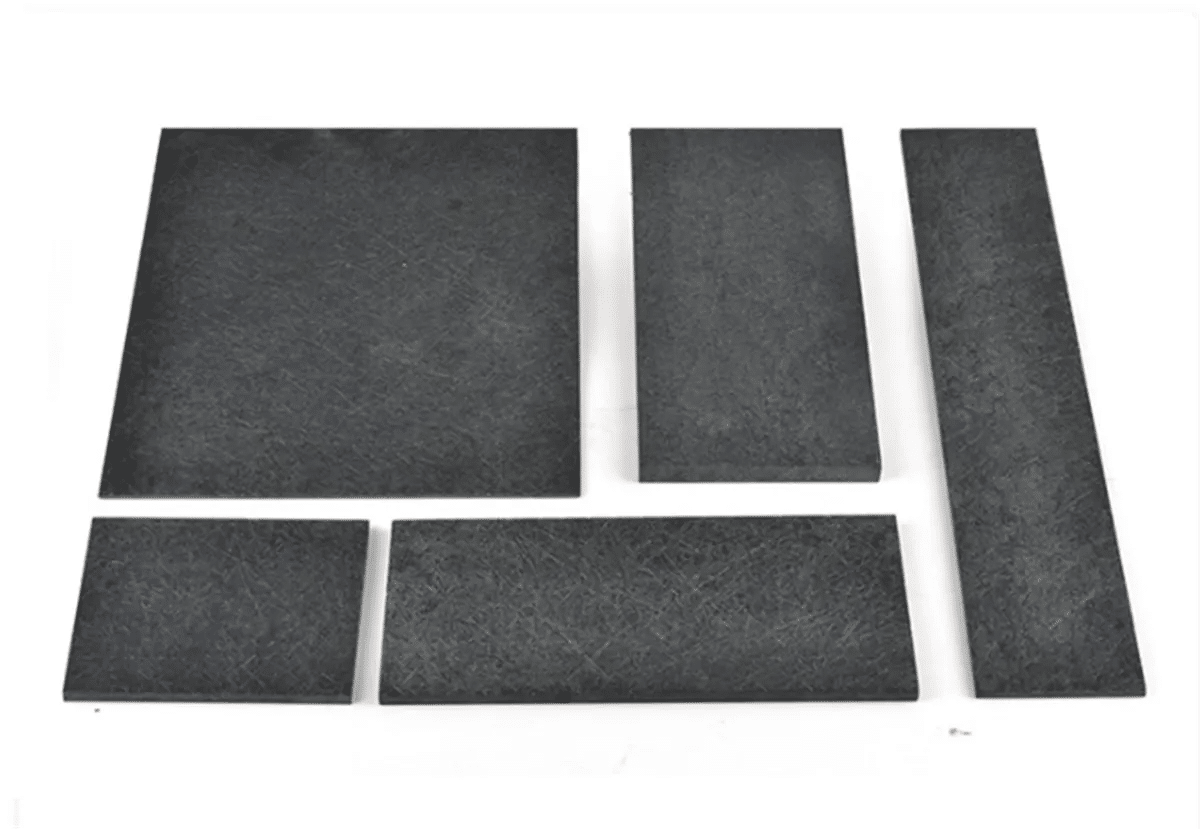
3641 Epoxy Glass Fiber Cloth Laminated Tube Improves Equipment Reliability
2026-09-11 17:25:03
When equipment fails mid-operation, the cost goes far beyond a simple repair bill. Downtime, safety risks, and lost productivity add up fast. One material that consistently helps industrial teams avoid these scenarios is the 3641 epoxy glass fiber cloth laminated tube — a Class F insulating component engineered for environments where electrical integrity and mechanical resilience must coexist. Rated for continuous service at 155°C, this epoxy glass cloth tube bridges a critical gap: it delivers the dielectric strength electrical engineers demand while enduring the mechanical stress that kills lesser materials. Across power distribution, heavy machinery, and electronics manufacturing, it has earned a trusted role in keeping equipment running longer.
Understanding the 3641 Epoxy Glass Fiber Cloth Laminated Tube
Composition and Manufacturing Process
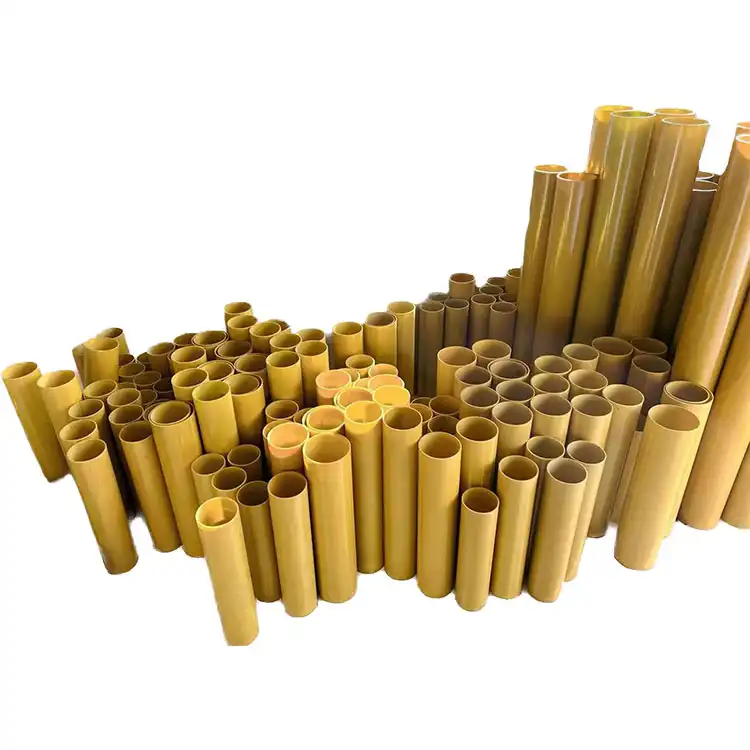
To begin, the 3641 Epoxy Glass Fiber Cloth Laminated Tube is made of alkali-free woven glass fiber cloth, which was chosen because it stays the same size and doesn't absorb water. This fabric is soaked in a modified epoxy phenolic resin system. It is then rolled mechanically under controlled tension, and far-infrared heating cures it. This makes a dense, void-free laminate structure with walls that are all the same thickness and smooth outside surfaces. Tight tolerances are kept at each stage of production to make sure that every tube that leaves the plant works the same, which is a must for OEM buying managers and engineering procurement teams.
Key Mechanical and Thermal Properties
This material is different from regular phenolic paper tubes because it is both structurally hard and resistant to heat. The 3641 Epoxy Glass Fiber Cloth Laminated Tube keeps its shape when it's being rotated quickly and doesn't let any parts of it discharge in high-voltage fields. Because it can handle tension and compressive loads and stays strong in temperatures up to 155°C, it can be used in transformer windings, motor insulation bands, and arc extinguishing chambers. It also works reliably when submerged in transformer oil, which is something that phenolic or PVC alternatives just can't do.
How Does This Epoxy Glass Laminated Tube Enhance Equipment Reliability?
Addressing Root Causes of Equipment Failure
Most problems with electrical and mechanical systems are caused by insulation breaking down, heat deformation, or water getting in. Poorly made tubes soak up water, bend in heat, and break when they shake, and each failure mode makes the last one worse. The 3641 Epoxy Glass Fiber Cloth Laminated Tube addresses all three at the same time. Its low rate of absorbing water keeps its dielectric properties stable in damp working conditions. Its layered structure doesn't bend when compression or twisting loads are applied. Its resin core chemically links to the glass fiber, so it doesn't delaminate even after being heated and cooled many times.
Here are the core performance advantages that directly reduce equipment failure risk:
- Dielectric stability in wet conditions: The 3641 Epoxy Glass Fiber Cloth Laminated Tube keeps its high insulation resistance even when it comes into contact with water or transformer oil. This keeps ground faults from happening in high-voltage switches and transformer tap changers.
- Mechanical endurance under dynamic loads: In electric ovens and rolling mills, the 3641 Epoxy Glass Fiber Cloth Laminated Tube acts as a threaded insulating sleeve, absorbing shaking and dissipating heat at the same time. It can handle both mechanical and thermal stress at the same time.
- Chemical inertness: The epoxy resin matrix doesn't react with mineral oils, mild acids, or industrial solvents. This means that the 3641 Epoxy Glass Fiber Cloth Laminated Tube can be used for parts of transformers that are submerged in oil and for factory settings that use a lot of chemicals.
These benefits have direct effects that can be measured. When facilities switch from standard phenolic tubes to 3641 Epoxy Glass Fiber Cloth Laminated Tube alternatives, they often see longer periods between maintenance and fewer unplanned shutdowns in electrical infrastructure that handles a lot of demand.
Comparing the 3641 Laminated Tube with Other Tubing Materials
Honest comparisons are needed to make decisions about purchases. The 3641 Epoxy Glass Fiber Cloth Laminated Tube is up against phenolic paper tubes, PVC tubing, carbon fiber tubes, and metal covers. Each of these has its own pros and cons.
Phenolic paper tubes are cheaper at first, but they soak up water more easily and lose their strength above 130°C. PVC tubes are resistant to chemicals, but they change shape when heated for a long time and don't have the dielectric strength needed for high-voltage uses. Metal sleeves make things more rigid, but they can also make things less conductive and make them a lot heavier. Carbon fiber tubes are very strong for their weight, but they are very expensive and need to be machined in a certain way.
The 3641 Epoxy Glass Fiber Cloth Laminated Tube is a good compromise because it has similar structural performance to metal without the conductivity issues, better thermal endurance than phenolic materials, and can still be machined on a CNC machine for a lot less money than carbon fiber. It regularly gives the best lifecycle value for electrical insulation uses that need both load-bearing ability and approved dielectric performance.
Procurement Guide: Sourcing Epoxy Glass Fiber Cloth Laminated Tubes
What to Evaluate Before Purchasing
When looking for insulating tubes for commercial use, you need to look at more than just the price per unit. Procurement teams should make sure that sources keep wall thickness limits consistent, offer traceable material certifications, and can make changes for inner sizes or lengths that aren't standard. It's also important to store 3641 Epoxy Glass Fiber Cloth Laminated Tubes properly. They should be kept in dry, well-ventilated places out of direct sunlight. Tubes usually have a shelf life of 12 months from the date they were delivered.
When choosing a 3641 Epoxy Glass Fiber Cloth Laminated Tube provider, make sure they have clear quality control systems, quick technical help, and the ability to handle both small sample orders and large production runs.
Ensuring Optimal Use and Testing for Maximum Reliability
Testing and Installation Best Practices
Teams should do dielectric withstand tests, physical checks, and compressive load assessments on all 3641 Epoxy Glass Fiber Cloth Laminated Tubes before putting them into important structures. To keep the surface finish and avoid micro-fractures at the cut ends, alloy turning tools should be used for machining. Putting insulating varnish on cut surfaces after cutting stops water from getting in. This is an easy step that makes a big difference in extending service life in wet industrial settings.
Ongoing inspections should look for darkening on the surface, cracks near the ends of the tubes, and any signs that the resin is breaking down. If you catch these early, they won't cause failures in other parts of the transformer or the motor insulation units.
Conclusion
The 3641 Epoxy Glass Fiber Cloth Laminated Tube is more than just an insulation sleeve; it's also a structurally reliable part that keeps electrical systems safe from the pressures of heat, vibration, moisture, and voltage. Because it can be machined, has a Class F thermal rating, and is a good dielectric, engineering teams can confidently use it in switchgear, transformer, motor, and heavy machinery applications. When procurement professionals look at how reliable long-term equipment will be, picking the right 3641 Epoxy Glass Fiber Cloth Laminated Tube pays off in ways that go far beyond the cost of the material itself.
FAQ
What industries use the 3641 epoxy glass fiber cloth laminated tube most frequently?
The 3641 Epoxy Glass Fiber Cloth Laminated Tube is most commonly used in power distribution, making transformers, making industrial machinery, and making electrical equipment. Insulating cylinders, wound supports, tap changer shafts, and motor covers are all things that it can be used for. It is highly prized in the power and energy field because it works well in places with oil and a lot of moisture.
How does it compare thermally to standard phenolic tubes?
The 3641 Epoxy Glass Fiber Cloth Laminated Tube has a Class F grade and can work continuously at 155°C. Most of the time, standard phenolic paper tubes only work successfully up to 130°C. This gap is important for transformers and high-load motor parts that work at temperatures that regularly reach or go over the phenolic limits.
Can these tubes be customized for specific equipment dimensions?
Yes. To meet OEM requirements, suppliers can make 3641 Epoxy Glass Fiber Cloth Laminated Tubes with non-standard inner sizes, wall thicknesses, and lengths that have been cut. When placing custom orders, buyers should be clear about the required surface finish and any size or shape tolerances. Failure to do so could lead to fitment issues during assembly.
Is the material compatible with transformer oil immersion?
Mineral oils don't react chemically with the 3641 Epoxy Glass Fiber Cloth Laminated Tube, and it keeps its insulation qualities even when buried in temperatures above 90°C. This makes it a common choice for oil-filled transformer parts.
Partner with J&Q for Certified Epoxy Glass Fiber Tube Supply
J&Q has been making insulation products for more than 20 years and has been trading internationally for ten years. Tough quality standards are met by our 3641 Epoxy Glass Fiber Cloth Laminated Tube, which has tight tolerances and certifications that can be tracked. Our in-house transportation team makes sure that all of our deliveries happen smoothly and on time, no matter how many samples you need or how many you need in bulk. Visit jhd-material.com or email our technical team at info@jhd-material.com to get a quote from a reliable manufacturer of 3641 Epoxy Glass Fiber Cloth Laminated Tubes.
References
1. IEEE Electrical Insulation Magazine — IEEE, 2021
2. Handbook of Electrical and Electronic Insulating Materials — Harper, W.C., IEEE Press, 2004
3. Composites Science and Technology — Elsevier, 2019
4. IEC 60893: Specification for Industrial Rigid Laminated Sheets Based on Thermosetting Resins for Electrical Purposes — International Electrotechnical Commission, 2003
5. Journal of Applied Polymer Science — Wiley, 2020
6. NEMA LI 1: Industrial Laminating Thermosetting Products Standard — National Electrical Manufacturers Association, 2015
_1732777843529.webp)