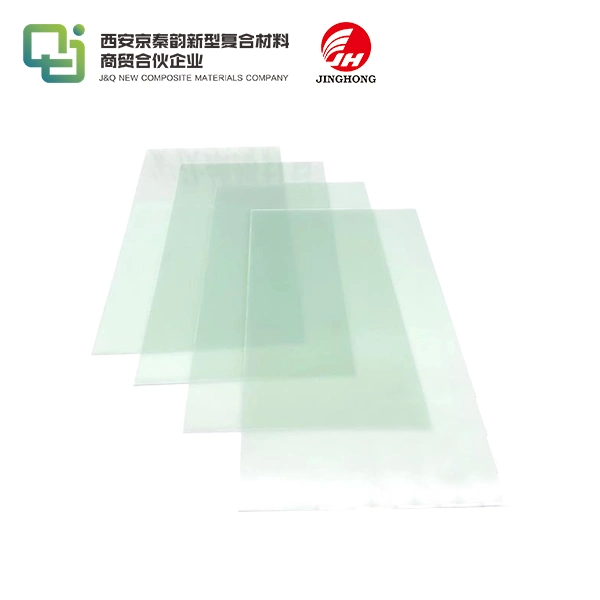
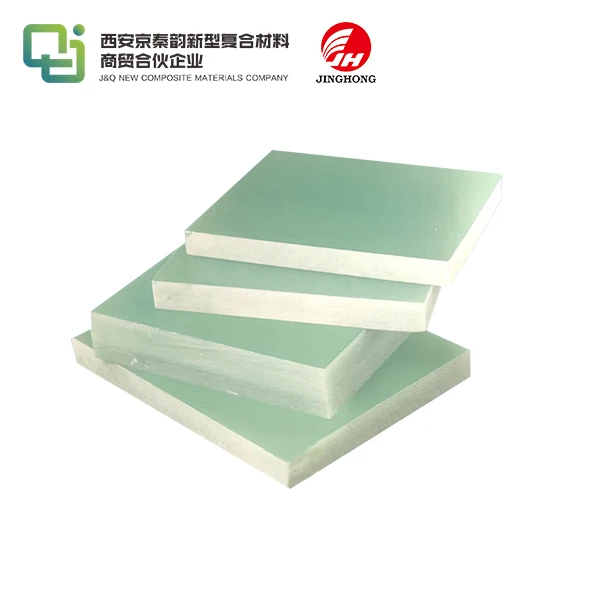
Why Choose 94V0 FR4 Fiberglass Sheet for Electrical Insulation Parts?
2026-09-11 17:25:06
When engineers and procurement teams search for a reliable electrical insulation material, the 94V0 FR4 fiberglass sheet consistently rises to the top of the shortlist. This NEMA-grade laminate combines a woven fiberglass cloth substrate with a brominated epoxy resin matrix, achieving the UL 94 V-0 flammability rating — meaning a vertical specimen self-extinguishes within 10 seconds without inflamed dripping. With a dielectric strength of approximately 50 kV/mm and a flexural strength exceeding 340 MPa, it delivers both electrical safety and structural integrity that standard paper-phenolic laminates simply cannot match.
Understanding 94V0 FR4 Fiberglass Sheet: Specifications and Properties
Before agreeing to an insulation material, you have to know what its technical character is. Here's what makes this grade of vinyl unique.
Core Material Composition
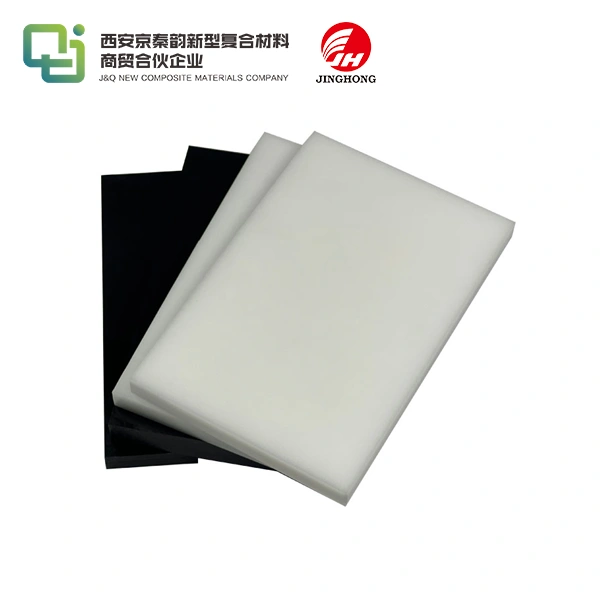
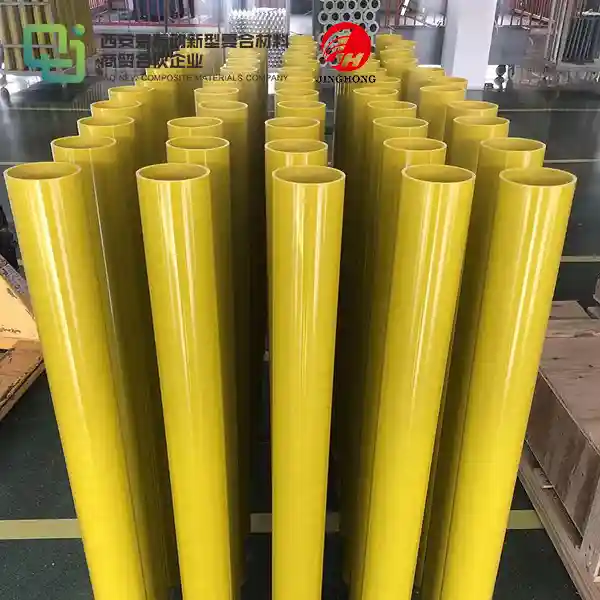
To make the sheet, a flame-resistant epoxy resin binder is mixed with knitted E-glass cloth and then cured under high pressure. It's not the color that gives it the UL 94 V-0 rating; it's the bromine compounds that are built into the resin chemistry. The approval status is the same whether the sheet is epoxy-green, black, or yellow. The density is between 1.85 and 2.08 g/cm³, which makes it a stable, hard base for precise production.
Thermal and Electrical Performance
The glass transition temperature (Tg) for standard sheets is between 130°C and 140°C, which makes them ideal for Class B insulation settings. For soldering pallets and high-cycle thermal uses, high-Tg versions raise the temperature range to 170°C to 180°C. Electrically, the breakdown voltage is usually higher than 40 kV when compared to the laminates, and water absorption stays below 0.2% according to ASTM D570. This is an important number for keeping the dielectric consistency when the operating conditions are humid. The quality standards IPC-4101 and ASTM D709 have been used to confirm these properties.
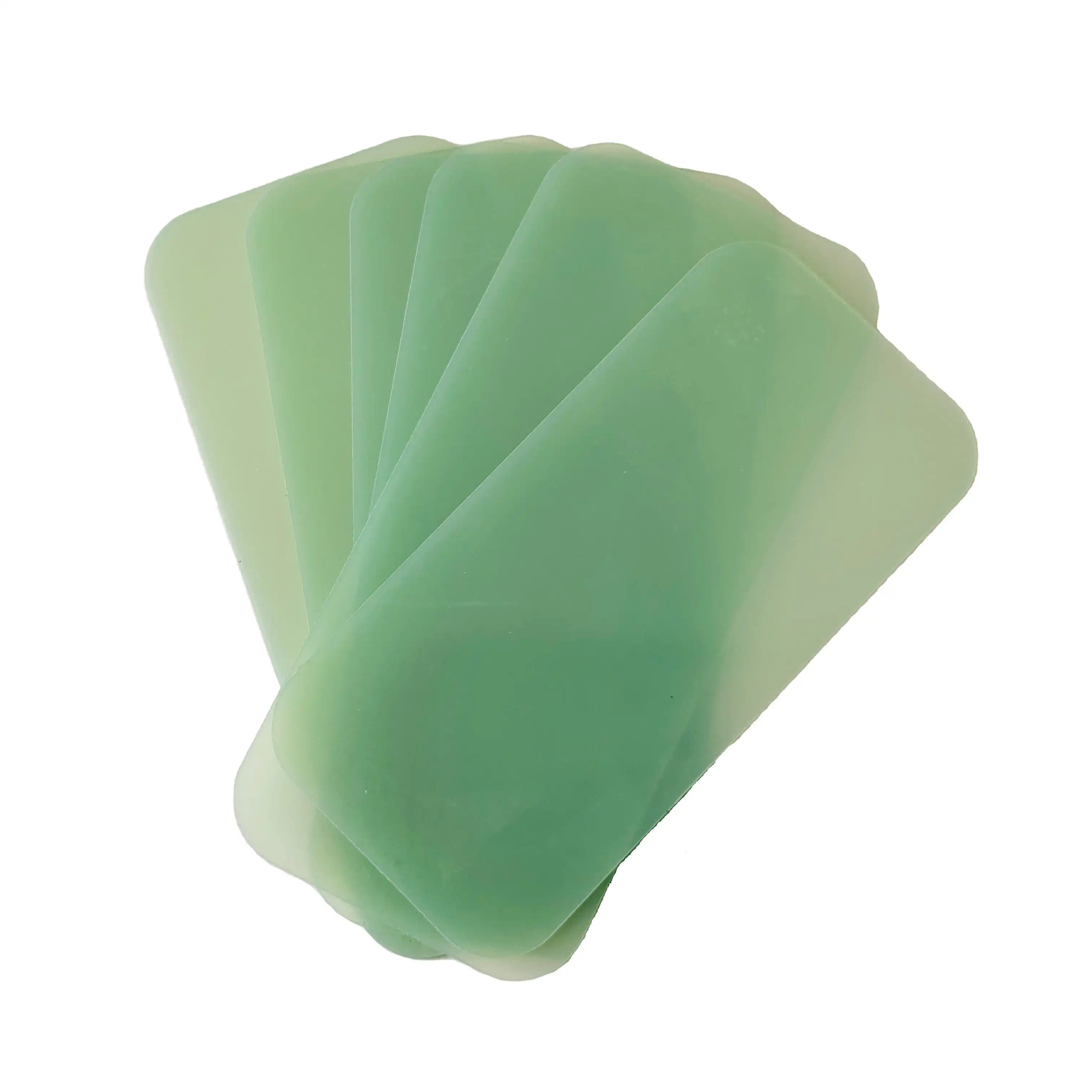
Advantages of 94V0 FR4 Fiberglass Sheet for Electrical Insulation
Picking the correct insulation layer like 94V0 FR4 Fiberglass Sheet can affect the safety of the product, its ability to pass safety tests, and its long-term usefulness. Because of these main benefits, this material is often chosen for use in many different fields:
- Superior flame retardancy: a V-0 grade means that a fire stops spreading in 10 seconds on a vertical example with no molten drip. In motor housings and control cabinets, this feature directly lowers the chance of a catastrophic arc fault getting worse.
- High dielectric strength: The material keeps its electrical separation even in high-voltage close-up uses like busbar supports and coil separators in transformer assemblies at about 50 kV/mm.
- Mechanical robustness: The sheet has a tensile strength of more than 340 MPa (lengthwise), which means it can be used as structural insulation instead of just passive isolation in gear components, mechanical spacers, and ATE fixtures that are under constant load.
- CNC machinability: The laminate can be machined cleanly with tungsten carbide or diamond-coated tools at high spindle speeds, even though it contains rough glass. This makes it possible for tight-tolerance parts to be made without delamination, which is a strict condition for tier-1 car and electronics OEMs.
- Regulatory compliance: UL, IEC, and RoHS compliance paperwork can be tracked, which helps with the certification process for sending goods to markets in North America and Europe.
These benefits directly lead to fewer failures in the field, easier compliance checks, and longer service intervals for final assemblies. When engineers specify this material early in the design process, they usually avoid having to pay more to fix insulation problems later on.
Comparison of 94V0 FR4 Fiberglass Sheet With Alternative Materials
How It Differs From G10 and CEM-1?
G10 is a chemical that is basically the non-flammable precursor to 94V0 FR4 Fiberglass Sheet. It is made of fiberglass and epoxy, but it doesn't have the brominated resin ingredient, so it can't be used in places where UL 94 V-0 approval is required by law or contract. CEM-1, on the other hand, has a paper body with fiberglass plies on top of it. Even though CEM-1 is less expensive, it is not as mechanically stable or resistant to water as 94V0 FR4 Fiberglass Sheets, especially in places where temperatures change quickly.
Compared to ceramic-filled polymer insulators or polyimide films, 94V0 FR4 Fiberglass Sheet is easier to work with and less expensive while still providing good fire safety. Polyimide films can handle higher temperatures over time, but they aren't good for making thick structure parts. The 94V0 FR4 Fiberglass Sheet is still the most balanced standard on the market for most PCB boards, phase barriers, and insulation pads that are between 0.5 mm and 50 mm thick.
Procurement Considerations: How to Source Authentic 94V0 FR4 Sheets?
Finding verified information is just as important as saying what grade it is. False or fake laminates that say they are V-0 compliant without having real UL file numbers put makers at risk of liability and can lead to product recalls.
Verification and Quality Checkpoints
Genuine suppliers offer UL Yellow Card paperwork linked to a unique UL file number, ISO 9001 quality management certification, and lot-traceable test reports that cover dielectric breakdown voltage (ASTM D149), Comparative Tracking Index (CTI), and thickness uniformity, with precision-grade sheets usually having ±0.1 mm of variation in thickness and warpage below 0.5%. Checks of the surface's structure make sure there are no bubbles, dry spots, or areas that don't have enough resin, which could weaken the insulation layer.
When buyers place large orders for 94V0 FR4 Fiberglass Sheet, they should check the supplier's lead times, ability to do custom cutting, and consistency in where they get their raw materials. When OEM projects need non-standard sizes or certain Tg grades, suppliers who can laminate their own products are better than those who only sell finished goods.
Applications and Use Cases in Electrical Insulation
This material is very useful in three different types of high-demand applications. The most well-known use is for PCB substrates. The 94V0 FR4 Fiberglass Sheet is the base layer that separates copper traces on single-sided, double-sided, and multilayer boards. In high-voltage switchgear, this material is used to make arc shields, phase barriers, and busbar supports. These parts stop faults from spreading, which could otherwise shut down whole distribution panels.
Builders of industrial machines use the sheets to make wave solder pallets and ATE fixture plates. The sheets' dimensional stability from repeated heat cycles keeps the alignment of parts within the limits of the assembly. Suppliers to the auto industry choose the materials that are used for battery pack barriers and insulation pads. These materials must be able to withstand vibration, heat shock, and being close to high-current conductors without breaking down. It's used by companies that make home appliances for motor brackets and thermal separation frames, where buying choices are based on getting regular batch quality and fast delivery processes.
Conclusion
In conclusion, The 94V0 FR4 Fiberglass Sheet meets the requirements for its standard by being fire resistant, having good electrical performance, being strong mechanically, and following all the rules. In the areas of electronics, power infrastructure, cars, and industrial machinery, it fills in the performance gaps that cheaper laminates leave open. Its traceable approval chain and ability to be machined make it a technically and commercially sound choice for buying teams looking at insulation materials that will last for a long time.
FAQ
What is the difference between G10 and 94V0 FR4 Fiberglass Sheet?
94V0 FR4 Fiberglass Sheet has flame retardants that go out on their own, but G10 doesn't have those. 94V0 FR4 Fiberglass Sheet is mostly G10, but bromine is added to the resin system to make it safe enough for UL 94 V-0. Because of this difference, 94V0 FR4 Fiberglass Sheet is the usual grade for electronics and regulated industry uses where fire safety is required by law.
Can these sheets withstand continuous high temperatures?
The standard for 94V0 FR4 Fiberglass Sheet is to work continuously at 130°C (Class B). High-Tg versions can handle temperatures up to 170°C to 180°C, which makes them good for soldering pallets and places with a lot of thermal cycling.
Does the material absorb moisture?
According to ASTM D570, the amount of water absorbed is less than 0.2%. Even small amounts of absorption can change the high-frequency dielectric properties, so for precision-grade applications, it is best to store them in controlled, dry places.
Does sheet color determine the 94V0 certification?
Not at all. The only thing that determines the UL 94 V-0 grade is how flammable the resin chemistry is, not the colorant. Epoxy-green sheets that are black, yellow, or white can all have the same grade.
How should the laminate be machined?
Because the glass fiber is rough, you need tools that are coated in tungsten carbide or diamond. When you have high spindle speeds and good dust extraction, delamination doesn't happen and the health of the user is protected during manufacturing.
Source Your FR4 Insulation Material With J&Q — Certified Supplier, Reliable Partner
J&Q has been making insulation sheets for more than 20 years and has been trading with other countries for more than 10 years. As a reliable provider of 94V0 FR4 Fiberglass Sheet, we have the certifications your purchasing team needs, can make sheets to specific sizes for OEM projects, and run our own logistics network to make sure everything is taken care of from start to finish. Request a sample or a competitive quote today — reach our technical team at info@jhd-material.com or visit jhd-material.com.
References
1. UL Standards & Engagement. UL 94: Standard for Safety of Flammability of Plastic Materials for Parts in Devices and Appliances. Underwriters Laboratories, 2021.
2. NEMA. NEMA LI 1: Industrial Laminating Thermosetting Products. National Electrical Manufacturers Association, 2020.
3. ASTM International. ASTM D709: Standard Specification for Laminated Thermosetting Materials. ASTM International, 2017.
4. IPC. IPC-4101D: Specification for Base Materials for Rigid and Multilayer Printed Boards. IPC, 2017.
5. Harper, C. A. Electronic Materials and Processes Handbook. McGraw-Hill, 2004.
6. Licari, J. J., & Enlow, L. R. Handbook of Thin Film Technology: Coating and Processing Plastics. William Andrew Publishing, 2000.