94V0 FR4 Fiberglass Sheet Provides Flame Resistance for Industrial Components
2026-09-10 12:10:02
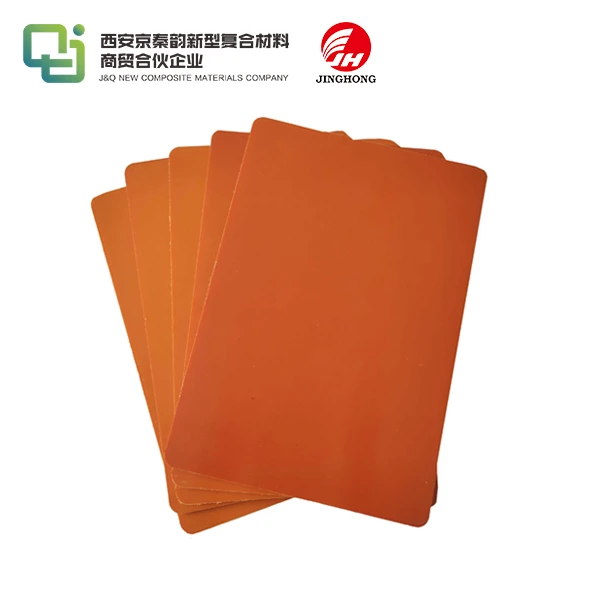
When fire safety is non-negotiable in an industrial setting, the material you choose matters enormously. The 94V0 FR4 fiberglass sheet is a high-performance epoxy laminate engineered specifically to self-extinguish under flame exposure, earning the UL 94 V-0 rating — the most stringent vertical burn classification available. Built from woven fiberglass cloth saturated with brominated epoxy resin, this NEMA-grade laminate delivers reliable electrical insulation, mechanical rigidity, and thermal stability across demanding applications. Whether you work in electronics manufacturing, power distribution, or automotive assembly, understanding what this material offers can sharpen your procurement decisions significantly.
What Makes 94V0 FR4 Fiberglass Sheet a Superior Choice?
The Science Behind the UL 94 V-0 Rating
The "94V0" designation comes directly from the UL 94 testing protocol, which says that a vertical specimen must stop burning within 10 seconds of each flame application, with no drips of flame. This is done by a brominated epoxy resin matrix in standard 94V0 FR4 Fiberglass Sheet that stops the chemistry of combustion at the molecular level. This material works well as an electrical shield even in high-voltage areas because it has a breakdown voltage of more than 40 kV parallel to the laminations and a dielectric strength of about 50 kV/mm.
Mechanical and Thermal Performance
In addition to being resistant to flames, the material has a bending strength of more than 340 MPa along its length, which means it is very hard when mechanical loads are put on it. Standard types have a glass transition temperature (Tg) of 130°C to 140°C. High-Tg versions can hit 170°C to 180°C and are used for things like soldering pallets and insulating transformer coils. These numbers meet the quality standards set by IPC-4101 and ASTM D709, which give procurement teams written proof that all production runs will be the same.

Comparing FR4 94V0 Against Alternative Insulation Materials
To pick the right material, you need to know what makes 94V0 FR4 Fiberglass Sheet different from the other options. A lot of buyers look at a few different options before deciding on one.
Here is how the key materials compare across critical performance dimensions:
- 94HB-rated laminates burn horizontally and don't self-extinguish. They are less expensive, but they can't be used in electrical cabinets that are closed off or in UL-listed assemblies that need to stop fires from spreading. When you use 94HB instead of 94H for switches and motor parts, you create a measured compliance risk.
- CEM-1 composites have a paper body and fiberglass sides, making the cost of materials lower. However, they absorb a lot more water than pure fiberglass laminates, which over time lowers their dielectric performance. This is a problem in humid workplaces or outdoor power enclosures.
- Metal insulation options, like metal sheets, are strong, but they are naturally electrically conductive, so they need extra layers of insulation. FR4 gets rid of that extra step completely, which speeds up assembly and lowers the number of parts needed for PCB support structures and arc barriers.
The above benefits directly lead to fewer failures in the field, better compliance paperwork, and lower overall lifecycle costs. Engineers who work in power distribution and car assembly have known for a long time that the small extra cost of V-0 approved materials quickly pays for itself in reduced warranty costs and readiness for audits.
Key Applications Across Industrial Sectors
This 94V0 FR4 Fiberglass Sheet is used in a lot of different fields because it is very flexible. There are three application areas that stand out as being especially difficult.
Making PCB substrates is still the most common use. The material consistently stands up to high temperatures during soldering, keeps the copper layers from touching each other electrically, and can be machined cleanly with tungsten carbide tools. To keep signals working properly in layered board designs, electronics companies need thickness limits that stay the same, which are usually ±0.1 mm for thin sheets.
Insulation for high-voltage switchgear is a safety-critical deployment. Flame-resistant fiberglass sheet is used to make arc shields, phase barriers, and busbar supports that keep things from exploding during arcing faults. Engineers who work with power distribution say that V-0 rated material is a must, not an update.
Precision machining jigs for wave solder pallets and automatic test equipment parts use the material's ability to keep its shape after being heated and cooled many times. To keep parts lined up during high-volume PCB assembly, warping must stay below 0.5%, which is always met by quality-grade FR4.
How to Source Certified FR4 Epoxy Laminate Sheets?
Choosing where to get 94V0 FR4 Fiberglass Sheets has real effects when it comes to electrical safety compliance. Procurement teams should go through an organized checking process before they place an order.
To begin, ask the supplier for the UL 94 V-0 certification paperwork directly, not just a claim in the product datasheet. Real manufacturers give test reports that can be linked to specific production lots. Check to see if the seller has any other certificates that are important for your market. For example, RoHS compliance is very important for electronics exported to the EU and the US, and ISO 9001 quality management certification shows that the production process is being controlled across all runs.
The freedom to customize 94V0 FR4 Fiberglass Sheet is just as important. For many industrial uses, sheets need to be non-standard sizes, have certain thickness shapes, or have surface finishes that can be done with CNC machines. Before you agree to a minimum order quantity, make sure that the supplier can work with your limits. Lead times are very different if you buy standard stock panels or panels that are made just for you, so make sure that your order cycle works with your project schedule as soon as possible.
Best Practices for Handling and Maintaining FR4 Sheets
It is important to take good care of even the best 94V0 FR4 Fiberglass Sheet so that it works well for its whole life. When it comes to water absorption, even small mistakes can be very costly. According to ASTM D570, normal FR4 absorbs less than 0.2% moisture, but precise high-frequency uses can't handle even a trace of absorption. Keep sheets in dry, sealed places out of direct sunlight and away from changes in temperature.
Only use tungsten carbide or diamond-coated tools when you are machining. Normal steel tools get dull quickly when they come into contact with the glass fibers, and the cut sides may delaminate. OSHA rules say that workers must take breathing precautions when working with fiberglass particles, so good dust extraction protects both the quality of the work and their health.
Checking installed parts on a regular basis is important, especially in places with a lot of thermal cycles, like motor housings and generator assemblies. This helps find early signs of resin breakdown before they become major problems.
Conclusion
The 94V0 FR4 Fiberglass Sheet is the most popular insulation laminate in industrial production because it stops flames from spreading, insulates at high voltages, avoids mechanical stress, and can be machined precisely. The verified performance of this material makes it a solid base for engineering teams and procurement managers to build compliant, long-lasting products in the electronics, power distribution, automobile, and heavy machinery industries. The last step in turning material performance into real operating safety is to choose a supplier that has been vetted and has stable quality controls and the ability to make changes.
FAQ
What is the difference between G10 and 94V0 FR4 Fiberglass Sheet?
Flame retardants that go out on their own are not in G10. Bromine is added to the epoxy resin system in 94V0 FR4 Fiberglass Sheet to make it safe enough for the UL 94 V-0 standard. Because of this, FR4 is the standard choice for electronics and any assembly that needs to show proof of flame resistance.
Can this material handle continuous elevated temperatures?
Standard grades work all the time at 130°C (Class B insulation). High-Tg versions can handle temperatures between 170°C and 180°C, which means they can be used to solder transformer insulation and pallets. Always make sure that the Tg design fits the way you actually run your business.
Does the color indicate the flame retardant rating?
No, the epoxy-green color is not a sign of approval. It is just a standard in the business. When the resin chemistry meets the requirements for UL 94 V-0 flammability testing, black, yellow, and white sheets all have the same 94V0 rating.
What machining approach works best?
High spindle speeds and tungsten carbide or diamond-coated tools stop delamination. Because the glass fibers are rough, dust extraction is necessary.
Is RoHS compliance available?
Yes, reputable 94V0 FR4 Fiberglass Sheet providers offer types that are RoHS-compliant and meet the needs of both EU and US electronics export rules.
Get a Custom Quote from J&Q — Trusted 94V0 FR4 Fiberglass Sheet Supplier
J&Q has been making insulated sheets for more than 20 years and has worked with other countries to trade for more than 10 years. We are a certified manufacturer of 94V0 FR4 Fiberglass Sheet and have our own logistics system, so we can bring custom fabrication to your facility all in one place. Visit jhd-material.com or email our technical sales team at info@jhd-material.com to get specs, samples, or a reasonable bulk price that fits the needs of your project.
References
1. Underwriters Laboratories — UL 94: Standard for Safety of Flammability of Plastic Materials for Parts in Devices and Appliances, 2018.
2. IPC — IPC-4101D: Specification for Base Materials for Rigid and Multilayer Printed Boards, 2017.
3. ASTM International — ASTM D709: Standard Specification for Laminated Thermosetting Materials, 2021.
4. ASTM International — ASTM D149: Standard Test Method for Dielectric Breakdown Voltage and Dielectric Strength of Solid Electrical Insulating Materials, 2020.
5. National Electrical Manufacturers Association — NEMA LI 1: Industrial Laminating Thermosetting Products, 2020.
6. Harper, C.A. — Electronic Packaging and Interconnection Handbook, McGraw-Hill, 2004.
_1753952475136.jpg)