
FR4 94V0 Epoxy Board Supports High-Performance Electrical Components
2026-09-10 12:09:59
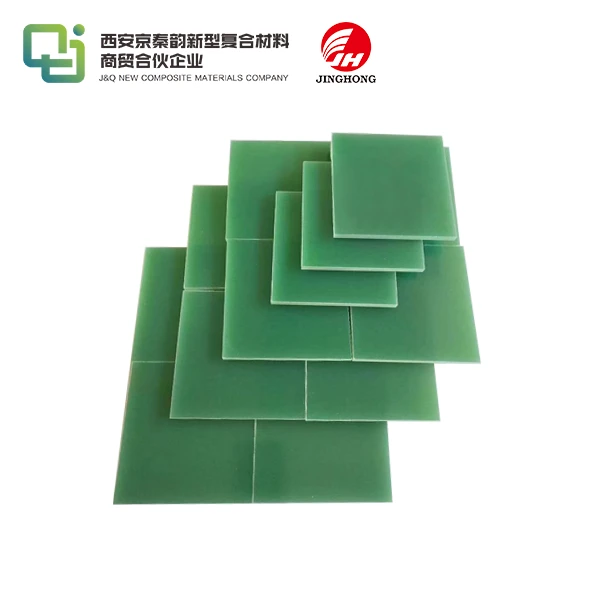
The FR4 94V0 epoxy board is always at the top of the list when engineers and buying teams are looking for a solid insulation base that won't break down when exposed to heat, voltage, or mechanical stress. This thermosetting laminate with glass fibres is UL 94 V-0 flame resistant, which means it goes out on its own 10 seconds after the spark is taken away and doesn't make any dripping flames. This material is used to make PCBs, switchgear assemblies, automotive battery barriers, and industrial machinery. It has a proven combination of dielectric strength, dimensional stability, and structural durability that lower-grade laminates can't match.
Understanding FR4 94V0 Epoxy Board and Its Core Properties
Before agreeing to an insulation material, engineering teams need to know what makes it up in order to make good decisions about where to get it.
What Makes the 94V0 Rating Critical?
FR4 94V0 Epoxy Board is made up of woven glass cloth with continuous filaments that is soaked with a brominated epoxy resin glue. The "FR" stands for flame retardancy, and "94V0" is the highest vertical burn classification under UL 94, which is the internationally recognised standard for how flammable electrical equipment plastics are. Materials with this grade must be used in consumer electronics, aircraft parts, and high-voltage structures where fire spread is a major safety and financial risk.
Key Technical Properties at a Glance
NEMA LI 1-1998 standards and ASTM D test methods are used to judge how well the material works. These are the main things that make it different from other laminates:
- Standard grades work at 130°C to 140°C for glass transition temperature (Tg); high-Tg versions go over 170°C and keep their structure intact during reflow and wave soldering cycles without delamination.
- Dielectric Constant (Dk): Between 4.4 and 4.8 MHz at 1 MHz, which helps keep signals separate across high-frequency circuit layers.
- Dielectric Breakdown Voltage: More than 40 kV, which makes it necessary for high-voltage switchgear and transformer barriers.
- Flexural Strength: More than 400 MPa along its length, which means the board can be used as a load-bearing barrier in places with a lot of mechanical stress.
Moisture Absorption: Usually less than 0.10%, which lowers the chance of surface tracking and bending in wet circumstances.
Because of these features, the Fr4 94v0 Epoxy Board has become the standard base for making layered PCBs and structural insulation parts all over the world.
How It Compares to FR3 and CEM-1?
FR3 has a base made of cellulose paper and an epoxy resin. It is cheaper, but it doesn't resist heat or water as well. The CEM-1 uses both paper and glass layers, which gives it average mechanical performance but not the even dielectric stability that weaving glass structure offers. Neither of these materials can meet the UL 94 V-0 standard without extra treatment. However, FR4 94V0 can do so naturally because of the way its resin is made.

Comparison & Decision-Making: Choosing the Right Epoxy Board for Your Project
Evaluating Alternatives Side by Side
FR4 94V0 Epoxy Board is often put up against Rogers high-frequency laminates, aluminium frames, and CEM-3 composites by procurement managers. Rogers materials have better Dk stability at microwave frequencies above 5 GHz, but they are much more expensive per unit, which means they can't be used for normal PCB production runs. Aluminium substrates are great at getting rid of heat for LED drivers, but they don't have the dielectric properties needed to separate multiple layers of circuitry. Even though CEM-3 is about the same size as FR4, it doesn't have V-0 flammability scores without halogenated chemicals added to it.
FR4 94V0 is the best choice for most high-performance electrical applications, including switchgear panels, motor drive controllers, battery management systems, and industrial test jigs. It offers the best balance of performance, compliance, and cost-effectiveness. Because it can be used with CNC machines, it is also easy to make accurate spacers, arc barriers, and busbar supports without making mistakes in the tolerances.
Manufacturing Process and Quality Assurance of FR4 94V0 Epoxy Boards
From Raw Material to Certified Laminate
To start production, continuous-filament glass cloth that meets the weave requirements of ASTM D579 must be chosen. Brominated flame-retardant additives are mixed with epoxy glue and then applied to glass cloth to make prepreg sheets. In hydraulic presses, controlled heat and pressure are used to stack and press together several prepreg layers to make a uniform FR4 94V0 Epoxy Board. The exact curing temperatures and dwell times are controlled to make sure that crosslinking is complete. This directly affects the final Tg and flexural properties.
At every stage of production, strict quality control is a must. Reliable manufacturers use these ways to check their products:
- Thermal Cycling Tests: Before they are shipped, boards are heated and cooled many times between -55°C and +125°C to look for delamination, measling (the formation of white spots), and resin cracks.
- Dielectric Strength Tests: High-voltage probes show that the breakdown resistance is higher than the required levels across the whole sheet.
- Dimensional Inspection: To make sure that CNC-machined parts have consistent laminate shape, thickness limits are checked with measured micrometres.
- UL 94 V-0 Verification: Flame exposure tests show that the self-extinguishing behaviour meets the requirements for certification on every batch of products.
These quality controls give buying teams proof that regulations have been followed, which is especially important when providing parts for UL-listed or RoHS-regulated finished goods.
Procurement Guide: How to Source and Purchase FR4 94V0 Epoxy Boards Efficiently?
Identifying a Trustworthy Supplier
When you buy FR4 94V0 Epoxy Boards directly from the factory, you skip the markups that come from middlemen and can see the production controls, where the raw materials came from, and the certification paperwork. When looking at possible sources, make sure to ask for proof of UL approval, material test results that meet NEMA or ASTM standards, and proof that their quality control systems are ISO-compliant.
Technical compliance for Fr4 94v0 Epoxy Board is important, but flexible buying arrangements are even more so. Reliable suppliers can handle large orders with consistent batch quality, custom sheet sizes for OEM fabrication, and sample requests so that engineering teams can check how well the material works before committing to large purchases. Lead times and minimum order numbers change from supplier to seller. Setting these guidelines during the initial discussion keeps the production plan from getting thrown off.
Total procurement costs are also affected by how well you can package and move things. Suppliers who handle all of their own transportation can offer combined shipping, the right moisture-barrier packing for laminates, and help with paperwork for US customs and other controlled markets.
Advantages of Using FR4 94V0 Epoxy Board in High-Performance Electrical Applications
There are a number of reasons why this FR4 94V0 Epoxy Board should be used in complex electrical systems. These benefits work together to directly address the practical risks that engineers and buying teams face.
Lower-rated materials in UL-listed equipment and consumer electronics cases have a compliance gap that is fixed by its V-0 flame retardancy. Surface tracking problems are much less likely to happen in places with a lot of humidity, like outdoor power distribution cabinets, where the dielectric breakdown voltage is high and the moisture absorption rate is low. Modern reflow soldering uses high-Tg versions that don't bend when exposed to high temperatures. This keeps layered PCBs intact over thousands of production cycles.
The woven glass reinforcement makes it possible for machined parts like gears, spacers, and arc chutes to handle long-term mechanical loads without deforming or creeping. Because these boards last longer under operational stress, OEMs who put them in long-lasting industrial equipment will have lower total costs of ownership and need to replace them less often.
Conclusion
It's no surprise that FR4 94V0 Epoxy Board is the material of choice in the electrical manufacturing, power distribution, automotive insulation, and industrial machinery industries. It has a verified UL 94 V-0 rating, better dielectric strength, and strong mechanical properties that make it perform better than most competing laminates at the same price. This material is a good base for both high-volume production and precision-machined speciality parts. It is recommended for procurement teams that care about approved quality, consistent dimensions, and clear communication with suppliers.
FAQ
What does the "94V0" classification actually mean in practice?
It means that the laminate passes the most difficult vertical burn test set by UL 94. The FR4 94V0 Epoxy Board must put out its own fire within 10 seconds of being exposed to flames and not make any burning drips. This classification is needed for parts that are used in electrical enclosures, consumer appliances, and aerospace assemblies that are listed by UL.
Can FR4 94V0 boards be CNC-machined into custom shapes?
Yes. Even though the woven glass support is rough, this material can be machined cleanly with diamond tools. In the electronics and industrial sectors, it is often made into precision spacers, solder pallets, test bracket plates, arc barriers, and busbar supports.
What thickness range is typically available?
Standard thicknesses for commercial use range from 0.5 mm to 50 mm, and custom thicknesses can be made to order. The choice of thickness has a direct effect on impedance control, component compatibility, and the structure's load capacity. Before placing an order, engineering teams should check with suppliers to make sure they understand what is needed.
Is FR4 94V0 RoHS compliant?
Most of the things that are made now use halogen-free or low-halogen plastic systems that are in line with the RoHS Directive 2011/65/EU and the 2015 update to it. Buyers should ask suppliers for specific RoHS compliance paperwork to make sure they are compliant for the markets they want to sell to.
Partner With J&Q for Reliable FR4 94V0 Epoxy Board Supply
J&Q brings over 20 years of insulation material production experience and more than a decade of international trade expertise to every order. As a trusted FR4 94V0 Epoxy Board supplier with an integrated logistics operation, we deliver factory-direct quality, flexible custom sizing, and full certification documentation. Contact our technical team at info@jhd-material.com or visit jhd-material.com to request samples or a tailored procurement proposal today.
References
1. UL Standards & Engagement — UL 94: Standard for Tests for Flammability of Plastic Materials for Parts in Devices and Appliances, 2013.
2. National Electrical Manufacturers Association — NEMA LI 1-1998: Industrial Laminated Thermosetting Products, 1998.
3. ASTM International — ASTM D709: Standard Specification for Laminated Thermosetting Materials, 2021.
4. IPC — Association Connecting Electronics Industries — IPC-4101: Specification for Base Materials for Rigid and Multilayer Printed Boards, 2017.
5. Harper, C.A. — Electronic Materials and Processes Handbook, McGraw-Hill, 2004.
6. Coombs, C.F. & Holden, H.T. — Printed Circuits Handbook, 7th Edition, McGraw-Hill Education, 2016.
.webp)
