94V0 FR4 Fiberglass Sheet for Electrical Insulation in Control Panels and Switchgear
2026-10-13 17:29:32
When engineers and procurement managers specify insulation materials for control panels and switchgear, the stakes are high. A wrong material choice can compromise an entire electrical assembly—or worse, trigger a fire. That is why the 94V0 FR4 fiberglass sheet has become a go-to solution across industries from power distribution to industrial automation. This guide walks you through everything you need to know to make a confident procurement decision.
Understanding 94V0 FR4 Fiberglass Sheet: Properties and Production
What the Material Is Made Of?
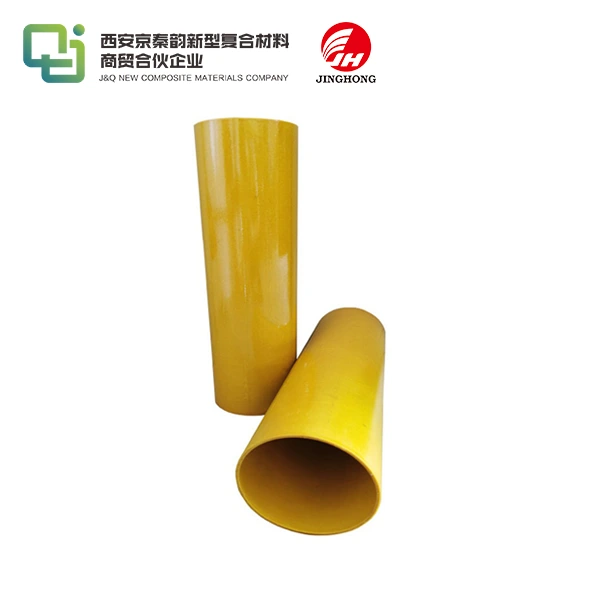
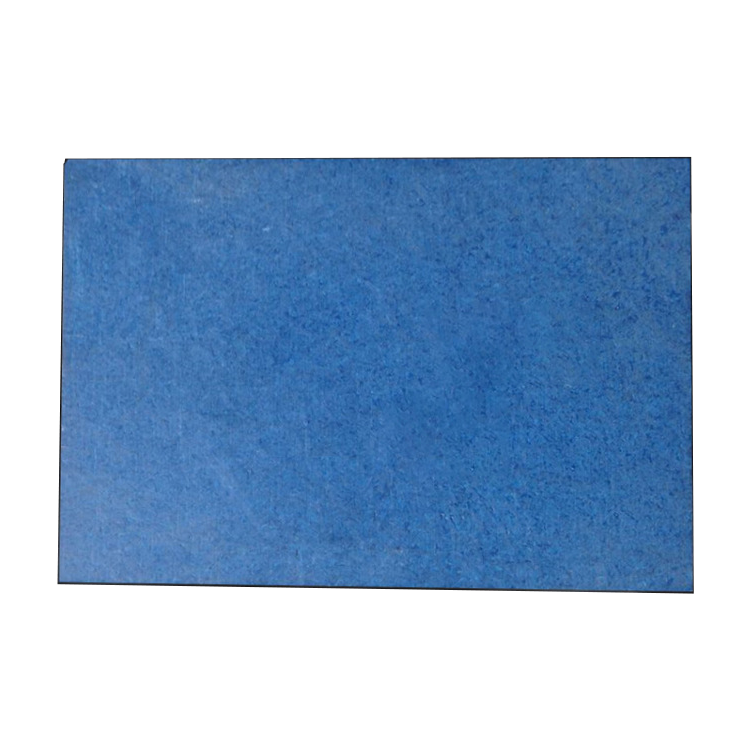
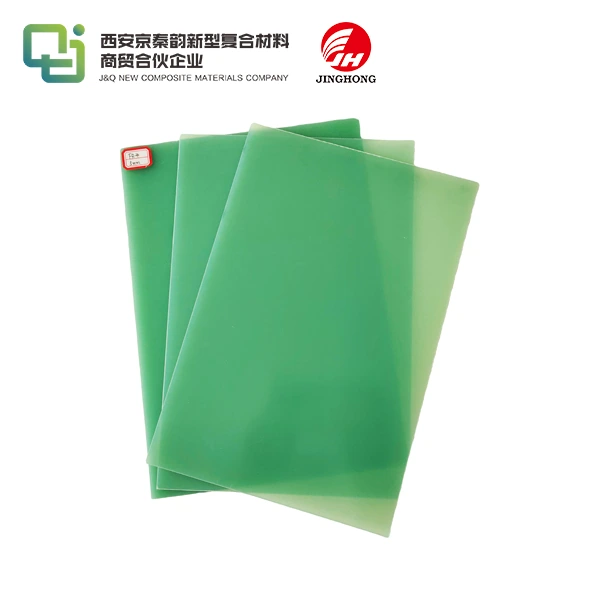
The 94V0 FR4 sheet from JingHong is made of knitted fiberglass cloth that is mixed with a brominated epoxy resin glue. The brominated chemistry gives it the self-extinguishing property needed for the UL 94 V-0 classification. This means that a vertical specimen stops burning in 10 seconds without dripping with flames. The sheet comes in widths ranging from 0.3 mm to 100 mm and is a light green color when it is first made.
Key Electrical and Thermal Properties
The material keeps its dielectric strength at about 50 kV/mm and its breakdown voltage at or above 40 kV when it is laid out parallel to the laminations. For standard grades, its Glass Transition Temperature (Tg) is between 130°C and 140°C. This means that it can be used continuously at up to 130°C (Class B insulation). ASTM D570 says that the water uptake is less than 0.2%. This means that the electrical performance stays the same even in humid places.
How Is It Manufactured?
The consistency of a sheet is determined by two things: precise layering and controlled resin curing under pressure. JingHong has a quality management system that is ISO 9001-certified and can make 43,000 tons of goods every year. Each batch is checked to make sure it meets the requirements for flammability (within ±0.1 mm for thin sheets), has a smooth surface without any bubbles, dry spots, or other imperfections that could make insulation weak spots.

Comparing FR4 with Alternative Insulating Materials
FR4 vs. CEM-1 and Paper Phenolic
CEM-1 has a paper body with fiberglass pieces on top of it, which makes it less resistant to fire and less rigid. Paper phenolic laminates (FR-1/FR-2) are better at absorbing water and don't have the right dielectric uniformity for use in switchgear. Under normal production conditions, neither material has a UL 94 V-0 grade. This means that they can't be used in enclosed control panel settings where arc faults can happen.
FR4 vs. Polyimide
Polyimide laminates can handle temperatures above 200°C and are used in aerospace, but they cost a lot more per square meter. The extra temperature headroom that polyimide offers isn't needed for most industrial control panel and equipment projects that work below 150°C. The 94V0 FR4 Fiberglass Sheet glass-epoxy laminate has the same level of electrical insulation as the other options, but it is much easier for large buyers to afford.
Total Cost of Ownership
The danger of breakdowns in the field, safety violations, and recall costs goes down when you buy approved UL 94 V-0 material. Cheaper boards may look like they're better quality per sheet, but one mistake in compliance during a check can cause a whole project to be delayed. When testing, paperwork, and liability are taken into account, the certified epoxy laminate gives OEMs and system integrators more value over the long term.
Applications of FR4 Epoxy Laminate in Control Panels and Switchgear
Arc Barriers and Phase Separators
Arc barriers physically separate live busbars in medium-voltage switchgear and stop flashover between stages. The material is good for this job because it has a high electrical strength and can put itself out on its own. Tracking is when conductive carbon paths slowly form on insulator surfaces. This is a common way for things to fail in places with a lot of moisture or pollution.
Mounting Plates and Structural Spacers
Mounting plates made of FR4 hold relay modules, terminal blocks, and bus links in place on control panels. The sheet doesn't bend when weight or sound loads are applied because its flexural strength is higher than 340 MPa (LW). For OEM builders making standard enclosures, the ability to keep thickness tolerances the same across large sheet formats (1030 mm × 1230 mm as standard, with custom options up to 1220 mm × 2440 mm) makes cutting and putting them together easier.
Insulation for Power Distribution Components
Epoxy laminate sheets are used by companies that make transformers and distribute electricity as heat shields and wraps for coils. The material doesn't absorb much water and keeps its dielectric qualities fixed over a wide temperature range. This means that transformer covers can last for a long time. IEC and UL compliance paperwork also makes it easier to send certifications to utility users and grid operators.
How to Select and Procure the Right Insulation Sheet?
Match Thickness and Grade to Application
PCB support fittings and precision spacers can be made from thin 94V0 FR4 Fiberglass Sheet sheets (0.3 mm to 1 mm). A thickness in the middle (2 mm to 10 mm) range is good for most mounting plates and arc barriers. Heavy pieces (10 mm to 100 mm) are used for structural and engineering reasons. High-Tg FR4 versions with resistance up to 170°C–180°C are offered for equipment that works in temperatures above 140°C. Always check with the supplier about the Tg rating before you order.
Here are the most important things to check about the specifications before you place an order:
- UL 94 V-0 certification documentation — request the original UL certificate, not a photocopy, and verify the certificate number on the UL Product iQ database.
- Dimensional tolerance records — thickness uniformity of ±0.1 mm for sheets under 3 mm; warping must stay below 0.5% for precision assemblies.
- Dielectric breakdown test reports — per ASTM D149, with results specific to the production batch you are ordering.
- MOQ and lead time alignment — JingHong's minimum order is 500 kg, with ocean, land, and air freight options available depending on urgency.
These steps help buying teams avoid risks of material substitution and keep supply lines ready for audits. Confirming every detail before approving a purchase order greatly lowers the chance of getting material that doesn't meet requirements.
Evaluating Supplier Reliability
The amount of products they make, their history with certifications, and their ability to provide OEM service all have an impact on your supply chain. JingHong has been making things for more than 20 years and trading with other countries for more than 10 years. They have long-term partnerships with many other international trading companies. They have their own logistics operation, so they can provide a one-stop service from manufacturing to delivery. They accept T/T payments, and customers can ask for custom sizes.
Ensuring Quality and Risk Management in Procurement
Testing Protocols That Matter
Four types of checks determine the quality of insulation: the flammability compliance (UL 94 V-0 vertical burn test), the dimensional tolerance inspection, the electrical proof through dielectric breakdown voltage tests, and the surface integrity checks. Each of these should be backed up by test reports that are dated and linked to specific production batches, not just general material data sheets.
Documentation and Traceability
Full traceability paperwork is a must for B2B buyers who have to go through UL, IEC, or ISO checks. This includes records of the materials used, test results, output batch numbers, and packing. Pallet packing with the right protection reduces damage during transport, which is a common cause of surface flaws that only show up when the goods are inspected upon arrival.
Storage and Handling
Keep sheets in a dry place with relative humidity below 40°C. Trace moisture, even at 0.2%, can change the high-frequency dielectric qualities of precise switchgear parts. Large sheets should be handled with support along their whole length to keep the glass weave from chipping along the edges, which weakens the laminate where it is cut.
Conclusion
The 94V0 FR4 Fiberglass Sheet is not a common item; it is a material that is very important for safety. Making the right choice means checking the UL 94 V-0 fire rating, making sure the thickness and Tg are right for the environment where it will be used, and working with a supplier that can give you full batch traceability. For people who build control panels, switchgear, and power distribution systems, making the right choice here protects both the equipment and the people who work near it. A good epoxy laminate sheet from a licensed maker will give your systems the insulation stability they need for a long time.
FAQ
What does the UL 94 V-0 rating actually mean?
It means the material is self-extinguishing. In a vertical burn test, the flame must stop within 10 seconds, and no flaming drips are permitted. This is the highest rating in the UL 94 standard for plastic materials and is required for most enclosed electrical equipment in the US and EU markets.
Can standard FR4 handle continuous high temperatures in switchgear?
Standard grade material is rated for continuous operation at 130°C (Class B). For higher-heat environments—such as near power transformers or soldering fixtures—High-Tg variants rated up to 170°C–180°C are the appropriate choice. Always confirm the Tg value with the supplier before specifying.
How do I verify a supplier's 94V0 certification is genuine?
Request the original UL certificate number and cross-check it on the UL Product iQ database at ul.com/listings. Also request batch-specific test reports rather than generic data sheets. Legitimate manufacturers can provide both without delay.
What is the difference between G10 and FR4?
G10 uses the same fiberglass-epoxy construction but lacks brominated flame retardants. FR4 adds bromine to the epoxy resin to achieve the UL 94 V-0 safety rating. G10 is no longer considered acceptable for most enclosed electrical assemblies where fire risk must be controlled.
How should the sheets be machined?
The abrasive glass fiber content requires tungsten carbide or diamond-coated cutting tools. High spindle speeds combined with proper dust extraction prevent delamination at cut edges and protect operators from silica dust exposure.
Partner with J&Q for Certified FR4 Epoxy Laminate Solutions
J&Q gives you direct access to JingHong's network of 94V0 FR4 Fiberglass Sheet suppliers. JingHong has been in business for more than 20 years and is ISO 9001 certified. Our team can match specifications to your exact project needs, whether you need standard sheet sizes or custom sizes up to 1220 mm × 2440 mm. You can visit jhd-material.com or email us at info@jhd-material.com to get a price and full technical information.
References
1. UL Standards & Engagement. UL 94: Standard for Flammability of Plastic Materials for Parts in Devices and Appliances. 2023.
2. IPC — Association Connecting Electronics Industries. IPC-4101: Specification for Base Materials for Rigid and Multilayer Printed Boards. 2017.
3. ASTM International. ASTM D149: Standard Test Method for Dielectric Breakdown Voltage and Dielectric Strength of Solid Electrical Insulating Materials. 2020.
4. ASTM International. ASTM D570: Standard Test Method for Water Absorption of Plastics. 2022.
5. NEMA. NEMA LI 1: Industrial Laminating Thermosetting Products. 2020.
6. IEC. IEC 60893: Insulating Materials — Industrial Rigid Laminated Sheets Based on Thermosetting Resins for Electrical Purposes. 2019.