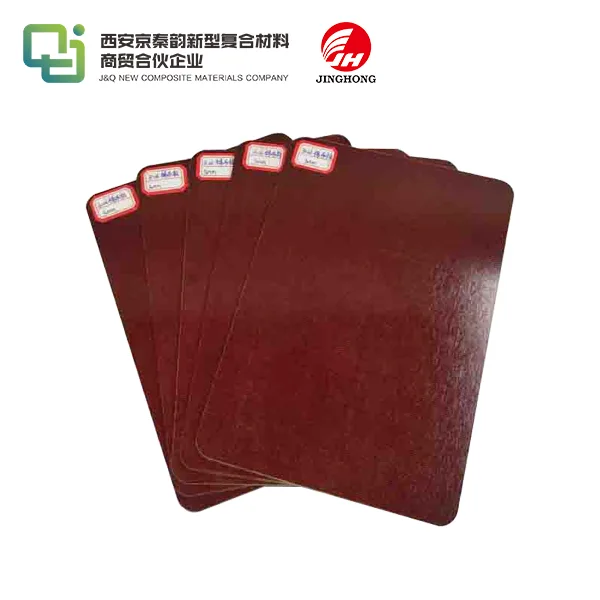
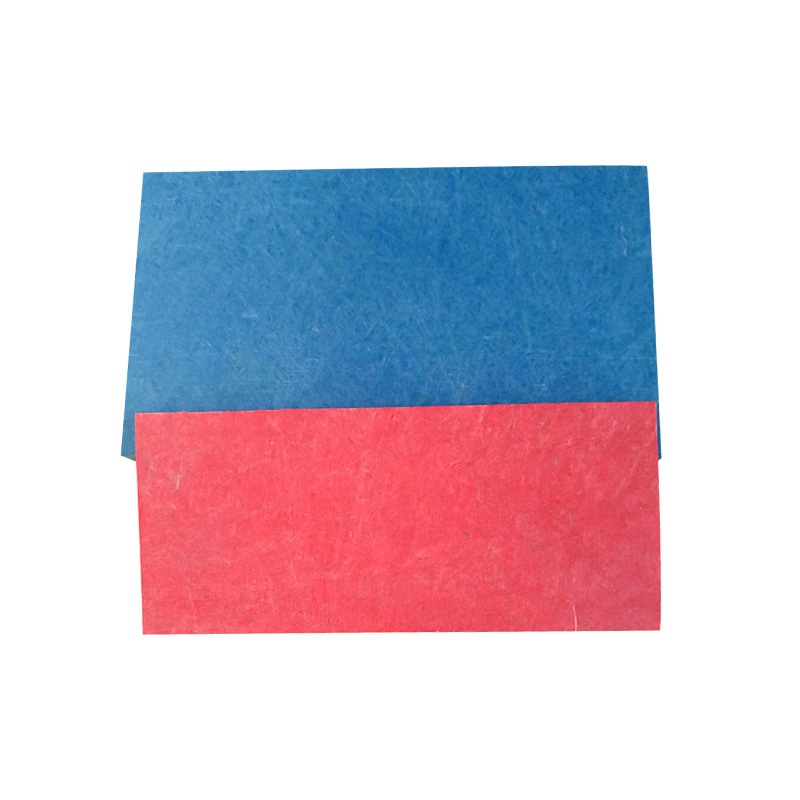
Flame Resistance FR4 Fiber Glass Laminate Sheet for PCB Supports and Electrical Enclosures
2026-10-14 17:25:07
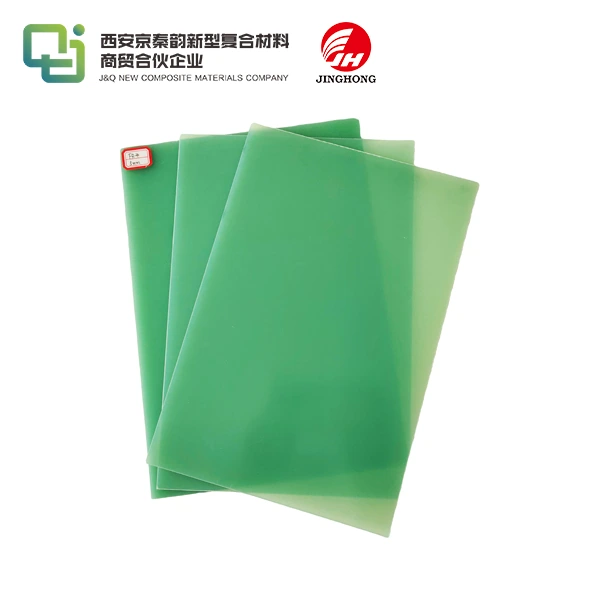
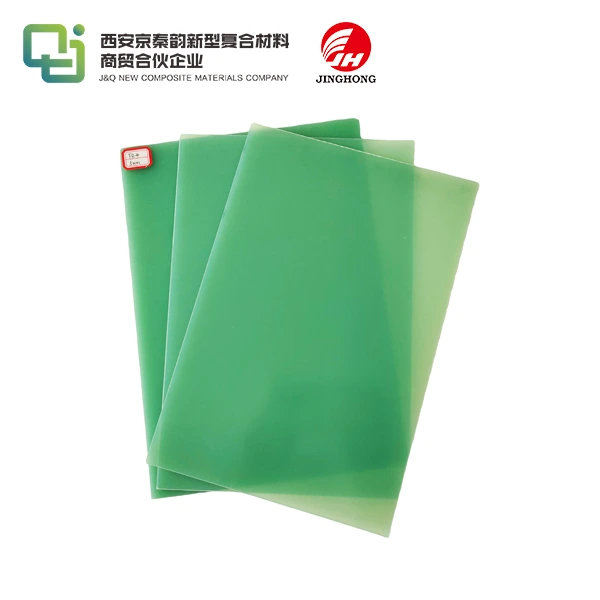
When engineers and procurement teams search for a reliable insulation material for PCB supports and electrical enclosures, FR4 fiberglass laminate consistently stands at the top of the list. Manufactured from woven glass fiber cloth embedded in epoxy resin, the Flame Resistance FR4 Fiber Glass Laminate Sheet carries a UL 94 V-0 flame rating, which means it self-extinguishes without dripping burning particles. With a bending strength of 571 MPa and a breakdown voltage exceeding 100 kV, this light green epoxy laminate board delivers both structural and electrical performance that demanding applications require.
Understanding Flame Resistance in FR4 Fiberglass Laminates
How Epoxy Resin and Glass Cloth Prevent Ignition?
The chemical makeup of FR4 is what makes it immune to fire. There are flame-retardant chemicals in the epoxy resin matrix that stop the chain reaction of combustion at the molecular level. The object stops burning on its own when the source of the flame is taken away. The woven fiberglass support creates a physical barrier that slows the flow of heat through the board and safeguards the parts below.
UL 94 V-0 Certification and What It Means
The tightest designation for solid plastics that can put out fire on their own is the V-0 grade under UL 94. A V-0 example must not burn for more than 10 seconds after each flame application and not make any flaming drips. Hongda FR4 sheets from J&Q pass this test and are listed under GB/T 2408-2008 in our technical data sheets. This gives procurement managers a record of compliance that can be checked for quality control.
Thermal Stability and Dielectric Strength
Standard FR4 stays structurally sound up to a temperature around 130°C to 140°C, which is the glass transition temperature. It has a vertical breakdown voltage of 16.7 kV/mm and an insulation resistance of 2.2×10²³ Ω after being soaked. With these specs, it's a good choice for circuit barriers, motor slot insulation, and high-voltage shelters that are subject to both heat and electrical stress.

Comparing Flame Resistant Laminates: FR4 vs. Alternatives
FR4 vs. CEM-1 and FR1
The CEM-1 has a paper core and a single layer of fiberglass on top, while the FR1 only has a paper-phenolic substrate. Compared to FR4, both of these materials soak up more water and are weaker. FR4 is the more reliable choice for applications that need stable dielectric properties in damp places, like outdoor switchgear or industrial control panels.
FR4 vs. FR5 and Polyimide
It is possible for FR5 and polyimide laminates to work continuously at temperatures above 170°C, which is something that normal-grade FR4 can't do. FR5 and polyimide, on the other hand, are much more expensive. Standard FR4 is a much cheaper alternative to FR6 that works well enough for most PCB support structures, electrical enclosures, and insulation plates in the power and electronics industries.
Cost-to-Performance Balance in Industrial Procurement
OEM buying managers and technical procurement teams usually make a choice based on proven performance at a cost that makes sense. In terms of most commercial uses, Flame Resistance FR4 Fiber Glass Laminate Sheet FR4 is in the best group. It works better than paper-based laminates in all mechanical and electrical tests, and it's still a lot easier to get than high-temperature specialty materials. In mass production, consistency from batch to batch is also very important, and authorized FR4 providers provide the proof to back that up.
Procurement Guide for FR4 Epoxy Fiberglass Laminate Sheets
Finding FR4 laminates isn't as easy as just matching a part number. Buyers need to look at specs, the trustworthiness of the provider, and the transportation skills all at the same time.
Before you place a B2B order, here are the most important details you should check:
- Flame rating certification: Confirm UL 94 V-0 documentation and request test reports per GB/T 2408-2008 or equivalent ASTM/IPC standards.
- Thickness range: Hongda FR4 sheets cover 0.3 mm to 100 mm, accommodating thin insulation spacers and thick structural blocks within one product line.
- Sheet size and customization: Regular size is 1030 mm × 1230 mm. Custom sizes include 1030 mm × 2030 mm, 1220 mm × 2440 mm, 1030 mm × 1030 mm, and 1030 mm × 2070 mm, which reduces material waste in CNC machining workflows.
- MOQ and payment: The minimum order is 500 kg with T/T payment, which suits both trial orders and large-volume annual contracts.
- Packaging and logistics: Palletized protection prevents surface damage during ocean, land, or air freight, ensuring sheets arrive flat and ready for machining.
These checkpoints are used by all five industry groups, from electronics makers making sure that their products comply with RoHS to tier-1 car buyers making sure that the thickness tolerances are the same across all production runs. J&Q can keep up with ongoing supply plans without lead-time gaps because this product line alone makes 13,000 tons of goods every year.
Applications of FR4 Laminate in PCB Supports and Electrical Enclosures
FR4 epoxy fiberglass laminates are used in a lot of different types of real-life installations and assembly jobs. Because they are both mechanically strong and electrically inactive, they can be used anywhere that needs a structural material that doesn't carry electricity.
Some common areas of use are:
- PCB test jigs and fixture testing jigs: The material's dimensional stability under repeated thermal cycling keeps probe alignments accurate over thousands of test cycles.
- Switch insulation plates and arc barriers: In switchgear and distribution panels, FR4 separates live conductors with both physical strength and certified flame resistance.
- Insulation parts for motor and transformer assemblies: Slot wedges and coil barriers made from FR4 withstand operating temperatures and mechanical vibration simultaneously.
- Lithium battery pack barriers: Automotive and home appliance manufacturers use FR4 sheets as thermal separation layers between cells, meeting fire safety standards for battery enclosures.
- Polish gears and mechanical spacers: Machinery builders machine FR4 into wear-resistant gears and load-bearing spacers where metal would cause electrical faults.
Each of these uses is helped by Flame Resistance FR4 Fiber Glass Laminate Sheet FR4's Barcol hardness of 76, tensile strength of 282 MPa, and very low water absorption. These properties work well in a wide range of environments, from climate-controlled electronics factories to outdoor industrial enclosures.
Verifying Quality and Ensuring Long-Term Value
What to Inspect in the Manufacturing Process?
Controlling the glue impregnation, pressing temperature, and drying time very precisely is needed to make FR4 that is of high quality. When resin isn't spread out evenly, it creates gaps in certain places that lower the breakdown voltage and make the flame resistance weaker. When judging sellers, ask for cross-section pictures of cut samples and batch-specific test papers instead of data from a general catalog.
Standardized Tests That Matter
In addition to the flammability rating, the tests that matter most for buying decisions are the bending strength (GB/T 1303.4-2009), the insulation resistance after soaking, and the dielectric dissipation factor. Hongda FR4 from J&Q comes with written results for all 13 test items in our technical data table. This means that engineering managers don't have to pay for separate testing on every shipment and can use the results for material approval processes.
Long-Term Cost Benefits of Certified FR4
Choosing an approved veneer that is made the same way every time cuts down on failures in the field, guarantee claims, and production line stops. The savings from fewer bad runs and stable machining standards are greater than any short-term price difference between certified and non-certified material over a three- to five-year supply relationship. Using documented V-0 rated insulation helps with end-market standards like UL, CE, and RoHS, as well as the image of the OEM product.
Conclusion
For good reason, Flame Resistance FR4 Fiber Glass Laminate Sheet FR4 fiberglass epoxy laminate is still the most common type of insulation board used in the production of technology, the distribution of power, and industrial machines. It can handle UL 94 V-0 flames, has a high dielectric strength, and can be machined on a CNC machine, so it can be used in most B2B situations in the US market. It gives consistent performance across big production numbers without the high cost of specialty high-temperature materials when bought from a trusted manufacturer with full technical documentation.
FAQ
What does UL 94 V-0 mean for FR4 sheets?
UL 94 V-0 is the highest self-extinguishing rating for solid plastics. A material rated V-0 stops burning within 10 seconds after each flame application and produces no flaming drips, making it suitable for electrical enclosures and PCB substrates.
Can FR4 replace G-10 fiberglass laminate?
Yes. FR4 shares the same base composition as G-10 but includes flame-retardant additives in the epoxy resin. It is a direct drop-in replacement for G-10 in virtually all electrical insulation and structural applications.
What thickness options are available?
Hongda FR4 sheets range from 0.3 mm to 100 mm, covering thin PCB support plates through thick structural insulation blocks within a single product family.
Is FR4 suitable for humid environments?
Yes. The insulation resistance after soaking measures 2.2×10¹³ Ω, and water absorption is very low, allowing FR4 to maintain stable dielectric properties under damp or wet operating conditions.
What certifications should I request from suppliers?
Request UL 94 V-0 test certificates, GB/T 1303.4-2009 mechanical test reports, and RoHS compliance declarations. Batch-specific documentation is preferred over generic catalogue specs.
Partner with J&Q for Certified FR4 Laminate Supply
Flame Resistance FR4 Fiber Glass Laminate Sheet is available at J&Q. It comes with full scientific documents, a low MOQ starting at 500 kg, and different sheet shapes that can be used for different types of machining. We have been a reliable FR4 fiberglass laminate supplier for over 20 years and have our own logistics network. We ship worldwide by ocean, land, or air freight. Get a price from us today by emailing info@jhd-material.com or going to jhd-material.com.
References
1. National Electrical Manufacturers Association (NEMA). NEMA LI 1: Industrial Laminating Thermosetting Products. NEMA, 2020.
2. UL Standards & Engagement. UL 94: Standard for Tests for Flammability of Plastic Materials for Parts in Devices and Appliances. UL, 2021.
3. IPC — Association Connecting Electronics Industries. IPC-4101: Specification for Base Materials for Rigid and Multilayer Printed Boards. IPC, 2017.
4. Harper, Charles A. Electronic Packaging and Interconnection Handbook. McGraw-Hill, 2005.
5. Goodman, S. H. (Ed.). Handbook of Thermoset Plastics. William Andrew Publishing, 2014.
6. Coombs, Clyde F. Printed Circuits Handbook, 7th ed. McGraw-Hill Education, 2016.