Phenolic Cotton Cloth Tube Provides Reliable Mechanical Support for Industrial Electrical Assemblies
2026-10-13 17:29:19
When engineers and procurement teams search for structural insulation components that hold up under real industrial pressure, the phenolic cotton cloth tube consistently earns its place at the top of the list. Made from cotton fabric layers saturated with phenolic resin and formed under heat and pressure, this laminated tube delivers a practical combination of mechanical toughness, dielectric protection, and thermal endurance. Whether the application is a motor housing, transformer support, or switchgear linkage, this material solves problems that softer or more brittle alternatives cannot.
Understanding Phenolic Cotton Cloth Tubes: Properties and Manufacturing
What This Material Actually Is?
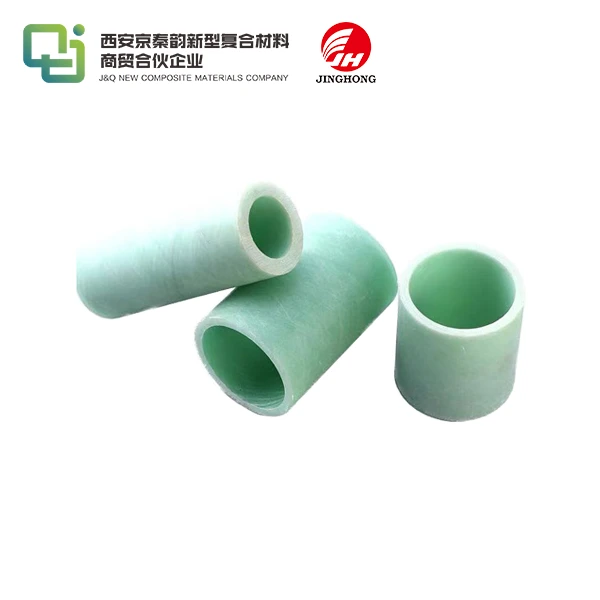
It is a thermosetting polymer that is a phenolic cotton cloth bonded tube. The phenolic resin is soaked into cotton fabric, which is then wound and cured under controlled heat and pressure. In the end, you have a thick, stiff tube with a brown or black finish. Our product is made from phenolic resin and comes in inner diameters ranging from φ5 mm to φ1500 mm, outer diameters ranging from φ6 mm to φ2000 mm, wall thicknesses starting at 0.5 mm, and tube lengths up to 2 meters. The annual production capacity is 100 tons.
Key Material Properties
This tube has a lower coefficient of friction than metal-on-metal contact because it is reinforced with cotton fiber. This lowers buzzing noise and galling in gear and bearing applications. The Class E thermal grade comes from the phenolic resin matrix, which can handle constant temperatures of 115°C to 120°C. There is good chemical resistance to oils, mild acids, and alkalis, and the material works well in oily places like transformer oil baths without breaking down or contaminating the fluid.
Manufacturing Quality Controls
Electrical insulation values, shear strength, and measurement accuracy are some of the things that are tested on every tube. Tolerances are based on DIN 40607 guidelines or requirements set by the customer. The factory is ISO 9001-approved, and the goods are made to meet UL and ASTM standards. To make sure that your project meets all of your needs, we can offer custom sizes, OEM labels, and special packing.

Why Phenolic Cotton Cloth Tubes Are Essential for Industrial Electrical Assemblies
Mechanical Strength Where It Counts
Electrical assemblies in factories are constantly being shaken, heated and cooled, and hit by metal objects. Phenolic Cotton Cloth Tubes don't break when they get hit, which isn't always possible with glass- or ceramic-based laminates. Grade CE cotton phenolic tubes are the best for transformer tap switches and switchgear connections because they don't crack when hit over and over again by mechanical switching operations.
Electrical Insulation Performance
For low to medium power uses, these tubes provide reliable structural insulation. The cotton phenolic tube keeps live parts safe from grounded structures in motor housings, coil supports, and Phenolic Cotton Cloth Tube arc barrier assemblies. For high-voltage primary insulation, glass epoxy (FR4/G10) or paper phenolic grades are usually the best options. However, cotton phenolic tubes are still the best choice when both mechanical and mild dielectric performance are needed.
Thermal and Chemical Stability
Cotton phenolic tubes stay strong and in shape in places with heavy machinery that regularly use lubricating oils, hydraulic fluids, and mild chemicals. The cotton fiber actually holds on to oil, which gives bearings and bushings a mild self-lubricating effect. In places where metal options would seize or score under load, like steel rolling mills, rock crushers, and hydraulic cylinder guide rings, this trait makes them last longer.
Even though there are younger composite materials available, machinery makers and electrical assembly engineers still choose cotton phenolic laminate tubes because they are good at absorbing impacts, keeping their dielectric integrity, and withstanding chemicals.
Phenolic Cotton Cloth Tube vs. Alternatives: Making an Informed Choice
Compared to Fiberglass Tubes
Fiberglass (G10/FR4) tubes are the best choice for high-voltage primary insulation because they are stronger and don't get wet as easily. But they break more easily when hit and are harder to work with without breaking. Cotton phenolic tubes are stronger, quieter when moving, and easier to cut, drill, and thread with normal carbide tools, which lowers the cost of cutting.
Compared to Epoxy and Silicone Rubber
Although epoxy laminate tubes have great electrical qualities, they can be too expensive for large quantities of mechanical parts. Silicone rubber tubes work well in very hot or cold conditions, but they are not strong enough to hold weight in structures. Cotton phenolic tubes are in the middle; they are strong enough for structural use, insulating enough for electrical separation at the assembly level, and priced right for buying in medium to large quantities.
Choosing the Right Grade
For gears and bearing covers, NEMA Grade C uses a heavy cloth weave and puts impact strength first. Grade LE has a fine linen weave that makes it easier to machine precisely, cut threads more precisely, and resist moisture a little better. Grade CE or an equivalent is fine for most structural supports for electrical assemblies. The most important thing to think about when buying something is matching the grade to the load and machining needs.
Purchasing teams that take the time to define the right grade and check the tolerances for dimensions will avoid failures in the field and costs that aren't necessary for replacements.
Procurement Guide: How to Source Quality Phenolic Cotton Cloth Tubes Successfully?
Supplier Qualifications to Verify
Before you place an order, make sure the supplier is ISO 9001 certified and can give you test reports for each batch of materials. It should not be possible to opt out of getting dimension certificates and electricity test results for Phenolic Cotton Cloth Tube. When you buy from a factory directly, you skip the middleman and go straight to the production team to make your unique requests. For more than 20 years, J&Q has been making insulation products, and for more than 10 years, they have been trading with people all over the world, including buyers in the United States.
Customization and Logistics
Here are the basic properties of the products that J&Q sells:
- Inner diameter: φ5 mm to φ1500 mm
- Outer diameter: φ6 mm to φ2000 mm
- Wall thickness: minimum 0.5 mm
- Maximum tube length: 2 meters per piece
- Color options: brown, black
- Transportation modes: ocean freight, land, air
The inside width ranges from ±5 mm to ±1500 mm.
Lead Time and Supply Chain Planning
You can choose from brown and black colors.- Types of transportation: ocean freight, land, and air
Maximizing Value: Best Practices for Using Phenolic Cotton Cloth Tubes
Machining Guidelines
When cutting or drilling, use carbide or diamond-tipped tools with fast cutting speeds and slow feed rates to keep the material from coming apart. To keep the tube from collapsing, you should always support the inner diameter when tightening. It is important to use sharp tools because dull tools tear cotton fibers instead of cutting them cleanly, which breaks the edge and helps the layers separate.
Installation and Handling
Keep tubes in a dry place, away from direct sources of wetness. Even though cotton phenolic material is pretty resistant to water, letting it sit out for a long time before installation can change its physical stability. When compressive forces are expected, don't put point loads on tube ends that don't have support rings during assembly. These small steps in handling protect both the qualities of the material and how well the end assembly works.
Long-Term Maintenance
Checking the surface for cracks or changes in color on a regular basis is a sign of thermal overload and that the temperature is getting close to the Class E limit. When the tube is submerged in oil, the wear resistance usually goes up because the oil gets into the cotton fibers. No extra lube is needed. Unplanned downtime in important electrical assemblies can be avoided by replacing tubes as soon as they start to turn carbonized instead of waiting until they break mechanically.
Conclusion
Phenolic Cotton Cloth Tube cloth tubes are a tried-and-true, technically sound way to insulate structures and provide mechanical support in industrial electrical systems. Because they can handle being hit hard, work well in oily conditions, and can be machined, they are a good choice for motor parts, transformer supports, hydraulic guide rings, and switchgear linkages. The specs and OEM options that J&Q offers cover all of the needs of buying teams and engineering managers looking for insulating tube goods that meet ISO, UL, and ASTM standards and come with quality paperwork that has been checked.
FAQ
What is the maximum continuous operating temperature?
Class E is the normal rating, which means continued service at 115°C to 120°C. If you go over this for a long time, the cotton fibers become carbonized, which makes them weak and eventually causes them to break.
Can these tubes be used in oil-immersed applications?
Yes. Cotton phenolic tubes work well in transformer oil and other fluids that are made of hydrocarbons. The material doesn't get into the oil, and letting the oil soak into the cotton fibers makes them last longer in bearing applications.
How does chemical resistance compare to fiberglass tubes?
The phenolic material made of cotton does well in mild acids, bases, and oils. Glass epoxy grades may be better for very harsh acidic or alkaline conditions, but cotton phenolic works well in normal chemical contact in the workplace.
What custom sizes are available?
The inner diameters are between φ5 mm and φ1500 mm, and the outer diameters are between φ6 mm and φ2000 mm. The wall thickness starts at 0.5 mm, and the lengths go up to 2 meters. You can get OEM measurements and limits upon request.
Are samples available before placing a bulk order?
Yes. You can place sample orders to try prototypes before committing to large orders. This lowers the risk of buying something and makes sure it will work for your needs.
Partner with J&Q — Your Trusted Phenolic Cotton Cloth Tube Supplier
Every order comes from J&Q, which has been making insulation products for more than 20 years and has been trading with other countries for ten years. As a factory-direct Phenolic Cotton Cloth Tube maker, we have full control over the whole process, from making the tubes to delivering them, even using our own transportation company. Our process is ISO 9001-certified; we can do full OEM work, and we have proof that we follow UL and ASTM standards. This gives buying teams the peace of mind they need.
Get in touch with our technical team to talk about your project, get examples, or get a custom price. To get started, email us at info@jhd-material.com or go to jhd-material.com.
References
1. Harper, C. A. (Ed.). Handbook of Plastics Technologies. McGraw-Hill, 2006.
2. Martens, C. R. Thermosetting Plastics: Practical Molding Technology. Van Nostrand Reinhold, 1986.
3. NEMA Standards Publication LI 1. Industrial Laminated Thermosetting Products. National Electrical Manufacturers Association, 2020.
4. ASTM D709. Standard Specification for Laminated Thermosetting Materials. ASTM International, 2021.
5. IEC 60893. Specification for Industrial Rigid Laminated Sheets Based on Thermosetting Resins for Electrical Purposes. International Electrotechnical Commission, 2018.
6. Brydson, J. A. Plastics Materials, 7th ed. Butterworth-Heinemann, 1999.