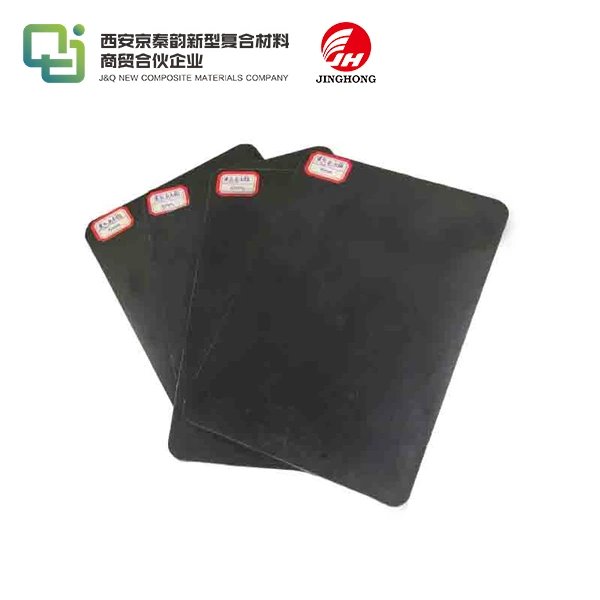
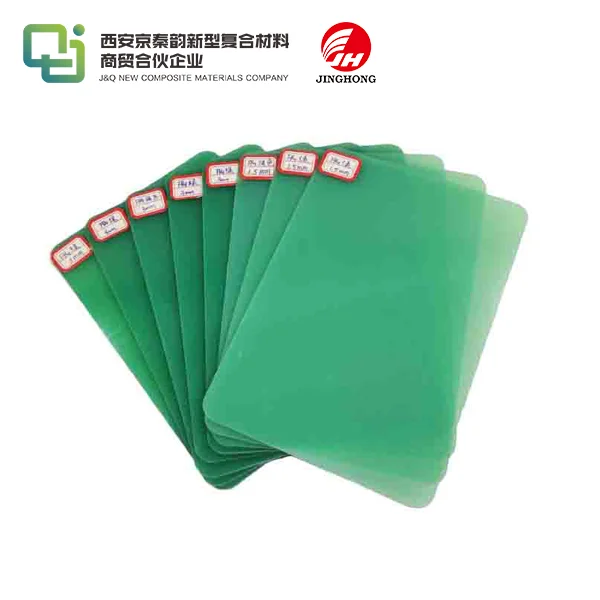
Flame Resistance FR4 Fiber Glass Laminate Sheet Helps Protect Industrial Components from Heat and Flame
2026-10-13 17:21:53
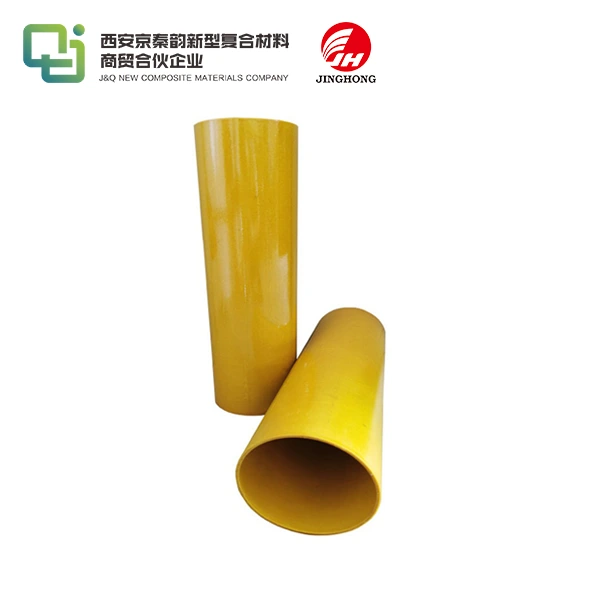
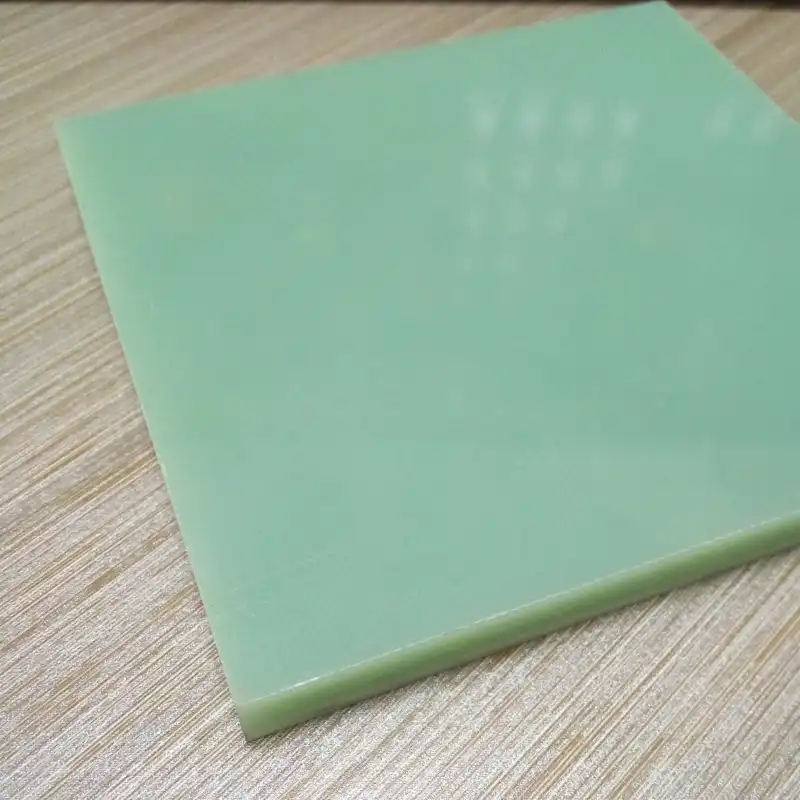
When industrial components face extreme heat, electrical stress, or accidental flame exposure, the material you choose can determine whether a system survives or fails. Flame Resistance FR4 Fiber Glass Laminate Sheet is a fiberglass cloth laminate embedded in epoxy resin, rated UL94 V-0 for self-extinguishing performance. Governed by the National Electrical Manufacturers Association (NEMA), FR4 has replaced the flammable G-10 board across most electrical and industrial applications. Its light green appearance, high mechanical strength, and low moisture absorption make it a go-to insulation material for engineers across electronics, power, automotive, and machinery sectors.
Understanding Flame Resistance in FR4 Fiber Glass Laminate Sheets
What Makes FR4 Flame Retardant?
FR4 is fire-resistant because it has both a continuous glass-woven fabric and an epoxy resin binder that has flame-retardant additives in it. When something is near a source of fire, it stops burning when the flame is taken away. The fact that it goes out on its own is what gives it the UL94 V-0 grade, which is the most prestigious award in the field of workplace fire safety.
Key Physical and Electrical Properties
Specifications for Hongda FR4 sheets make things very clear. In parallel layer tests, the breaking voltage exceeds 100 kV, the bending strength reaches 571 MPa, and the compressive strength reaches 548 MPa. After being soaked, the insulation resistance is 2.2×10²³. These numbers are real and have been checked by GB/T test methods. This gives buying teams real trust in the consistency of the batches.
Why These Properties Matter for Industrial Use?
FR4 keeps its shielding properties even in damp work settings thanks to its high dielectric strength and almost complete lack of water absorption. Unlike phenolic laminates made from paper, FR4 doesn't break down when wet. This makes it perfect for use in switchgear circuits, transformer coil insulation, and PCB substrates where electrical stability can't be compromised.
Comparing FR4 Sheets with Other Laminates for Industrial Use
FR4 vs. FR1 and CEM-3
The paper base of FR1 makes it less durable and less able to handle high temperatures. CEM-3 is in the middle of paper and full glass construction, but it still isn't strong enough to bend and doesn't work well enough as an insulator at high temperatures. Because FR4 is made of only glass, it has a big advantage when it comes to long-term mechanical durability and thermal stability, especially in uses that go through temperature changes.
FR4 vs. Phenolic Cotton Sheet (3026)
Phenolic cotton sheets are good for mechanical spacers and gears because they don't cost too much and can handle compression loads well. But they don't have the dielectric precision or flame-retardant properties of FR4. FR4 is the better choice for places where electrical insulation and fire protection need to work together, like in motor brackets or circuit barriers. For purely mechanical tasks, phenolic cotton works better.
How Thickness Affects Performance?
The thickness of Hongda Flame Resistance FR4 Fiber Glass Laminate Sheet ranges from 0.3 mm to 100 mm, so it can be used for a lot of different manufacturing purposes. Because they can handle more mechanical stress and prevent arcs better, bigger sheets are often specified by power distribution engineers for busbar supports and arc chutes. When precision and ease of machining are very important, thinner sheets are best for PCB substrates and fixture jigs.
Procurement Considerations for FR4 Fiber Glass Laminate Sheets
Evaluating MOQ, Sizing, and Lead Times
The least amount of Hongda FR4 sheets that can be shipped is 500 kg, which is enough for most medium to large production runs. Standard sheet size is 1030 mm × 1230 mm, but special sizes are also available, such as 1220 mm × 2440 mm and 1030 mm × 2070 mm, to meet specific cutting needs. The fact that Hongda can make 13,000 tons of FR4 every year means that supply stability is rarely a problem.
Before placing an order, buyers should make sure of the following key procurement parameters:
- Standard size: 1030 mm × 1230 mm; custom sizes available upon request
- Thickness range: 0.3 mm to 100 mm to match application-specific tolerances
- MOQ: 500 KG, with pallet protection packaging for transit safety
- Shipping options: Ocean, land, and air freight supported; payment via T/T
- Color: Natural light green, consistent across batches for easy visual inspection
These specs make it easy for OEM sourcing managers and technical procurement teams to plan orders and keep production schedules on track without having to worry about supply problems.
Certifications and Quality Standards
FR4 laminates that are meant for the U.S. market must at least meet UL94 V-0 fire safety standards. Hongda tests its FR4 sheets using the GB/T 2408-2008 and GB/T 1303.4-2009 methods, which are in line with world quality standards. Buyers should ask for test results for each batch, especially if the material is going to be used in systems that are high-voltage or safety-critical.
Customization and Supply Chain Reliability
J&Q has an integrated supply chain that includes production at Hebei JingHong Electronics and delivery through its own transportation operation. This means that orders placed directly with the company get production priority. This lowers the chance of delays that often happen with third-party sourcing. The team has been making things for more than 20 years and trading with other countries for more than 10 years. They know what engineering procurement managers need: accurate lead times, uniform measurements, and test data that has been checked.
Applications and Benefits of FR4 Laminates in Industry
Electronics and PCB Manufacturing
FR4 is the standard substrate for rigid PCBs because it is fire-resistant, electrically insulating, and stable in shape, all in one. It can also be turned into test jigs, fixture boards, SMT solder pallets, and switch insulation plates. It can handle CNC cutting and precision drilling without cracking or delaminating because it has a Barcol hardness of 76 and a tensile strength of 282 MPa.
Power, Automotive, and Machinery Sectors
To send power, Flame Resistance FR4 Fiber Glass Laminate Sheet FR4 sheet is cut into arc barriers, coil insulation layers, and generator slot wedges. It is used by auto suppliers to make barriers for battery packs and heat-resistant mounting fixtures for electric vehicle (EV) assemblies. Its compressive strength (548 MPa) is used by machinery makers for structural gaps and parts that don't wear out. In all of these areas, the material's ability to resist chemicals and keep its shape under load lowers the number of repair periods and the cost of replacing parts.
Appliance and Consumer Product Manufacturing
FR4 is used by home device makers for motor brackets, insulation frames, and parts that separate heat from the motor. The stable batch quality and ease of machining of the material make it useful for high-volume production lines where the range for size changes cannot change from one run to the next. Its cost-to-performance ratio makes it a good choice for appliance makers who need fire-safe insulation without having to pay a lot more for materials.
Testing and Validating Flame Resistance in FR4 Sheets
UL94 V-0: What It Means in Practice
With a UL94 V-0 grade, the material stops burning 10 seconds after each flame application and doesn't drip with flames. According to the UL94 standard, this is the highest vertical burn classification. It is needed for parts that are used in enclosed electrical equipment. GB/T 2408-2008 tests for flammability confirmed that Hongda FR4 achieves V-0.
Batch Testing and Quality Verification
Teams in charge of buying things should make sure that every batch of goods comes with test papers that show the grade of flammability, the dielectric breakdown voltage, the bending strength, and the water absorption. A strong sign of production process control is test data that stays the same across shipments. The fully automatic production workshop at Hongda helps keep batches consistent at scale, which lowers the differences between orders.
Interpreting Test Data Before Ordering
Pay attention to three numbers on FR4 technical sheets: the breakdown voltage (vertical layer ≥ 16.7 kV/mm), the insulation resistance after washing (≥ 2.2×10³³ Ω), and the flammability grade (V-0). These numbers show that the material will work in the electrical and heat conditions that are common in your application. Ask providers to give you real test results, not just numbers that look good.
Conclusion
Flame Resistance FR4 Fiber Glass Laminate Sheet FR4 epoxy fiberglass laminate sheet is unique in industrial insulation because it protects against fire spreading, dielectric breakdown, mechanical stress, and moisture degradation all at the same time. Hongda FR4 sheet can be used for a lot of different things, from heavy-duty transformer insulation to PCB substrates, because it has a wide thickness range (0.3 mm to 100 mm) and performance data that has been verified. FR4 is still the best material for engineering teams and procurement specialists who need something that works consistently in harsh conditions. It has a lot of research behind it, and the industry has been using it for decades.
FAQ
What is the flammability rating of Hongda FR4 sheet?
GB/T 2408-2008 tests show that Hongda FR4 has a flammability grade of UL94 V-0. This means that the material goes out on its own 10 seconds after the flame is removed, leaving no burning residue.
Can FR4 safely replace G-10 laminate?
Yes, FR4 has the same electrical and mechanical qualities as G-10, but it also doesn't catch fire. For most uses, it works just as well and is now the standard for PCB boards and electrical insulation where fire safety is needed.
What custom sizes are available?
Hongda offers special sizes besides the normal 1030 mm × 1230 mm size. These include 1030 mm × 2030 mm, 1220 mm × 2440 mm, 1030 mm × 1030 mm, and 1030 mm × 2070 mm. It can be anywhere from 0.3 mm to 100 mm thick.
Does FR4 maintain its insulating properties in humid conditions?
Yes. FR4 has great insulation resistance even after being soaked (2.2×10³³ Ω), so it can be used in places where paper-based laminates wouldn't work because of the moisture.
What is the minimum order quantity?
The minimum order quantity is 500 kg. Sheets are shipped on pallets to protect them, and they can be sent by sea, land, or air freight with T/T payment terms.
Partner with J&Q for Trusted FR4 Laminate Supply
Flame Resistance FR4 Fiber Glass Laminate Sheet is sold by J&Q to electrical manufacturers, machinery builders, and people in the power sector all over the United States. As a seller of FR4 sheets straight from the plant with more than 20 years of production experience and a dedicated logistics team, we make sure your orders get to you on time and with all the test paperwork they need. You can email us at info@jhd-material.com or go to jhd-material.com to get examples, custom sizes, or a price on buying our products.
References
1. National Electrical Manufacturers Association (NEMA). NEMA LI 1: Industrial Laminating Thermosetting Products. NEMA, 2020.
2. Underwriters Laboratories. UL 94: Tests for Flammability of Plastic Materials for Parts in Devices and Appliances. UL Standards, 2018.
3. IPC Association Connecting Electronics Industries. IPC-4101: Specification for Base Materials for Rigid and Multilayer Printed Boards. IPC, 2017.
4. Bilow, N., & Landis, A. L. "Flame-Retardant Epoxy Resins." Journal of Fire Sciences, 1982.
5. Weil, E. D., & Levchik, S. V. Flame Retardants for Plastics and Textiles: Practical Applications. Hanser Publications, 2009.
6. International Electrotechnical Commission. IEC 60893: Specification for Industrial Rigid Laminated Sheets Based on Thermosetting Resins for Electrical Purposes. IEC, 2019.