A Comparison of FR4, G10, and G11: Similarities and Differences
2026-03-17 16:20:29
When choosing base materials for making printed circuit boards, it's important to know the differences between FR4 sheet, G10 laminates, and G11 laminates for the best electrical performance and mechanical stability. The basic building blocks of these three epoxy-glass composite materials are the same, but they each have their own benefits that make them useful in different industrial settings. As of now, FR4 is still the standard because it is flame-resistant and has balanced properties. However, G10 and G11 are better for high-performance settings that need stronger materials or certain electrical properties.
Understanding FR4, G10, and G11: General Overview
Basic Material Composition and Structure
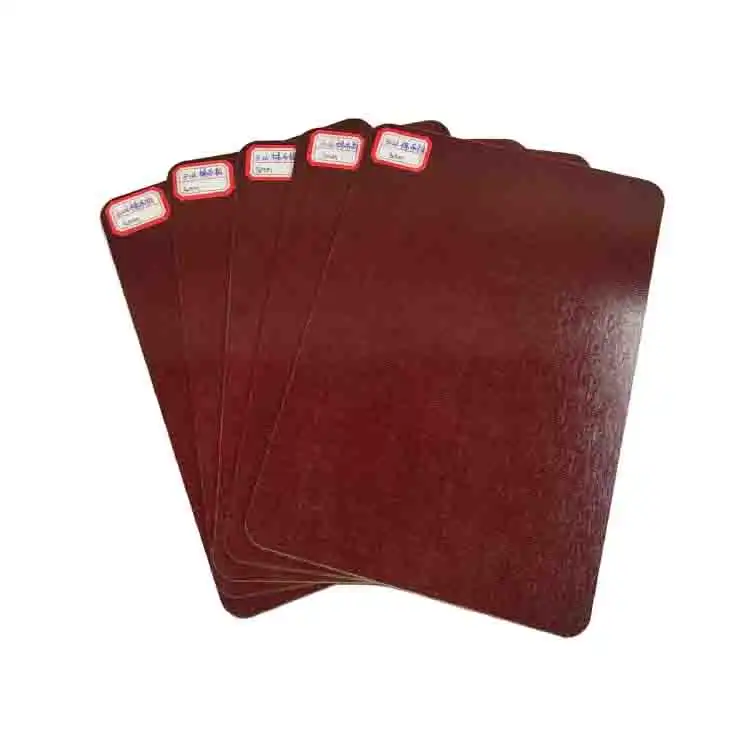
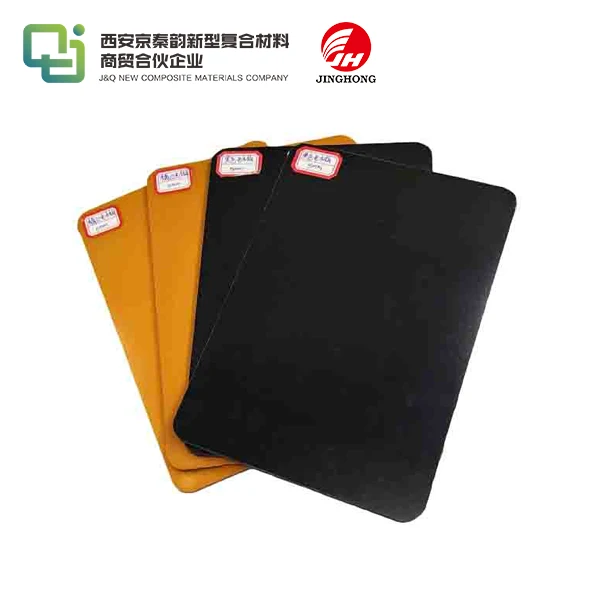
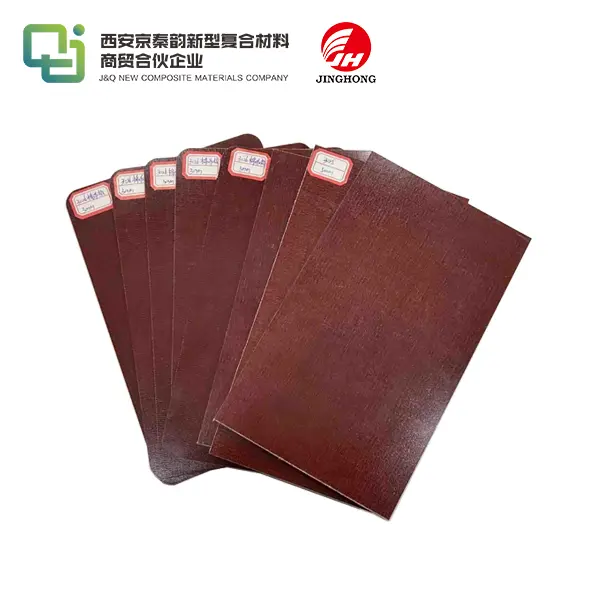
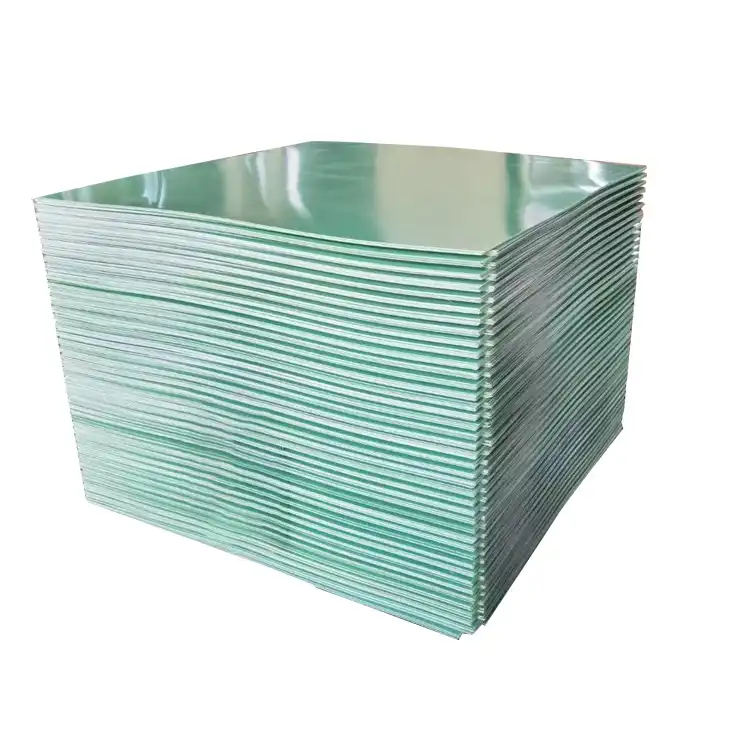
FR4, G10, and G11 laminates are all made of woven fiberglass cloth that is filled with epoxy resin systems. However, the way they are made makes them behave differently. The FR4 sheet has flame-retardant additives in it, which are usually brominated compounds or non-halogenated options. It has UL94 V-0 flammability ratings, which are necessary for safety-critical uses. FR4 is different from its G10 and G11 peers because it doesn't catch fire. This makes it the best choice for consumer electronics and commercial equipment where fire safety rules apply.
G10 is the original standard for an epoxy-glass laminate. It uses a pure epoxy resin system with no flame-retardant chemicals. This mixture has great mechanical strength and dimensional stability, which makes it very useful in structure uses where maximum mechanical performance is more important than fire resistance. G11, on the other hand, has better thermal performance thanks to modified epoxy formulas that keep their electrical and mechanical qualities at high temperatures.
Compliance Standards and Certifications
The National Electrical Manufacturers Association (NEMA) has guidelines for all three materials. FR4 meets the NEMA LI 1-1998 requirements for flame-retardant laminates in particular. The G10 and G11 follow the NEMA G-10 and G-11 standards, which makes sure that the quality and performance are the same from one maker to the next. These standardizations give procurement teams trust in the material standards and make it possible to get reliable supplies from many sources around the world.
Environmental compliance is another important factor to think about. These days, all three materials can be found in RoHS-compliant forms. This compliance makes sure that the product works with global standards for making electronics, and it supports environmentally friendly production methods that are being asked for more and more by big OEMs and government agencies.
Material Properties Comparison: FR4 vs G10 vs G11
Electrical Performance Characteristics
The electrical features of these laminates have a direct effect on how well they work in different circuits. At 1 MHz, FR4 sheet materials usually have dielectric constants between 4.2 and 4.8 and dissipation factors below 0.02. This means they can be used for most standard frequency uses. The flame-retardant ingredients in FR4 can slightly raise dielectric loss compared to G10, but this difference isn't important for most PCB uses.
Because they are made of pure epoxy resin, G10 laminates have slightly better electrical qualities. They have dielectric constants between 4.0 and 4.5 and even lower dissipation factors. Because of these qualities, G10 sheet is superb for high-frequency uses where very little signal loss is desirable. The electrical qualities of G11 are similar to those of G10, but they are more stable at higher temperatures. This means that the electrical performance stays the same across a wider temperature range.
Mechanical Strength and Durability
These three materials have very different mechanical properties, which affects how they are chosen for structure uses. G10 has the highest flexural strength, often surpassing 400 MPa. This makes it perfect for mechanical spacers, structural supports, and finely machined parts used in factories. G10's epoxy matrix can reach its highest cross-linking density because it doesn't contain any flame-retardant chemicals. This gives it better mechanical qualities.
FR4 sheet materials have balanced mechanical performance, with flexural strengths usually between 310 and 380 MPa, which is enough for most PCB uses while still being easy to work with. G11 is in the middle because it has good mechanical strength but puts thermal performance ahead of best mechanical power.
Thermal Resistance and Environmental Stability
Power systems and automotive uses often use high operating temperatures, so thermal efficiency is very important. G11 is very good at this because it can keep its mechanical and electrical qualities at temperatures up to 180°C all the time, while standard FR4 versions can only do so at 130°C. High-temperature versions of FR4 can have the same heat performance and still be flame-resistant, but they cost more.
All three materials have very low water absorption rates - usually less than 0.1% by weight - so their electrical properties stay stable in damp places. This moisture resistance proves particularly valuable in outdoor applications and industrial environments where humidity control may be challenging.
Choosing the Right Material for Your PCB Manufacturing Needs
Application-Specific Selection Criteria
To choose the best laminate material, you need to carefully think about how it will be used, the surroundings, and the needs of regulation compliance. FR4 sheet materials are good for standard household electronics and industrial control uses because they have balanced properties and must be flame-resistant. Its UL94 V-0 grade means that it meets safety standards in most places and works well enough electrically and mechanically for most functions.
G10 laminates may be a good choice for high-performance uses that need the most mechanical strength or the least amount of electricity loss. G10 has great mechanical properties and great electrical properties, which make it useful for high-frequency RF circuits, precision mechanical parts, and structure parts in industrial machinery. But if buying teams choose G10 over FR4, they need to make sure that fire safety needs can be met in other ways.
Cost Optimization and Supply Chain Considerations
The different material costs for FR4, G10, and G11 are due to their unique formulas and the needs of the market. Due to its high volume output and wide access from many sources around the world, FR4 is the most cost-effective choice. Due to smaller production numbers and specialized uses, G10 and G11 usually come with higher prices. However, buying in bulk can help keep price differences to a minimum.
There are differences in how reliable the supply chains are for these materials. Because it is so popular in PCB making, FR4 has the most reliable supply network. For unique thicknesses or grades that aren't standard, G10 and G11 sheet may have longer wait times or minimum order amounts. Building ties with multiple suppliers of essential products helps ensure a steady supply while allowing for price talks that are fair.
Procurement Insights: How to Source FR4, G10, and G11 Laminates Efficiently?
Supplier Evaluation and Quality Assurance
To successfully get these products, you need to work with sellers who keep quality standards high and follow all the rules. Suppliers you can trust will give you full material certifications, such as UL recognition, RoHS compliance paperwork, and thorough material property data sheets. With these certificates, buying teams can make sure that materials meet internal quality standards and are suitable for use.
Quality management systems, like ISO 9001 certification, show that a seller is dedicated to consistent production methods and ongoing growth. Suppliers who have AS9100 certification for aerospace or ISO/TS 16949 certification for cars also show that they can meet the strict standards of these industries.
Strategic Sourcing and Risk Management
Diversified source networks and smart inventory management are two ways that effective sourcing strategies balance lowering costs with making sure there is a steady supply of goods. FR4 sheet materials can be bought from a number of different places, which allows for open bids and less reliance on a single source. Because of their unique production needs and smaller supplier bases, G10 and G11 materials may need more focused supplier ties.
Key success indicators, such as delivery reliability, quality metrics, and expert help skills, should be talked about during contract talks. Long-term contracts can keep prices stable and supply safe, while also letting providers spend in better processes and more space. Regular checks of suppliers help keep quality standards high and find possible risks in the supply chain before they affect production plans.
Case Studies: Successful Applications of FR4, G10, and G11 in Industrial Settings
Telecommunications Infrastructure Success Story
After a lot of testing, a big company that makes telecommunications equipment was able to safely use FR4 sheet materials in high-frequency base station applications. For this project, electricity performance had to be balanced with flame-retardant needs in a number of different foreign markets. The company carefully chose its suppliers and made the best use of its materials to meet its energy goals while still meeting the UL94 V-0 standards needed for safety approvals.
The purchasing team set up dual-source supply deals with approved suppliers to make sure that materials would always be available, even if market conditions changed. Material testing methods made sure that the electrical properties were the same across production lots. This kept the signal integrity performance that is needed for telecommunications uses. This strategy method led to successful product launches on markets around the world while lowering the risks of production related to materials.
Industrial Automation Excellence
A company that makes industrial machinery used G10 laminates to make precise mechanical parts for automatic manufacturing equipment. These parts were more stable in size and performed better mechanically than parts made of other materials. For this job, it was important to keep tolerances small while under heavy mechanical loads and keep electrical connections from shorting out between moving parts.
Optimizing the supply chain meant forming partnerships with specialized G10 providers who could do precise cutting and meet specific thickness needs. By working together technically, the buying and engineering teams were able to optimize the material specifications, combining the need for high mechanical performance with low cost goals. The new design for the components increased their service life by 15% while lowering the general upkeep needs of the system.
Conclusion
When choosing between FR4, G10, and G11 laminates, you need to carefully think about the needs of the product, the need to follow regulations, and the supply chain. FR4 sheet materials have the best mix of qualities for most commercial uses. They are safe because they don't catch fire and work well with electricity and machinery. G10 works best in situations where maximum mechanical strength and excellent electrical qualities are needed, while G11 is better at handling high temperatures. Procurement strategies that work well focus on building relationships with suppliers, following quality control rules, and using strategic sources to make sure materials are always available while keeping performance standards high and costs low.
FAQ
What are the main differences between FR4, G10, and G11?
The primary distinction lies in their formulations and performance characteristics. FR4 is required for most industrial equipment because it has flame-retardant additives that meet UL94 V-0 standards. G10 uses only pure epoxy glue systems that don't contain flame retardants. This gives them better electrical and mechanical qualities. G11 uses changed epoxy formulas that are designed to work better in high temperatures while still having good mechanical and electrical properties.
Can G10 or G11 replace FR4 in PCB applications?
Replacement depends on the goals of the program and the rules that must be followed. G10 can be used instead of FR4 in places where flame-retardant qualities are not needed and better mechanical or electrical performance supports the extra cost. G11 works well in places where the temperature is high, where the thermal limits of FR4 sheet become too low. However, most industrial systems need materials that don't catch fire, which means that FR4 can't be used in these situations.
How do I verify supplier compliance with environmental regulations?
Verifying supplier compliance requires a thorough study of all documents and auditing processes. Ask for up-to-date certificates of RoHS compliance, material safety data sheets, and approvals for your environmental management system. Reliable providers give third-party test results that prove the amounts of heavy metals, halogens, and other substances that are controlled. Also, getting ISO 14001 environmental management certification means that you follow environmental rules carefully and are always looking for ways to make things better.
Partner with J&Q for Premium Laminate Solutions
J&Q delivers comprehensive FR4 sheet manufacturing and supply solutions backed by over 20 years of production experience and a decade of international trading expertise. Our extensive partnerships with domestic and international trading companies enable us to provide competitive pricing and reliable delivery schedules for FR4, G10, and G11 laminates. As your trusted FR4 sheet supplier, we maintain rigorous quality standards ensuring UL and RoHS compliance across all product lines. Our integrated logistics capabilities provide seamless one-stop service from material sourcing through final delivery, eliminating supply chain complexities for your procurement teams. Contact our technical specialists at info@jhd-material.com to discuss your specific material requirements and discover how our proven expertise can optimize your component sourcing strategy.
References
National Electrical Manufacturers Association. "NEMA LI 1-1998: Industrial Laminating Thermosetting Products." National Electrical Manufacturers Association Standards Publication, 1998.
Institute of Electrical and Electronics Engineers. "IEEE Standard for High-Frequency PCB Design Guidelines." IEEE Transactions on Electronics Packaging Manufacturing, 2019.
Underwriters Laboratories. "UL 94: Standard for Safety of Flammability of Plastic Materials for Parts in Devices and Appliances." Underwriters Laboratories Safety Standards, 2018.
International Electrotechnical Commission. "IEC 61249-2-21: Materials for Printed Boards and Other Interconnecting Structures - Part 2-21: Reinforced Base Materials Clad and Unclad." IEC Technical Specification, 2020.
Association Connecting Electronics Industries. "IPC-4101: Specification for Base Materials for Rigid and Multilayer Printed Boards." IPC International Standards, 2017.
Materials Research Society. "Advanced Composite Materials for Electronics Packaging: Performance Characteristics and Manufacturing Considerations." MRS Bulletin Technical Review, 2021.