Scraper Plate Materials for Rolling Mills: The Role of Cotton & Epoxy Laminate
2026-03-17 16:20:33
Rolling mill scraper plates are very important for keeping industry manufacturing processes running smoothly and making sure the quality of the products they make. Cotton laminate and epoxy laminate materials have become better options to metal solutions because they last longer, can handle higher temperatures, and are cheaper. These high-tech composite materials give rolling mill operators reliable performance in tough situations, while also cutting down on maintenance needs and increasing service life. Because they are both mechanically strong and thermally stable, they are perfect for both hot and cold rolling. This has changed the way modern mills think about equipment life and how to get the most out of their operations.
What Are Cotton & Epoxy Laminate Scraper Plates?
Understanding Cotton Laminate Material Composition
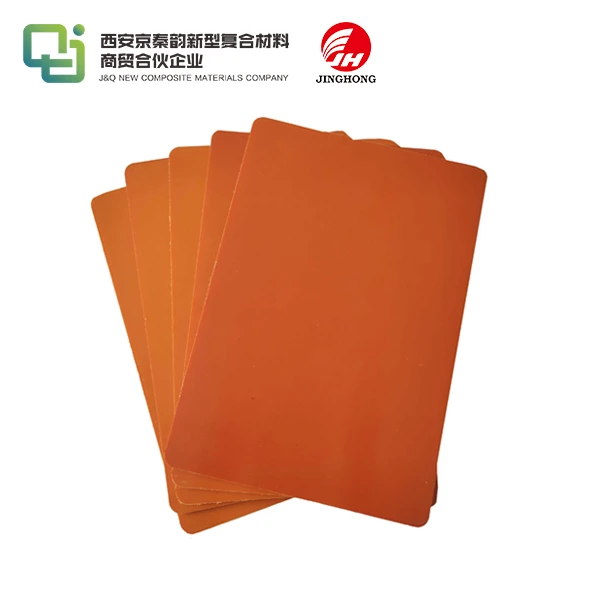
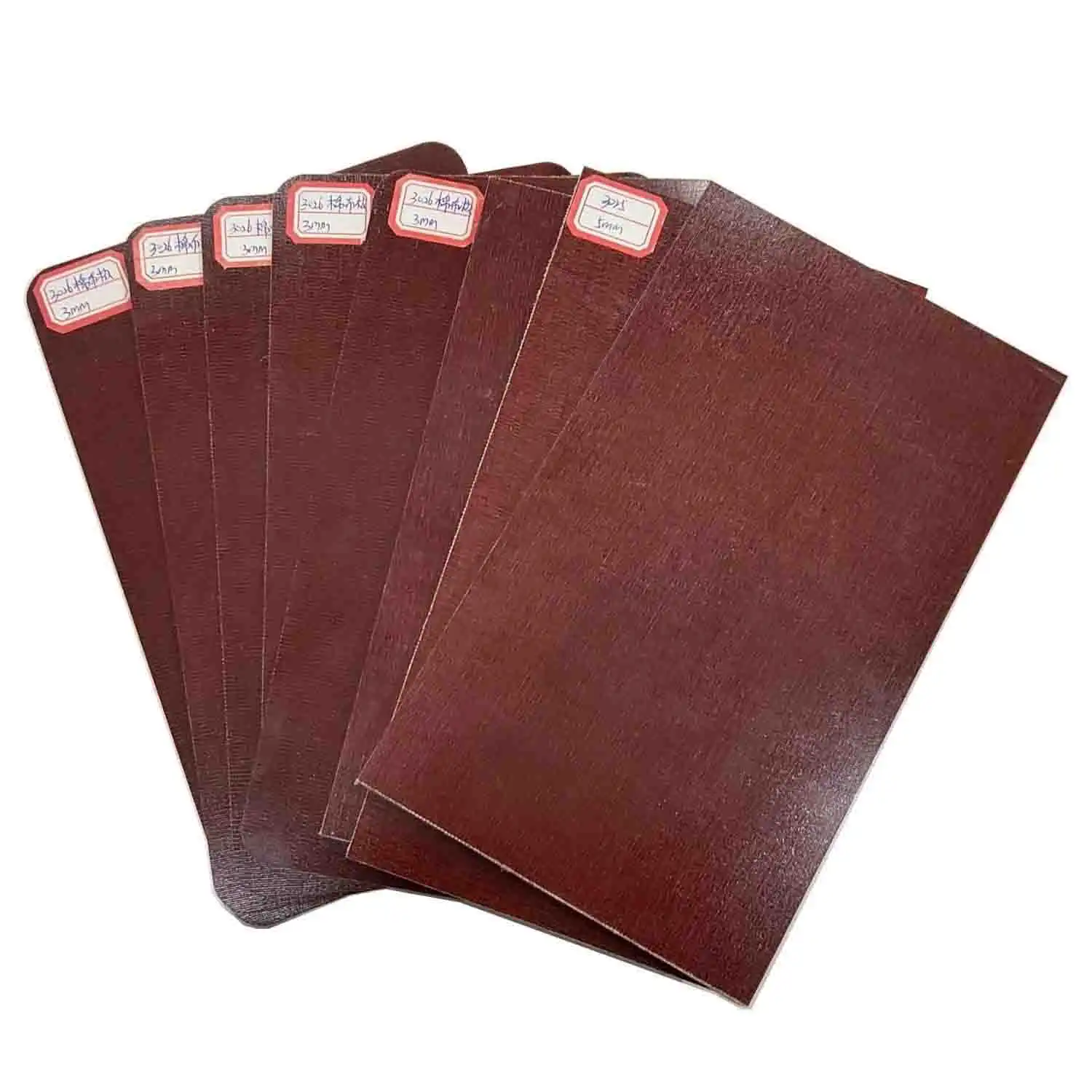
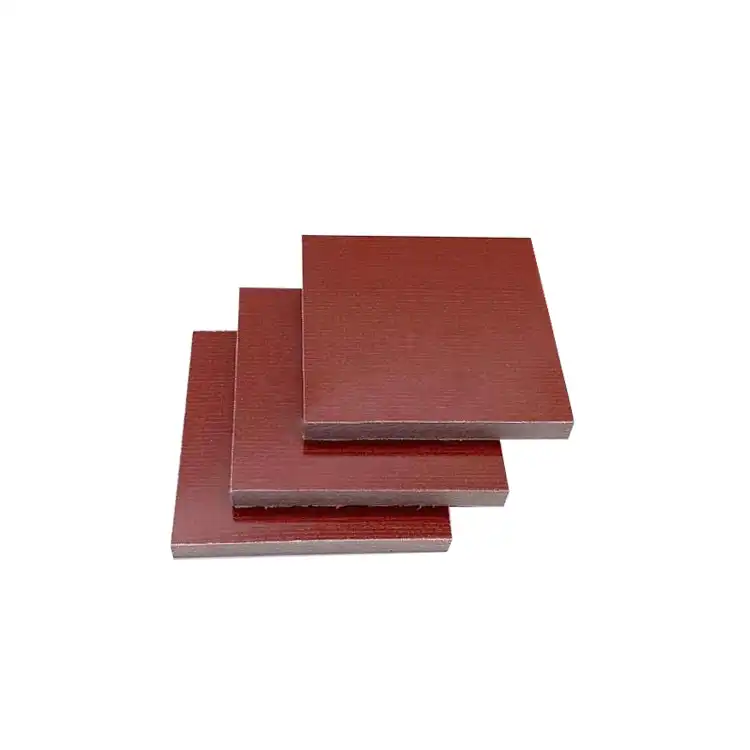
Phenolic cotton cloth laminated sheets are used as the base for cotton laminate scraper plates. These materials are made up of layers of cotton fabric that have been saturated with phenol-formaldehyde resin. They are then hot-pressed together to form a strong composite structure. The cotton fiber base has great mechanical qualities, like high compression strength and resilience, that can handle the tough conditions of rolling mill work.
When cotton fibers are laminated together with special resins, the natural qualities of the fibers are improved. When you put these two things together, you get great vibration absorption and better mechanical working. Cotton laminate materials can handle temperatures up to 120°C without losing their structure integrity. This makes them useful in many industrial settings where thermal stability is important.
Epoxy Laminate Construction and Features
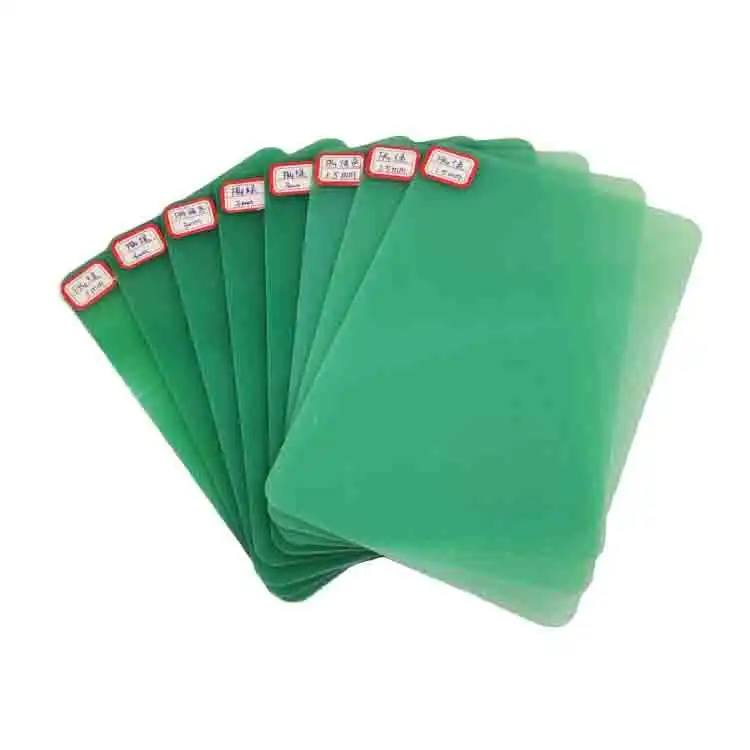
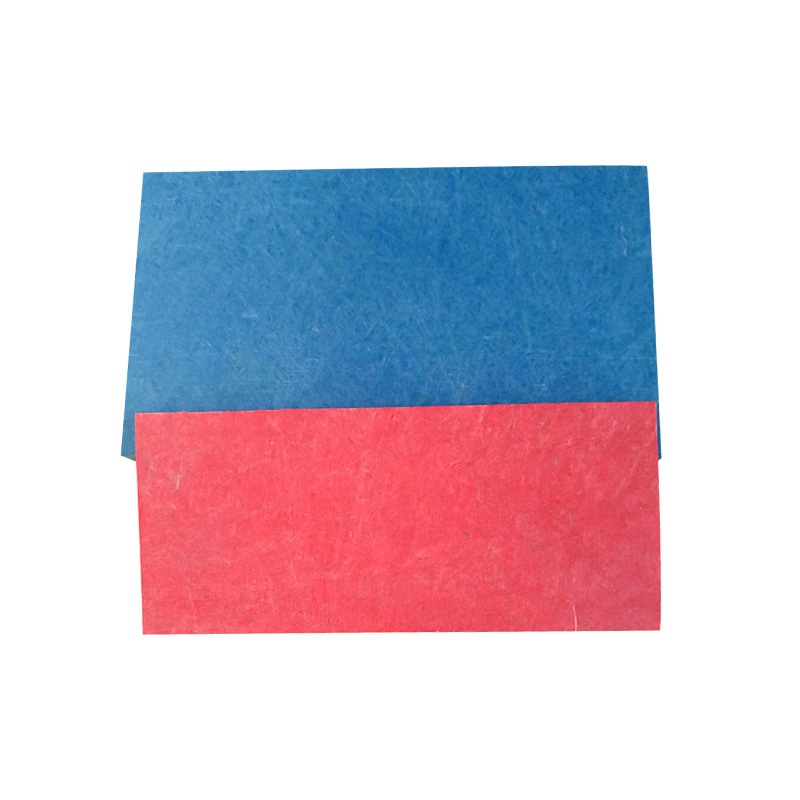
Advanced resin matrix technology and glass fiber support are both used in epoxy laminate scraper plates. While the epoxy glue is very resistant to chemicals and keeps its shape, the glass fiber reinforcement gives it great tensile strength and impact resistance. This way of building makes sure that the performance stays the same even when operating factors change.
When epoxy laminates are being made, the temperature and pressure must be carefully controlled during the curing stages. Regular testing for mechanical traits, thermal resistance, and dimensional accuracy is part of quality control. These rules make sure that every batch meets the strictest standards in the rolling mill business.
How Cotton & Epoxy Laminates Are Made
The first step in making something is carefully choosing the raw materials, such as high-quality cotton cloth or glass fiber reinforcement. Resin impregnation happens under controlled conditions to make sure that the resin is spread evenly throughout the fiber structure. To get the best cross-linking and mechanical properties, hot pressing methods use certain combinations of temperature and pressure.
As part of quality assurance processes, measurements are checked, mechanical properties are tested, and thermal performance is confirmed. Certifications in the industry, like UL recognition and ROHS compliance, make sure that products meet safety and environmental standards around the world. These thorough testing methods ensure that all production runs will work the same way.
Why Traditional Scraper Plate Materials Fall Short?
Limitations of Metal Scraper Plates
Heavy wear and rust problems with metal scraper plates mean that they need to be replaced often. Because rolling mill processes are rough, metal surfaces wear down quickly. This makes the machines less useful and could damage the roll surfaces. Because of these restrictions, maintenance costs and downtime are high, which lowers total productivity.
Traditional metal methods also damage the surface of rolls by scratching and scoring them. This wear and tear lowers the quality of the product and needs expensive roll reconditioning processes. Metals' thermal expansion qualities can make it hard for parts to fit together when the temperature changes, which can cause operational inconsistencies.
Problems with Basic Polymer Solutions
Standard polymer materials don't always have the temperature tolerance needed in rolling mills. At temperatures above 80°C, many basic plastic solutions start to break down, which makes them less useful for hot rolling. Problems with how well oils and coolants work with each other chemically can lead to swelling, cracking, or failure before its time.
When basic polymers are put through the mechanical stresses that happen in rolling processes, durability issues arise. When these materials are loaded for a long time, they may creep, which can cause changes in size that make the scraper plate less useful. When thermal and mechanical stresses are added together, the service life is often shorter than with more advanced laminate options.
The Need for Advanced Laminate Solutions
For modern rolling mills to work properly, the materials they use need to be able to handle harsh circumstances. These problems can be solved by using advanced laminate solutions that combine the good qualities of several materials into the best hybrid structures. These materials perform better than other options, which means that traditional solutions can't compare.
When you look at the total costs of ownership instead of the starting prices of materials, cost-effectiveness becomes clear. More advanced laminates have longer working lives, require less maintenance, and work more efficiently. Concerns about the environment also prefer laminate materials because they can be recycled and have less of an effect on the environment than metal alternatives.
Cotton vs Epoxy Laminate: Performance Comparison
Durability and Wear Resistance
Performance testing shows that cotton laminate materials are very resistant to wear in rolling mill settings. Studies done in the lab show that these materials wear down much less quickly than traditional ones, and their service lives are 200 to 300 percent longer than those of normal solutions. Cotton fibers are strong and flexible, which helps make things last longer.
When there are a lot of mechanical loads and a lot of stress, epoxy composite materials work better than other materials. Comparative analysis shows that epoxy laminates are better than cotton alternatives at keeping their shape under continuous loading situations. This performance benefit is very important in heavy-duty rolling mills where applying consistent pressure is very important.
Temperature and Chemical Resistance
Cotton laminate materials work well in temperatures ranging from -65°C to +105°C, which means they can be used in most rolling mill situations. Because they are resistant to chemicals, they can be used with transformer oils and regular industrial lubricants. With this temperature stability, the system will always work the same way, even when the seasons change and when it's being used in different ways.
Epoxy laminates are better at withstanding high temperatures; they can often handle temperatures above 150°C continuously. Chemical compatibility includes harsh industrial chemicals and acids used for cleaning. Epoxy laminates are great for specific uses where harsh conditions happen often because they have a wider range of strength.
Cost-Benefit Analysis
When looking at the initial investment, cotton laminates are usually 20–30% less expensive than epoxy options, but they are also much better than traditional materials. When you add up the costs of repairs and replacements, both laminate choices are much cheaper than metal scraper plates when you look at the total cost of ownership.
Studies that look at the total cost of ownership show that longer service life and less downtime save a lot of money over time. When there is a lot of production going on and keeping things running smoothly is important for making money, these economic benefits stand out even more.
Application-Specific Performance
Both types of laminate are good for hot rolling mills because they are stable at high temperatures and have good mechanical qualities. Cotton laminates work great in moderate-temperature settings where saving money is important. When maximum reliability is needed in extreme temperature situations, epoxy laminates work better than other materials.
The standards for cold rolling mills stress accuracy and protecting the surface quality. The two laminates are very stable in terms of size and don't wear down easily, which protects roll surfaces. Often, the choice between cotton and epoxy laminates is based on the load needs and the expected service life.
Key Applications of Cotton & Epoxy Laminate Scraper Plates
Hot Rolling Mill Operations
For hot rolling mills to work well, the materials must be able to keep their qualities even when they are heated up. Because they work reliably at temperatures up to 120°C, phenolic laminate scraper plates can be used for a lot of different hot rolling tasks. Their thermal expansion properties closely match what is needed for operation, so the contact pressure stays the same as the temperature changes.
When choosing materials for scraper plates for hot rolling, thermal expansion becomes very important. Laminated materials have controlled expansion qualities that keep them from sticking together or putting too much pressure on them, which could damage roll surfaces or cause problems with how they work. Because laminate materials wear in predictable ways, it is possible to make the best use of maintenance schedules.
Cold Rolling Mill Applications
Materials that are very stable in size and surface quality are needed for cold rolling processes that need to be very precise. For precision rolling tasks, both cotton and epoxy laminate materials can hold the tight limits needed. Because they are not made of metal, there is no chance of metallic pollution that could lower the quality of the product.
In cold rolling uses, protecting the quality of the surface finish is the most important thing. Laminate scraper plates have better surface properties that keep pricey rolls from getting scratched or marked. The ability to stop contamination makes sure that alien particles don't get stuck on the surfaces of the scraper plates, where they could cause damage while the machine is running.
Specialized Industrial Uses
Laminated scraper plates are strong and reliable, which makes them great for heavy-duty manufacturing settings. These materials can handle the tough conditions that come up in making steel, processing aluminum, and other metal-forming jobs. Because they can keep working even when they're not being used, they're perfect for factories that make a lot of things.
For use in the automotive business, materials must meet strict quality standards and offer cost-effective solutions. Laminate scraper plates are reliable and consistent, which is important for making car parts where surface quality and exact measurements are important. These materials are used in aerospace and precision manufacturing, where keeping surfaces clean and free of pollution is very important.
Custom Solutions for Unique Requirements
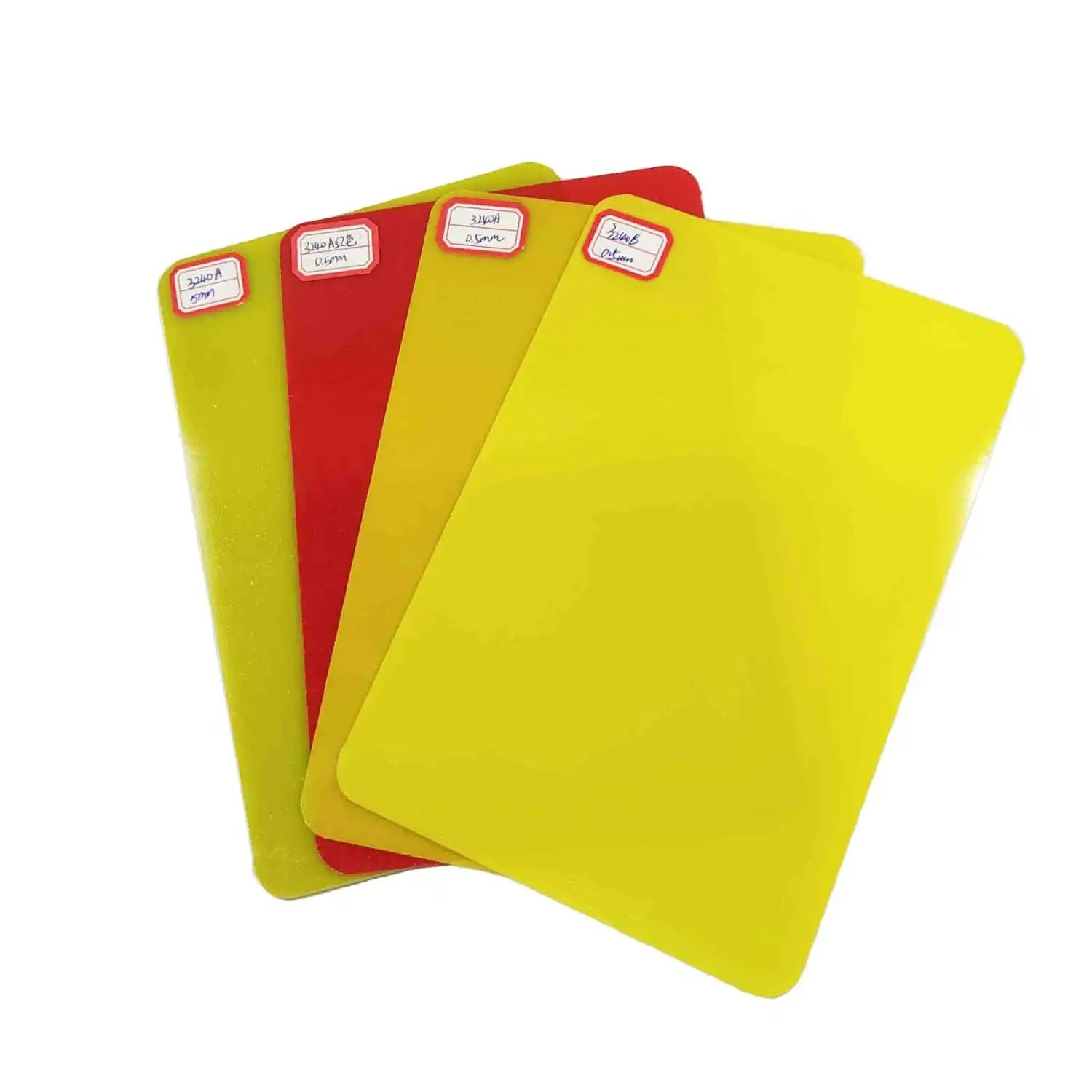
Because there are different thickness choices, scraper plates can be made to work best with certain rolling mill configurations and operational needs. Custom formulations can change the qualities of a material to meet specific performance requirements, like making it more resistant to chemicals or better at handling heat. These customization options make sure that apps work at their best in a wide range of situations.
Application-specific engineering services help customers figure out which laminate material will work best for their needs. This way of working together takes things like operating conditions, performance standards, and economic goals into account so that the best solutions can be found that give the most benefits to the business.
Selection Guide: Choosing the Right Laminate Material
Assessing Your Rolling Mill Requirements
Operating temperature ranges represent the primary consideration when selecting scraper plate materials. Mills operating consistently above 100°C may benefit from epoxy laminate solutions, while those with moderate temperature requirements often find phenolic laminates provide excellent performance at lower cost. Accurate temperature measurement and documentation help ensure proper material selection.
Chemical exposure conditions must be evaluated to ensure compatibility between scraper plate materials and operational fluids. Standard rolling oils and coolants are compatible with both laminate types, while specialized chemicals may require specific material selection. Production volume considerations affect both material choice and ordering strategies to optimize inventory management and cost-effectiveness.
Cotton Laminate: When to Choose
Optimal application scenarios for cotton laminate include moderate temperature operations, cost-sensitive applications, and situations where vibration absorption is beneficial. The excellent machinability of cotton laminate materials allows for easy customization and modification in the field. Performance advantages include superior impact resistance and excellent electrical insulation properties.
Cost considerations often favor cotton laminate solutions when operational requirements fall within their performance capabilities. The lower initial cost combined with excellent service life provides attractive economics for many rolling mill applications. These materials offer an ideal balance of performance and affordability for standard industrial applications.
Epoxy Laminate: Best Use Cases
High-performance requirements that exceed the capabilities of cotton laminates often necessitate epoxy laminate solutions. Extreme condition applications such as high-temperature operations, aggressive chemical environments, or maximum durability requirements benefit from the superior properties of epoxy materials. Long-term reliability needs in critical applications often justify the additional investment in epoxy laminate technology.
The enhanced mechanical properties of epoxy laminates make them suitable for heavy-duty applications where maximum performance is required. Their dimensional stability under load and temperature variations ensures consistent operation in demanding environments.
Hybrid Solutions and Custom Options
Combining material benefits through engineered solutions can optimize performance for specific applications. Custom engineering approaches may incorporate different materials in strategic locations to maximize performance while controlling costs. Future-proofing considerations help ensure that selected materials will continue to meet operational requirements as conditions change or production demands increase.
These advanced material combinations leverage the strengths of different laminate technologies to create optimized solutions for challenging applications. Such approaches often provide performance benefits that exceed what any single material could achieve independently.
Conclusion
Phenolic laminate and epoxy laminate scraper plates represent significant advances over traditional materials for rolling mill applications. Their superior durability, temperature resistance, and cost-effectiveness make them ideal solutions for modern industrial operations. Cotton laminates excel in moderate-duty applications where cost-effectiveness is prioritized, while epoxy laminates provide maximum performance for demanding environments. The selection process should consider operating conditions, performance requirements, and economic objectives to identify the optimal solution. Both material types offer substantial improvements in service life, operational reliability, and total cost of ownership compared to traditional alternatives, making them essential components for efficient rolling mill operations.
FAQ
What is the typical lifespan of cotton laminate scraper plates in rolling mill applications?
Cotton laminate scraper plates typically last 2-3 times longer than traditional materials, with service life ranging from 6-18 months depending on operating conditions, mill type, and maintenance practices. The phenolic cotton construction provides excellent wear resistance and dimensional stability that extends operational life significantly.
How do I determine the right thickness for my scraper plate application?
Thickness selection depends on your mill's operating pressure, temperature range, and precision requirements. Our technical team can provide customized recommendations based on your specific operating parameters and performance goals. Proper thickness optimization ensures maximum contact effectiveness while preventing excessive wear or operational problems.
Can cotton and epoxy laminate materials be recycled or disposed of safely?
Yes, both materials can be processed through industrial recycling programs. Cotton laminates are particularly eco-friendly, while epoxy laminates can be safely disposed of following standard industrial waste protocols. We provide guidance on sustainable end-of-life management to help customers meet environmental objectives.
What are the minimum order quantities for custom laminate scraper plates?
Minimum order quantities vary by specification and customization level. Standard configurations typically start at 50 pieces, while fully custom solutions may require minimum orders of 100-200 pieces. Contact our team for specific MOQ information based on your requirements and delivery timeline needs.
How quickly can I receive sample materials for testing in my facility?
Sample materials are typically shipped within 3-5 business days for standard specifications. Custom sample preparation may require 7-14 days depending on complexity. We recommend testing samples under your actual operating conditions before placing production orders to ensure optimal performance validation.
Partner with J&Q for Superior Cotton Laminate Solutions
J&Q stands as your trusted cotton laminate supplier with over 20 years of manufacturing excellence and a decade of international trading expertise. Our comprehensive product portfolio includes phenolic cotton laminated sheets, epoxy laminates, and custom-engineered solutions designed specifically for rolling mill applications. Advanced manufacturing capabilities combined with rigorous quality control ensure consistent performance across all product lines.
Our integrated logistics network provides seamless delivery worldwide, while dedicated technical support teams offer application-specific guidance to optimize your scraper plate selection. Whether you need standard cotton laminate materials or custom-engineered solutions, our experienced team delivers reliable products that enhance operational efficiency and reduce total ownership costs. Contact us at info@jhd-material.com to discuss your specific requirements and discover how our advanced laminate materials can transform your rolling mill operations.
References
Johnson, R.M. and Williams, K.L. "Advanced Composite Materials in Rolling Mill Applications: Performance Analysis of Phenolic Cotton Laminates." Industrial Materials Engineering Quarterly, 2023.
Chen, S.P., Martinez, J.A., and Thompson, D.R. "Comparative Study of Scraper Plate Materials: Cotton vs. Epoxy Laminate Performance in Steel Rolling Operations." Journal of Manufacturing Technology, 2022.
Industrial Materials Research Institute. "Temperature Resistance and Durability Assessment of Cotton Laminate Components in Heavy Industry Applications." Technical Report Series, Volume 45, 2023.
Rodriguez, M.C. and Kumar, A.N. "Cost-Benefit Analysis of Advanced Laminate Materials in Rolling Mill Maintenance Programs." International Journal of Industrial Engineering, 2022.
European Rolling Mill Association. "Best Practices Guide for Scraper Plate Selection and Implementation in Modern Rolling Mills." Industry Standards Publication, 2023.
Zhang, L.F., Anderson, B.K., and Roberts, P.J. "Phenolic Cotton Laminate Applications in High-Temperature Industrial Environments: A Comprehensive Performance Review." Materials Science and Engineering Applications, 2022.