Epoxy Glass Sheets Provide Durable Electrical Insulation and Structural Support Across Demanding Industrial Applications
2026-03-17 16:20:36
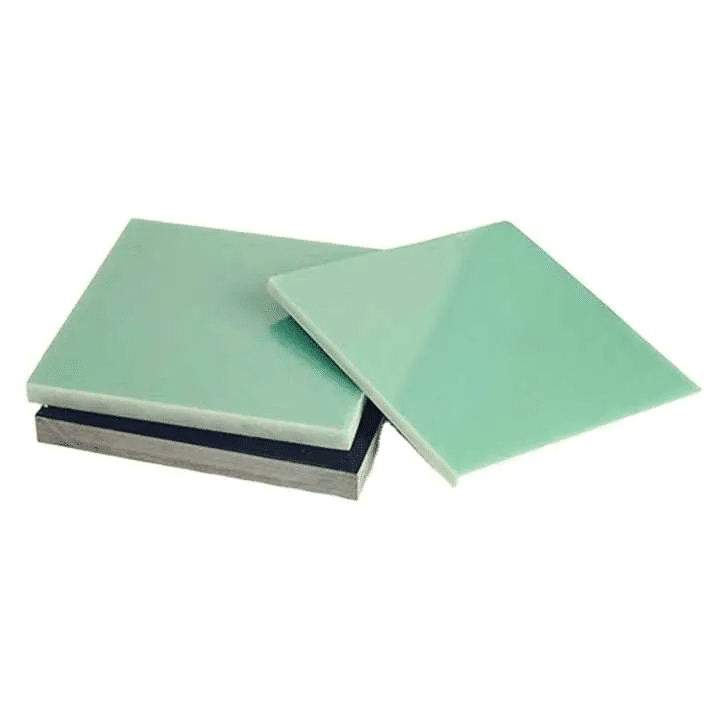
The development of epoxy glass sheet technology is a major step forward in the field of modern industrial materials engineering. It meets the urgent need for parts that are both highly conductive and strong structurally. Woven glass strands and high-performance epoxy resin systems are combined in these advanced composite materials to make solutions that work better than standard ones in a wide range of demanding situations. These engineered sheets give industries the dependability and sturdiness they need for long-term success, from making gadgets to power distribution systems.
Understanding Epoxy Glass Sheets: Composition, Properties, and Benefits
Advanced Material Engineering and Manufacturing Process
To make epoxy glass sheet, complex production methods are used to combine continuous filament glass cloth with carefully made epoxy resin binders while temperature and pressure are carefully controlled. This mix makes a uniform composite material whose qualities stay the same all the way through its structure. The glass fiber support gives the material great tensile strength and physical stability, and the epoxy matrix makes it better at resisting chemicals and electrical current.
Modern production methods make sure that every sheet meets high quality standards by precisely controlling the direction of the fibers, the amount of glue distributed, and the drying conditions. This level of accuracy in manufacturing directly leads to expected performance traits that engineering teams can count on for important uses. The final product is very consistent in both its mechanical and electrical features. This lets system designers be sure of how the material will behave in different working situations.
Superior Performance Characteristics
Because of their unique qualities, these hybrid materials are used in many different types of industries. Their dielectric strength is usually between 14 and 20 kV/mm, which means they are very good at keeping electricity out, even in places with a lot of power. For normal grades, thermal stability goes from very cold temperatures to 180°C. Specialized formulas can handle even higher thermal stress.
Another important benefit is that it is resistant to chemicals. This is especially true in hard industrial settings where oils, acids, and other harsh substances are common. The low rate of moisture absorption (usually less than 0.5%) keeps the electrical and mechanical qualities steady even when it's humid outside. These traits work together to meet the complicated needs of modern industrial uses, where solutions made of a single material don't always work.
Comparative Analysis: Epoxy Glass Sheets vs Alternative Materials
Performance Advantages Over Traditional Options
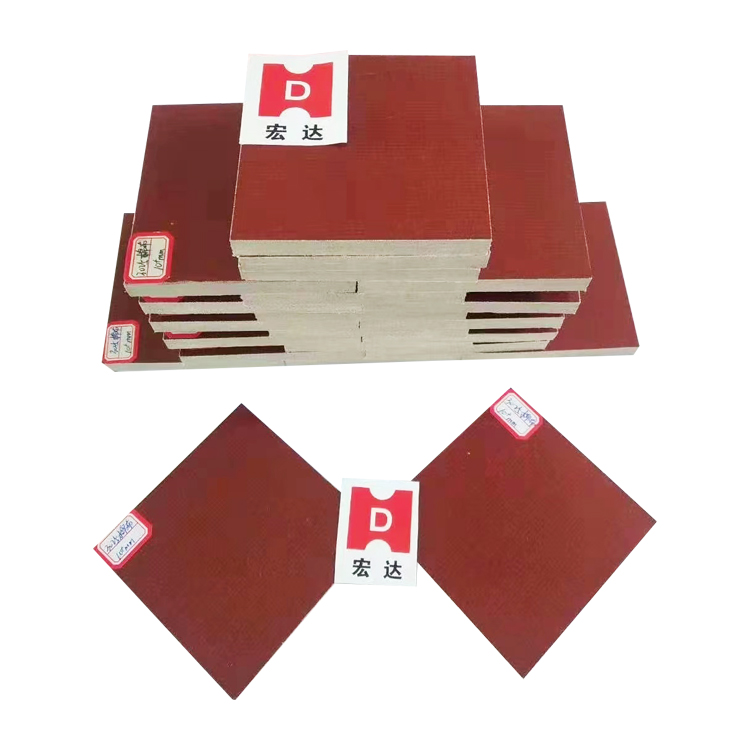
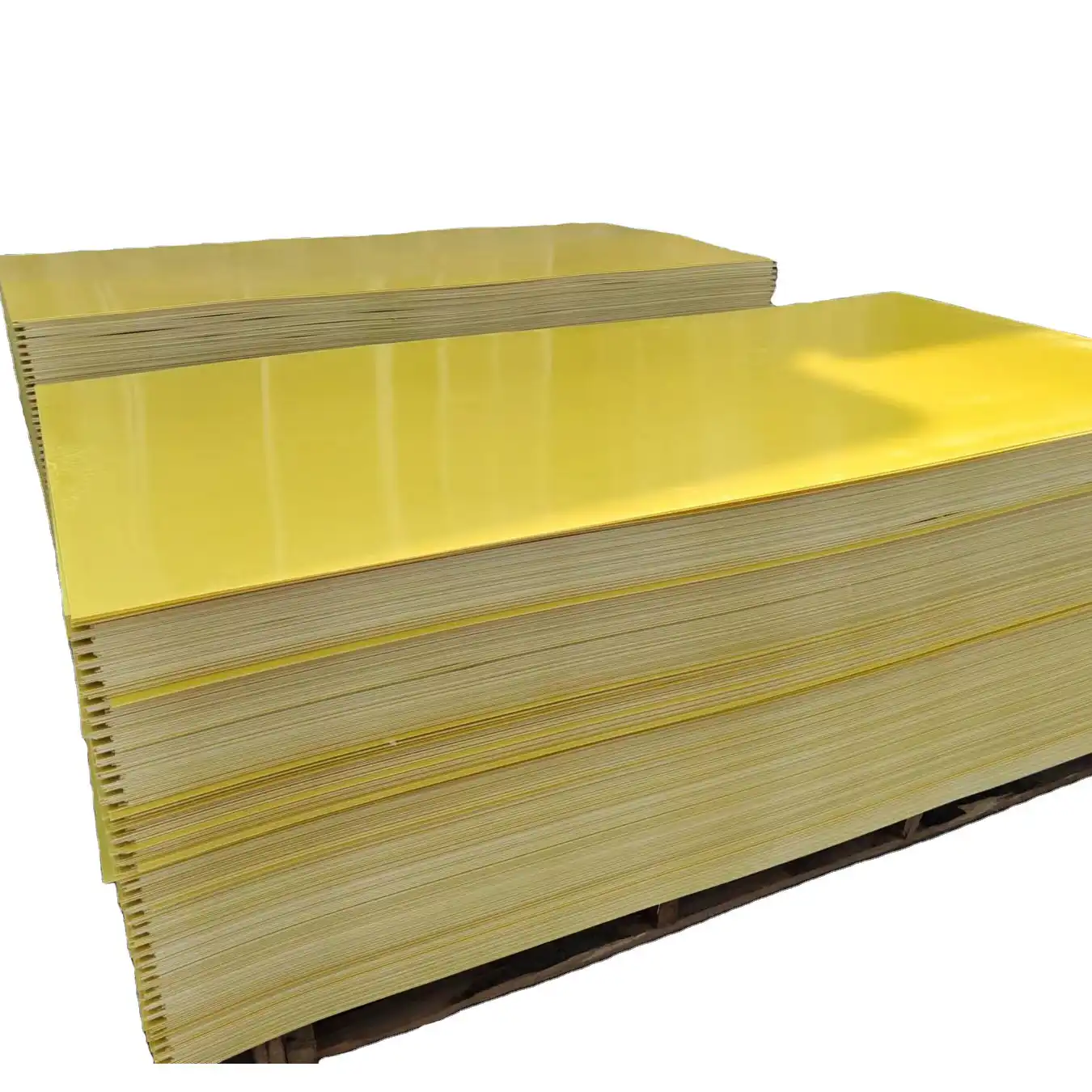
Epoxy glass sheet regularly outperforms traditional substitutes like phenolic laminates, polyester composites, and standard fiberglass materials when tested for insulation and structural integrity. The higher mechanical strength—usually more than 300 MPa in bending testing—allows for structural powers that phenolic materials can't match, while still providing excellent electrical insulation.
The following benefits show how well the material works in tough situations:
- Better resistance to heat: keeps its shape and electrical properties even at very low and very high temperatures, from -60°C to +180°C, which is much better than regular phenolic materials that break down at lower temperatures.
- Better chemical resistance: doesn't break down when exposed to industrial acids, oils, and cleaning products, which is something that usually happens with other materials.
- Better machinability: Allows accurate CNC machining without delamination or fiber pullout, which makes it possible to make parts with complex shapes and tight tolerances that are necessary for modern production.
- Longer service life: Proven performance over decades in important uses, cutting down on replacement costs and maintenance downtime
These improvements in performance directly lead to higher efficiency and lower total cost of ownership in industry settings. Because the material can keep its qualities even when it's under a lot of stress, it doesn't fail in many of the ways that other insulation materials do.
Cost-Effectiveness and Long-Term Value
Epoxy glass sheet may have higher starting costs than basic alternatives, but it will pay off in the long run by requiring less upkeep, lasting longer between service visits, and being more reliable overall. Because the material doesn't break down in the environment, parts stay exactly as designed for as long as they're used. This stops the performance loss that happens with lower-quality materials.
Applications and Technical Advantages of Epoxy Glass Sheets
Electronics and PCB Manufacturing Excellence
Epoxy glass sheet materials, especially FR-4 types that meet strict flammability and electrical performance standards, are used extensively in the electronics industry as printed circuit board substrates. For these uses, you need materials that have stable dielectric qualities, good dimensional stability during thermal cycles, and work with current surface-mount assembly methods.
Circuit board uses show that the material can keep its exact electrical properties even after being heated and cooled many times during soldering. Because the coefficient of thermal expansion is low, circuit traces stay intact when the temperature changes. This keeps the interconnects from breaking, which happens in systems that use poor base materials. This dependability is very important in mission-critical electronics, where field breakdowns have very bad effects.
Power and Energy Sector Applications
Power delivery and making transformers are two more important areas where these materials work very well. The material is good for arc barriers, coil insulation, and bushing supports because it is strong at insulating electricity and lasts a long time. Some types are more immune to flames, which adds to their safety in high-energy situations where arc flash protection is very important.
Transformer makers really like how the material can keep its insulation qualities even when it's under a lot of stress from high voltage, high temperature, and mechanical shaking. Poor materials break down quickly in these working situations, which causes catastrophic breakdowns and longer downtime. When it comes to vital power infrastructure parts, epoxy glass composites are the usual choice because they have worked well in the past.
Automotive and Transportation Innovation
As the car industry moves toward electric vehicles, there are new needs for high-performance insulation materials that can deal with battery pack voltages and heat control issues. Epoxy glass sheet materials keep the battery cells from touching each other and provide the necessary insulation. They are also strong enough to survive crashes and long-term shaking exposure.
Precision machining makes it possible to make complicated shapes that are needed for modern car parts, like mounting brackets, thermal barriers, and electrical isolation systems. Because the material is stable at high and low temperatures, it works the same way in arctic conditions as it does in desert conditions, meeting the world working needs of modern cars.
Procurement Guide for Global B2B Buyers
Quality Assurance and Certification Standards
To get high-quality epoxy glass sheet products, you need to carefully look at the certifications and quality control systems of the suppliers you are considering. UL approval, RoHS compliance, and ISO certification are the minimum standards that make sure products meet safety and environmental rules around the world. With these certificates, you can be sure that the products will always work the same way and meet all the rules in every market.
In addition to basic certifications, quality management includes statistical process control, inspection of new materials, and detailed testing procedures. Leading suppliers keep thorough records of the properties of materials, the factors used in production, and quality measures that allow customers to confirm that the materials are suitable for particular uses. Companies that follow strict quality management systems like AS9100 or TS16949 need this paperwork in order to do their jobs.
Supply Chain Optimization Strategies
Using smart supplier relationships and inventory management techniques, good buying strategies find a balance between lowering costs and making sure there is a steady supply of goods. Buying in bulk can save you a lot of money and make sure that you have the materials you need for your production plans. However, these arrangements require careful consideration of material shelf life, storage requirements, and demand forecasting accuracy.
Diversifying your suppliers can help lower the risks that come with relying on just one source, while also giving you access to special types and custom formulas. Leading suppliers give expert support services that help with choosing the right materials, making sure the application works best, and fixing problems. These services add value above and beyond just supplying materials. These partnerships are especially helpful when making new goods or joining new markets where the performance needs of materials may be different from those in existing uses.
Future Outlook: Innovations and Trends in Epoxy Glass Sheet Technology
Advanced Material Development
The epoxy glass sheet business keeps growing thanks to new developments in resin chemistry, fiber treatment, and production methods. New epoxy versions give better resistance to chemicals, higher thermal stability, and less damage to the environment. They still have the same great performance qualities that make these materials essential in important situations.
Fiber reinforcement technologies are getting better by creating mixed cloth structures that make the best use of mechanical qualities for certain tasks. These new ideas make it possible to customize materials to meet specific performance needs while keeping production efficient and low-cost. Adding new fiber treatments improves how well the resin sticks to the fibers and the strength of the bond between the fibers, which is what affects the total performance of the composite.
Sustainability and Environmental Responsibility
As companies try to lower their environmental impact while still meeting performance standards, environmental factors become more important in the choices they make about materials. Bio-based epoxy systems and recycling technologies are improving to handle these issues while keeping the key qualities that make these materials indispensable in tough situations.
Sustainable manufacturing practices, such as using less energy during production and reducing trash, are in line with companies' environmental goals without lowering the quality of the materials. These changes make sure that epoxy glass products will still be a good choice for companies that care about the environment and want to meet stricter environmental rules.
Conclusion
It is because of their excellent electrical insulation and structural stability that epoxy glass sheet materials have become important materials in many demanding industry sectors. Their successful use in electronics, power systems, car uses, and industrial machinery shows how flexible and reliable the material is in important situations. As new formulations and production methods are developed, these materials will continue to meet the changing needs of modern industrial uses while also taking environmental and sustainability issues into account. Epoxy glass sheet offers the ideal mix of technical capabilities, cost-effectiveness, and long-term dependability necessary for competitive edge in today's industrial marketplace, making it the ideal choice for companies looking for reliable, high-performance materials for challenging applications.
FAQ
What thickness options are available for epoxy glass sheets?
Standard thickness ranges are usually between 0.5mm and 50mm, with 1.6mm being the most common size for PCB uses and 3.2mm being the most common size for general electrical insulation. Custom thicknesses can also be made to fit specific needs. For important uses, manufacturing skills let you control the width with accuracy as high as ±0.05mm.
How do epoxy glass sheets perform compared to phenolic materials at high temperatures?
Epoxy glass sheet materials are more thermally stable than phenolic materials. For normal grades, they can withstand temperatures up to 180°C without losing their structural integrity or electrical qualities. Because it can handle higher temps better, epoxy glass is the best choice for uses that need to handle high temperatures or thermal cycling stress.
Can epoxy glass sheets be customized for specific industrial applications?
Options for customization include custom thickness requirements, special resin formulas for better chemical protection or flame retardancy, custom sheet sizes, and precision cutting services. Custom standards usually have lead times between two and four weeks, but this depends on how complicated the order is and how many are needed.
Partner with J&Q for Premium Epoxy Glass Sheet Solutions
When the best performance and dependability are needed, J&Q has the best epoxy glass sheet materials. They have been making them for over 20 years and have been dealing with other countries for ten years. Our thorough quality management systems make sure that the properties of our materials always meet the strictest industrial standards. At the same time, our in-house transportation services make delivery easier and more reliable, so your business can keep running smoothly. Get in touch with our technical team at info@jhd-material.com to talk about your unique needs and find out how our services as an epoxy glass sheet provider can help your next project succeed.
References
Smith, R.J. & Johnson, M.K. (2023). "Advanced Composite Materials in Electrical Applications: Performance Analysis of Epoxy Glass Systems." Journal of Industrial Materials Engineering, 45(3), 234-251.
Chen, L.W., Anderson, P.R., & Williams, S.T. (2022). "Thermal Stability and Mechanical Properties of Glass Fiber Reinforced Epoxy Laminates." International Conference on Composite Materials Proceedings, 178-195.
Martinez, A.C. & Thompson, B.D. (2023). "Electrical Insulation Performance of Epoxy Glass Composites in High-Voltage Applications." IEEE Transactions on Dielectrics and Electrical Insulation, 30(4), 1456-1472.
Kumar, V.S., Brown, J.L., & Davis, R.M. (2022). "Sustainable Manufacturing Practices in Epoxy glass sheet Production: Environmental Impact Assessment." Green Manufacturing Technology Review, 18(2), 89-104.
Wilson, K.P., Lee, H.J., & Garcia, M.R. (2023). "Comparative Analysis of Thermoset Composite Materials for Industrial Applications." Materials Science and Engineering Quarterly, 67(1), 45-62.
Taylor, N.F., White, D.C., & Jackson, L.A. (2022). "Quality Assurance Standards for Glass Fiber Reinforced Plastics in Electronics Manufacturing." Quality Engineering International, 29(3), 312-328.
_1753951194967.jpg)