FR4/G10 vs G11: Differences in Insulation & PCB Support
2026-03-18 17:13:03
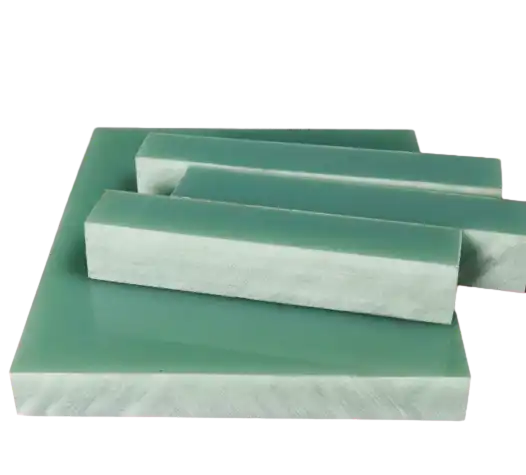
When selecting materials for PCB manufacturing and electrical insulation applications, understanding the distinctions between FR4/G10 and G11 becomes crucial for optimal performance. FR4 sheet materials, composed of woven fiberglass cloth impregnated with epoxy resin, offer excellent electrical insulation and mechanical strength for standard applications. G11 provides enhanced thermal resistance and superior mechanical properties, making it ideal for demanding environments. Both materials serve as critical components in electronic systems, with each offering unique advantages depending on specific operational requirements and environmental conditions.
Understanding FR4/G10 and G11 Materials
Since these laminate materials are made of certain ingredients and have certain properties, they are widely used in many different businesses. The epoxy-based laminates FR4 and G10 are very similar and have become industry standards for electrical shielding uses.
FR4/G10 Material Composition and Properties
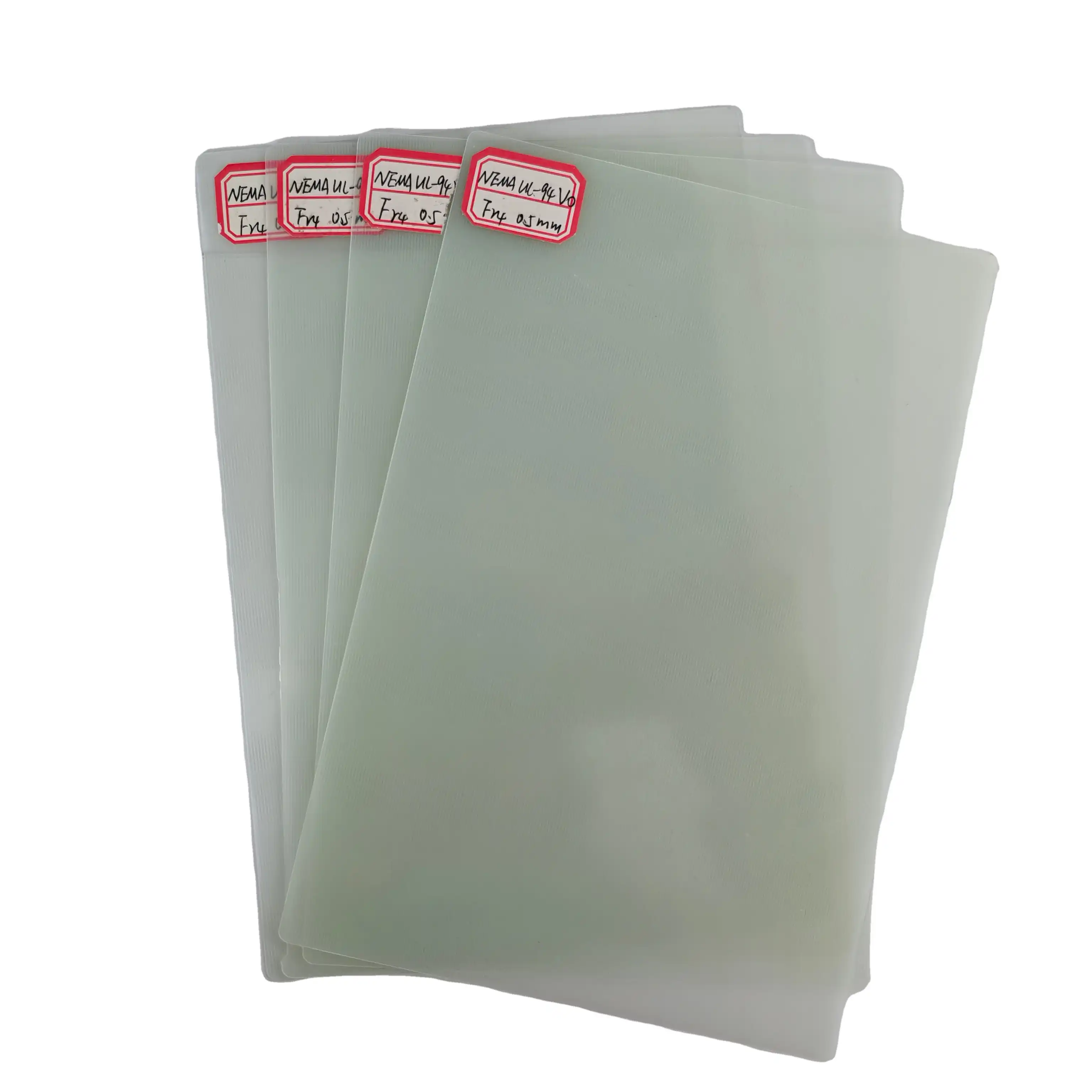
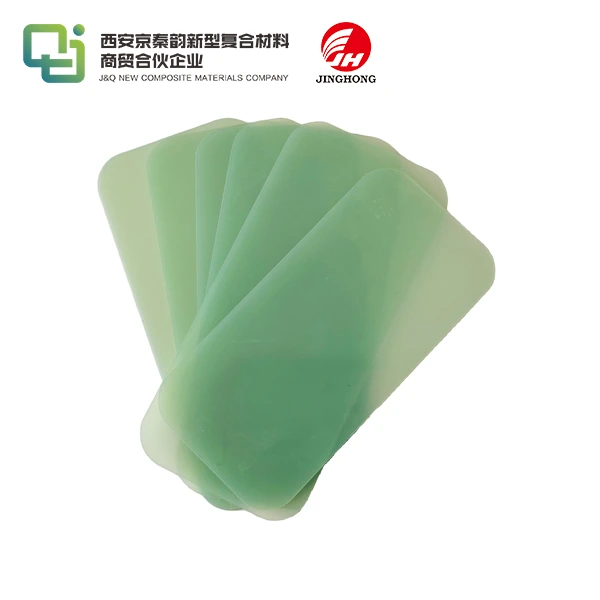
The grade FR4 of G10 material is flame-resistant and is made of continuous filament glass cloth that is fully filled with epoxy resin binder. Flame retardants based on bromine are used in this thermosetting material to give it a UL94 V-0 grade for flammability. The material is very stable in terms of its shape, and it usually absorbs less than 0.1% water under normal conditions.
According to its mechanical qualities, FR4 sheet has a flexural strength of 380 to 450 MPa and a compression strength of more than 415 MPa. These traits make it possible for effective performance under mechanical stress while keeping the purity of the electrical insulation. Usually, the glass transition temperature is between 130°C and 140°C, which is hot enough for most electrical uses.
G11 Enhanced Performance Characteristics
G11 is an improved version of the regular epoxy fiberglass laminate that is designed to work better with heat and force. This material keeps its properties steady at high temperatures up to 180°C in constant use, which is a lot more than what FR4 can do. The better composition makes the dimensions more stable and lowers the coefficients of thermal expansion.
Higher pressure and temperature curing steps are used to make G11. This makes the laminate structure thicker and the cross-linking density higher. Compared to normal FR4 materials, these materials have better mechanical qualities because of this advanced processing. For example, they have higher flexural strength and better impact resistance.
Comparative Analysis – FR4/G10 vs G11 for PCB Applications
To choose between these materials, you need to carefully look at how well they work in terms of electricity, heat, and force. Knowing these differences helps you make smart choices for your individual program needs.
Electrical Performance Comparison
In high-frequency uses, the dielectric constant numbers make a big difference between these materials. At 1 MHz, FR4's dielectric constant is usually between 4.2 and 4.8, while G11's is more stable, staying between 4.5 and 5.0 over a wider frequency range. The dissipation factor for FR4 is between 0.018 and 0.025, while G11 has lower numbers between 0.012 and 0.018, which means it performs better in terms of signal integrity.
The electrical qualities of G11 sheet are better than those of FR4, with numbers above 1×10^14 ohm-cm compared to the normal range of 1×10^12 to 1×10^13 ohm-cm. In high-voltage situations, where stopping electrical breakdown needs the highest insulator resistance, these differences become very important.
Thermal Performance Distinctions
The glass transition point is a key factor that sets these materials apart. The melting point of FR4 sheet products is usually between 130 and 140°C, which is fine for most electrical uses. With Tg values hitting 180–200°C, G11 materials are very stable at high temperatures, so they can be used in harsh thermal conditions.
The coefficients of thermal expansion of these materials are also very different. FR4 expands at rates of about 3.2 to 3.8% along the Z-axis from room temperature to Tg, while G11 expands at rates lower than that, staying at 2.8 to 3.2% over the same temperature ranges. This better dimensional stability is very important for uses that involve temperature cycles.
Mechanical Strength Analysis
The fact that G11's flexural strength values are usually 15 to 20 percent higher than those of normal FR4 materials shows how mechanically superior it is. Impact resistance testing shows that G11 is much tougher than other materials, which is especially important for uses that will be exposed to mechanical shock or shaking.
These mechanical features show how the materials are different:
- Flexural Strength: FR4 can reach 380–450 MPa and G11 can reach 450–520 MPa, which means they are stronger and better able to handle tough situations.
- Compressive Strength: Both materials are stronger than 415 MPa, but G11 stays stronger at high temperatures longer than FR4.
- Impact Resistance: G11 has 30–40% better impact strength, which is important for uses that involve mechanical stress or shock loading.
For uses that need to be very durable and reliable over time in tough working conditions, G11 is the best choice because of its mechanical benefits.
How to Choose Between FR4/G10 and G11 for Your PCB Project?
When choosing materials, you need to carefully think about what the job needs, the surroundings, and how well you want the materials to work. As part of the decision-making process, many things that affect long-term dependability and cost-effectiveness are looked at.
Operating Environment Assessment
Temperature needs are the main factors used to choose these materials. FR4 sheet materials work well for applications that are constantly below 120°C and offer cost-effective options without sacrificing durability. When used continuously in environments above 140°C, G11 materials are needed to keep their shape and stop them from breaking down due to heat.
Materials are also chosen based on how they will react to humidity and chemicals. G11 is more resistant to chemical attack and water absorption than normal FR4 versions because it has a higher cross-linking density. This resistance is very important in industries like aircraft, automotive, and manufacturing where the surroundings can't be managed.
Electrical Performance Requirements
G11's lower dissipation factor and more stable dielectric qualities across temperature ranges make it better for high-frequency uses. When signal purity is important in radar systems, high-speed digital circuits, and telephones, G11's higher cost is often justified by its better performance and dependability.
When using power devices with high voltage, you need to carefully check the dielectric strength and tracking resistance. G11's better electrical qualities give you more safety gaps in important situations where an electrical failure could damage the system or pose a safety risk.
Cost-Benefit Analysis Considerations
G11 costs more than FR4 materials, but in difficult situations, the total cost of ownership often works out better for G11. Lifecycle costs are lower even though the original material prices were higher because failure rates are lower, service lives are longer, and reliability is better.
Material choice is also affected by the need for flexibility and volume. Standard FR4 sheets and G10 sheet are easier to find and have faster wait times, while G11 materials may require longer procurement processes and higher minimum order amounts for certain grades.
FR4 Sheet and PCB Manufacturing Process Insights
The production method has a direct effect on the quality and performance of the finished product. By understanding these steps, you can better choose the materials you need and set higher standards for quality.
Laminate Production Methods
To make FR4 sheet products, the amount of glue used, the temperature at which they cure, and the amount of pressure used during the lamination process must all be carefully controlled. Epoxy resin systems are poured into several layers of glass fabric, and then the fabric is partially cured to get the right flow properties. The prepreg materials are then laminated one last time under controlled pressure and temperature conditions.
During production, quality control methods include checking the resin content, testing the volatile content, and measuring the gel time to make sure that the material features stay the same. Statistical process control methods are used in advanced manufacturing facilities to keep key values within tight tolerances and reduce variation.
PCB Fabrication Considerations
Because they contain sharp glass, these materials need special care when they are being used for drilling. Optimized drilling settings and carbide drill bits stop delamination and make sure the holes are clean. Because they have less glass and softer plastic systems, FR4 sheet products are usually easier to work with than G11 sheet.
Plating bonding and surface preparation methods need to be able to adapt to the unique properties of each material. Because G11's structure is thicker, surface preparation methods may need to be changed to get the best copper adhesion and stability in plated through-holes.
Procurement Considerations for FR4/G10 and G11 Materials
To successfully buy materials, you need to know about the capabilities, quality processes, and shipping performance of your suppliers. They have a direct effect on the success of the project and the security of the supply chain in the long run.
Supplier Qualification Criteria
Some of the qualifications that these products need are UL recognition, compliance with IPC standards, and ISO quality system certifications. For reliable material features from batch to batch, suppliers must show regular ways of making things and strong quality control methods.
Testing skills and quality paperwork are two of the most important things to look for in a seller. Full test results that check electrical, mechanical, and thermal properties give people faith in the performance of materials and their ability to follow the rules.
Our company has more than twenty years of experience making and producing insulation sheets, and we have also been dealing internationally for more than ten years. We can offer better FR4 sheets and expert support services because we have a lot of experience. Our combined logistics skills make delivery faster and easier, and they also give you all the help you need for complicated purchasing needs.
Supply Chain Management Strategies
For these materials, especially for unique grades and sizes, it's important to plan ahead for lead times. Standard FR4 goods usually have faster wait times, while G11 materials may need longer sourcing processes, based on the needs of the standard.
Strategies for optimizing volume and managing stockpiles help find a balance between cost and supply security. Setting up blanket buy orders and planned releases can save money and make sure that materials are available when they are needed for production.
Conclusion
Which FR4/G10 or G11 material to use depends on the needs of the program, the working environment, and the expected performance. FR4 materials are inexpensive and work well for common tasks, while G11 materials perform better in harsh conditions that need better thermal and dynamic qualities. Knowing about these important differences helps you make smart purchasing choices that improve both efficiency and cost-effectiveness. To choose the right materials, you need to carefully look at the supplier's quality processes and the electrical, heat, and mechanical needs.
FAQ
What are the main advantages of G11 over FR4/G10 materials?
G11 has better thermal performance than FR4 because its glass transition temperatures hit 180–200°C, while FR4's range is only 130–140°C. The material also has better tensile strength, a lower dissipation factor that protects signals better, and better physical stability when temperatures change.
Can FR4/G10 materials handle high-temperature aerospace applications?
Most FR4 sheet materials can safely work at temperatures up to 120°C for long periods of time, which may not be enough for demanding aerospace uses. G11 materials are better for high-temperature aircraft needs because they keep their mechanical properties better at high temperatures and are more thermally stable.
How do dielectric constant differences affect PCB performance?
Changes in the dielectric constant have a direct effect on how fast signals travel and how resistance is controlled in high-frequency circuits. The dielectric properties of G11 are more stable across a wider range of temperatures. This means that signals stay intact and performance changes less in demanding electronic applications.
Partner with J&Q for Superior FR4 Sheet Solutions
J&Q offers the best FR4 sheet options for your needs by combining decades of excellent manufacturing with a wide range of scientific knowledge. To make sure your projects work as well and as reliably as possible, our experienced engineering team gives you personalized advice on materials and offers unique manufacturing services. As a dependable FR4 sheet provider, we keep strict quality standards, offer low prices, and make sure deliveries happen on time. Get in touch with our technical experts at info@jhd-material.com to talk about the materials you need and find out how our integrated production and logistics skills can make your purchasing process easier and save you a lot of money.
References
NEMA Standards Publication LI 1-1998: Industrial Laminated Thermosetting Products
IPC-4101 Specification for Base Materials for Rigid and Multilayer Printed Boards
ASTM D709 Standard Test Methods for Laminated Thermosetting Materials
UL 94 Standard for Safety of Flammability of Plastic Materials for Parts in Devices and Appliances
IEC 60893 Insulating Materials - Industrial Rigid Laminated Sheets Based on Thermosetting Resins for Electrical Purposes
ASTM D3039 Standard Test Method for Tensile Properties of Polymer Matrix Composite Materials