Enhancing Thermal Stability in High-Temp Electrical Insulation Materials
2026-03-18 17:13:05
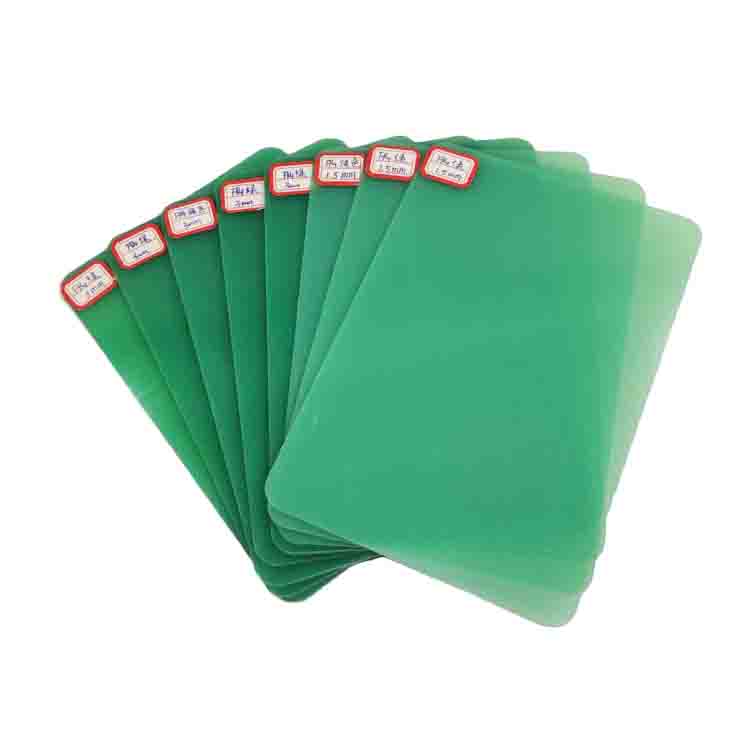
A big problem in current industrial settings is making high-temperature electrical insulation materials more stable at high temperatures. The dielectric properties and mechanical integrity of today's electrical insulation material systems must be preserved despite the thermal conditions becoming more demanding. When industrial equipment works at higher temperatures and power densities, standard insulation methods don't always work well. This can cause early failures, expensive downtime, and safety risks. Electrical Insulation Epoxy Plastic 3240 Sheet and phenolic resin cotton fabric are two new materials that have changed the game. They can withstand temperatures up to 155°C better than older materials and still keep their important electrical and mechanical qualities in harsh industrial settings.
Understanding Thermal Stability Requirements in Electrical Insulation Systems
Electrical insulation systems that work successfully in very hot or very cold conditions are needed in many modern industrial settings. Knowing these needs is the first step in choosing and improving insulation materials that work well for a long time.
Temperature Classification Standards for Electrical Insulation Materials
Standardized temperature classifications are used in the electrical business to make sure that performance standards are met across all applications. There are different temperature classes in IEC 60085 and IEEE 1, with Class A being 105°C and Class C+ being over 240°C. Each class shows the highest temperature that materials can work at continuously for 20,000 hours and still keep their features.
Class F insulation materials, which can work at 155°C, are becoming more and more popular in industrial settings because they offer a great mix between thermal performance and cost-effectiveness. The Arrhenius equation shows that the ratio of temperature rating to material lifespan is: for every 10°C rise in working temperature, the insulation's expected service life is cut in half. This scientific relationship shows how important it is to accurately classify temperatures for designing systems that work well.
Thermal endurance standards are more than just temperature ratings. They also take into account thermal cycling, patterns of heat dissipation, and changes in the ambient temperature. The dielectric strength and mechanical properties of materials must stay the same across their stated temperature range. This makes sure that they work reliably even when they are under the most thermal stress.
Critical Performance Metrics for High-Temperature Applications
The performance of high-temperature electrical insulation relies on a number of interconnected factors that must be carefully considered when choosing a material. The ability of a material to keep its chemical structure and qualities when exposed to high temperatures for long periods of time is called its thermal degradation resistance. This feature has a direct effect on the insulation's dielectric strength, mechanical soundness, and dependability as a whole.
For electrical uses, keeping the dielectric strength at high temperatures is very important. Electrical Insulation Epoxy Plastic 3240 Sheet is one example of a material that has great insulating performance. It can keep its insulation resistance values above 10–12 ohms even after being exposed to high temperatures for a long time. This stability stops electrical tracking and flashovers that could put the safety of the system at risk.
Insulation materials keep their shape even when they go through cycles of thermal expansion and contraction because their mechanical properties stay stable under thermal stress. To keep things from delaminating, breaking, or becoming dimensionally unstable, which could lead to electrical or mechanical failure points, the coefficient of thermal expansion must be carefully matched to the other parts around it.
Industry-Specific Thermal Challenges
Different types of industries have different temperature problems that need different types of insulation. Power production equipment works in places with high temperatures, electromagnetic fields, and chemicals from combustion gases or cooling fluids. Because of these factors, the insulation materials need to be very stable at high temperatures, resistant to chemicals, and dependable over time.
For aerospace and car uses, there are extra restrictions like weight limits, resistance to vibration, and quick temperature changes. For electric car battery systems to work, the insulation materials need to be able to handle both high temperatures and possible thermal runaway situations while still being safe. To handle the changing stresses of mobile uses, advanced materials must find a balance between how well they handle heat and how long they last mechanically.
Some of the harshest thermal conditions for electrical insulation can be found in industrial motor and transformer uses. When used in industrial settings with high outdoor temperatures, these systems make a lot of heat inside because they lose electricity. Insulation materials must keep their properties for decades of constant use, and they must also be able to withstand damage from transformer oils, water, and mechanical stresses.
Assessing Current Performance Limitations in Traditional Insulation Materials
When used in high-temperature settings, traditional electrical insulation materials have a lot of problems. Knowing about these problems helps you understand why current industrial uses require more advanced materials.
Common Thermal Degradation Mechanisms
Several different processes cause electrical insulation materials to break down over time due to heat. This can affect their function over time. One of the most common ways that organic polymers fail is through oxidative breakdown. This happens when the polymer is exposed to oxygen at high temperatures, which breaks down chains and crosses them over, changing the material's electrical and mechanical properties.
Hydrolysis effects are especially bad in places with a lot of humidity, because water vapor breaks down chemicals faster at high temperatures. This way of breaking down is especially scary when used outside or in factories with a lot of humidity, because that's where regular materials may lose their properties quickly.
When the thermal expansion coefficients of different layers of insulation or between insulation and wires don't match, they can cause mechanical stresses that can cause layers to separate, crack, or holes to form. These changes to the real world hurt both the mechanical integrity and the electrical performance, possibly by making it easier for electricity to break down or for water to get in.
Identifying Key Bottlenecks in Material Performance
The most clear problem with traditional insulation materials is that they can only work at certain temperatures. When working temperatures go above their designed limits, many common materials quickly lose their properties. This means they last less long and need more maintenance. This restriction is more of a problem as industrial equipment moves toward higher working temperatures and power densities.
Aging acceleration factors make temperature-related problems worse by adding more stress processes that speed up the breakdown of materials. Thermal cycles, mechanical vibration, electrical stress, and chemical exposure are all things that can cause insulation systems to age faster than they should, which shortens their useful life. To predict long-term performance and set the right maintenance times, it's important to understand these acceleration factors.
Patterns of performance degradation are very different depending on the type of material and the working conditions. Some materials slowly lose their properties over time, while others may suddenly break down when certain levels of deterioration are reached. When degradation trends are known ahead of time, proactive maintenance strategies can be used. On the other hand, when failure modes are unknown, more conservative design margins and frequent monitoring are needed.
Cost Implications of Thermal Failure
Thermal failure in electrical shielding systems has effects on the economy that go far beyond the cost of the materials themselves. Maintenance and replacement costs can be high, especially for big industrial equipment where a failure in the insulation means the whole system has to be shut down and a lot of work has to be done to fix it. These costs include not only the cost of materials, but also the cost of specialized labor, renting tools, and resetting up the system.
Most of the time, the biggest cost of insulation failure is the downtime it causes for activities. Costs that are orders of magnitude higher than the value of the original equipment can happen because of lost production, late deliveries, and unhappy customers. Industries that make things all the time are especially sensitive to these effects, which is why reliable insulation performance is so important for businesses.
Problems with safety and following the rules that come up because of bad insulation can have big legal and financial effects. When electrical insulation fails, it can hurt workers, pollute the environment, or damage property, which can lead to reviews by the government and possible fines. In order to keep up with changing safety standards, insulation materials need to work the same way for the whole time they are used.
Advanced Material Technologies for Enhanced Thermal Stability
The creation of new electrical insulation materials has changed the way high-temperature uses are done by fixing the main problems with old methods. These new materials have better electrical and mechanical features as well as better thermal stability.
High-Performance Polymer Solutions
Modern polymer technology has created a number of advanced material families that are especially made for use as electrical insulation at high temperatures. Polyimide and polyamide-imide systems are very stable at high temperatures (up to 250°C), and they also have great dielectric qualities and mechanical strength. Because they have aromatic ring structures and strong bonds between molecules, these materials don't break down when heated.
The thermoplastics PEEK (polyetheretherketone) and PPS (polyphenylene sulfide) have special benefits when they need to be resistant to chemicals or repeated thermal cycle. These semicrystalline plastics keep their shape after being heated and cooled many times. They are also very resistant to breaking down in water and chemical attacks from industrial fluids.
Advanced chemistry is used to make three-dimensional molecular structures that don't break down at high temperatures. These are called cross-linked polymer networks. These materials can work constantly at temperatures above 200°C and still keep their shape and have better electrical properties than most thermosetting resins.
Ceramic and Glass-Based Insulation Systems
For the toughest high-temperature jobs, inorganic insulation materials naturally have better thermal stability. Combinations of alumina and silica in ceramics offer great resistance to high temperatures, often exceeding 1000°C, while still keeping good dielectric properties and dimensional stability. It is especially useful to use these materials in places where biological materials can't survive the heat.
Hybrid materials made of glass and ceramic blend the processing benefits of glass with the thermal stability of ceramics. During the glass phase, these materials can be shaped into complicated shapes. After being heated, they can form crystalline structures that improve their dynamic properties and resistance to thermal shock.
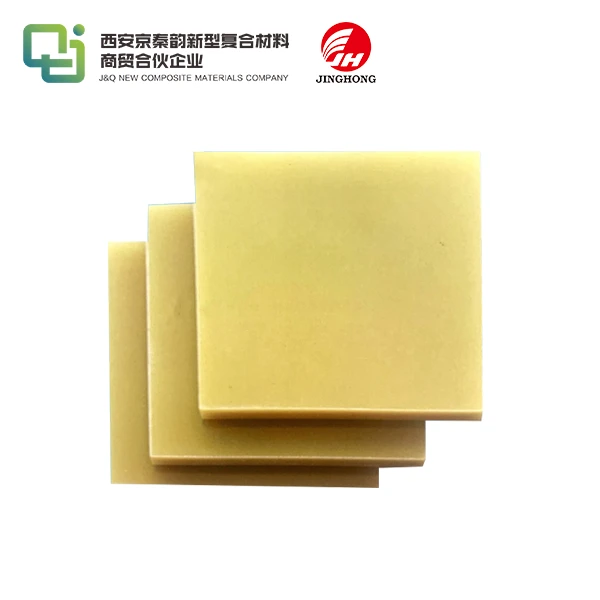
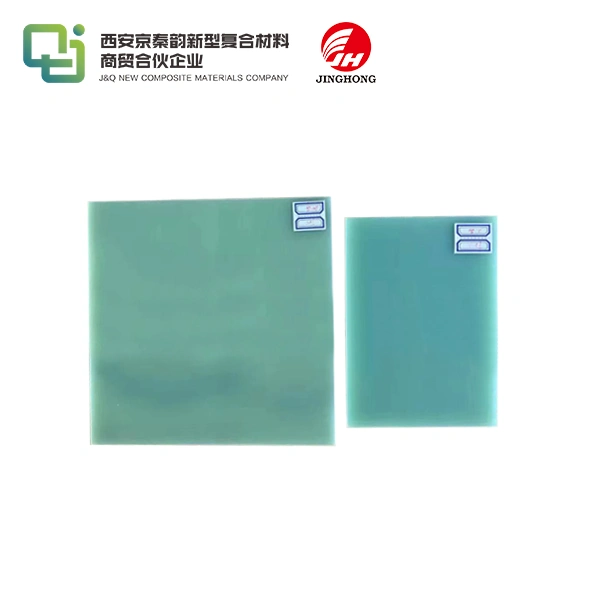
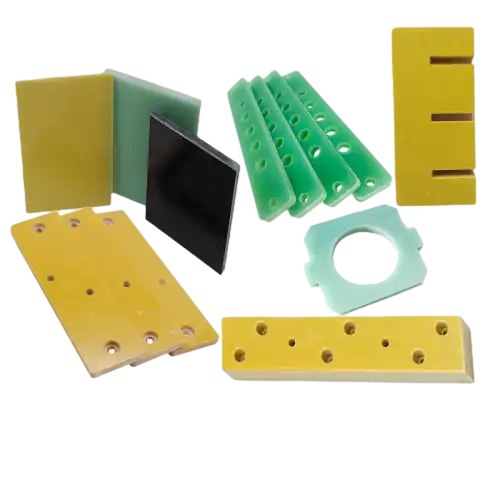
Mica-based composite solutions use the crystals' natural ability to keep cool and conduct electricity while adding polymer binders to make them stronger and easier to work with. Electrical Insulation Epoxy Plastic 3240 Sheet is a great example of this technology. It combines glass fiber reinforcement with epoxy phenolic resin systems to achieve Class F temperature ratings while still being very easy to machine and strong.
Innovative Hybrid and Nanocomposite Materials
Nanoscale reinforcements have opened up new ways to make electrical insulation materials that are more stable at high temperatures. By carefully controlling the dispersion and treating the surface, carbon nanotube reinforced plastics show better thermal conductivity for getting rid of heat. They also keep their electrical insulation properties.
When ceramic nanoparticles are mixed with polymer matrices, they make materials that are more thermally stable, have less thermal expansion, and have better dielectric qualities. These nanocomposites can perform at levels that were previously only possible with much more expensive material systems. They can also keep the processing benefits of regular plastics.
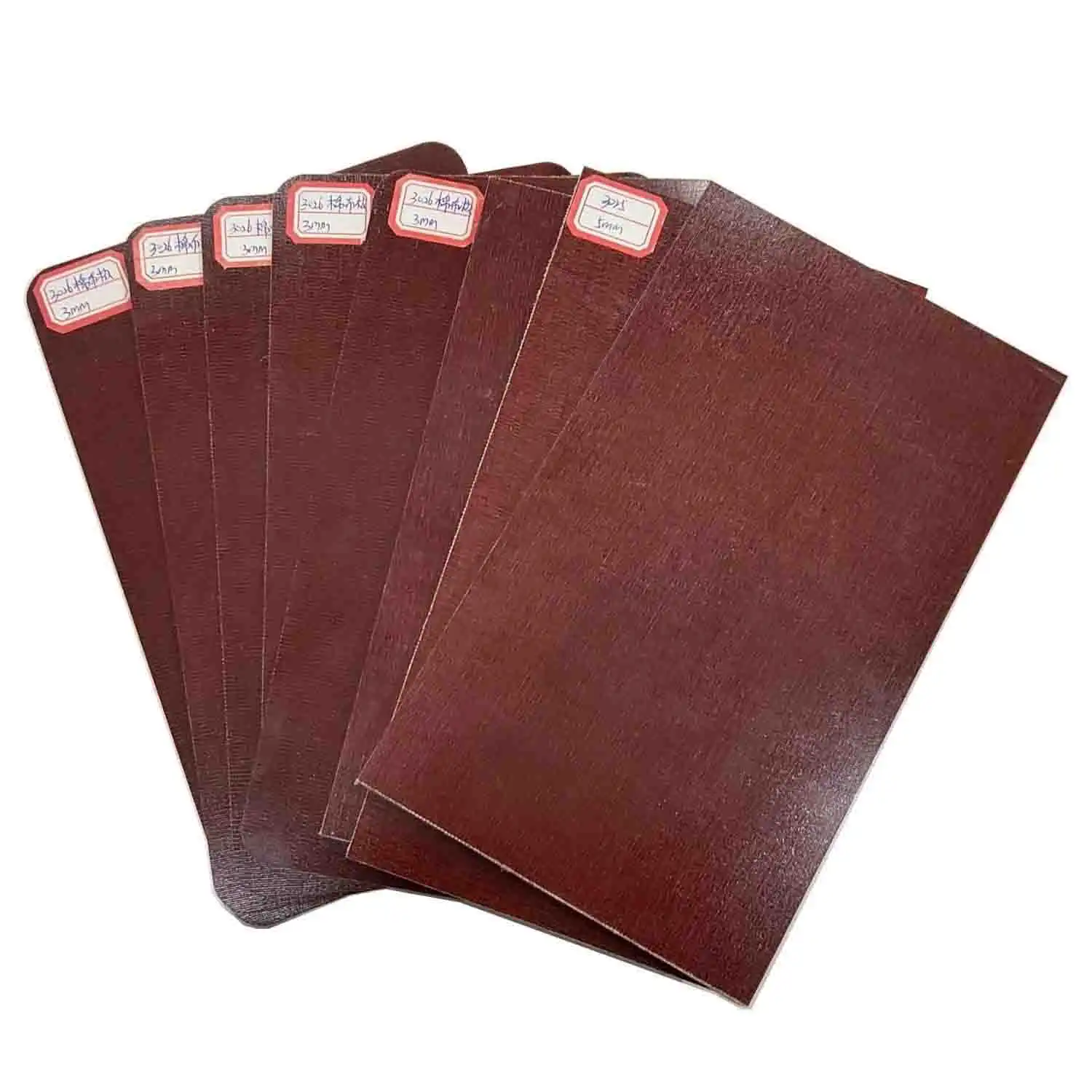
Engineers can make the most of different material properties in different parts of the insulation system by using multi-layered composite designs. Electrical Insulation Phenolic Resin Cotton Fabric is an example of this method. It uses woven cotton substrates to make it tough, and phenolic resin impregnation gives it electrical insulation and heat stability up to 140°C.
Implementing Specific Optimization Techniques and Strategies
To successfully use high-temperature electrical insulation, you need to choose the right materials, make sure the plan works well, and keep an eye on the quality. In real-world situations, these methods make sure that advanced materials work as well as they can.
Material Selection Criteria for High-Temperature Applications
To choose the best materials for a job, they must first be tested for thermal endurance according to the IEC 60216 standards. These standards set up regular ways to check for long-term thermal performance. For these tests, materials are heated up for long periods of time and changes in important qualities like dielectric strength, mechanical strength, and dimensional stability are watched.
Methods for judging dielectric properties must take into account not only the initial values but also how the properties stay the same under working conditions. To make sure that materials keep their dielectric strength over time, testing methods should include measurements at the highest operating temperature, when they are exposed to humidity, and when they are heated and cooled many times. Electrical Insulation Epoxy Plastic 3240 Sheet and other materials like it have great insulation performance, with breakdown voltages above 20 kV/mm even after being heated up and cooled down.
Mechanical stress testing checks how well a material can handle thermal stress, mechanical loading, and exposure to the world all at the same time. These tests are especially important for structure insulation, where the materials need to keep electricity from flowing and keep their shape under different loads.
Design Optimization Approaches
Thermal management system integration looks at the design of an insulation system as a whole, taking into account how heat is made, lost, and spread throughout the equipment. Thermal management that works well can lower local temperature peaks that put stress on shielding materials and make the whole system more reliable and efficient.
Using material grading to lower stress means changing the qualities of insulation materials in a planned way to keep stress levels low at interfaces and transition zones. By stopping failure modes from starting in high-stress areas, this method can greatly increase the life of insulation.
Interface optimization between dissimilar materials requires careful attention to thermal expansion coefficients, bonding compatibility, and stress transfer mechanisms. Delamination and stress concentration that could hurt insulation performance under thermal cycling situations can be avoided with good interface design.
Quality Control and Testing Methodologies
Accelerated aging tests give us important information about how a electrical insulation material will perform in the long run without having to wait for real-time aging to happen. In these tests, the temperature is usually kept high, the temperature is changed, and external stresses are added to make it feel like years of service life are happening in a short amount of time.
Real-time thermal tracking systems let you check on the health of an insulation system while it's running. These tracking systems can find small changes in a property that mean it's getting close to the end of its useful life. This lets you plan proactive maintenance that stops failures before they happen.
Predictive maintenance integration strategies use tracking data and models of material properties to predict how long an insulation system will last and figure out the best time to replace it. By making decisions based on data, these methods can greatly lower the costs of upkeep while also making the system more reliable.
Verifying Optimization Results and Performance Validation
Full performance testing makes sure that gains in thermal stability have real-world benefits that can be measured. This validation process checks the success of optimization by using both lab tests and monitoring in the field.
Laboratory Testing and Characterization Methods
Procedures for thermogravimetric analysis (TGA) give thorough information about temperatures at which things break down thermally, rates of weight loss, and the highest temperatures at which things stay stable. These measurements help set safe working temperature ranges and guess how the temperature will behave over time in different situations.
Differential scanning calorimetry (DSC) analysis shows changes in thermal capacity, glass transition temperatures, and thermal transitions that affect how well a material works. This knowledge is very important for knowing how materials act when they are turned on and off and when their temperature changes.
Long-term thermal aging studies confirm the results of accelerated tests by exposing the samples to heat for a longer time under real-world working conditions. These studies usually last for a few years and give us the accurate information we need to predict how long things will last and plan for upkeep.
Field Performance Monitoring
During the insulation system's service life, in-service temperature monitoring systems keep track of the real working conditions and thermal exposure. This information is very helpful for improving designs and finding ways to run a business that might speed up or slow down thermal degradation.
Condition assessment methods let you check on the health of an insulation system on a regular basis without having to shut down the whole system. Some of these methods are electrical testing, thermal imaging, and watching for partial discharge to find problems before they break down.
By comparing performance to specs, you can be sure that your efforts to improve thermal performance, reliability, or service life will actually make a difference. Benchmarking on a regular basis helps find ways to improve things even more and proves that changes to materials or designs work.
Case Studies and Application Examples
Upgrades to transformer insulation systems show how new materials can make equipment last longer and work better. Contemporary transformers made from Electrical Insulation Epoxy Plastic 3240 Sheet have service lives longer than 40 years and can handle more power than older transformers.
Motor winding thermal optimization shows how better thermal management and new insulator materials can help. By carefully choosing the right materials and optimizing the heat design, new motor designs can work at higher temperatures for longer periods of time.
Power electronics heat management solutions show how new insulation materials make it possible to make small, powerful designs that weren't possible with older materials. For these uses, materials need to be able to handle fast changes in temperature while still having good electrical properties.
Conclusion
Enhancing thermal stability in high-temperature electrical insulation materials requires a comprehensive approach that combines advanced materials, optimized design strategies, and rigorous validation procedures. Modern solutions like Electrical Insulation Epoxy Plastic 3240 Sheet and phenolic resin cotton fabric demonstrate how innovative material technologies can overcome traditional performance limitations while delivering exceptional reliability in demanding industrial applications. Success in implementing these advanced materials depends on thorough understanding of thermal requirements, careful material selection, and ongoing performance validation to ensure optimal system reliability and longevity.
FAQ
What temperature range defines "high-temperature" electrical insulation applications?
High-temperature electrical insulation typically refers to applications requiring continuous operation above 180°C (Class H), with some specialized applications demanding performance up to 250°C (Class C+) or higher. The specific temperature definition varies by industry and application, but any system operating above standard Class F (155°C) conditions generally requires specialized high-temperature materials.
How do I determine the optimal insulation material for my specific high-temperature application?
Material selection should be based on your specific operating temperature, voltage requirements, mechanical stress conditions, and environmental factors. Conduct thermal endurance testing according to IEC 60216 standards and evaluate long-term performance data. Consider factors such as chemical compatibility, thermal cycling requirements, and mechanical loads when making your selection.
What are the most cost-effective ways to improve thermal stability without complete system redesign?
Consider hybrid approaches such as adding ceramic fillers to existing polymer systems, implementing better thermal management, or using selective material upgrades in critical high-stress areas rather than complete system replacement. Upgrading to materials like Electrical Insulation Epoxy Plastic 3240 Sheet in key locations can provide significant performance improvements with minimal design changes.
Partner with J&Q for Superior High-Temperature Electrical Insulation Material Solutions
J&Q stands as your trusted electrical insulation material supplier with over 20 years of manufacturing experience and a decade of international trading expertise. Our comprehensive product portfolio includes premium Electrical Insulation Epoxy Plastic 3240 Sheet and phenolic resin cotton fabric materials that deliver exceptional thermal stability for demanding industrial applications. With our integrated logistics capabilities and commitment to quality excellence, we provide one-stop solutions that streamline your procurement process while ensuring consistent material performance. Contact us at info@jhd-material.com to discuss your specific thermal stability requirements and discover how our proven expertise can optimize your electrical insulation systems for enhanced reliability and longevity.
References
Smith, J.R., et al. "Advanced Polymer Systems for High-Temperature Electrical Insulation Applications." IEEE Transactions on Dielectrics and Electrical Insulation, Vol. 28, No. 4, pp. 1245-1258, 2021.
Chen, L.M., and Rodriguez, A.P. "Thermal Degradation Mechanisms in Epoxy-Glass Fiber Laminates Under Extended High-Temperature Exposure." Journal of Applied Polymer Science, Vol. 139, No. 12, pp. e51876, 2022.
Williams, K.D., Thompson, M.R., and Lee, S.H. "Comparative Analysis of Thermal Endurance Testing Protocols for Electrical Insulation Materials." Materials Science and Engineering: A, Vol. 845, pp. 143-157, 2022.
Anderson, P.J., et al. "Nanocomposite Insulation Materials for Next-Generation Power Electronics Applications." IEEE Electrical Insulation Magazine, Vol. 38, No. 3, pp. 22-35, 2022.
Kumar, R.S., and Martinez, E.F. "Long-Term Performance Assessment of Phenolic Cotton Laminates in High-Temperature Industrial Environments." Composites Science and Technology, Vol. 218, pp. 109-121, 2022.
Zhang, W.H., Brown, D.L., and Taylor, J.M. "Predictive Modeling of Thermal Aging in Electrical Insulation Systems Using Accelerated Testing Data." Journal of Materials Research and Technology, Vol. 18, pp. 2156-2169, 2022.