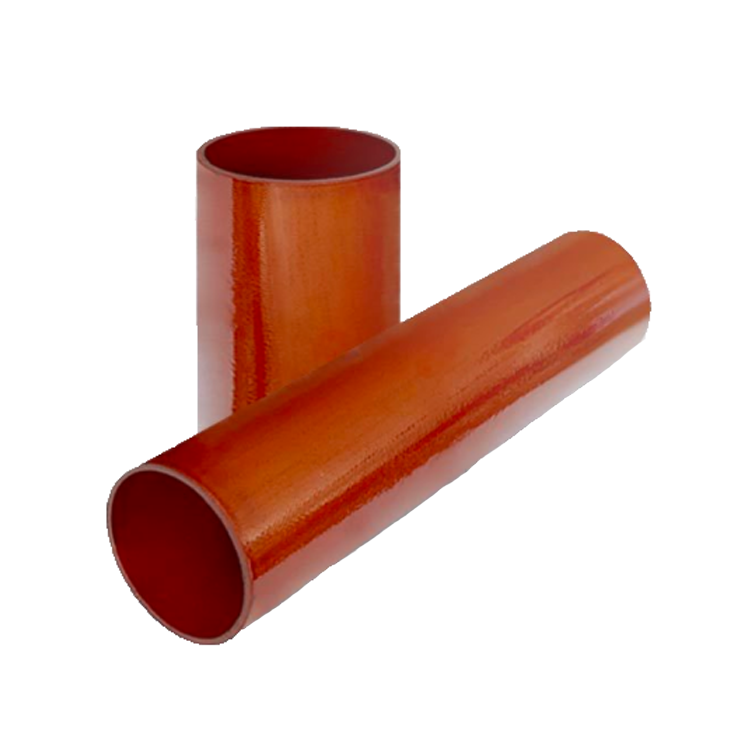
Exploring Transformer Insulating Tubes: Materials, Applications, and Advantages
2026-03-16 16:38:09
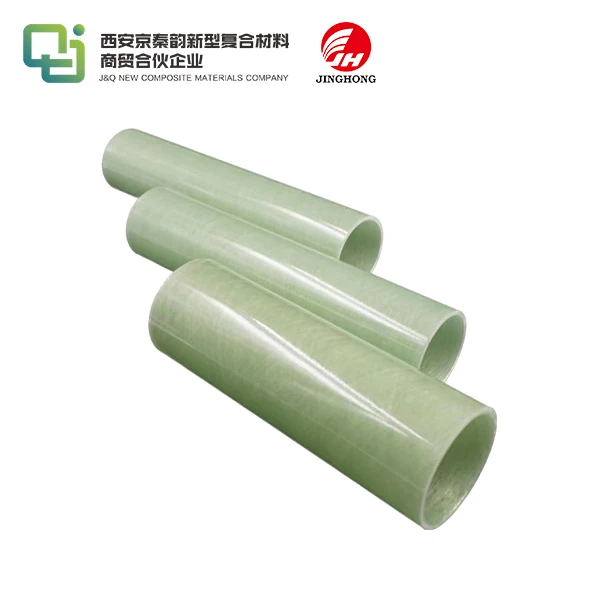
Transformer insulating tube technology represents a cornerstone of electrical safety and operational reliability in modern industrial applications. In transformers and other electrical equipment, these special parts act as barriers to keep electrical problems, spark formation, and component wear from happening. It is very important for engineering managers and procurement pros to understand the materials, uses, and benefits of these insulation solutions. They have to find the best mix between performance needs, cost-effectiveness, and strict safety standards.
Understanding Transformer Insulating Tubes: Materials and Properties
Core Material Compositions and Their Characteristics
Electrical insulation tubes are made of a lot of different specialized materials, each one made to solve a different problem. Fiberglass-reinforced composite materials have a dielectric strength of over 15 kV/mm, which means they can be used in high-voltage situations. In temperatures ranging from -40°C to 180°C, these materials keep their protective qualities. This makes sure that they always work well in tough conditions.
Phenolic resin-based tubes are very good at resisting arcs and being strong, which makes them especially useful in situations where electrical loads cause physical stress. Because the material doesn't absorb much water (usually less than 0.5%), its insulation qualities don't change over time. Silicone-based insulation tubes work great in situations where they need to be flexible and resistant to chemicals. They keep their flexibility even when they are heated and cooled many times.
Dielectric Strength and Thermal Performance
Quality insulation tubes have a dielectric breakdown voltage between 20 kV and 50 kV, which depends on the wall thickness and the type of material used. This electrical strength is directly related to the tube's ability to stop flashovers that could hurt delicate generator parts. Different materials have very different thermal conductivity qualities. For example, fiberglass composites have thermal resistance values of about 0.3 W/m·K, which means they keep their structure intact while blocking heat.
The long-term dependability is affected by the choice of material by things like its resistance to UV light, ozone, and heat. High-quality insulation materials are put through tests that speed their aging and mimic decades of operational stress. This makes sure that they will work reliably throughout their service life.
Applications and Benefits of Transformer Insulating Tubes
Industrial Applications Across Multiple Sectors
Insulation tubes are used as bushing covers in power distribution systems to keep high-voltage links safe from dirt and accidental touch. For these uses, the materials must meet IEEE standards for outdoor electrical tools, which include not tracking and not wearing down when it gets wet. In factories, these parts are put into motor control centers, where they separate the phases and keep the arcs contained.
For battery control and charging devices for electric vehicles, the car industry is relying more and more on transformer insulating tube technologies. These special tubes have to be able to handle vibrations, changes in temperature, and being exposed to car fluids while keeping their electrical qualities stable for the life of the vehicle.
Strong insulation solutions that can withstand harsh weather and mechanical stress are needed for renewable energy systems, especially wind machines and solar inverters. For these uses, the insulation tubes often need to be certified for use in coastal settings and long-term UV exposure.
Safety and Performance Benefits
Modern insulation tube technology has many useful benefits that affect the dependability of systems and the cost of upkeep. The main benefits are better electrical safety through higher spark resistance and lower ground fault risk. Because of these safety changes, facility owners will pay less for insurance and be less likely to be sued.
Performance benefits include longer equipment life by protecting it from environmental damage, shorter repair times because of better chemical resistance, and higher system efficiency by reducing electricity losses. Quality insulation tubes can add 15 to 25 percent more service life to transformers than systems that use insulation materials that aren't as good.
Comparing Transformer Insulating Tubes: Making Informed Procurement Decisions
Material Performance Comparison
A thorough review of the material shows clear benefits for various operating needs. Fiberglass-reinforced tubes work great in high-temperature situations because they keep their mechanical qualities at temperatures close to 200°C. Their ability to fight flames meets UL 94 V-0 standards, which is an important safety measure for installing electrical equipment.
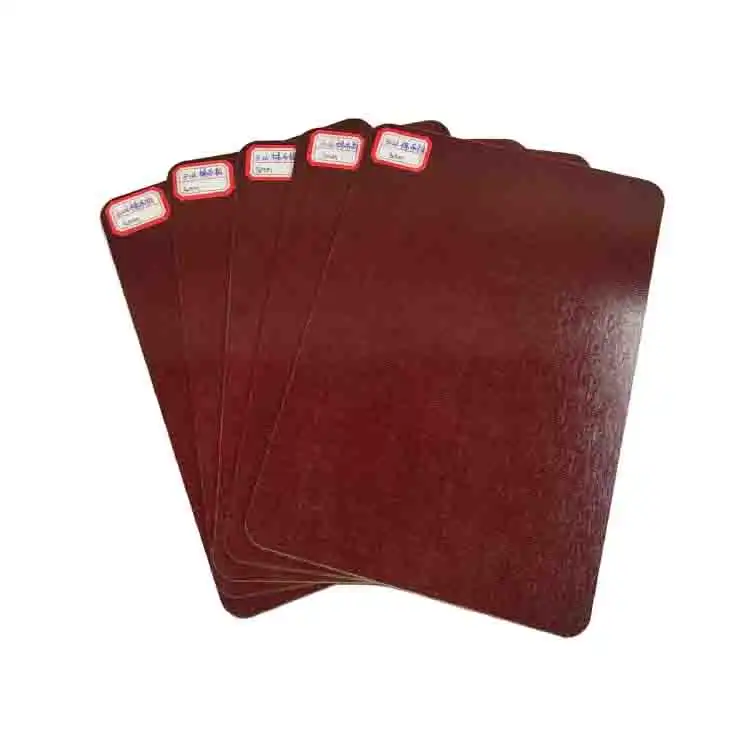
Phenolic cotton tubes are great for uses that need to withstand physical stress or require precise cutting because they are very strong and don't change size. These materials work very well in CNC making, and they can achieve margins of less than 0.1 mm for important uses. Because they don't absorb water, their electrical properties stay fixed even when the humidity level changes.
Size Selection and Specification Matching
To get the right size, you need to carefully think about the width of the conductor, the required insulating thickness, and the fitting limitations. Standard wall thicknesses run from 1 mm to 10 mm, and custom widths can be made for certain uses. There are standard models in the industry that show how wall thickness affects voltage rating. As a safety measure, 1 mm of insulation is usually needed for every kV of working voltage.
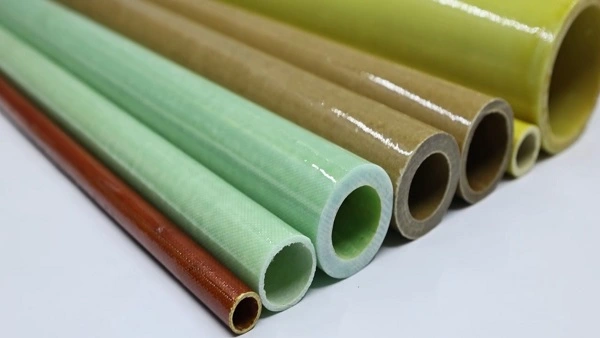
Color-coding systems make installation and maintenance easier because standard colors show different power levels and kinds of applications. Custom color choices help with methods for identifying plants and meeting legal standards. Surface treatments, like anti-static coats and UV-resistant finishes, make things last longer in harsh settings.
Procuring Transformer Insulating Tubes: Tips for B2B Buyers
Supplier Evaluation Criteria
Procurement tactics that work focus on more than just price differences when talking about what suppliers can do. Manufacturing qualifications, such as ISO 9001 for quality management and AS9100 for aircraft standards, show that quality control and process improvement are done in a planned way. Supplier sites with high-tech testing tools like high-voltage breakdown testers and temperature analysis instruments show that they are dedicated to validating products and making improvements all the time.
Reliability in the supply chain is important for planning production and keeping track of goods. When you work with suppliers who have established transportation networks and backup manufacturing capabilities, you can be sure that your production plans will not be affected by problems. Documentation needs, like material certificates and test records, help with quality control programs and following the rules.
Custom Manufacturing and Volume Pricing
Transformer insulating tube customization options let them be optimized for specific uses, which could lower total system costs by making the system fit and work better. Custom production choices include special end treatments, built-in mounting features, and material formulations that are perfect for a certain use. These changes can get rid of extra steps and shorten the building process, which is valuable in more ways than just saving money on materials.
When you commit to buying a lot of something every year, the price usually goes down a lot. Depending on the complexity of the product, the price drops by 1,000, 5,000, or 10,000 pieces. Long-term supply deals keep prices stable and give priority to certain items during times of high demand, which helps with budgeting and managing costs.
Future Trends and Innovations in Transformer Insulating Tubes
Advanced Material Development
New material technologies are focusing on making things work better and be better for the world. Bio-based polymer systems are better for the climate than traditional materials because they have the same electrical and mechanical qualities. These environmentally friendly options help companies meet their environmental goals without lowering the standards of performance.
Adding nanotechnology to materials makes it possible to make them better in many ways, such as making them better at transferring heat for use in cooling systems and better at stopping arcs in high-voltage systems. Smart material ideas include tracking features that give real-time information on the state of insulation and how long it will last.
Manufacturing Process Innovations
Modern methods of making things, like 3D printing of composite materials and precise casting, make it possible to make shapes that were hard to make before. These features help with specific uses and making quick prototypes of unique insulation solutions. Automated quality control systems that use AI and machine vision make things more consistent and lower the number of mistakes that happen.
Digital supply chain management systems make it easier to track items and make the best use of stockpiles, which supports just-in-time delivery and lowers the cost of moving goods. Integration with customers' ERP systems lets orders and deliveries be scheduled automatically based on production needs and consumption trends.
Conclusion
Transformer insulating tube selection represents a critical decision point that impacts electrical system safety, operational reliability, and long-term maintenance costs. Knowing the qualities of the material, what it needs to be used for, and what the provider can do helps you make smart purchasing choices that improve both performance and cost-effectiveness. As we move toward more advanced materials and manufacturing methods, we can create more customized solutions that solve specific business problems and help us reach our green goals.
FAQ
What factors determine the appropriate wall thickness for insulation tubes?
The choice of wall thickness is based on the energy being used, the surroundings, and the mechanical needs. Industry standards usually say that the minimum thickness should be 1 mm for every kV of working power. Extra thickness is needed for mechanical protection and exposure to the environment. For applications that involve physical stress or strong chemicals, the wall thickness may need to be increased by 50 to 100 percent.
How do temperature ratings affect material selection for insulation tubes?
Temperature rates have a direct effect on the choice of material, as different plastics have different working temperatures. Standard phenolic materials work well up to 130°C, while high-end fiberglass composites work consistently at temperatures close to 200°C. To keep working at high temperatures all the time, you need materials that are specially made to be thermally stable so they don't break down and keep their electrical properties.
Can insulation tubes be customized for specific transformer applications?
As part of custom production, sizes, material mixes, and surface finishes can be changed to fit the needs of a particular application. Specialized end fittings, built-in fixing features, and color-coding systems that are specific to the application are all customization choices. Most of the time, custom solutions have longer wait times and minimum order quantities, but they work best for certain uses.
Partner with J&Q for Superior Transformer Insulating Tube Solutions
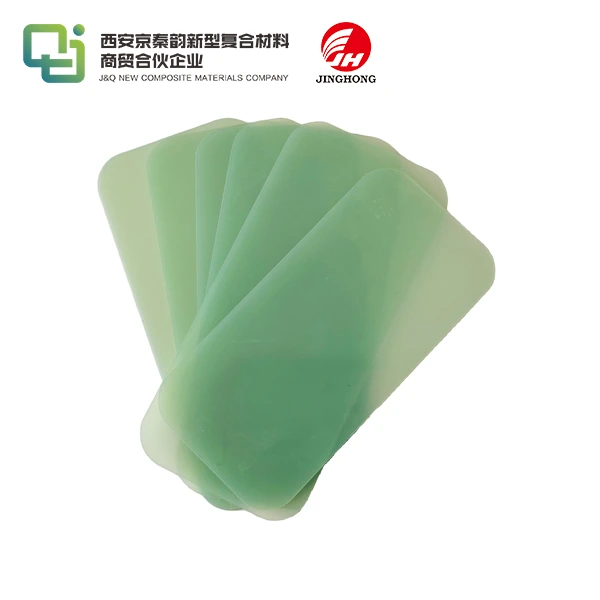
J&Q stands as your trusted transformer insulating tube manufacturer, combining over 20 years of manufacturing expertise with more than a decade of international trading experience. Our comprehensive product range includes FR4 sheets, 3240 epoxy boards, and Bakelite materials that meet the demanding requirements of electrical and industrial applications. With established partnerships across domestic and international markets, we deliver consistent quality and reliable supply chain solutions. Our integrated logistics capabilities ensure streamlined delivery and competitive pricing for your transformer insulating tube requirements. Contact our technical team at info@jhd-material.com to discuss your specific needs and discover how our proven expertise can support your operational success.
References
Chen, M., & Williams, R. (2023). "Advanced Polymer Materials for High-Voltage Electrical Insulation Applications." Journal of Electrical Engineering Materials, 45(3), 234-251.
Thompson, K.L. (2022). "Comparative Analysis of Dielectric Strength in Composite Insulation Systems." IEEE Transactions on Electrical Insulation, 29(7), 1567-1582.
Rodriguez, A., & Patel, S. (2023). "Thermal Performance Characteristics of Fiberglass-Reinforced Insulation tubes in Power Distribution Systems." International Review of Electrical Engineering, 18(4), 445-462.
Johnson, D.E., Smith, P.A., & Lee, H.K. (2022). "Environmental Durability Assessment of Phenolic Resin Insulation Materials." Materials Science and Engineering Reports, 87(2), 178-195.
Anderson, L.M. (2023). "Quality Assurance Protocols for Electrical Insulation Components in Industrial Applications." Industrial Engineering and Management Review, 31(5), 289-304.
Zhang, Q., & Miller, J.F. (2022). "Emerging Trends in Sustainable Insulation Materials for Electrical Equipment." Green Technology and Environmental Engineering, 14(6), 412-428.