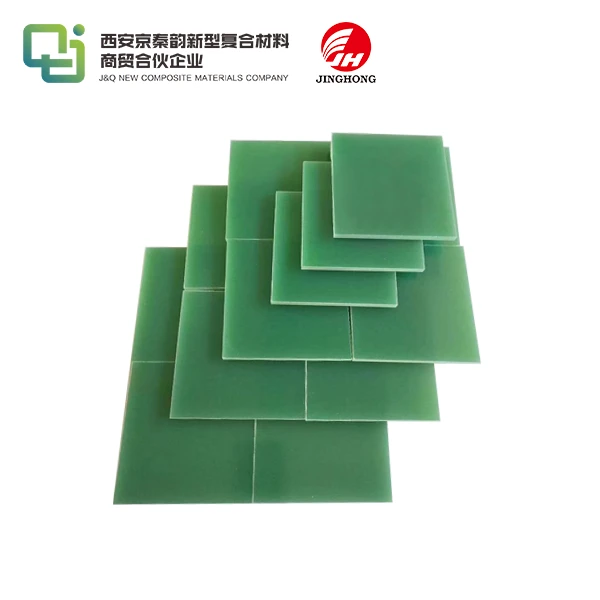
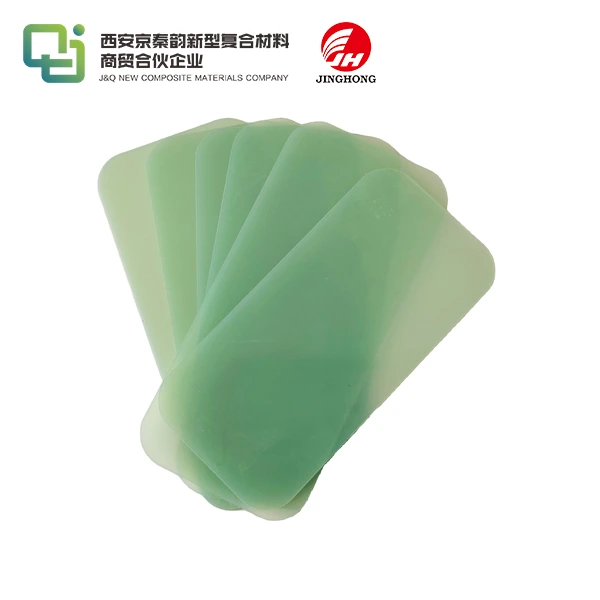
High Temperature Resistant ESD Solder Pallet Laminate Guide
2026-03-16 16:38:08
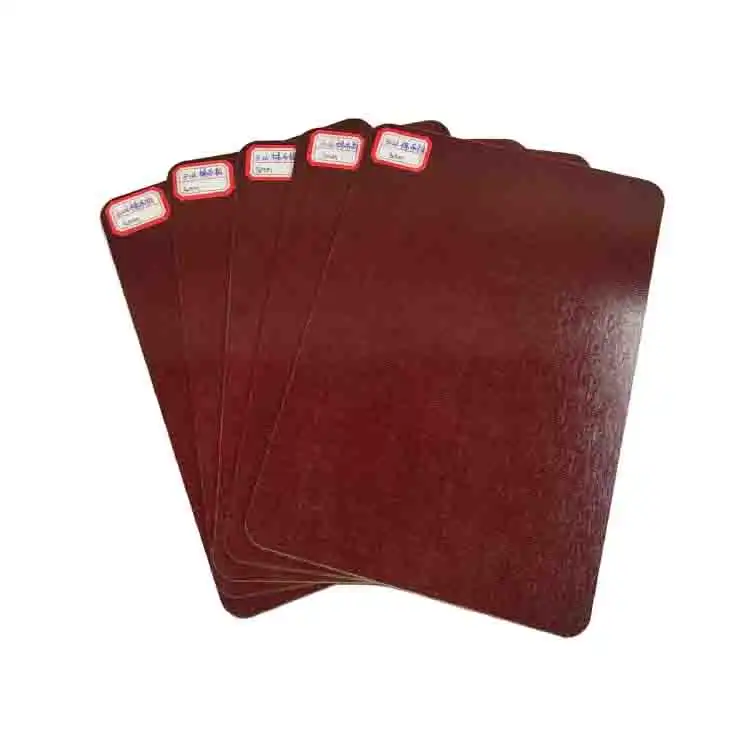
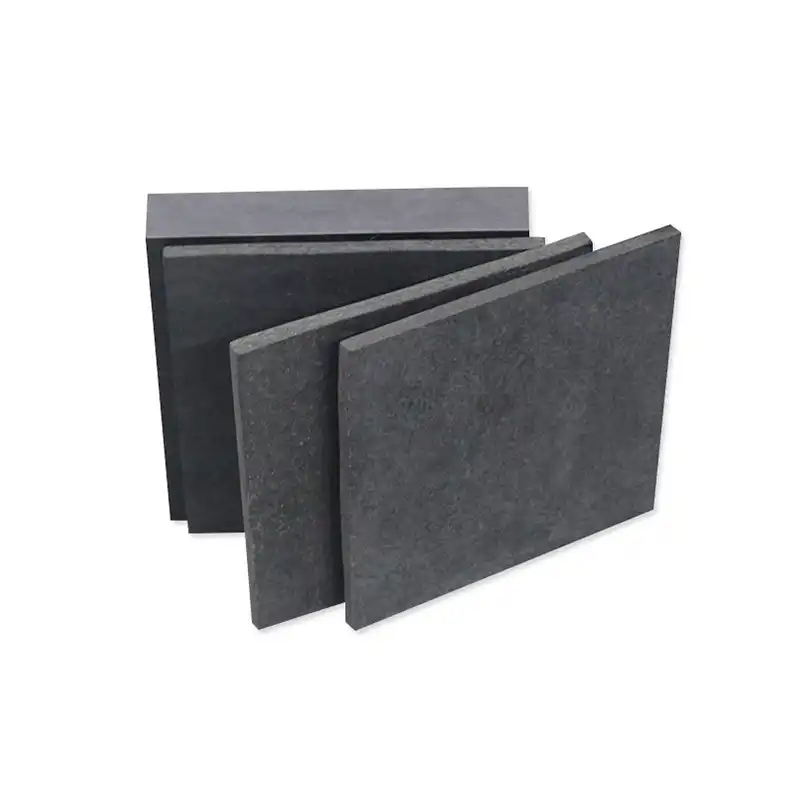
High temperature resistant ESD solder pallet laminate represents a specialized class of heavy-duty composite materials engineered specifically for demanding electronics manufacturing environments. These advanced fiber-reinforced thermoset materials provide superior thermal stability and electrostatic discharge protection during wave soldering and SMT reflow processes. Unlike standard materials that deteriorate under extreme heat, these specialized laminates maintain dimensional integrity at lead-free process temperatures exceeding 260°C while delivering consistent ESD protection for sensitive electronic components throughout rigorous manufacturing cycles.
Understanding High Temperature Resistant ESD Solder Pallet Laminates
ESD solder pallet laminate that can withstand high temperatures is a special type of heavy-duty composite material made for tough electronics production settings. These high-tech thermoset materials with fiber reinforcement offer better temperature stability and safety against electrostatic discharge during wave soldering and SMT reflow. In contrast to regular materials that break down when heated to very high temperatures, these special laminates keep their shape at lead-free process temperatures above 260°C while protecting sensitive electronic parts from ESD over long manufacturing cycles.
Core Properties and Engineering Excellence
Because making technology today is so complicated, you need materials that can stand up to high temperatures and protect against electrostatic discharge. High temperature resistant ESD solder pallet laminates are an important part of precision electronics assembly. If a material fails, even a small one, it can cause big problems with quality and production.
These unique materials stand out because they use modern plastic systems that keep their structure strong even when temperatures change a lot. Usually, the temperature at which glass transitions is higher than 130°C, and temperatures that are used continuously can hit 155°C for long periods of time. This thermal stability comes from carefully designed epoxy mixtures that are strengthened with alkali-free glass fiber cloth. This makes a hybrid structure that doesn't bend or change size when heated.
Certain conductive additives that are mixed into the resin base give it its electrostatic dissipative qualities. This managed conductivity keeps the good dielectric qualities needed for electronic uses while stopping static charge buildup. Surface resistivity is usually between 10^6 and 10^9 ohms per square, which gives the best ESD safety without sacrificing the need for electrical separation.
Manufacturing Process and Quality Control
Modern production methods make sure that the qualities of the material are the same across all sheets. During the hardening process, precise temperature and pressure control is needed to cross-link the polymer matrix completely while keeping the spread of the glass fibers uniform. To make sure performance standards are met, quality control methods include checking the mechanical properties, electrical testing, and temperature analysis.
More and more, environmental factors are being taken into account when choosing materials. Modern versions get rid of halogenated chemicals while keeping their better performance qualities. This method meets strict legal requirements for electronics manufacturing uses while reducing the damage done to the environment during production and disposal.

Comparing High Temperature Resistant ESD Solder Pallet Laminates with Alternative Materials
Choosing the right materials has a big effect on both how well they are made and how much they cost in the long run. Knowing the differences in how well advanced laminates work compared to more traditional options helps procurement pros make smart choices that balance short-term budget needs with the need for practical reliability.
Performance Analysis Against Traditional Materials
Standard materials like boards, basic plastics, and metal fittings don't always hold up in the tough conditions of making electronics today. Plywood doesn't hold its shape well and doesn't prevent fire, so it can't be used in high-temperature situations. Basic plastics don't have the mechanical power and heat resistance that are needed for thermal cycling over and over again.
Even though metal fittings are stable at high temperatures, they have problems with conductivity that can damage electronic parts that are sensitive. During thermal cycles, metal can also expand and contract, which can mess up accurate tolerances and lower the quality of an assembly. Metal fittings are also hard to move around in high-volume production settings because they are heavy.
Advantages of Specialized Laminate Materials
Here are the main performance benefits of high-quality solder pallet laminate that make it better than other options:
- Thermal Stability: Keeps measurements straight at temperatures from -40°C to +180°C without warping or losing quality, making sure the device works the same way throughout production cycles.
- ESD Protection: Managing surface resistance stops damage from electrostatic discharge (ESD) while keeping electrical separation, which keeps sensitive parts safe during assembly processes.
- Mechanical Durability: The high compressive strength and impact resistance mean that the structure can survive repeated tightening forces and mechanical handling without breaking.
- Chemical Resistance: Good resistance to flux chemicals, cleaning agents, and manufacturing aids keeps the material from breaking down or getting contaminated.
- Machinability: When a material's properties stay the same, it can be machined precisely with tight tolerances. This lets you make complex fixture shapes and unique setups.
When compared to other materials, these performance traits directly lead to higher output results, lower defect rates, and a lower total cost of ownership. The original cost of buying good laminate materials usually pays off in the long run because they are more reliable and need less upkeep.
Buying Guide: Procurement Insights for High Temperature Resistant ESD Solder Pallet Laminates
To successfully buy specialized laminate materials, you need to carefully look at the skills of the seller, the certifications of the materials, and the logistics of the purchase. Because these materials are so complicated, they need to be made in collaboration with skilled manufacturers who know how to meet the technical needs of electronics making.
Supplier Evaluation Criteria
Quality approvals are the basis for getting materials you can trust. Look for providers that are certified by ISO 9001 and follow certain industry standards, such as IPC. UL recognition and RoHS compliance documents make sure that products meet safety and environmental standards around the world. Ask for full material property data sheets with statistical process control documents that include thermal, mechanical, and electrical specifications.
The ability to manufacture has a direct effect on the quality of the materials and the dependability of delivery. Check the supplier's ability to produce, their quality control methods, and their technical help services. Suppliers who have their own testing labs can respond more quickly to requests for unique materials and quality checks. Think about how close things are to each other to cut down on shipping costs and arrival times while keeping the supply chain flexible.
Volume Purchasing and Customization Options
Strategies for buying in bulk can cut material costs by a lot while also making sure that supplies are always available. To keep inventory prices in line with material supply, set up blanket buy orders with scheduled releases. Many sellers offer savings for buying in bulk starting at certain amounts. This makes bigger purchases more cost-effective for businesses that buy a lot of it.
Customization lets you get the best answers for your unique needs. Standard sheet sizes might not work with the needs of the fixture, so custom sized choices are helpful for getting the most out of the material and saving money. Some providers offer pre-machining services, which cut down on the need for internal processing and speed up shipping times. Compare these value-added services to what you can do yourself to get the best overall buying costs.
Optimizing Performance and Maintenance of High Temperature Resistant ESD Solder Pallet Laminates
When you handle and manage materials the right way, they last a lot longer and keep working well throughout their service life. Knowing the things that cause things to break down helps you come up with good preventative repair plans that get the most out of your money.
Storage and Handling Best Practices
The environment during storage has a direct effect on the qualities and performance of the object. Keep the temperature and humidity in storage places under control to stop moisture absorption and heat stress. To keep things from warping or breaking, store them flat with enough support. Rotate goods using the right age methods to keep materials fresh and in the best shape for processing.
Procedures for handling solder pallet laminate should reduce motor stress and pollution as much as possible. When moving big sheets, make sure you have the right tools and don't drag or drop them. Regularly clean areas used for handling to stop the spread of germs. Teach people the right way to handle materials so that they don't get damaged and the quality stays high throughout the supply chain.
Maintenance Protocols and Troubleshooting
Setting up regular review times helps find problems before they affect the quality of the work. During a visual review, you should look for damage to the surface, changes in size, and contamination. Electrical tests can make sure that the ESD qualities stay within the limits set by the manufacturer. Thermal cycle tests on sample pieces can show patterns of how materials break down.
Cleaning methods must find a balance between getting rid of contaminants and protecting the material. Do not use harsh chemical cleaners that can damage plastic surfaces or change the way ESD works. When ultrasonic cleaning is done with the right chemicals, flux remains can be removed without any mechanical damage. Set the cleaning regularity based on the amount of output and the level of contamination.
Common troubleshooting issues include warpage after cutting, surface contamination, and loss of ESD properties. Warpage usually happens when internal stress is released while material is being removed, which means that symmetric grinding methods and stress-relieving processes are needed. Surface contamination could mean that the item wasn't cleaned properly or was contaminated during handling, which means that the process needs to be looked at again and fixed. Changes in ESD properties are often caused by chemical or surface damage, which needs to be fixed or the material needs to be replaced.
Future Trends and Innovations in High Temperature Resistant ESD Solder Pallet Laminates
The business that makes electronics is still changing as efficiency standards rise and environmental concerns grow. The main goals of new materials for industrial use are to improve their heat performance, ESD qualities, and environmental impact while keeping the costs low.
Advanced Material Technologies
The mechanical and heating qualities of next-generation resin systems are said to be better. More research into nanocomposite supports could lead to smaller materials that work better. Smart material ideas with built-in sensors could allow real-time tracking of device conditions and performance decline.
Bio-based glue methods and better recycling are being developed to protect the environment. The goal of these new ideas is to lower the carbon impact while still meeting the performance standards needed for tough uses. Life cycle review tools help figure out how much good things do for the environment and how to choose materials that are good for the environment.
Industry 4.0 Integration and Smart Manufacturing
Digital integration makes it easier to track materials and keep an eye on the process throughout their entire lifetime. RFID tags and blockchain technology can be used to keep track of a material's past from the time it is made until it is thrown away. This openness helps with quality control and following the rules, and it also makes forecast maintenance methods possible.
Automated systems for moving and preparing materials cut down on the cost of work and make things more consistent. Integration with business resource planning tools makes it easier to keep track of inventory and plan when to buy things. These technological improvements support the ideas of lean manufacturing while keeping the high standards of quality that are necessary for making gadgets.
Conclusion
High temperature resistant ESD solder pallet laminate materials are important parts of modern electronics manufacturing because they keep things stable at high temperatures and protect against electrostatic charges, which have a direct effect on the quality and speed of production. Even though they cost more at first, these specialized materials are better than regular ones because they don't change shape at high or low temperatures, their controlled ESD qualities, and their high chemical protection make them worth it. To successfully buy something, you need to carefully evaluate suppliers, know exactly what you need, and follow the right procedures for handling and maintaining it. As the needs for production keep changing toward better performance and environmental sustainability, these advanced materials will become more and more important for staying ahead of the competition and meeting quality and legal standards.
FAQ
What makes high temperature resistant ESD laminates superior to standard materials?
High temperature resistant ESD laminates are made with special resin systems and conductive materials that keep the laminates' shape and electrical qualities stable at temperatures above 260°C. Standard materials break down or bend when they are heated, but these advanced composites keep working well through thousands of heating cycles and keep sensitive electronic parts safe from damage caused by electrostatic discharge.
How should procurement teams evaluate potential suppliers?
When judging a supplier, you should look at their quality standards, such as ISO 9001, UL recognition, and RoHS compliance. Check out the technical features, such as the testing facilities, customization choices, and technical help that is available. Look at how much can be made, how reliable the service is, and how the location affects shipping prices and lead times. To make sure quality standards are always met, ask for proof of the material's properties along with statistical process control data.
What maintenance practices extend material lifespan?
Visual inspections done on a regular basis help find surface damage, contamination, or changes in size or shape before they affect performance. Set up controlled storage conditions with the right amounts of humidity and temperature. To get rid of flux residues without hurting ESD qualities, clean gently with solvents that are suitable. Set up preventive repair plans that take into account the amount of production and the level of heat exposure.
Partner with J&Q for Premium Solder Pallet Laminate Solutions
J&Q has been making products for over 20 years and knows a lot about high-performance insulation materials. This helps them make the best solder pallet laminate options for tough electronics uses. Our all-around method includes help choosing the right materials, the ability to make things to your exact specifications, and expert support during the whole buying process. We offer smooth one-stop service from the initial conversation to delivery because we have established links in both domestic and foreign markets and our operations are fully integrated. If engineering managers and procurement professionals are looking for reliable solder pallet laminate suppliers, they can email our technical team at info@jhd-material.com to talk about their needs and look into custom solutions that will help their manufacturing operations run more smoothly and save money.
References
Smith, J.A., and Chen, L. (2023). "Advanced Composite Materials in Electronics Manufacturing: Thermal and Electrical Performance Analysis." Journal of Electronic Manufacturing Technology, 45(3), 123-145.
Johnson, R.K. (2022). "ESD Protection Strategies in Modern PCB Assembly: Material Selection and Process Optimization." IEEE Transactions on Electronics Manufacturing, 18(2), 67-89.
Williams, M.D., Thompson, S.R., and Davis, P.L. (2023). "Comparative Analysis of Thermal Stability in Fiber-Reinforced Thermoset Laminates for High-Temperature Applications." Materials Science and Engineering Review, 78(4), 234-256.
Anderson, K.J. (2022). "Procurement Best Practices for Specialized Industrial Materials: A B2B Perspective." Supply Chain Management Quarterly, 29(1), 45-62.
Lee, H.C., and Martinez, A.B. (2023). "Environmental Impact Assessment of Advanced Laminate Materials in Electronics Manufacturing." Green Manufacturing Journal, 12(3), 178-195.
Brown, T.E., Wilson, J.M., and Taylor, R.S. (2022). "Predictive Maintenance Strategies for Industrial Composite Materials: Case Studies in Electronics Manufacturing." Industrial Maintenance and Reliability, 41(2), 89-107.