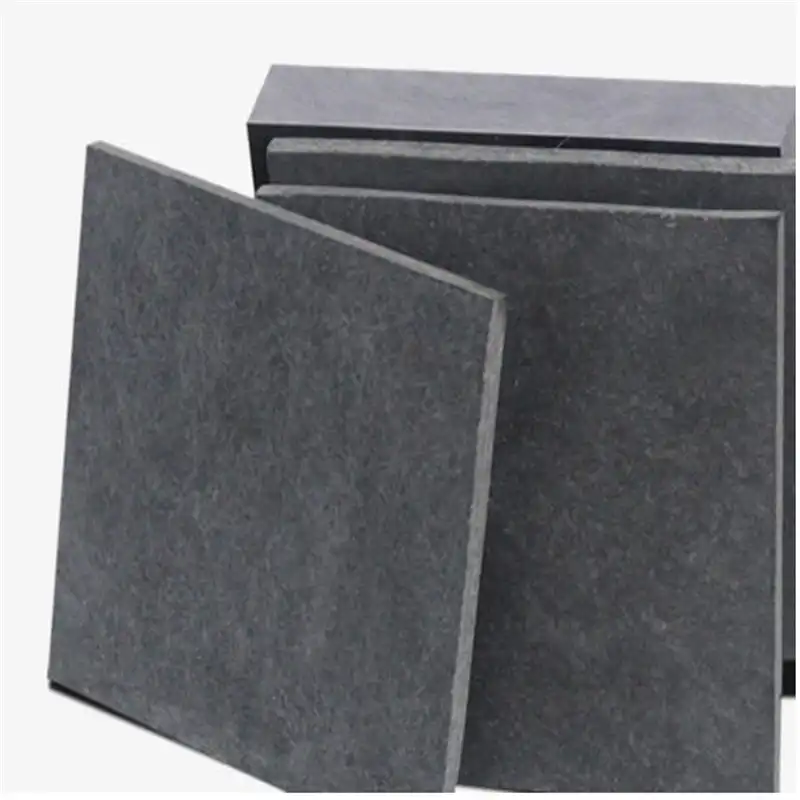
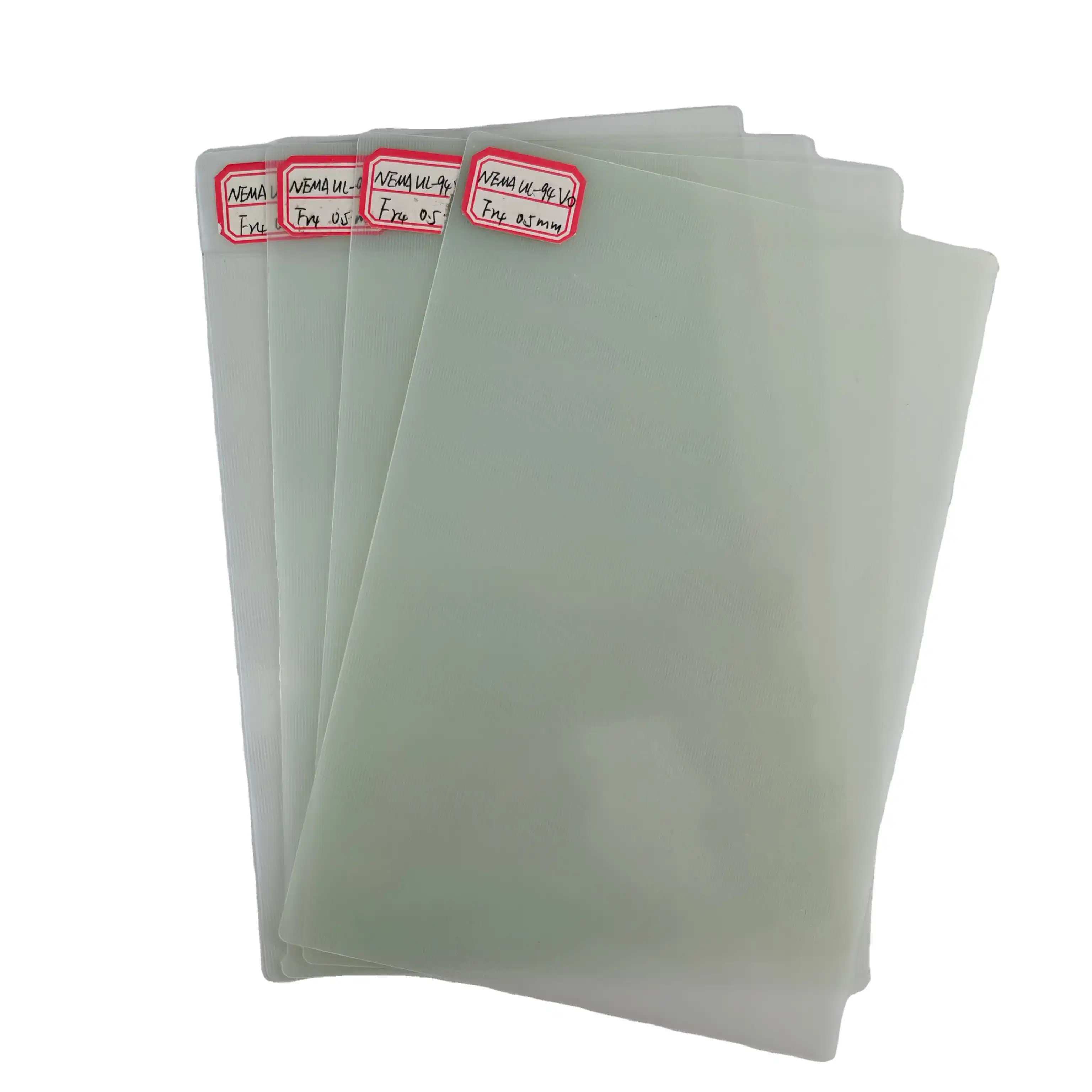
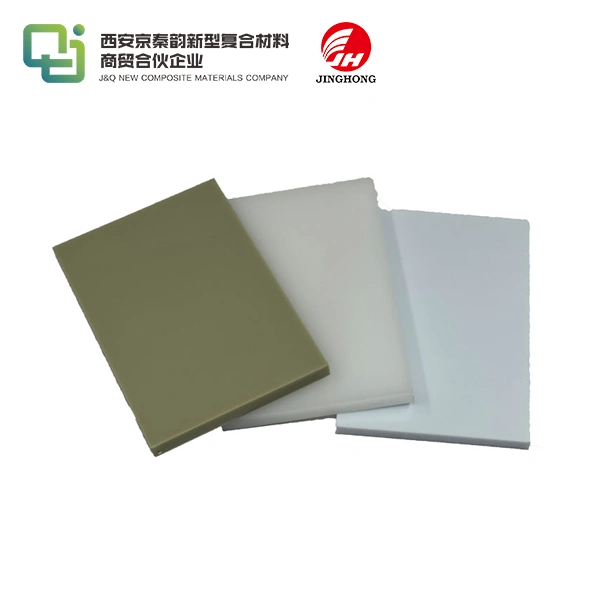
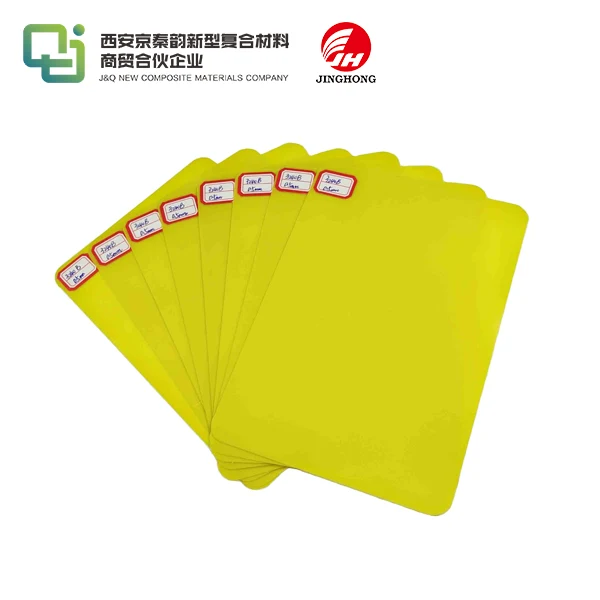
Phenolic Resin Bakelite Sheet for Multifunctional Workbench Surface
2026-03-16 16:38:05
Phenolic resin Bakelite sheet represents the pinnacle of workbench surface materials, combining over a century of proven engineering excellence with modern manufacturing precision. These thermosetting plastic sheets deliver unmatched durability, exceptional heat resistance, and superior electrical insulation properties that make them indispensable for multifunctional workbenches across industrial environments. When businesses demand workbench surfaces that can withstand heavy-duty operations while maintaining dimensional stability and safety standards, phenolic resin Bakelite emerges as the trusted solution that bridges performance gaps where conventional materials fail.
Understanding Phenolic Resin Bakelite Sheets and Their Properties
The Science Behind Phenolic Resin Formation
Using a condensation process between phenol and formaldehyde, Leo Baekeland created phenolic resin Bakelite in 1907. It is one of the most important new materials ever made. This process of thermosetting makes polyoxybenzylmethyleneglycolanhydride, a complicated polymer structure that bonds chemically in a way that can't be undone when heated and pressed. In the production process, layers of phenolic resin-soaked cellulose paper or fabric are turned into thick, rigid sheets through polymerization. This makes what we now call synthetic resin bonded paper (SRBP) or synthetic resin bonded fabric (SRBF).
Core Material Properties That Define Excellence
Because of its unique chemical structure, phenolic resin has great performance qualities that set it apart from modern plastics. It can withstand temperatures of up to 300°F (149°C) without breaking down, and its dielectric strength is higher than 12 kV/mm, making it a safe electrical insulator in high-voltage settings. These sheets are very resistant to acids, solvents, oils, and other chemicals that are often found in industrial settings.
Some of its mechanical qualities are high compression strength, good dimensional stability during cutting, and low moisture absorption rates that keep it from warping when it's wet. Newer plastics may experience temperature creep or electrical breakdown under constant operational stress. This material is better because it doesn't track and doesn't react to arcs.
Comparative Analysis with Alternative Materials
Compared to melamine, epoxy composites, or regular thermoplastics, phenolic glue can keep its shape over a wider range of temperatures and chemical exposures. Modern materials may have some benefits in terms of weight reduction or specific uses, but Bakelite is still the best choice for critical desk applications where failure is not an option.
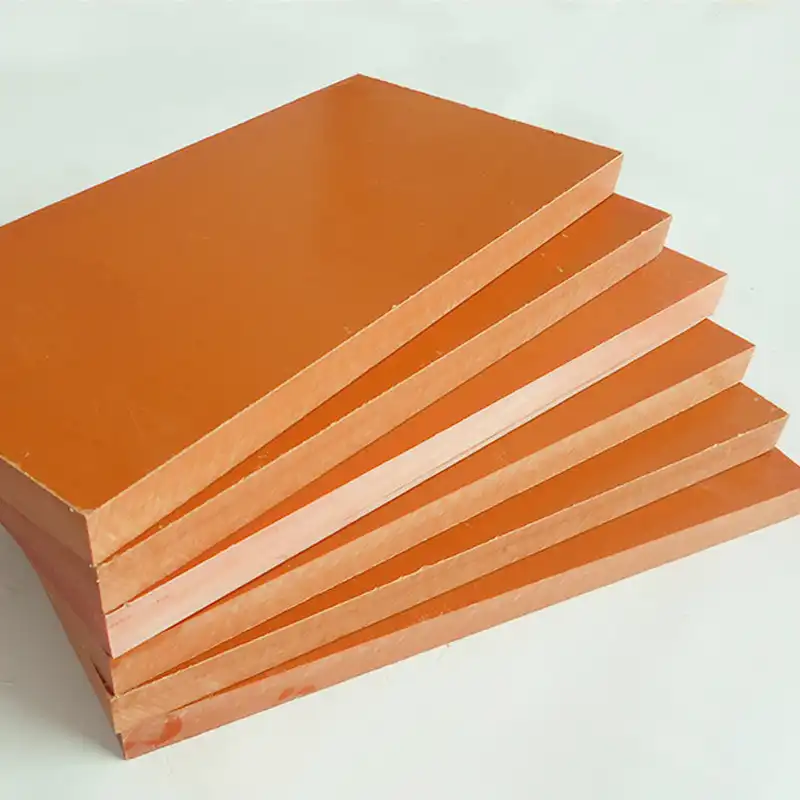
Advantages of Using Phenolic Resin Bakelite Sheets for Workbench Surfaces
Multifunctional Performance Benefits
The surfaces of Bakelite sheet workbenches offer numerous benefits that simultaneously meet various industry needs. Because the material can handle a lot of heat, it can be used directly with hot parts, welding tools, and thermal processing equipment without changing its shape or surface. This feature gets rid of the need for protecting mats or replacing the surface often, which is common with lower-quality materials.
Chemical protection makes workbenches last a lot longer when they are exposed to cutting fluids, cleaning solvents, hydraulic oils, and weak acids that are used in production. The surface doesn't have pores, so it doesn't let germs stick. This helps keep cleanliness standards high, which is important in places like electronics assembly and precision manufacturing.
Electrical Safety and Insulation Advantages
When electrical testing, putting together parts, or using powered tools takes place on an industrial workbench, electrical shielding is very important. Because phenolic resin is naturally non-conductive, it protects against electrical dangers and lowers the chance of accidents at work and insurance costs. This trait comes in very handy when making electronics, testing electrical parts, and putting together power tools.
The material meets strict electrical safety standards, such as MIL-I-24768 specifications. This makes sure that it follows industry safety rules and quality control systems that clients in the energy, aerospace, and automobile sectors need.
Long-term Cost Effectiveness
Phenolic plastic desk surfaces may cost more up front than basic options, but over time, the total cost of ownership is much lower for Bakelite. Lower operating expenses and higher output are the results of less maintenance, longer service life, and fewer replacements. These benefits help B2B clients explain capital spending and get a better return on investment by making operations more efficient.
How to Select and Procure the Right Bakelite Sheets for Your Business Needs?
Material Specification Requirements
Choosing the right The thickness, size, and grade choices for Bakelite sheet specs must be carefully considered in light of the intended use of the sheet. Standard thicknesses range from 0.5mm to 50mm to meet a wide range of structural and insulation needs. Custom sizes can also be requested for large-format workbench installs or the integration of specialized machines.
Different grades have different electrical, temperature, and mechanical qualities that make them better for certain uses. For electronics work, paper-based grades are great for keeping electricity from flowing, while fabric-based grades are stronger and better for heavy-duty building tasks.
Supplier Evaluation and Quality Assurance
Partnering with suppliers who offer consistent quality, reliable service, and full expert help is key to successful procurement. Some important things that are looked at are ISO certification, quality management systems, and meeting foreign standards like UL and RoHS rules. To back up engineering requirements, suppliers should give thorough material approvals, dimensional limits, and performance data.
Volume Purchasing and Customization Options
When buying things for other businesses, volume purchasing deals can save you money and give you more options for when and how to send your goods. A lot of providers offer unique services like cutting, routing, and fabrication that cut down on the need for internal handling and make sure that the dimensions are exact. These extra services can cut down on project timelines by a lot while still meeting quality standards.
Working with Phenolic Resin Bakelite Sheets: Practical Application Guide
Cutting and Machining Techniques
To get the best results and the least amount of waste when cutting phenolic resin materials, you need to use specific methods and the right tools. Carbide cutting tools keep their sharp edges for longer than high-speed steel tools, and the right cutting speeds keep heat from building up, which could damage the edge or burn the surface.
Band saws with fine-tooth blades make clean cuts for rough sizing, while CNC cutters let you do exact cutting and contouring. When machining, it's important to collect the dust properly because phenolic dust can be annoying and needs the right air systems.
Installation and Surface Preparation
Professional fitting methods make sure that the workbench works well and lasts a long time. Preparing the surface means cleaning the base properly, choosing the right adhesive, and making sure the fastening hardware is right for the load conditions that will be expected. Mechanical fastening works better than glue bonding alone a lot of the time, especially in places with a lot of shaking or where the parts will need to be taken apart later.
Maintenance and Surface Care
Regular maintenance increases the useful life of Bakelite sheet units while keeping their look and usefulness. Regular cleaning with light soaps gets rid of dirt and grime without hurting the finish, and regular inspections find problems before they get in the way of operations. Unlike porous materials, phenolic resin surfaces don't stain easily and can be brought back to almost their original state by cleaning them lightly with abrasive materials.
Case Studies and Industry Applications of Bakelite Workbench Sheets
Electronics Manufacturing Success Stories
Leading electronics companies have seen big increases in productivity after switching to phenolic resin materials for desk tops. For assembly tasks that need anti-static protection, Bakelite's consistent electrical qualities come in handy. For handling heat-sensitive parts during tests and soldering, the material's temperature stability is essential.
When phenolic workbench surfaces are used instead of metal or plastic ones, quality control teams say they have fewer problems with contamination and more accurate measurements. The material's physical stability makes sure that measuring and calibrating with precision always uses the same reference surfaces.
Industrial Machinery Applications
Heavy equipment makers use Bakelite sheet workbench tops in assembly areas where stable work surfaces are needed for hydraulic testing, putting parts together, and quality checks. Because the material is resistant to hydraulic fluids, cutting oils, and cleaning solvents, the surface stays intact over long production cycles.
Suppliers of automotive parts have made production more efficient and workers safer by using phenolic desk surfaces in applications like precision cutting support, testing electrical components, and putting together battery packs.
Emerging Industry Trends
Currently, phenolic resin products are being improved to make them last longer, be easier to work with, and have specific surface processes for different uses. These improvements make Bakelite technology ready to adapt to changing needs in the industry while keeping the basic dependability that has made it essential in many industrial fields.
Conclusion
Phenolic plastic Bakelite sheets are still the best choice for industrial workbenches that can be used for more than one thing. Their mix of resistance to heat, electrical insulation, chemical toughness, and mechanical strength meets important performance needs that modern replacements have a hard time meeting fully. As safety standards change and manufacturing processes get more difficult, phenolic resin workbench surfaces are becoming more important for forward-thinking businesses that want to stay ahead of the competition. This is because they are reliable and don't cost a lot of money.
FAQ
What safety standards do phenolic resin Bakelite sheets meet for industrial use?
Phenolic resin products meet a number of international safety standards, such as MIL-I-24768 for fire safety, UL approvals for flame resistance, and RoHS compliance for environmental safety. These approvals make sure that the products can be used in tough industrial settings and meet the rules that apply to many markets and industries.
How can I identify authentic Bakelite products versus inferior substitutes?
Real phenolic resin materials have a uniform density, a smooth surface finish, and cutting properties that can be predicted. Suppliers you can trust will give you thorough material certificates, performance data sheets, and paperwork that shows how each batch was made. A visual check should show that the color and texture are all the same, with no delamination, voids, or other surface flaws that would suggest poor production.
What are typical lead times for customized Bakelite sheet orders?
Standard sheet materials usually ship within two to three weeks. However, if you need special cutting and fabrication services, shipping could take up to four to six weeks, based on how complicated the job is and how much you need. For projects to be successful, it's important to plan early on how to buy things, especially for large sales or grades that aren't commonly used.
Partner with J&Q for Premium Bakelite Sheet Solutions
J&Q brings over 20 years of manufacturing expertise and 10+ years of international trading experience to deliver superior Bakelite sheet solutions tailored to your industrial workbench requirements. Our comprehensive product range, backed by rigorous quality control and competitive Bakelite sheet supplier pricing, ensures your operations receive materials that meet the most demanding performance standards. With our integrated logistics capabilities providing one-stop service delivery, we streamline procurement while maintaining the reliability and technical support your engineering teams demand. Contact our specialists at info@jhd-material.com to discuss your specific requirements and discover how our proven phenolic resin solutions can enhance your manufacturing operations.
References
American Chemical Society. "Bakelite: The First Synthetic Plastic - National Historic Chemical Landmark." Chemical Heritage Foundation Publications, 2018.
Harper, Charles A. "Modern Plastics Handbook: Thermoset Plastics and Composites." McGraw-Hill Professional Engineering Series, 2019.
Richardson, Terry L. "Industrial Plastics: Theory and Applications." Cengage Learning Technical Publications, 2020.
Stevens, Malcolm P. "Polymer Chemistry: An Introduction to Phenolic Resins and Applications." Oxford University Press, 2017.
Wilson, David R. "Electrical Insulation Materials: Properties and Industrial Applications." IEEE Standards Publications, 2021.
Zhang, Michael K. "Advanced Composite Materials for Industrial Workbench Applications." Journal of Manufacturing Engineering, Vol. 45, 2022.