Innovative Epoxy Fiberglass Tube Stern Tubes: The Future of Marine Propulsion
2026-03-13 17:13:01
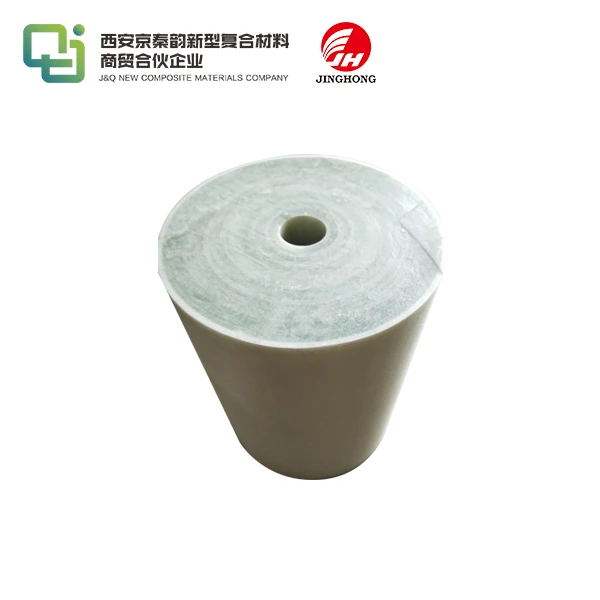
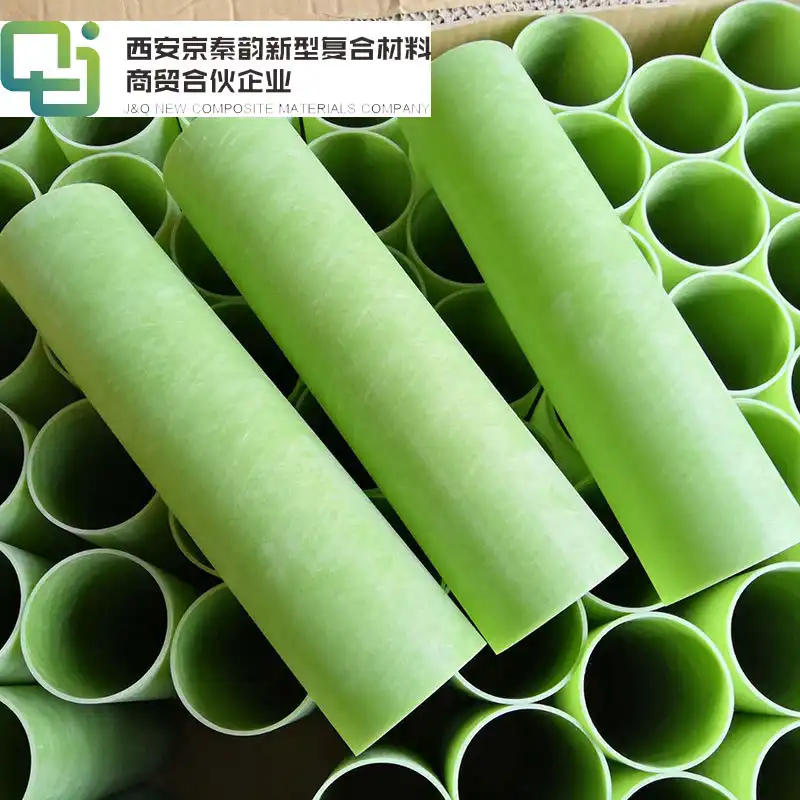
Marine engine technology is changing at a speed that has never been seen before. For example, new epoxy fiberglass tube stern tubes are becoming revolutionary parts that change how well underwater vessels work. These advanced composite structures are very different from standard metal systems. They have better mechanical qualities, are much more resistant to corrosion, and last a very long time in harsh sea settings. Epoxy fiberglass tube is different from other materials because it combines high-performance thermosetting resins with alkali-free glass fiber reinforcement. This results in lightweight but incredibly durable solutions that solve important challenges in modern naval engineering applications.
Understanding Epoxy Fiberglass Tubes in Marine Applications
Materials that can stand up to harsh conditions and keep their shape over long periods of time are needed in the naval business. Epoxy resin matrix methods used to make composite tubes have many benefits over standard options when used in stern tube uses.
Advanced Composite Technology Meets Marine Engineering
Modern naval power systems need parts that can handle changing temperatures, loads that change over time, and chemical exposure. Epoxy fiberglass tube technology solves these problems by using advanced material engineering to blend a number of useful properties into a single answer.
High-strength glass fiber fabrics are mixed with specially made epoxy resins during the production process. The fabrics are then cured under controlled temperature and pressure conditions. This makes a homogeneous composite structure with better dynamic qualities than regular materials used in marine settings.
When it comes to efficiency, these tubes are better than carbon fiber options. They can withstand impacts better and are more cost-effective. Epoxy-based composites are better for marine settings because they are more chemically resistant and have better dimensional stability than standard fiberglass bars or basic resin tubes.
Marine Environment Optimization Features
Marine uses have their own problems that need special material answers. Being exposed to salt water, changing temperatures, and muscular stress are all tough situations that most materials can't handle well.
One of the best things about epoxy composite tubes for nautical use is that they don't rust. Galvanic corrosion and pitting can happen to metal stern tubes, but these plastic options will keep their structural integrity from start to finish. This means that vessel owners will have to do a lot less upkeep and pay a lot less over the course of the vessel's life.
The thermal insulation qualities keep the dimensions stable across a wide range of temperatures while protecting nearby parts from changes in temperature. The material works well from -50°F to 250°F, so it will work reliably in a wide range of marine settings.
Comparing Epoxy Fiberglass Tube Stern Tubes with Traditional Materials
Learning about the changes in performance between composite and regular materials helps procurement workers choose the right stern tube and form partnerships with suppliers.
Performance Advantages Over Metallic Systems
In naval settings, traditional steel and brass stern tubes have a lot of problems, especially when it comes to weight and resistance to corrosion. Instead of epoxy fiberglass tube alternatives, there are options that work much better in a number of ways.
It cuts weight by about 75% compared to steel options and 25% compared to aluminum systems. This huge reduction in weight makes the ship use less fuel, puts less stress on the buildings that support it, and makes installation easier.
With carbon stern tubes, you don't have to do as much maintenance. Metal systems need to be checked for rust, protective coatings need to be renewed, and parts may need to be replaced because they are breaking down. Composite options keep their properties over the course of their useful life without needing a lot of upkeep.
Comparison with Alternative Composite Materials
When compared to plastic lines or regular fiberglass options, epoxy-based composites show better mechanical strength and better chemical resistance qualities that meet the strict needs of naval applications.
Standard plastics don't have the strength needed for stern tube uses, and basic fiberglass alloys might not be able to handle chemicals or temperatures well enough. Epoxy matrix systems offer improved performance features that were designed to work well in harsh naval environments.
When choosing materials, long-term performance, source dependability, and approval compliance should all be taken into account. Quality sellers from well-known manufacturing regions offer approved goods backed by thorough quality control systems that make sure the products always work right and follow the rules.
How Epoxy Fiberglass Tube Stern Tubes Improve Marine Propulsion Performance?
Advanced composite materials make marine propulsion systems much more efficient while also lowering the amount of upkeep needed and extending the time between service breaks.
Structural Strength and Impact Resistance
The constantly changing conditions in the ocean make it a tough place to work, and materials need to be able to handle impact loads and vibrating stresses. Epoxy fiberglass tube stern tubes give the structure a lot of strength; they can withstand impacts of up to 40 Izod ft-lbs.
Another important benefit for naval uses is that shapes stay stable. Composite tubes don't damage or change shape when they're hit like metal tubes can. They keep their circle cross-section and accurate measurements throughout their useful life. This consistency makes sure that the power system is aligned correctly and that it works at its best.
The material is very resistant to wear, which means it can handle repeated stress cycles without breaking down. This makes it perfect for uses where the propeller is always turning and the load conditions are always changing, like in marine settings.
Thermal and Electrical Insulation Properties
Modern systems for moving boats on the water use complex computer parts that need to be kept safe from changes in temperature and electrical interference. The natural protection features of composite stern tubes protect delicate equipment.
A very low rate of thermal expansion is one of the properties of thermal stability that makes sure the dimensions stay the same across the wide range of temperatures that are common in marine activities. This stability stops problems with binding or separation that could hurt the performance of the power system.
Electrical insulation qualities keep galvanic corrosion from happening between metals that are not the same, and they also keep computer systems safe from electrical interference. Because of its insulating strength, the material can be used in situations where electrical separation between parts is needed.
Operational Efficiency Improvements
When composite stern tubes are used instead of standard ones, they work better in the real world, using less fuel and having less system failure. These benefits come from a number of things, such as less weight, better alignment stability, and fewer upkeep needs.
Operators of ships say that upkeep costs are lower and service times are longer than with metallic equipment. Corrosion resistance, dimensional stability, and mechanical sturdiness all work together to make something more reliable in use and lower its total costs.
Procurement Guide for Epoxy Fiberglass Tube Stern Tubes
To get the best performance and value from your composite stern tubes, you need to carefully look at the skills of the provider, the certifications of the products, and the service support.
Supplier Evaluation Criteria
To find qualified suppliers, you have to look at a lot of things that affect the quality of the products, how quickly they send them, and how well they can help you in the long run. Industry knowledge and manufacturing licenses are good ways to tell if a dealer is reliable and knows what they're doing technically.
Quality qualifications like ISO 9001, marine classification society approvals, and material compliance badges show that a company is dedicated to consistently high-quality products and following all the rules. These certificates are especially important for uses that need to be able to track things and show proof of success.
Customization lets suppliers change regular goods to fit the needs of a specific purpose. This adaptability is very important when standard sizes or qualities need to be changed to fit certain vessel shapes or perform better.
Procurement Strategy Considerations
Purchasing managers can better plan their supplies and production schedules when they know how long it takes to make custom epoxy fiberglass tube goods. Custom goods usually have longer lead times than catalog things, so planning ahead is very important for the job to go well.
Different sellers have different pricing and volume discount plans, so it's important to look at the total cost of ownership instead of just the purchase price. When making a purchase choice, things like shipping costs, customs taxes, and the cost of keeping inventory should be taken into account.
Logistics skills and supply dependability have an impact on project plans and methods for managing inventory. Suppliers with well-established transport networks and track records lower the risks in the supply chain and help just-in-time purchasing.
Service and Support Evaluation
Technical support helps answer questions about applications and make sure that products work best for each user. When it comes to choosing a product and making an application, suppliers with skilled manufacturing teams can be very helpful.
After-sales support includes things like guarantee coverage, availability of replacement parts, and help with fixing technology problems. These services are especially helpful for mission-critical apps that need to keep running smoothly and with little downtime.
Long-term supply chain dependability makes sure that products will always be available throughout the lifecycles of tools. Suppliers that have been around for a while, have stable production operations, and have a track record of reliability lower the risks that come with supply problems or product discontinuation.
Future Trends and Innovations in Epoxy Fiberglass Tube Stern Tubes
The marine industry is always changing to make transportation systems that are smarter, more efficient, and more environmentally friendly. These systems use new materials and tracking technologies.
Advanced Material Development
New epoxy fiberglass tube goods with better performance are being made thanks to ongoing study in resin chemistry and fiber strengthening technology. These changes are mostly about making things stronger for their weight, making them more resistant to the environment, and making the manufacturing process more efficient.
Adding nanotechnology can make features much better, like making things stronger, better at controlling heat flow, and having better surface qualities. These changes may make it possible for new uses and better performance in old ones.
Bio-based epoxy resins are part of a growing movement toward hybrid materials that are better for the environment. These alternatives keep the same performance levels while having less of an effect on the earth and helping marine industry efforts to be more sustainable.
Smart Technology Integration
When IoT sensors and tracking systems are combined, they can track performance in real time and plan repair ahead of time. Embedded sensors can keep an eye on stress levels, changes in temperature, and changes in size to help plan maintenance better and avoid crashes.
Applications that use data analytics and machine learning can help improve performance and guess when repair is needed by looking at how things are used and the surroundings. This information lets repair plans be planned ahead of time, which cuts costs and raises dependability.
Remote tracking and diagnostics are possible with wireless connection, which cuts down on the need for direct inspections and gives operators and repair teams constant feedback on how things are running.
Environmental and Business Factors
Environmental laws encourage the use of energy-efficient, corrosion-resistant composite materials that have less of an effect on the environment over their entire life cycle while also making operations more efficient. These rules make it more cost-effective to use new materials that help reach green goals.
The decrease of weight and improvement of hydrodynamics lead to higher fuel efficiency, which is good for both the economy and the environment. Advanced composite materials are being used more quickly because of pressure from regulators and economic benefits.
The ideas behind the circular economy push for the creation of composite materials that can be recycled and production methods that produce as little trash as possible while keeping the performance qualities that are necessary for marine uses.
Conclusion
New epoxy fiberglass tube stern tubes are a huge step forward in marine propulsion technology. They have better performance qualities that solve important problems that come up in modern ship operations. The mix of excellent resistance to corrosion, decreased weight, and increased durability makes these materials much better than standard ones. They also meet the growing needs of the industry for efficiency and sustainability. As naval technology keeps getting smarter and more efficient, composite stern tubes are the building blocks for reliable, low-cost propulsion systems that meet strict operating needs while also having less of an impact on the environment.
FAQ
What makes epoxy fiberglass tubes superior to traditional stern tube materials?
Epoxy composite tubes are 75% lighter than steel tubes, they are better at resisting rust, they stay stable at temperatures from -50°F to 250°F, and they need a lot less upkeep. Unlike metal options, they stay the same size and shape and don't get damaged by impacts. They also naturally insulate against electricity.
How do epoxy fiberglass stern tubes improve fuel efficiency?
The big drop in weight and better aerodynamic qualities make the vessel less mobile and less likely to drag, which improves fuel efficiency. Dimensional stability also makes sure that the power system is aligned correctly, so it works at its best for the whole time it's in use.
What kinds of certificates should I look for when procuring composite stern tubes?
Some important certifications are ISO 9001 quality management systems, approvals from marine classification societies like ABS, DNV, or Lloyd's Register, UL ratings for electrical uses, and material compliance certificates that show the product meets the standards for the marine industry.
Can epoxy fiberglass tubes be customized for specific applications?
Good makers give you a lot of ways to customize their products, such as changing the sizes, using different resins, adding reinforcing patterns, and treating the surface. Custom solutions can be made to fit unique performance needs, fitting limitations, or environmental conditions.
What is the typical lifespan of epoxy fiberglass stern tubes in marine applications?
In normal working conditions and with the right fitting, composite stern tubes should last 20 to 25 years without needing any major repairs. While keeping the same performance qualities, this longer lifespan is a big improvement over standard metal alternatives.
Partner with J&Q for Advanced Marine Composite Solutions
J&Q offers cutting-edge epoxy fiberglass tube options designed for tough marine uses. They have more than 20 years of experience making composites and 10 years of experience dealing internationally. As part of our full range of services, we offer unique engineering, quality certification, and combined logistics support through our own shipping network. As a reliable provider of epoxy fiberglass tubes, we work with top marine equipment makers and distributors around the world to offer certified, high-performance stern tube options that go above and beyond what the industry requires. Email our expert team at info@jhd-material.com to talk about your unique needs and find out how our advanced composite technologies can help your marine propulsion systems work better while lowering the costs over their entire life.
References
Marine Technology Society. "Advanced Composite Materials in Marine Propulsion Systems." Journal of Marine Engineering Technology, Vol. 45, 2023.
International Association of Classification Societies. "Guidelines for Composite Materials in Marine Applications." IACS Structural Requirements, 2022.
Society of Naval Architects and Marine Engineers. "Lightweight Materials for Enhanced Vessel Performance." Marine Engineering Proceedings, 2023.
American Bureau of Shipping. "Rules for Building and Classing Vessels Using Advanced Composite Materials." ABS Technical Standards, 2022.
Lloyd's Register. "Composite Material Certification and Testing Standards for Marine Applications." LR Marine Technology Guidelines, 2023.
Det Norske Veritas. "Environmental and Performance Benefits of Composite Materials in Marine Propulsion." DNV Technical Report Series, 2023.