How to Get High-Quality Textolite Material for Mechanical Applications?
2026-03-13 17:10:39
To find trustworthy Textolite material for mechanical uses, you need to know its specific performance features, find certified suppliers, and set up the right quality control procedures. Textolite material of high quality has amazing mechanical strength, dimensional stability, and electrical insulation features that make it essential for making precise mechanical parts. It is important to check the certifications of suppliers, make sure that the specs of the materials are correct, and form long-term relationships with manufacturers who offer consistent quality and technical help throughout the supply chain.
Understanding Textolite Material Properties for Mechanical Applications
When engineers and procurement teams know about the basic properties of Textolite material, they can choose the right material for tough mechanical uses. This information is the basis for good sourcing methods and the long-term dependability of parts.
What is Textolite Material and Its Core Characteristics?
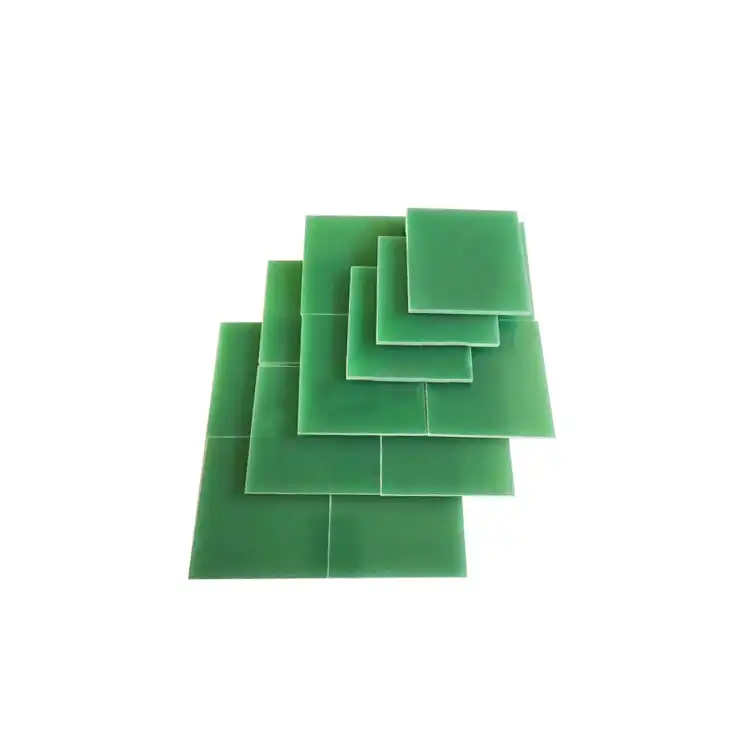
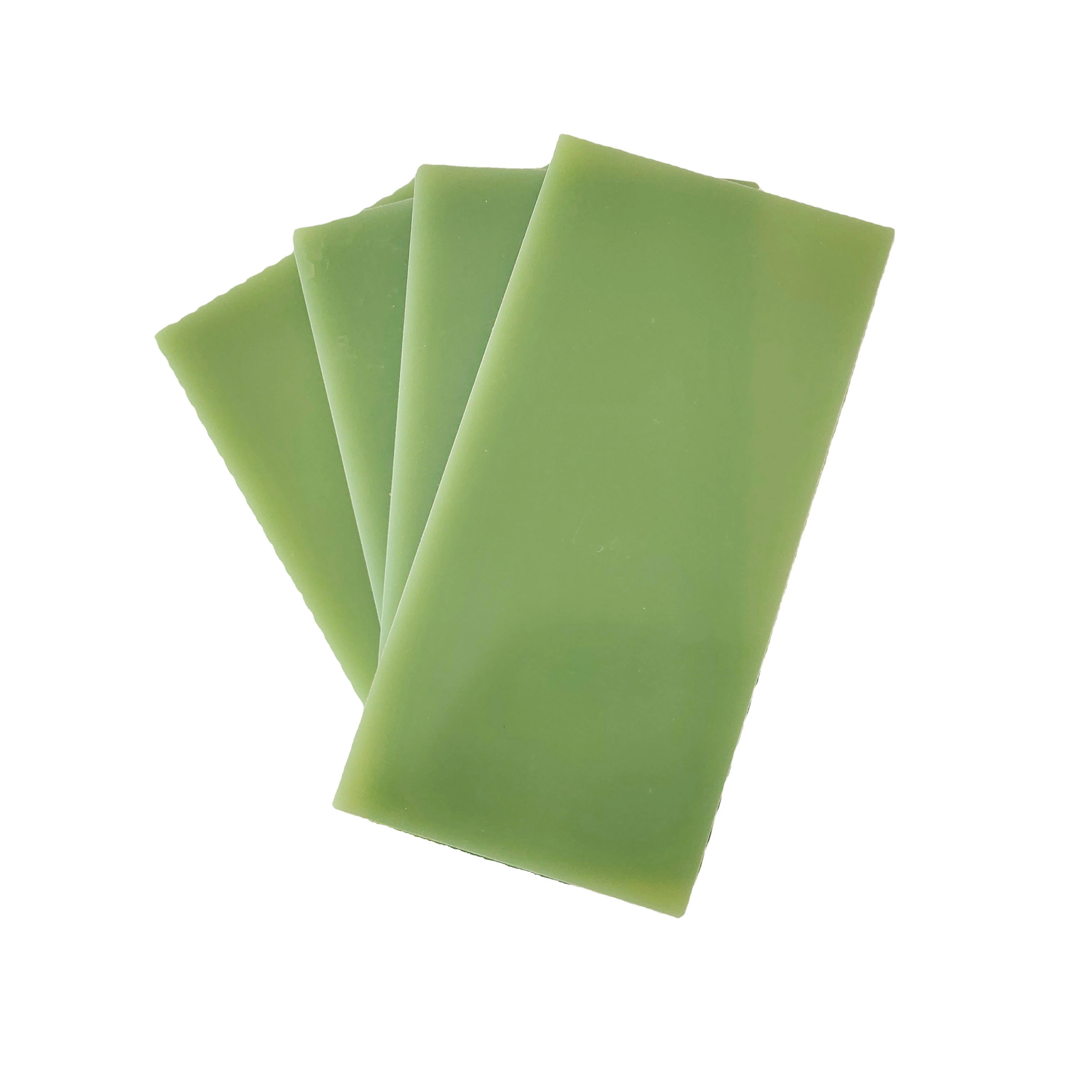
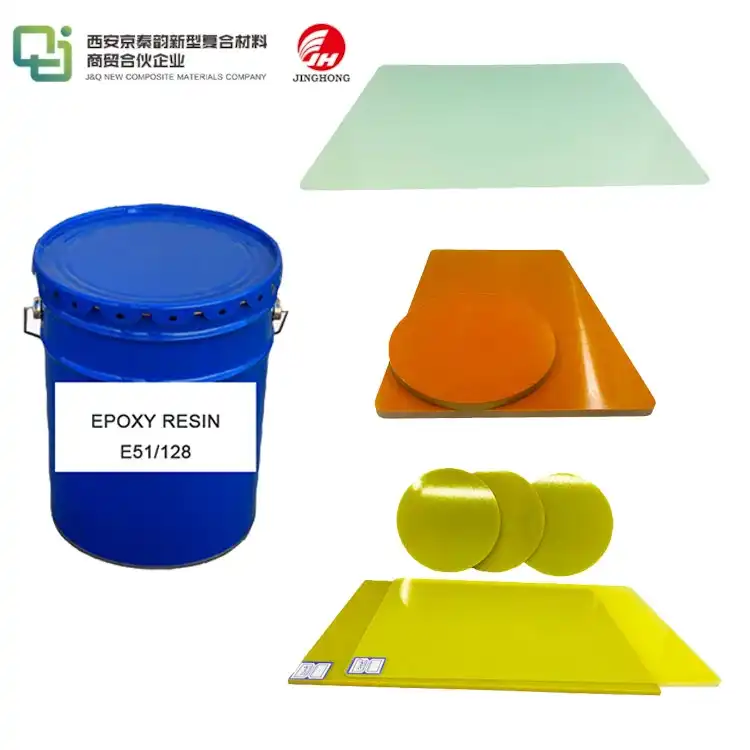
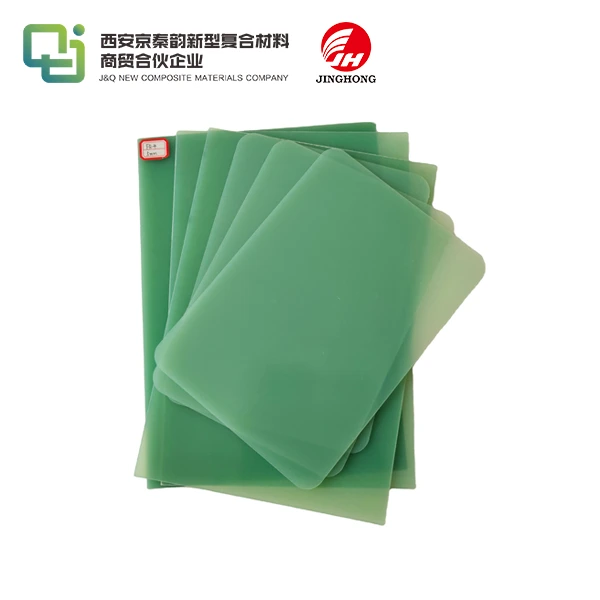
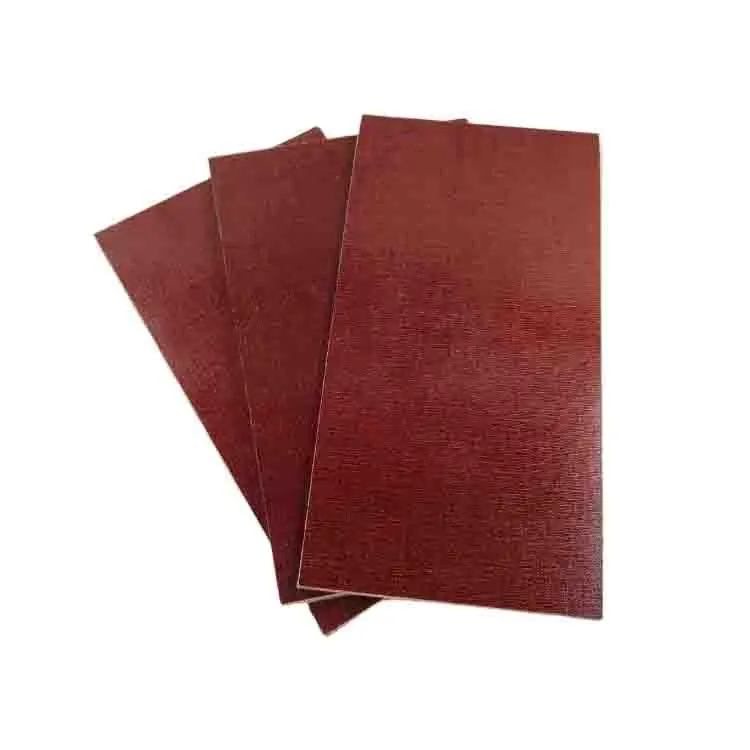
Textolite material is made up of woven fiberglass fabric that has been mixed with epoxy resin to make a composite material. This is done through high-pressure lamination methods. Precise temperature control and compression methods are used during the manufacturing process to make sure that all sheets have the same density and mechanical properties. The strength-to-weight ratio of this composite structure is very high, and it stays stable in its dimensions even when the surroundings changes.
The material has a very high tensile strength, between 310 and 380 MPa, which means it can be used to support loads in mechanical systems. Its flexural strength is usually between 415 and 515 MPa, which means it is very good at resisting the twisting forces that structural parts often face. The low rate of moisture absorption (less than 0.15%) keeps the dimensions stable in damp places, and the low coefficient of thermal expansion stays the same across all operating temperature ranges.
When it comes to mechanical uses, electrical insulation is very important because parts need to stay separate from conductive elements. Textolite material has a dielectric strength of more than 16 kV/mm and a volume resistance of more than 10^14 ohm-cm. Because of these qualities, it is perfect for mechanical supports and fixings in electrical equipment that need to be both strong and electrically isolated.
Critical Performance Specifications for Mechanical Use
Temperature resistance is an important factor for mechanical uses. Good Textolite material can keep its structure intact at temperatures ranging from -40°C to 155°C while it is being used continuously. Thermal cycling tests show that it doesn't break down much even after thousands of temperature cycles. This means that it can be trusted in automobile and industrial machinery where thermal stress happens often.
Mechanical strength properties include a number of factors that decide how well something works in different situations. Its compressive strength is usually higher than 415 MPa, which lets it be used in heavy-duty situations like as machinery spacers and structure supports. The material works the same way under both static and dynamic loading. It is also resistant to fatigue, which means it will last for a long time in rotating and vibrating machines.
Dimensional stability in changing environmental conditions makes sure that the tolerances of precision mechanical systems stay the same over time. Textolite materials of good quality don't change much in size when they are subject to changes in temperature, humidity, and chemicals that are common in industrial settings. This stability is especially helpful for precise mechanical parts where the accuracy of the dimensions has a direct effect on how well the system works.
Chemical protection lets mechanical parts be used in harsh conditions where they will be exposed to cleaning chemicals, solvents, and oils. The epoxy resin core is very resistant to most industrial chemicals, and the fiberglass reinforcement keeps the structure strong even when chemicals are applied to the top layers.
Textolite vs Alternative Materials Comparison
When you compare Textolite material to FR4 substrates, you can see that Textolite has clear benefits in mechanical applications that need to be stronger and last longer. Textolite material is better for electronic uses because it has higher mechanical strength and better dimensional stability when heated and cooled. Textolite material is better than FR4 for structural parts and mechanical fixtures that might break under high stress because it has better mechanical qualities.
Alternatives to phenolic glue are less expensive, but they are less resistant to changes in temperature and less stable in terms of shape. Textolite material shows better resistance to moisture absorption compared to phenolic alternatives and maintains consistent properties over a wider temperature range. The higher initial cost is justified by the longer service life and lower maintenance needs in demanding mechanical uses due to better performance characteristics.
Comparisons of ceramic substrates show that Textolite material strikes a good mix between performance and usefulness. Ceramics are better at withstanding high temperatures and keeping their shape, but they aren't easy to machine or resistant to pressure like Textolite material is, which makes it useful for making complex mechanical parts. Being able to machine precise shapes and threads straight into Textolite material makes it easier to put together and cheaper to make than ceramic alternatives.
Identifying Quality Standards and Certifications
Setting clear quality standards and certification requirements makes sure that the Textolite material that is bought meets the strict requirements needed for mechanical uses. These standards give clear criteria for evaluating suppliers and accepting materials.
Industry Standards and Compliance Requirements
UL certification is the most important safety measure for electrical insulation materials used in machines. Textolite material meets fire safety standards for equipment used in business and industrial settings thanks to its UL 94 flame resistance ratings. The V-0 rating shows that the fire will go out on its own within a certain amount of time, and the UL temperature ratings show that the appliance can keep running at the right temperature for an extended period of time.
IPC guidelines set performance standards for laminates that are used in mechanical and electronic projects. The IPC-4101 specification sheets list specific needs for mechanical strength, electrical properties, and environmental resistance. This makes it possible to directly compare various material choices. These standards include ways to test a material's tensile strength, flexural qualities, and ability to keep its shape in different types of weather.
Regional compliance requirements include limits on dangerous substances set by RoHS, rules for chemical safety set by REACH, and requirements for CE marking on goods sold in European markets. Knowing these needs during the buying process keeps delays from being too expensive and makes sure that mechanical parts made with Textolite material meet all the rules that apply to the markets they are meant for.
Quality Indicators and Testing Methods
Standardized testing methods are used to check the dielectric strength of a material by seeing how well it can handle electrical stress without breaking. Step-stress testing and progressive stress testing are two types of tests that find out both the short-term dielectric strength and the long-term electrical stability of a system under constant voltage stress. Good providers give test certificates that show how much dielectric strength each production lot has.
Tensile testing, flexural testing, and impact resistance measurements are all parts of mechanical testing methods that show how well a material works under mechanical stress. Standardized methods for preparing specimens and testing settings are used in these tests so that suppliers and production lots can be accurately compared. The test results give engineers quantitative data that they can use for study and verification of designs.
As part of quality control, you need to keep records like test results, material certifications, and traceability records that show you've followed the rules. Having a lot of paperwork makes it easier for inspectors to do their jobs and shows that important rules have been followed for quality checks and government inspections. Suppliers should keep thorough records that connect the properties of materials to specific production batches and the sources of those materials.
Material Safety and Handling Considerations
To understand the meaning of a safety data sheet, you need to know about the possible risks that come with handling, cutting, and throwing away Textolite material. The cured material doesn't pose much of a health risk, but machining creates dust that needs to be ventilated properly and people wearing safety gear need to be careful around it. Knowing these safety standards lets you come up with the right ways to handle things and protect workers.
How materials are stored and handled has a big effect on their quality and ability to stay the same size. Textolite material should be kept in a controlled setting where it doesn't have to deal with changes in temperature and humidity too much. Flat stacking with enough support, keeping things dry, and rotating stock so that the oldest items are used before the newest ones are stored properly.
Environmental compliance includes both safety standards for the workplace and rules for protecting the environment. The right way to get rid of machining trash and end-of-life parts makes sure that environmental rules are followed and the damage to the environment is kept to a minimum. When buying something, knowing these standards helps you choose suppliers who offer full support for safety and the environment.
Evaluating Textolite Material Suppliers and Manufacturers
Supplier evaluation is an important part of buying because it affects both the quality of the materials you need right away and the reliability of your supply in the long term. A thorough evaluation of possible suppliers lowers the risks of procurement while ensuring access to technical help and advice.
Supplier Assessment Criteria
The first step in evaluating a supplier's manufacturing skills is to look at their production capacity, equipment capabilities, and process controls. These show whether they can meet current and future needs. Modern lamination equipment with exact temperature and pressure controls makes sure that the properties of the materials stay the same, and enough production capacity keeps delivery times from being slowed down during times of high demand. Good providers spend money on new manufacturing technology that lets them keep tight tolerances and make sure that performance is the same from batch to batch.
Quality management systems make sure that the quality of materials stays the same and that methods for continuous improvement keep going. Getting ISO 9001 certification shows that you follow the rules for quality management, and getting AS9100 certification shows that you can meet the higher quality standards of the aerospace and defense markets. Statistical process control, corrective action methods, and continuous improvement programs are all important parts of quality management systems that work to improve quality over time.
Technical support includes engineering knowledge, help with applications, and tools for solving problems that add value beyond providing materials. Strong expert teams at suppliers help with material selection, application advice, and troubleshooting, which speeds up product development and lowers design risks. Having access to technical experts is especially helpful when making new applications or improving the performance of current ones.
Leading Textolite Manufacturers and Distributors
There are benefits to doing business with established manufacturers in North America and Europe, such as lower shipping costs, shorter wait times, and easier communication for technical help. These companies usually have a wide range of products, a lot of quality certifications, and well-established delivery networks that make sure materials are always available. Regional manufacturing also protects the supply chain and lowers the risk of problems with foreign shipping.
Regional distributors and authorized dealers help manufacturers reach more people by keeping inventory and offering customer service in their own areas. Authorized distributors know a lot about the technical side of their products and usually keep popular sizes in stock so they can ship them right away. When you work with authorized dealers, you can be sure that you're getting real materials that come with full manufacturer warranties and expert support.
When you work directly with a manufacturer, you can get access to custom specs, get priority when supplies are low, and get direct technical support from engineering teams. But the minimum order quantity might be higher, and wait times might be longer than with distributor inventory. Whether you choose a direct or a distributor relationship depends on how much you need, whether you need technical help, and how you like to manage your inventory.
Supplier Relationship Management
Long-term partnership growth produces benefits for both parties, such as stable prices, priority allocation during times of limited supply, and chances to work together to make things better. Suppliers appreciate customers who consistently buy large amounts of goods and communicate clearly. In return, they often provide better service and treat these customers better when capacity is limited. Keeping in touch, paying on time, and respecting each other's business goals are all important for building these kinds of connections.
Communication standards make it clear what is expected when people share information, solve problems, and get feedback on their work. Demand forecasting, quality feedback, and technical talks are all part of regular communication that helps suppliers better meet customer needs. Protocols for effective communication also include ways to escalate problems so that quality issues and supply disruptions can be fixed quickly.
Concerns about supply security of Textolite material include finding a backup supplier, managing inventory, and figuring out how to measure risks in a way that lowers the chances of a disruption. Strong relationships with your main suppliers have many benefits, but smart procurement strategies also include qualified backup suppliers and the right amount of inventory to protect against supply interruptions that happen out of the blue.
Technical Specifications and Material Selection Guide
Proper material selection requires thorough analysis of application requirements, operating conditions, and performance expectations. This systematic approach ensures optimal material choice while avoiding over-specification that increases costs unnecessarily.
Determining Your Specific Requirements
Application analysis begins with detailed evaluation of mechanical loads, environmental conditions, and performance requirements that determine material specifications. Load analysis includes static loads, dynamic forces, and fatigue considerations that establish minimum strength requirements. Environmental analysis encompasses temperature ranges, chemical exposure, and humidity conditions that influence material selection criteria.
Operating environment considerations extend beyond basic temperature and humidity to include vibration levels, shock loads, and chemical exposure that may affect long-term material performance. Understanding these conditions enables selection of material grades with appropriate safety margins while avoiding over-specification that increases costs without providing meaningful benefits.
Safety factor determination requires balancing performance requirements with cost considerations while ensuring adequate margins for unexpected conditions. Industry-standard safety factors provide guidance, but specific applications may require adjusted factors based on failure consequences and environmental uncertainty. Proper safety factor selection protects against material failure while optimizing cost and performance balance.
Textolite Grade Selection and Thickness Options
Standard grades have established supply lines and competitive prices, and they have been shown to work well in common situations. Grade G10 has great mechanical properties for general-use uses, while Grade G11 has better temperature resistance for environments with a lot of heat. Knowing the differences between grades lets you make the best choice for your application.
Custom specifications can be made for particular uses that go beyond what a standard grade can do or need certain combinations of properties. Custom formulations can have better resistance to chemicals or flames, or the mechanical qualities can be changed to make them work better in certain situations. Custom specifications, on the other hand, usually have longer wait times and cost more than standard grades.
The choice of thickness is based on engineering needs, machining issues, and assembly limitations. Standard thicknesses range from 0.5 mm to 50 mm, which is wide enough for most uses. Custom widths are also available for specific needs. While thicker parts are stronger and more rigid, they may take longer to make and cost more in materials.
Surface Finish and Dimensional Specifications
Different surface finish choices affect both how a machined part looks and how well it works. For secondary operations, rough surfaces may help with bonding, while smooth finishes make sealing better and lessen the collection of dirt. Knowing what finish is needed when choosing the material makes sure that it works well and keeps the costs of extra processing to a minimum.
The requirements for dimensional tolerance have a direct effect on the prices of machining and the steps used for assembly. For many jobs, standard mill specifications may be fine, but for precise jobs, tighter controls are needed, which raises the cost of the materials. Finding the best balance between tolerance standards and application needs helps keep costs low while still making sure that the part works well enough for the assembly.
By sending ready-to-use parts, custom cutting and fabrication services from suppliers can cut down on manufacturing costs and wait times. Water jet cutting, CNC machining, and laser cutting are all services that allow providers to provide finished parts that don't need to be machined in-house. When working with difficult geometries or needing high precision, these services come in very handy.
Conclusion
To get high-quality Textolite material for mechanical uses, you need a complete plan that includes defining the material, evaluating suppliers, and making sure the quality is good. For success, you need to know what the application needs, find qualified suppliers with the right certifications, and set up strong procurement methods that make sure the quality of the materials is always the same. Putting money into good supplier relationships and quality systems pays off in the form of more reliable products, lower costs, and a stronger place in the market. If engineering managers and procurement professionals follow the tips in this procurement guide, they can come up with good sourcing plans that get reliable Textolite material solutions for tough mechanical uses while balancing cost and performance.
FAQ
What are the key differences between Textolite grades for mechanical applications?
Textolite grades differ primarily in temperature resistance, mechanical strength, and flame retardation properties. Grade G10 offers excellent general-purpose performance with continuous operation up to 130°C, while Grade G11 provides enhanced temperature resistance up to 180°C for demanding thermal environments. Grade FR4 includes flame retardant additives for applications requiring enhanced fire safety, though with slightly reduced mechanical properties compared to G10. Selection should be based on specific operating temperature ranges, mechanical load requirements, and regulatory compliance needs for your particular application.
How do I verify the quality and authenticity of Textolite materials?
Quality verification requires multiple validation steps including supplier certification review, material test certificate analysis, and incoming inspection procedures. Verify that suppliers maintain ISO 9001 certification and industry-specific quality standards relevant to your applications. Request material test certificates for each shipment that document mechanical properties, electrical characteristics, and compliance with specified standards. Conduct incoming inspections including visual examination, dimensional verification, and sample testing of critical properties to confirm material meets specifications before use in production.
What minimum order quantities should I expect when purchasing Textolite materials?
Minimum order quantities vary significantly based on material grade, thickness, and supplier policies, typically ranging from single sheets for prototyping to full production lots of 100+ sheets. Standard grades in common thicknesses often have lower MOQs due to regular production schedules, while custom specifications may require larger minimum orders to justify setup costs. Many suppliers offer sample quantities for evaluation purposes before committing to larger orders. Distributors generally provide more flexible ordering options compared to direct manufacturer purchases.
Partner with J&Q for Premium Textolite Material Solutions
J&Q delivers exceptional Textolite material quality backed by over 20 years of manufacturing experience and comprehensive technical expertise. Our extensive product portfolio includes Grade G10, G11, and FR4 options with custom specifications available to meet your exact mechanical application requirements. We maintain rigorous quality control processes, international certifications, and in-house logistics capabilities that ensure reliable delivery and consistent material performance. Our technical team provides expert application guidance and ongoing support to optimize your mechanical designs while our established supply chain relationships guarantee competitive pricing and reliable availability. Contact our engineering specialists at info@jhd-material.com to discuss your Textolite material requirements and discover how our proven supplier solutions can enhance your mechanical applications.
References
ASTM D638-14, Standard Test Method for Tensile Properties of Plastics, American Society for Testing and Materials, 2014.
IPC-4101E, Specification for Base Materials for Rigid and Multilayer Printed Boards, Institute for Printed Circuits, 2019.
UL 94, Standard for Safety of Flammability of Plastic Materials for Parts in Devices and Appliances Testing, Underwriters Laboratories, 2018.
IEEE Std 4-2013, Standard for High-Voltage Testing Techniques, Institute of Electrical and Electronics Engineers, 2013.
ASTM D790-17, Standard Test Methods for Flexural Properties of Unreinforced and Reinforced Plastics and Electrical Insulating Materials, American Society for Testing and Materials, 2017.
NEMA LI 1-1998, Industrial Laminating Thermosetting Products, National Electrical Manufacturers Association, 1998.