Electrical Insulation Materials: Definition and Classification
2026-03-13 17:10:37
Electrical insulation material is the backbone of modern electrical systems. It stops current flow that isn't needed and keeps industrial applications safe. These special materials put up walls between conductive parts, keeping people and tools safe from electrical hazards. Organic polymers, inorganic ceramics, and advanced composites are all included in the complete classification of electrical insulation materials. Each type of insulation is made to work with a certain voltage, temperature, and environment. When engineering managers and buying teams understand this classification system, they can choose the right materials for important projects like PCB support structures and high-voltage transformer parts.
Understanding Electrical Insulation Materials: Definition and Core Properties
What Are Electrical Insulation Materials?
Electrical insulation materials are made to stop the flow of electricity, and they act as shields in electrical systems to keep them safe. These materials have a high electrical resistance, usually more than 10^8 ohm-meters. This stops current from moving between conductive parts. The basic idea depends on the atomic structure of the material. Electrons stay close to their atoms, which makes it very hard for charges to move.
Another important property is dielectric strength, which measures the strongest electric field a material can handle before it breaks down. Good insulation materials don't break down when voltage is applied, which keeps devices from breaking down or putting people in danger. These materials are important for modern electrical systems because they keep the stages separate, support the structure, and make sure the systems work reliably in a variety of environmental conditions.
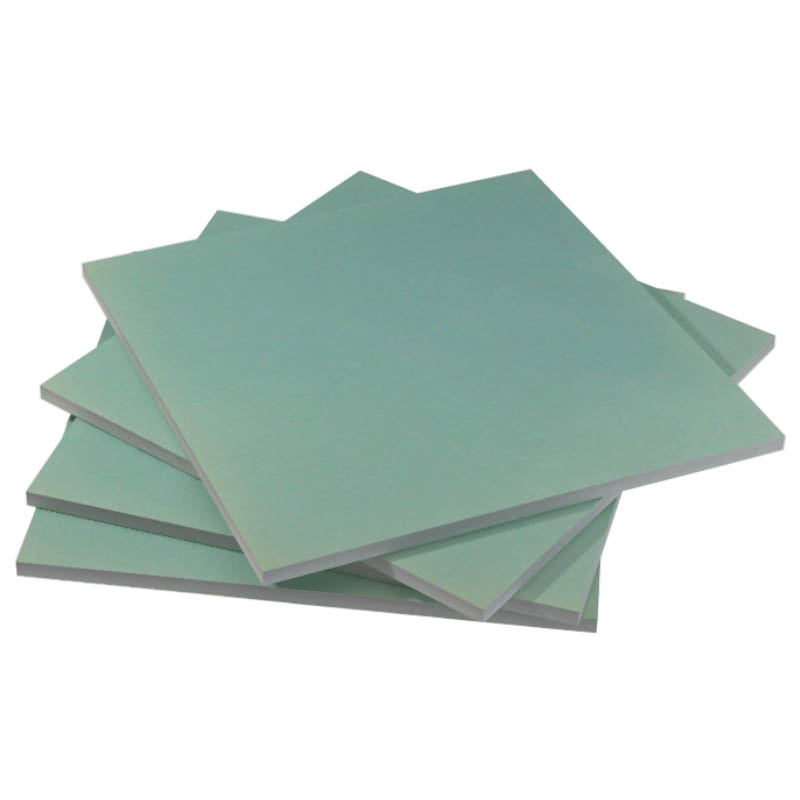
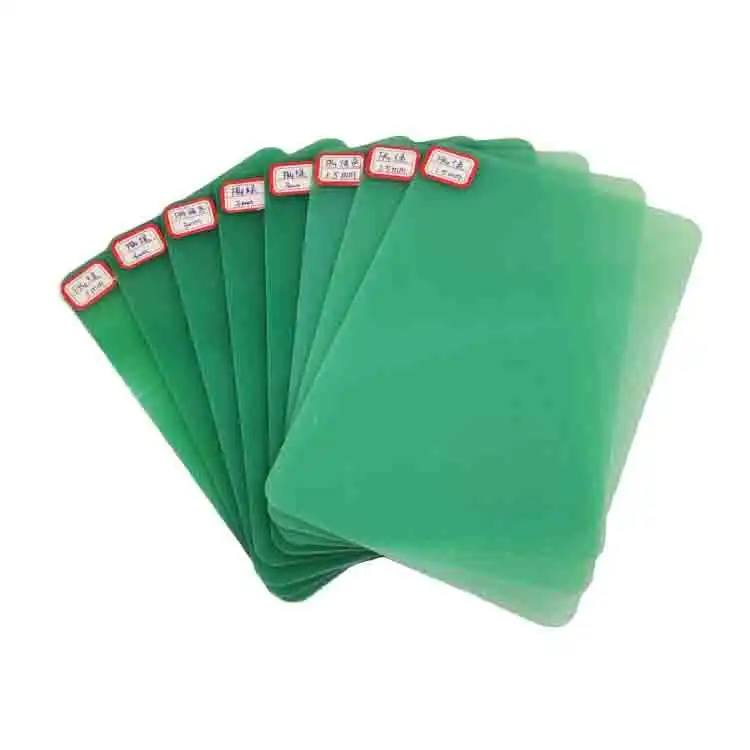
Insulation for electrical systems does more than just stop current flow. These materials need to keep their qualities over a wide range of temperatures, not break down chemically, and be stable mechanically. New materials, like Electrical Insulation Epoxy Plastic 3240 Sheet, show how modern engineering can meet many performance needs at once. They have excellent insulating properties and are strong enough for tough industrial uses.
Essential Properties for Industrial Applications
Industrial electrical insulation materials need to meet a lot of different performance requirements at the same time. The dielectric constant tells us how the material reacts to electric fields and is based on its electrical features. Low dielectric loss factors make sure that energy is lost as little as possible, and high volume resistivity stops current leakage lines that could make the system less safe.
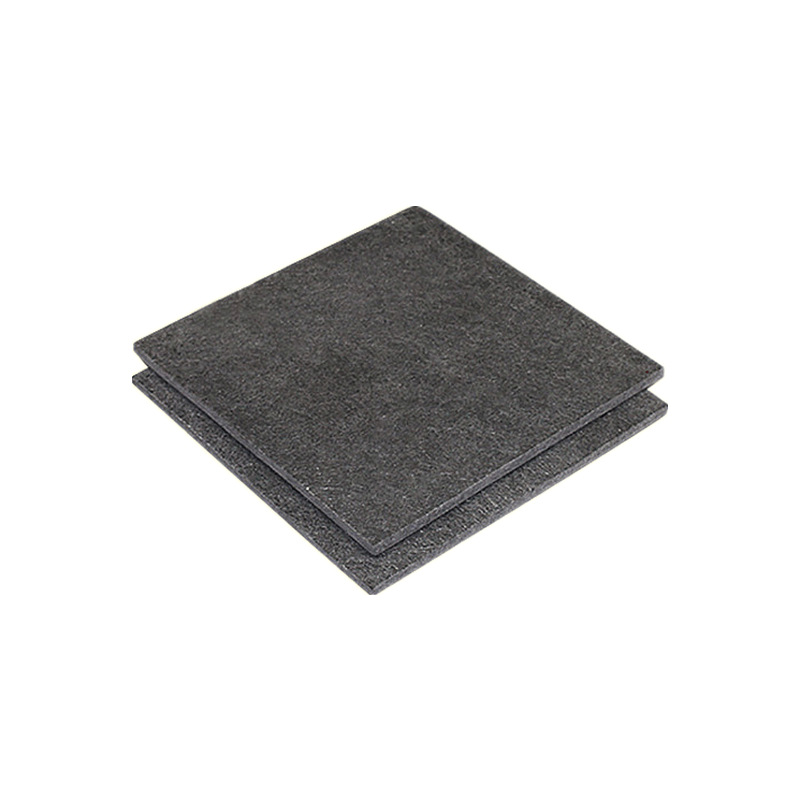
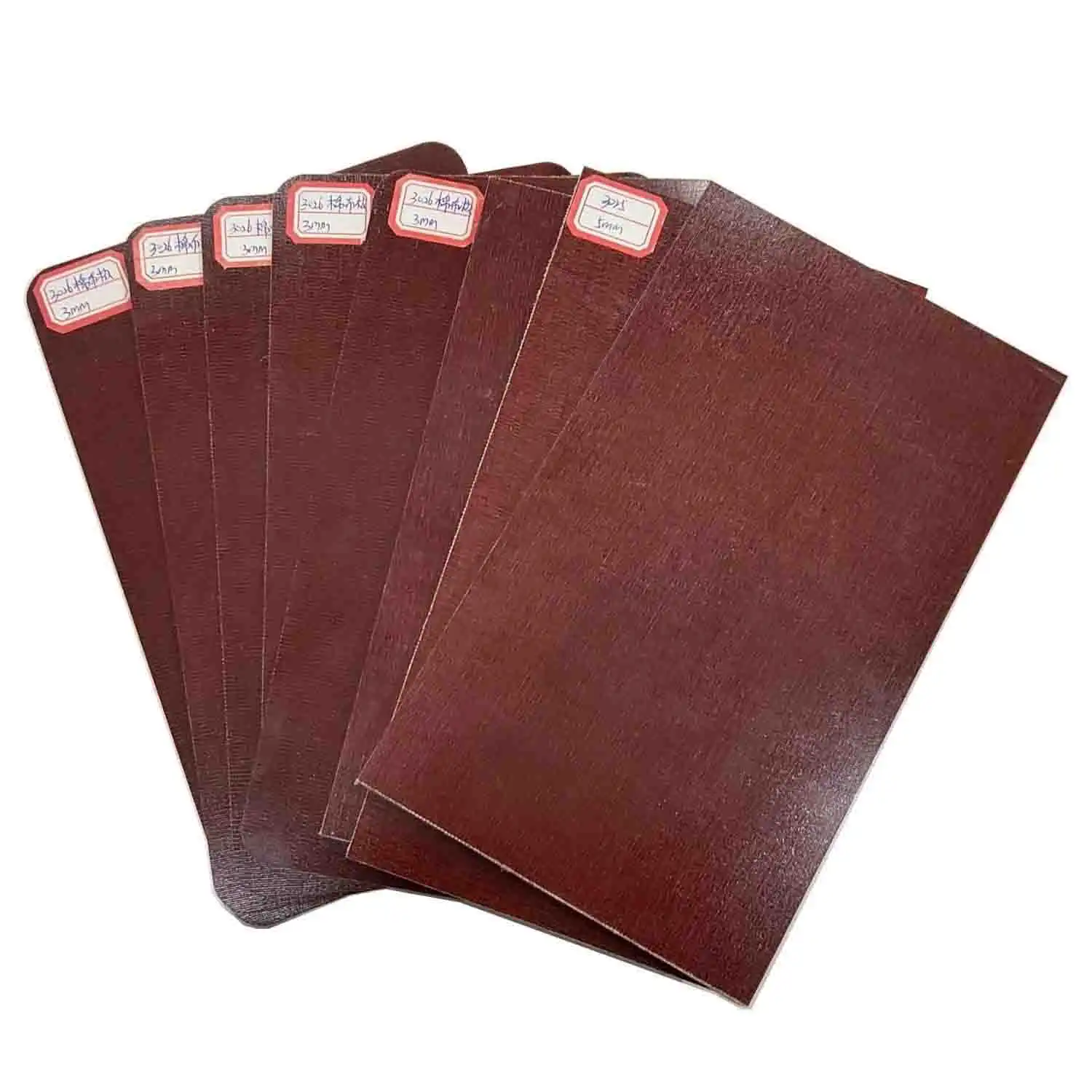
In business settings, thermal properties are just as important. Safe working ranges are set by temperature ratings. Materials are rated from Class A (105°C) to specialized high-temperature grades that go over 200°C. The thermal conductivity of a material affects how quickly it loses heat, and the thermal expansion coefficients decide how stable its dimensions are when the temperature changes. Electrical Insulation Phenolic Resin Cotton Fabric is a great material for situations that need both thermal stability and mechanical strength.
Long-term dependability under practical stresses is based on mechanical properties. How materials react to physical forces is shown by their tensile strength, flexural stiffness, and impact resistance. Chemical resistance keeps things from breaking down when they come in contact with oils, solvents, and natural pollutants. Surface qualities affect tracking resistance and the buildup of contaminants. This is especially important in harsh industrial or outdoor settings where it is hard to keep the insulation's integrity.
How Electrical Insulation Works in Practice
Electrical insulation works by stopping the flow of electricity through a number of physical processes that work together. The main barrier effect comes from the way the material's electronic bands are structured. The valence and conduction bands are separated by a big energy gap. Under normal operating voltages, this gap keeps electrons from getting enough energy to become mobile charge carriers.
In real-world situations, surface affects are very important. Getting dirty, wet, or old can make electrical paths along the surfaces of insulators, which can cause tracking and flashover. Through special mixtures and surface treatments, high-quality materials keep their surfaces from wearing down. In switchgear applications, where ionization and carbon deposits can slowly hurt insulator performance, the tracking resistance becomes very important.
Environmental factors have a big effect on how well shielding works. Surface conductivity goes up when it's humid, and both bulk and surface qualities change when the temperature changes. UV light can break down polymer chains, which makes them less strong and less effective in electrical applications. Knowing how these things work together helps engineers choose the right materials and come up with ways to protect them. In the real world, performance often rests on how well the properties of the material and the safety measures used in the application work together. This is why thorough evaluation is so important for making sure the system works properly.

Comprehensive Classification System for Electrical Insulation Materials
Classification by Chemical Composition
Because they are flexible and easy to work with, organic electrical insulation materials are used most often in industry. Polymer-based materials, such as thermoplastics like PVC and polyethylene, are flexible and don't react with chemicals, which makes them good for cable uses. Epoxy resins and other thermosetting materials work better at high temperatures and keep their shape better, which makes them perfect for structural uses. Because they are reliable and cheap, paper-based materials that are often impregnated with oil are still used in transformer uses.
Inorganic elements are very stable chemically and at high temperatures. Ceramic insulators work great for high-voltage outdoor uses because they can handle harsh weather and pollution. Glass materials have great surface qualities and are resistant to UV light. Products made from mica, on the other hand, work well at high temperatures and are flexible mechanically. A lot of the time, these materials are used in specific situations where biological materials can't do the job.
Composite materials, which combine organic and inorganic parts to improve their qualities, are the cutting edge of insulation technology. Electrical Insulation Epoxy Plastic 3240 Sheet and other glass fiber-reinforced epoxy systems are very good at both electrical qualities and mechanical strength. Phenolic cotton laminates combine the electrical benefits of phenolic resins with the toughness of cotton cloth reinforcement to make materials that can handle mechanical stress while still being electrically isolated.
Classification by Physical Form and Structure
Solid insulation materials are the most general type. They come in sheets, rods, tubes, and parts that are custom made. Sheet materials can be used to make seals, barriers, and structural parts by either milling or punching them. Rod and tube shapes make it easier to make mounting tools, bushings, and spacers. Molded parts have complicated shapes that are best for certain uses. This makes assembly easier and increases reliability.
In transformers, capacitors, and switchgear, liquid insulation devices play very important roles. Mineral oils are great at transferring heat while keeping their dielectric strength, but synthetic options are becoming more popular because they are better for the environment. Biodegradable oils meet environmental needs, while silicone fluids work better at high temperatures. Most of the time, these liquids are used with solid materials to make mixed insulation systems that are best for certain uses.
Gaseous insulation is used in high-voltage equipment that needs to be small because of limited room. Air is still the most common gaseous insulator, but sulfur hexafluoride (SF6) is better for small switches because it has higher dielectric strength. Environmental laws are pushing more and more research into other gases that are less likely to cause global warming. Depending on the needs of the application, you can choose between flexible and stiff insulation. Flexible materials allow for movement, while rigid materials support structures.
Temperature-Based Classification System
The temperature classification method gives a standard way to choose materials based on their thermal needs. Class A materials (105°C) are good for general-purpose uses where they will be exposed to moderate temperatures, like small motors and home tools. Class B materials (130°C) can handle more heat stress and are good for industrial motors and generators that have better cooling systems.
Modern electrical tools must have Class F insulation (155°C), which is the best compromise between performance and cost. Electrical Insulation Epoxy Plastic 3240 Sheet and other materials often go above and beyond this grade, keeping their structure intact even when they are used at high temperatures for long periods of time. Class H materials (180°C) are used in demanding situations like aircraft systems and high-performance industrial equipment that can't be cooled well because of limited room.
Specialty high-temperature materials that can handle temperatures above 200°C are used in aircraft, automotive, and certain industrial processes. These materials usually have advanced polymer chemistry or ceramic parts, which is why they cost a lot but provide the best heat performance. The right temperature classification makes sure there are enough safety gaps while avoiding over-specification, which raises costs for no reason.
Electrical Insulation Material Types and Industrial Applications
Polymer-Based Insulation Materials
Polymer-based insulation materials are the building blocks of modern electrical systems because they are easy to work with and perform reliably. Polyethylene is the best material for cable applications and wire insulation because it has great dielectric qualities and doesn't absorb water. Because it is chemically inert, it stays stable for a long time in buried and underwater uses. Its low dielectric constant and loss factor also make sure that signal distortion is kept to a minimum.
High-performance plastics are used as electrical insulation material in tough situations where regular materials can't do the job. PTFE is the best at resisting chemicals and staying stable at high temperatures, but because it is so expensive, it can only be used in very important situations. PEEK is used in aerospace and medical devices because it has good mechanical qualities and doesn't react with chemicals. Because PEI is clear and works well at high temperatures, it lets you see what's inside electrical parts while keeping the insulation's structure.
Polymer materials are good for making a lot of things because they are easy to work with. When you use injection molding, you can make complex shapes with very tight tolerances. When you use extrusion, you can make continuous profiles for cable and wire uses. By adding ingredients, properties can be changed to meet specific needs, like making something less likely to catch fire or resistant to UV light. Polymer materials are the best choice for many electrical insulation jobs because they are easy to work with, have uniform quality, and have properties that can be predicted.
Ceramic and Glass Insulation Solutions
Ceramic insulation materials work great in harsh environments where organic materials would not be able to live. Most high-voltage transmission lines use porcelain insulators, which work reliably even in bad weather and when they are exposed to dirt. The crystalline structure keeps the surface qualities even after decades of use and doesn't allow it to track. Modern porcelain formulations improve the ratio of strength to weight while keeping the great electrical properties.
Technical ceramics are used in specific situations that need careful control over their properties. Alumina is a great material for making electronic parts because it has good dielectric strength and mechanical qualities. When used in high-temperature environments, silicon nitride is very resistant to thermal shock, and zirconia is very tough when used in mechanical stress uses. These materials often need special processing methods, but they work better than anything else in important situations.
Glass-based materials have great surface qualities and can be processed in a lot of different ways. Borosilicate glass is good for high-voltage joints and lab equipment because it doesn't expand or contract much when it gets hot or cold. Glass-ceramic materials have high strength and controlled thermal expansion, making them useful for uses that need to keep their shape across a wide range of temperatures. Fiber-reinforced glass systems improve the mechanical qualities of glass while keeping its chemical resistance and surface properties.
Natural and Traditional Insulation Materials
Even though synthetic replacements are available, mica-based materials are still used for important tasks. Muscovite mica is very resistant to changes in temperature and is very flexible, which makes it perfect for use as insulation in motors where temperature changes happen. Phlogopite mica has excellent mechanical and machinability qualities, making it a good choice for high-temperature gaskets and supports for heating elements. Built-up mica goods are made by mixing natural mica with man-made binders to make materials that work best in certain situations.
Paper-based shielding is still commonly used in transformers because it works well and doesn't cost much. When oil is soaked into Kraft paper, it has great dielectric qualities, and pressboard is strong enough for structural uses. The structure made of cellulose fibers lets oil flow while keeping electricity from getting through. This makes an insulation and cooling system that works together. Quality control makes sure that the mechanical properties and moisture level stay the same, which is important for the transformer to work reliably.
A lot of the time, traditional materials have unique mixtures of properties that are hard to get with synthetic materials. Natural rubber is flexible and strong enough for wire applications, while shellac sticks well and doesn't get wet for winding applications. These materials need to be carefully processed and inspected for quality, but they have been used for a long time in situations where change would be very risky.
Specialized High-Performance Materials
New materials push the limits of how well electrical insulation works, filling in the gaps left by older materials in situations where they fail. Aramid papers and films have great mechanical qualities and can handle high temperatures. They also have a high dielectric strength. Nomex paper is used as insulation in high-performance motors and transformers that need thin, strong materials because of limited room. The honeycomb structure is very strong for its weight, making it perfect for use in aircraft.
Silicone-based materials have special properties that make them useful in uses that change temperatures. Silicone rubbers are very flexible even at very high or very low temperatures, and they also have great electrical qualities. Liquid silicone resins can fill complex structures, making hybrid systems that work best for certain tasks. Silicone materials are good for building and transportation because they don't catch fire easily and aren't harmful to humans.
Nano-enhanced materials are the newest and best way to insulate. They use tiny fillers to get properties that have never been seen before. Nano-silica fillers make the mechanical and tracking resistance better without changing the electrical qualities much. Adding carbon nanotubes can control the conductivity of an electrical charge while keeping the bulk insulation qualities. These materials need to be carefully processed and characterized, but they could lead to huge changes in performance.
Selection Criteria and Performance Comparison
Electrical Performance Parameters
The basic performance measure for electrical insulation materials is dielectric strength, which tells you how much voltage a material can handle before it breaks down. Standardized methods, like ASTM D149, are used in testing protocols to make sure that evaluations are the same for all materials and suppliers. Engineers need to think about both the short-term strength of a material and its long-term voltage durability, since materials can break down over time when they are constantly exposed to electricity.
Measurements of volume resistivity and surface resistivity show how hard it is for current to move through and across a material. These features have a direct effect on electrical system energy loss and leaking current. Temperature, humidity, and contamination all have a big effect on resistivity values, so it's important to think carefully about the working conditions when choosing a material. Good materials keep their high resistance over the whole range of their intended use.
How things react to changing electric fields is based on their dielectric constant and loss factor. Low dissipation factors and low dielectric constants both help keep energy losses and heating to a minimum in high-frequency uses. In communication and power electronics systems, where efficiency and signal integrity are very important, these qualities become very important. Electrical Insulation Epoxy Plastic 3240 Sheet is an example of an advanced material that makes these qualities work better for tough industrial uses.
Environmental and Operating Conditions
Temperature performance includes both requirements for steady state and requirements for temperature cycling. The materials must keep their properties over the given temperature range while also being able to handle the pressures of thermal expansion. For polymers, the glass transition temperatures set the upper limits. For ceramics, the crystalline melting points determine how well they work. For predicting a material's lifetime, thermal age tests check how well its properties hold up over time when it is exposed to high temperatures for a long time.
Insulation materials' electrical and mechanical properties are both changed by how well they prevent moisture. Absorption of water raises dielectric losses and lowers breakdown strength. It may also lead to changes in size and mechanical breakdown. Hydrophobic materials don't absorb water naturally, while hydrophilic materials need to be treated or equipped with protection systems to keep water out. Material choice is often paired with environmental sealing and drainage design to ensure consistent performance.
Chemical compatibility makes sure that materials keep their qualities when they come in contact with oils, solvents, and cleaning products that are common in factories. Compatibility testing looks at how properties change when they are exposed to certain chemicals in a controlled setting. When used outside or in places where fluorescent lighting breaks down materials, UV protection is important. Accelerated aging tests in UV chambers give information that can be used to guess how something will work in the long run when exposed to light.
Mechanical and Processing Requirements
The way materials react to installation stresses and operating loads is based on their mechanical properties. The material's ability to resist pulling forces without breaking is shown by its tensile strength and stretch. When something needs to hold weight, its compression strength is important. When it needs to bend, its flexural qualities are what matter. Impact resistance affects how long something can be handled and how well it can handle mechanical shock.
Manufacturing compatibility affects the choice of material based on the processing options that are offered. Thermoformable materials can be hot-formed into complicated forms, and machinable materials can be precisely made with regular cutting tools. How things are put together depends on how well they bond. For example, some materials need special glues or mechanical fixing. Surface treatments can help things stick together better or give them extra protection.
Long-term dependability includes things like resistance to fatigue, creep, and external stress cracking. Even if they are loaded and unloaded many times, materials must keep their shape and mechanical traits throughout their service life. Accelerated testing methods look at these traits in a lab setting that is well-controlled, but there needs to be more proof that they are related to performance in the field. Preventive maintenance plans are often used with the right materials to make sure that the system keeps working well.
Cost-Benefit Analysis Framework
The initial cost of materials is only one part of the total costs of ownership. Higher prices are usually worth it for the better performance, longer service life, and lower upkeep needs of premium materials. Volume price effects can have a big effect on the economics of a project, especially for big installations or when using the same types of materials for many different uses.
Performance-to-price rates make it easy to compare different materials in a structured way. This study compares the costs of materials to important performance measures like dielectric strength, temperature rating, and mechanical properties. How much different qualities are valued depends on the needs of the application. For example, safety-critical applications often need premium materials, even if they are more expensive.
Lifecycle cost analysis looks at how much it costs to build, maintain, and replace equipment over the course of its useful life. Materials that need to be installed in a certain way or that need to be replaced often may end up costing more, even if they were cheaper at first. Failure effects must also be thought about, since unplanned downtime costs more than the material saves that come from choosing lower-grade options. A thorough economic study makes sure that the best materials are chosen by taking into account all of the cost factors that matter.
Conclusion
Electrical insulation materials are the most important part of making sure that electrical systems in all kinds of industries are safe and effective. The complete classification system includes advanced composites, inorganic ceramics, and organic polymers, all of which are designed to meet specific performance needs. Knowing the properties of a material, the standards for testing it, and what it needs to be used for helps you make smart purchasing choices that balance performance, dependability, and cost. Electrical Insulation Epoxy Plastic 3240 Sheet and Electrical Insulation Phenolic Resin Cotton Fabric are examples of new materials that show how improved engineering can make solutions that meet many performance requirements at the same time. To choose the right material, you need to carefully look at its electrical, thermal, and mechanical properties, as well as its processing needs and the circumstances it will be used in. Quality assurance standards and methods for qualifying suppliers make sure that materials work the same way every time and are reliable over time.
FAQ
What is the difference between electrical insulation and thermal insulation materials?
Electrical insulation materials primarily prevent current flow and maintain electrical isolation, while thermal insulation materials control heat transfer. Electrical insulators require high resistivity and dielectric strength, whereas thermal insulators need low thermal conductivity. Many materials provide both properties, but optimization typically focuses on the primary function. Applications often require materials balancing both electrical and thermal performance requirements.
How do I determine the correct temperature rating for my specific application?
Temperature rating selection requires analyzing maximum operating temperatures, safety margins, and thermal cycling conditions. IEC and IEEE standards provide classification systems from Class A (105°C) to specialized high-temperature grades. Engineers should consider ambient temperature, internal heating, cooling system effectiveness, and required safety factors. Thermal modeling and field measurements often supplement manufacturer ratings to ensure adequate performance margins.
What are the key factors to consider when sourcing electrical insulation materials from international suppliers?
International sourcing requires evaluation of quality standards, certification requirements, shipping logistics, and supply chain stability. Material certifications must meet local regulatory requirements, while quality systems should align with industry standards. Currency fluctuations, lead times, and communication challenges require careful management. Supplier qualification should include financial stability assessment and quality system auditing to ensure reliable long-term supply.
Partner with J&Q for Your Electrical Insulation Material Requirements
J&Q stands as your trusted electrical insulation material supplier with over 20 years of manufacturing experience and a decade of international trade expertise. Our comprehensive product portfolio includes high-performance materials such as Electrical Insulation Epoxy Plastic 3240 Sheet and Electrical Insulation Phenolic Resin Cotton Fabric, engineered to meet demanding industrial applications. Through strategic partnerships with domestic and international trading companies, we deliver consistent quality and reliable supply chains that support your production schedules. Our integrated logistics company provides one-stop service from material selection through delivery, streamlining your procurement process while ensuring optimal performance and compliance. Contact our technical team at info@jhd-material.com to discuss your specific requirements and discover how our expertise can enhance your electrical system reliability and operational efficiency.
References
Institute of Electrical and Electronics Engineers. "IEEE Std 98-2002: IEEE Standard for the Preparation of Test Procedures for the Thermal Evaluation of Solid Electrical Insulating Materials." IEEE Standards Association, 2002.
International Electrotechnical Commission. "IEC 60085: Electrical Insulation - Thermal Evaluation and Designation." International Electrotechnical Commission, 2007.
ASTM International. "ASTM D149-09: Standard Test Method for Dielectric Breakdown Voltage and Dielectric Strength of Solid Electrical Insulating Materials at Commercial Power Frequencies." ASTM International, 2013.
Fothergill, John C. "Electrical Degradation and Breakdown in Polymers." Institution of Engineering and Technology, 2018.
National Electrical Manufacturers Association. "NEMA LI-1: Industrial Laminated Thermosetting Products." National Electrical Manufacturers Association, 2019.
Tanaka, Toshikatsu, and Alun Vaughan. "Polymer Nanocomposites for Electrical Insulation: Perspectives and Challenges." IEEE Transactions on Dielectrics and Electrical Insulation, 2020.
_1754967691873.webp)