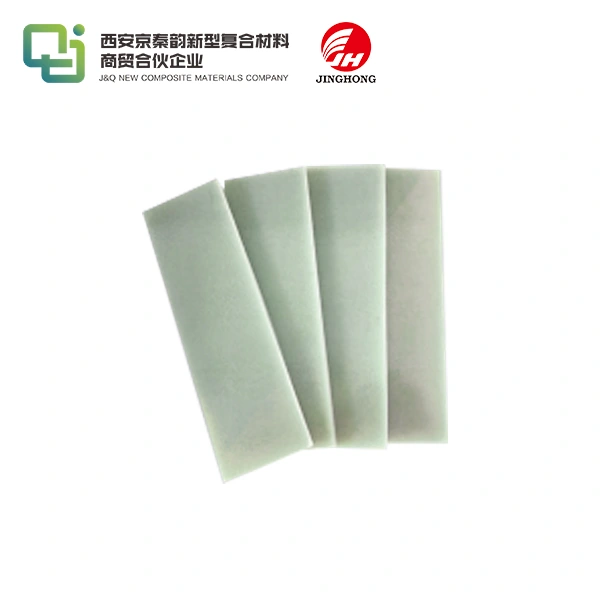
Advanced Insulation Materials & Precision Fabrication for Maximum Generator Uptime
2026-03-27 17:16:10
Advanced insulation material technologies are the key to consistent generator performance and are the foundation of operating success. Modern generators need advanced heat management solutions that go beyond the old ways of doing things. These solutions must include precision-engineered parts that keep the generators running all the time while lowering the cost of upkeep. Using new dielectric materials, heat barriers, and custom manufacturing methods together has changed the way we think about generator reliability, allowing us to reach unheard-of levels of performance stability in harsh industrial settings.
Understanding Advanced Insulation Materials for Generators
Generator systems are under a lot of temperature and electrical stress, so choosing the right materials is very important for their long-term dependability. To make generator insulation work well, you need to know how different materials react to changes in temperature, electrical loads, and mechanical stress over long periods of time.
Thermal Resistance and R-Value Fundamentals
Thermal resistance is a material's ability to stop heat flow, which has a direct effect on how well a generator works and how long its parts last. R-values for modern insulation material solutions can range from R-3 to R-30, based on the needs of the purpose. Higher R-values offer better heat protection, but they need to be weighed against the amount of room available and the way the insulation works electrically.
Generator windings usually work at temperatures between 180°C and 220°C, so they need insulation methods that can keep their structure strong at these temps. When choosing materials for high-voltage uses that can't risk lowering dielectric strength, the link between heat conductivity and electrical performance is very important.
Material Types and Performance Characteristics
As insulation methods have improved, new types of materials have come on the scene, each with its own set of benefits for generators. Knowing about these choices helps engineering teams make smart choices based on the needs of the business.
Fiberglass-based systems are very stable at high temperatures and don't cost much for common engine uses. When tested at different temperatures, these materials always work the same way and keep their good insulating qualities. Modern fiberglass mixes contain flame-retardant chemicals that make the materials safer without lowering their heat performance.
Mineral wool insulation is very good at keeping fires out and blocking noise, which makes it perfect for places where noise is a problem. The material's ability to withstand temperatures above 1000°C gives it a lot of safety margin, which is especially helpful in important power uses where failure would have bad results.
More and more, makers who care about the environment ask for bio-based insulation options that don't hurt the environment and still meet performance standards. The thermal qualities of these materials are about the same as those of standard choices. They also help with green efforts and meeting legal requirements.
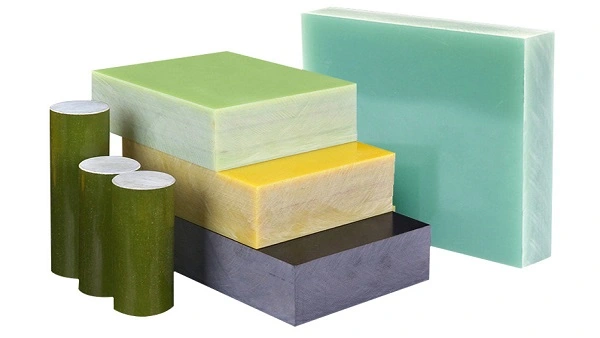
Precision Fabrication Techniques for Optimal Insulation Performance
Choosing the right insulation materials for generator insulation isn't enough; precise manufacturing is also needed to make sure that the system fits correctly, the seals stay intact, and the heat flows through the whole thing. Modern ways of making things solve problems from the past while adding new features that make the whole system more reliable.
Advanced Manufacturing Technologies
Computer-controlled cutting systems make it possible to shape materials precisely, so holes and heat bridges that happen when things are cut by hand are eliminated. These methods keep limits to within ±0.1mm, which makes sure that all units fit the same way and cuts down on installation time and waste.
Automated lamination methods make multi-layer insulation systems that have consistent bond strength and controlled adhesive spread. This method gets rid of the problems of air pockets and delamination that hurt heat efficiency over time. During the whole manufacturing process, quality control tools keep an eye on the bond strength and layer alignment.
Custom Shaping and Assembly Solutions
Generator shapes often need complicated insulation arrangements that can't be made with normal goods. These problems can be solved by custom production services, which use special tools and making methods made for certain uses.
With the ability to shape in three dimensions, insulation parts can fit around curves and complicated shapes without leaving holes or stress points. With these methods, the qualities of the material are kept while exact fit requirements are met, which is not possible with traditional cutting methods.
Insulation modules that are already put together cut down on installation time and make sure that the standard is the same across all installs. These modules have alignment tools and installation tips that help keep mistakes to a minimum and make sure the system works together correctly.
Choosing the Right Insulation Material and Fabricator
To choose the right insulation options, you need to look at a lot of things that affect both the short-term performance and the long-term dependability. Procurement teams have to weigh technical needs against cost concerns while also making sure that the supplier's skills match the needs of the project.
Technical Evaluation Criteria
The standards for thermal performance must match the working conditions of the engine and the features of the surrounding surroundings. Ratings for temperature, numbers for thermal conductivity, and information on how well a material works after being aged are used to choose materials. Materials should have stable qualities across normal temperature ranges, with enough safety gaps for situations where they don't work as expected.
For jobs that have to follow building codes and insurance rules, fire safety certificates are very important. UL approval, ASTM compliance, and foreign approvals show that the product is suitable for certain uses and lower potential concerns.
Electrical qualities like tracking resistance, dielectric strength, and dissipation factor have a direct effect on how well and safely a generator works. These traits must stay the same even when the weather and humidity change, which is standard for the job.
Supplier Capability Assessment
How well suppliers can make things determines whether they can send materials that meet project standards and deadlines. When evaluating, you should look at things like production capacity, quality systems, and expert support skills that are needed to make sure the job is finished successfully.
Quality management systems give people faith that the traits of materials and the way they are made will always be the same. Suppliers who are committed to quality excellence have ISO 9001 approval, statistical process control systems in place, and tracking systems in place.
As projects get bigger and more complicated, the dependability of the supply chain becomes more and more important. Suppliers with a wider range of buying, inventory management, and transportation options are better at managing project risk than those with a narrower supply chain.
Installation Methods and Best Practices for Long-Term Generator Uptime
High-quality insulation material will work as intended for as long as the generator is in use as long as it is installed correctly. Installing materials in a way that damages their purity or performance can cause even the best materials to fail early.
Installation Technique Optimization
To get the right growth and adhesion for spray foam uses, temperature and humidity must be carefully controlled. The climate has an impact on the chemistry and end properties of foam, so it is important to keep an eye on the environment during installation. Preparing the surface properly ensures good bonding, and keeping the area free of dirt stops bonds from failing.
When installing batt insulation, it's important to pay attention to the stress levels and seal any joints to keep the insulation from escaping. When you over-compress, the R-value goes down, and when you under-compress, air holes form that hurt speed. Mechanical fastening systems need to be able to handle temperature growth without causing tears or compression points.
To make sure the link stays strong over time, rigid foam installation needs to be done with great care and the right glue. Methods for closing joints must be able to handle changes in temperature and keep air barriers in place where needed. Edge binding stops wetness from getting in, which can damage materials over time.
Quality Assurance and Inspection Protocols
Installation verification processes make sure that systems put meet the performance and design standards. Thermal imaging studies find problems with the placement and thermal bridges that make the system work less well. These checks should happen right after installation and while the system is being set up.
Monitoring the moisture content makes sure that materials that absorb water reach the right amount of wetness before the system starts up. Too much wetness can lower the electrical strength and help nearby parts corrode. Controlling the environment during the installation and drying stages keeps things in the best possible shape for the material to work.
As part of the documentation needs, there must be material certificates, installation records, and inspection results that back up guarantee claims and show that the rules were followed. Good paperwork also makes it easier to plan for upkeep and decide what upgrades to make in the future.
Future Trends in Generator Insulation and Fabrication Technology
As material science and manufacturing techniques improve, the generator insulation business continues to grow. These changes improve performance while also having less of an effect on the environment. With these changes, there are chances to make systems more reliable and less expensive.
Smart Material Integration
With Internet of Things monitors built into insulation material systems, you can check on their state in real time and plan ahead for maintenance. These sensors keep an eye on levels of temperature, moisture, and shaking that can show when a material is breaking down or there are problems with the system. Data analytics tools use sensor data to guess when repair will be needed and find the best operating conditions.
Self-healing materials are a new type of technology that could change how reliable generator protection is. These materials fix small damage on their own using chemical or physical processes that bring back their original qualities. Even though they are still being worked on, early uses show potential for making maintenance easier and making things last longer.
Sustainable Manufacturing Approaches
Using recycled materials lowers the damage to the environment while keeping the performance needed for generator uses. High amounts of recovered content are possible thanks to advanced recycling methods that don't damage the properties or dependability of the materials. Life cycle review tools help companies make sure that the environmental impact of the materials they make, use, and throw away is as low as possible.
Bio-based polymer systems meet strict performance standards and are a renewable option to materials made from oil. These materials have similar electrical and thermal features to other choices. They also help companies meet their green goals and government rules.
Conclusion
Advanced insulation material technologies and precise fabrication methods are important investments that will improve the dependability and operating efficiency of generators. Combining advanced thermal management solutions with custom manufacturing skills and good fitting methods creates systems that work better when they're up and running and cost less overall. As smart materials and environmentally friendly production methods help technology keep getting better, generators that use these solutions will become more reliable and care for the environment. For success, you need to choose the right materials, work with skilled makers, and follow the right fitting steps to ensure long-term performance excellence.
FAQ
What are the key performance indicators for generator insulation materials?
Some important performance indicators are thermal resistance (R-value), dielectric strength, temperature grade, flame resistance classification, and the ability to keep its shape over a wide range of working temperatures. The materials should keep these qualities for as long as they are supposed to, and they should also be able to work with nearby parts and the surroundings.
How do precision fabrication techniques improve insulation performance?
Precision manufacturing gets rid of holes, makes sure everything fits right, and keeps the insulation system thermally continuous. Computer-controlled cutting, automated lamination, and custom shaping make it possible to make parts that work as planned while cutting down on installation time and mistakes in the field that could affect the stability of the system.
What factors should guide insulation material selection for different generator types?
Some of the things that go into the selection process are the working temperature ranges, voltage levels, environmental conditions, room limitations, and government rules. Different materials may be needed for air-cooled engines versus liquid-cooled systems. Also, outdoor installations need stronger weather protection versus indoor applications.
Partner with J&Q for Superior Generator Insulation Solutions
With more than 20 years of experience, J&Q makes high-quality electrical insulation materials that are designed to work with generators. We have a wide range of products, such as FR4 sheets, 3240 epoxy boards, and special phenolic materials that meet strict UL and ROHS safety guidelines. As a well-known insulation material supplier, we offer full solutions that keep your generator running as long as possible by combining advanced production with dedicated logistics services. Our experienced engineering team helps you with technical issues during the whole process of choosing and implementing, making sure that the best performance for your needs is achieved. Email us at info@jhd-material.com to talk about how our tried-and-true methods can make your machine more reliable and efficient.
References
Institute of Electrical and Electronics Engineers. "Standard for Insulation Coordination within Low-Voltage Power Systems." IEEE Standards Association, 2019.
American Society for Testing and Materials. "Standard Test Methods for Electrical Insulating Materials." ASTM International Technical Committee D09, 2020.
International Electrotechnical Commission. "Thermal Performance of Generator Insulation Systems Under Normal and Emergency Conditions." IEC Technical Report 60034-18-41, 2021.
National Electrical Manufacturers Association. "Guidelines for Generator Insulation Material Selection and Application." NEMA Standards Publication MG 1, 2022.
Power Engineering Society. "Advanced Materials for High-Temperature Generator Applications." IEEE Transactions on Energy Conversion, Volume 37, 2023.
International Association of Electrical Testing. "Predictive Maintenance Strategies for Generator Insulation Systems." IAET Technical Bulletin 2024-03, 2024.
 拷贝.webp)