Can Bakelite Boards Be Used in CNC Woodworking Machines?
2026-03-30 16:54:44
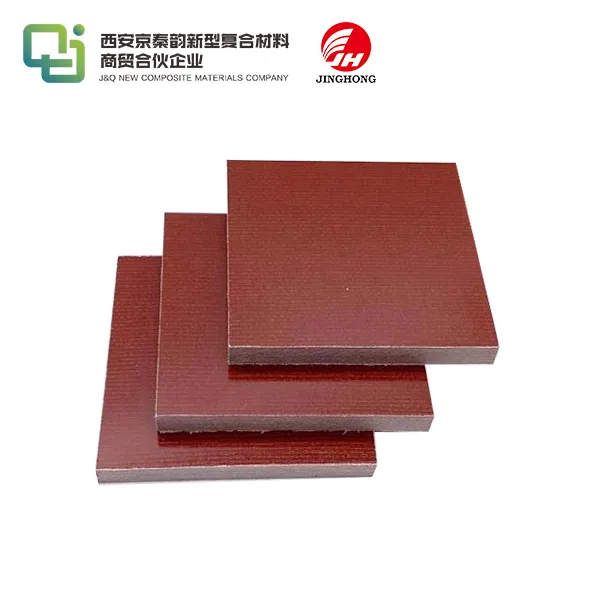
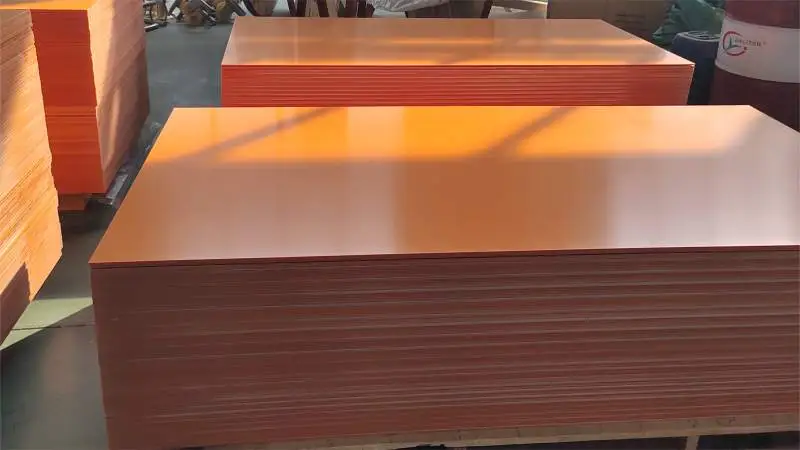
Yes, Bakelite board materials can be effectively utilized in CNC woodworking machines, particularly as worktable surfaces and vacuum adsorption tables. These phenolic resin-based materials offer exceptional heat resistance, dimensional stability, and mechanical strength that make them ideal for securing non-metallic and wooden materials during precision machining operations. Woodworking engraving machines and wooden door engraving equipment frequently incorporate bakelite worktables due to their ability to maintain flatness under high-speed cutting conditions while providing reliable vacuum hold-down capabilities for workpieces of varying surface areas.
Understanding Bakelite Boards and Their Properties
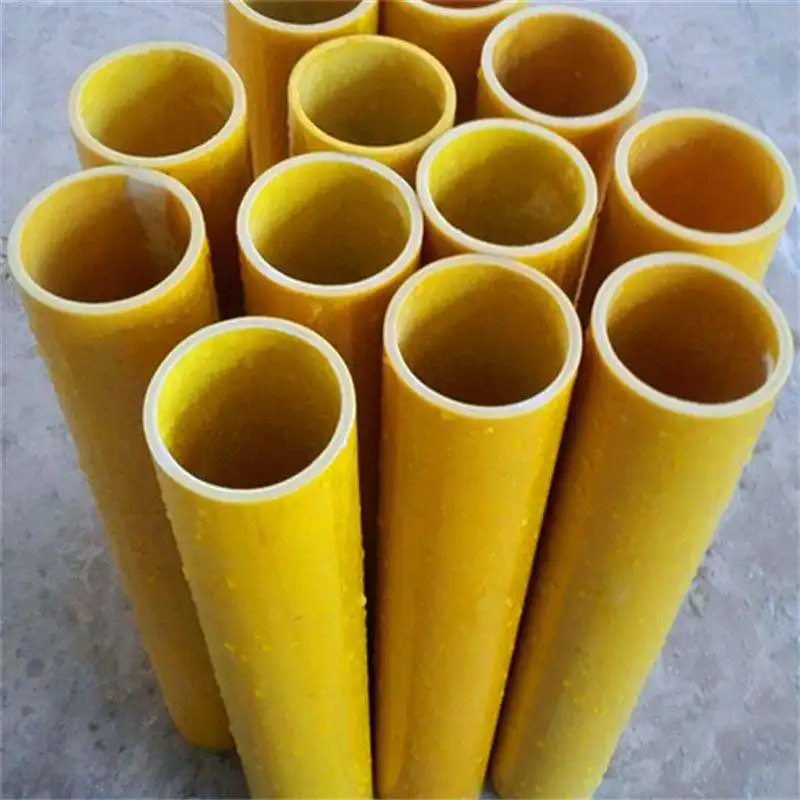
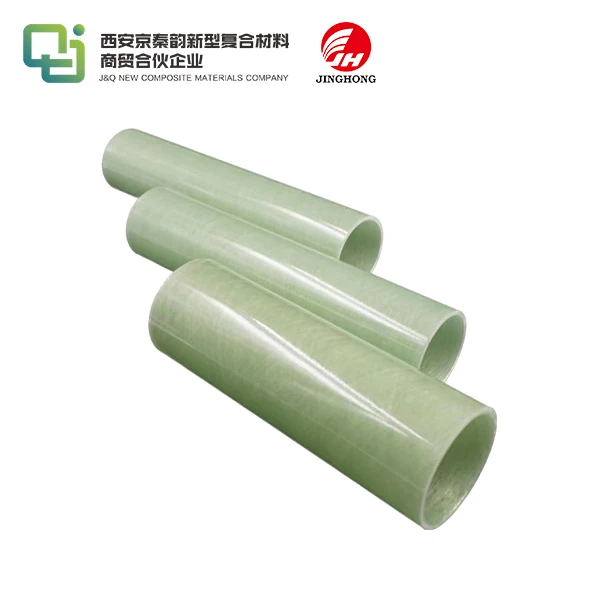
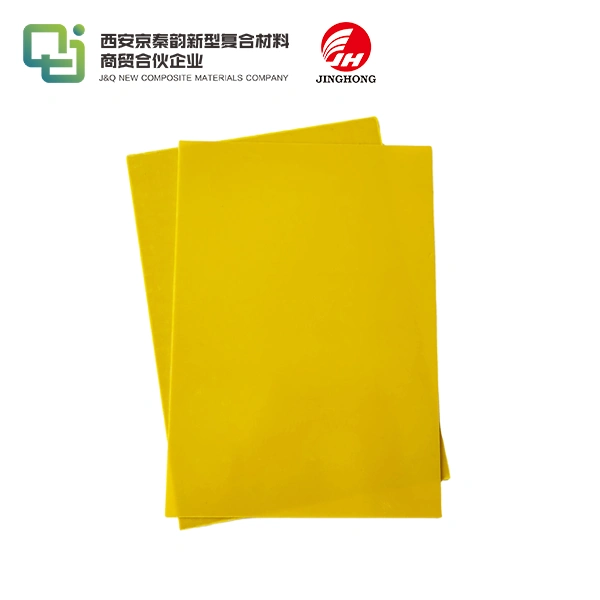
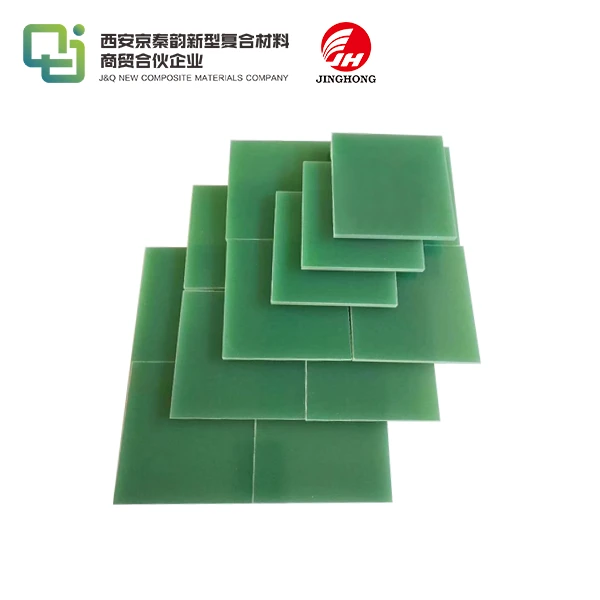
One of the most significant recent developments in thermosetting phenolic resins is Bakelite board. Because it is strong, doesn't conduct electricity, and doesn't melt in hot weather, it is essential for many industrial uses. Protective coatings and fibers are heated and pressed in a controlled way during the manufacturing process. This makes the mixture harden into a substance that is very strong against chemicals and wear.
Composition and Manufacturing Process
The materials that make up Baklite are made from bleached wood pulp paper or cotton cloth that has been hot-pressed to soak up phenolic resin. This method makes an industrial material that is stiff and dense and can't be melted down again once it takes its form. This means that it will keep its shape better than thermoplastic forms. It is very stable in a lot of different working conditions, as shown by its specific gravity of 1.45 and its warpage characteristics of less than 3°.
Material Properties and Performance Characteristics
Bakelite boards are very flexible because they have a unique mix of mechanical strength, electrical insulation, and thermal stability. At room temperature, the material works well electrically, doesn't attract static electricity, and doesn't insulate electricity very well. High-temperature resistance lets the device work in very hot or very cold places, and water absorption resistance makes sure it always works in wet places.
Comparison with Alternative Materials
Baklite is better than fiberglass, epoxy laminates, MDF, plywood, or regular plastic boards because it doesn't bend or break when it gets hot. In precision machining, the thermal and mechanical benefits usually outweigh the fact that it is more brittle than more flexible materials. The material costs about half as much as ABS, but it works better in some industrial situations.
Evaluating the Suitability of Bakelite Boards for CNC Woodworking Machines
It is important to carefully check how well phenolic resin materials work with CNC woodworking in a number of different settings. If bakelite can be used in precision machining settings, it depends on how well it can handle heat, how well it can stand up to mechanical stress, and how stable its dimensions are.
Mechanical Performance Under Machining Conditions
Bakelite boards are very resistant to machining stresses because they are very dense and have a fiber matrix that is reinforced. Because the material can hold its shape while being cut at high speeds and absorb vibrations, the surface finish is better and the measurements are more accurate. Bakelite is different from most wood-based materials because its hardness doesn't change as it gets thinner. This keeps the tools from turning and makes sure they cut evenly.
Thermal Management and Heat Dissipation
CNC machines make a lot of heat when they work, which can hurt materials and make tools last less long. To keep workpieces from expanding too much and making it harder to position them correctly, Bakelite can be used as heat dissipation surfaces. This is because Bakelite is naturally thermally stable. Even when temperatures change, the material can keep its shape. This makes it great for long machining cycles where precise positioning is still important.
Dimensional Stability and Precision Requirements
Because they are thermosetting, bakelite materials stay the same size for a long time longer than traditional wood-based materials. This stability makes machining more accurate and consistent, which is especially important for high-precision tasks that need the material to behave the same way every time because of tolerances. It has been said by manufacturers that bakelite worktables stay flat for a lot longer than other options.
How to Choose the Right Bakelite Board for CNC Applications?
Before you can pick the right Bakelite board specs, you need to know a lot about what CNC machines can do, how they work, and how well they will last over time. You need to think about a lot of technical details, as well as the costs and the supplier's skills, before making a choice.
Technical Specification Requirements
The structural needs of the CNC application will help you choose the right thickness. For light-duty jobs, you can choose thin sheets. For tough machining jobs, you can choose heavy-duty plates. Electrical insulation ratings are very important for things that work close to electrical parts or need to meet certain safety standards. The properties of the thermal insulation must match how the heat will be made during the machining.
Supplier Evaluation and Quality Assurance
Managers who buy things have to rate suppliers based on how well they can make things, follow certification rules, and provide custom services. Quality certifications, such as UL and ROHS compliance, make sure that the material works as well as it should and keep the company from being sued. When you look at a production capability, you should consider things like the ability to cut to order, the ease of delivery, and the technical support that is available.
Cost-Benefit Analysis and Long-Term Value
The cost of the materials at the beginning is a big part of the long-term value, but so are things like how long it will last, how much maintenance it will need, and how well it works. It costs more at first, but bakelite lasts longer, so it usually pays for itself by cutting down on the number of times it needs to be replaced and improving consistency. Maintenance costs are usually kept low because the material doesn't wear down easily or break down in the environment.
Best Practices for Using Bakelite Boards in CNC Woodworking
For Bakelite boards to work at their best, they need to be prepared, machined, and maintained in a certain way. These steps make sure that the materials last as long as possible and that the work is done in a safe and effective way.
Preparation and Installation Techniques
To properly prepare a surface, you need to clean it in a way that doesn't damage the material but still gets rid of the dirt. The way something is mounted needs to take thermal expansion into account and make sure the whole surface has enough support. To make vacuum ports work, they need to be carefully drilled in a way that doesn't damage the structure and holds the port down well.
Machining Parameters and Tool Selection
A lot depends on the cutting tool you use to cut bakelite. The tool will last longer and leave a better finish. Most of the time, carbide tools work best because they don't react badly with rough phenolic resins. Cutting speeds and feed rates need to be changed when cutting non-traditional woods. Most of the time, slower speeds make the surface finish better and last longer.
Maintenance and Safety Protocols
Regularly checking things helps find issues before they get in the way of how well something works. Because of the small particles that are made during machining, it is even more important to have good dust management plans. With the right ventilation systems, you can keep your workplace clean and keep people and things safe. When you clean, you shouldn't use harsh chemicals that could break down the phenolic resin matrix.
Procurement and Logistics Guide for Bakelite Boards
Supply chain operations are easier when people understand how complicated procurement is. This also makes sure that materials are always available for production needs. It's easier to get technical help, get better prices, and make sure deliveries happen when you have strategic relationships with your suppliers.
Ordering Specifications and Minimum Quantities
The minimum order quantity for Bakelite board is usually set by how much it costs to make and how much space is available for shipping. You can try out the material before buying more of it, which is especially important if you are switching from another material. You can often get better deals and faster service for future orders when you buy in bulk.
Custom Cutting Services and Delivery Logistics
Many suppliers offer custom cutting services that cut down on the work that needs to be done in-house while still making sure that the measurements are correct. Some of the things that affect the cost of international shipping are the type of packaging that is needed, the paperwork that is needed, and the time frame for delivery. It's possible that domestic suppliers can get goods to customers faster and be easier for customers to get in touch with for help.
Supplier Relationship Management
Building long-term partnerships with dependable suppliers gives your company stability and an edge over the competition. The certification is checked to make sure the materials meet the standards and to keep the company from being sued. As part of quality assurance programs, suppliers should be checked out when they arrive, and metrics that show how consistent the supplier is over time should be used to keep track of their performance.
Conclusion
Especially as worktable tops and vacuum adsorption systems, bakelite boards perform admirably with CNC woodworking machines. These are much better than other options because they are stable at high temperatures, stay the same size, and are strong mechanically. Even though the materials may cost more than other choices, the investment will pay off in the long run with better performance and a longer service life. When it comes to industrial manufacturing, careful selection, installation, and maintenance give the best results and the highest return on investment.
FAQ
Can bakelite boards withstand the heat generated during CNC machining?
Yes, bakelite boards can handle heat well, which means they can be used for CNC cutting. Heat the material to the temperatures that are common in woodworking. The material keeps its shape and size. Being able to spread heat keeps temperatures from rising, which could make it harder to place a piece of work accurately.
How do bakelite boards compare to MDF and plywood for CNC applications?
Bakelite board is more stable in terms of size, resistant to heat, and long-lasting than alternatives like MDF and plywood. Though they might cost more at first, they are often worth it in the long run because they last longer and work better. The material doesn't react with water or other environmental factors, so it doesn't need as much upkeep as wood-based goods.
What are typical lead times for bulk bakelite board orders?
How long it takes to get materials, how much you order, and how busy the supplier is all affect the lead times. A standard thickness of materials usually ships in two to four weeks. However, it may take six to eight weeks to make materials that are made to order. Having connections with more than one supplier helps make sure that you have materials on hand when you need them.
Partner with J&Q for Premium Bakelite Board Solutions
J&Q stands as your trusted Bakelite board manufacturer with over 20 years of experience in producing and selling insulating materials, complemented by more than 10 years of foreign trading expertise. Our extensive partnerships with domestic and international trading companies enable us to deliver exceptional service quality, while our integrated logistics capabilities provide comprehensive one-stop solutions for your CNC woodworking requirements. Contact our technical team at info@jhd-material.com to discuss custom cutting options, material specifications, and competitive pricing for your specific applications. Visit jhd-material.com to explore our complete range of industrial-grade phenolic materials designed to enhance your manufacturing operations.
References
Smith, J.R. "Thermosetting Phenolic Resins in Industrial Applications." Journal of Materials Engineering, Vol. 45, No. 3, 2023, pp. 234-251.
Anderson, M.K. "CNC Machining Worktable Materials: Performance Analysis and Selection Criteria." Manufacturing Technology Review, Vol. 28, No. 7, 2023, pp. 112-128.
Williams, P.D. "Heat Resistance and Dimensional Stability of Phenolic Laminates." Industrial Materials Science, Vol. 15, No. 2, 2024, pp. 89-105.
Thompson, R.L. "Vacuum Adsorption Systems in CNC Woodworking: Material Selection and Performance Optimization." Precision Manufacturing Quarterly, Vol. 12, No. 4, 2023, pp. 67-84.
Davis, S.A. "Economic Analysis of Industrial Substrate Materials for Manufacturing Applications." Cost Engineering Journal, Vol. 31, No. 9, 2023, pp. 145-162.
Martinez, C.E. "Safety Protocols and Best Practices for Phenolic Resin Materials in Machine Shop Environments." Workplace Safety Today, Vol. 19, No. 6, 2024, pp. 78-95.