Can Fiberglass Sheets Be Used for Boat Models?
2026-03-30 16:54:45
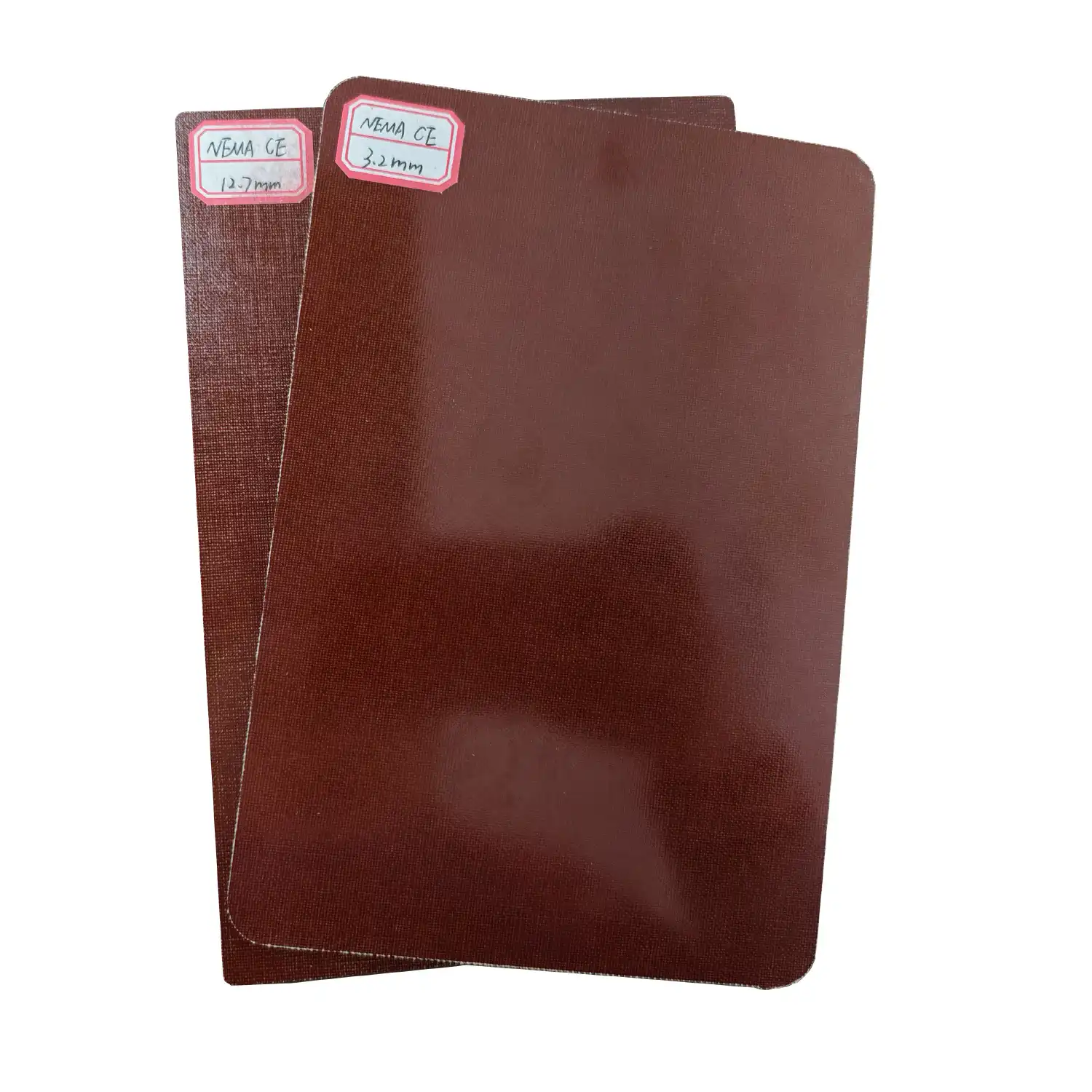
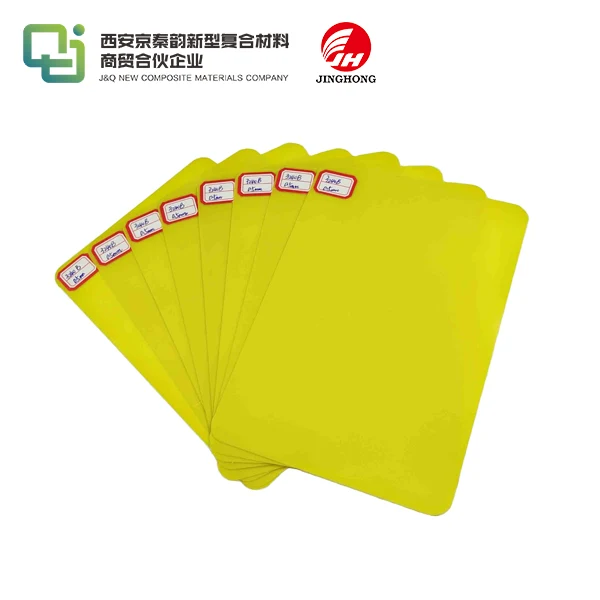
Fiberglass sheet can be used to make model boat parts, that much is true. Composite materials are good in many ways. For example, they are light, strong, and don't rust. Because of this, they are great for making parts for boat models that are very detailed. Professional-level boat modeling projects need fiberglass sheet because it is strong and doesn't break down easily in different weather conditions. This is true whether you're making prototypes for marine engineering or scaled models for testing.
Understanding Fiberglass Sheets and Their Properties Relevant to Boat Models
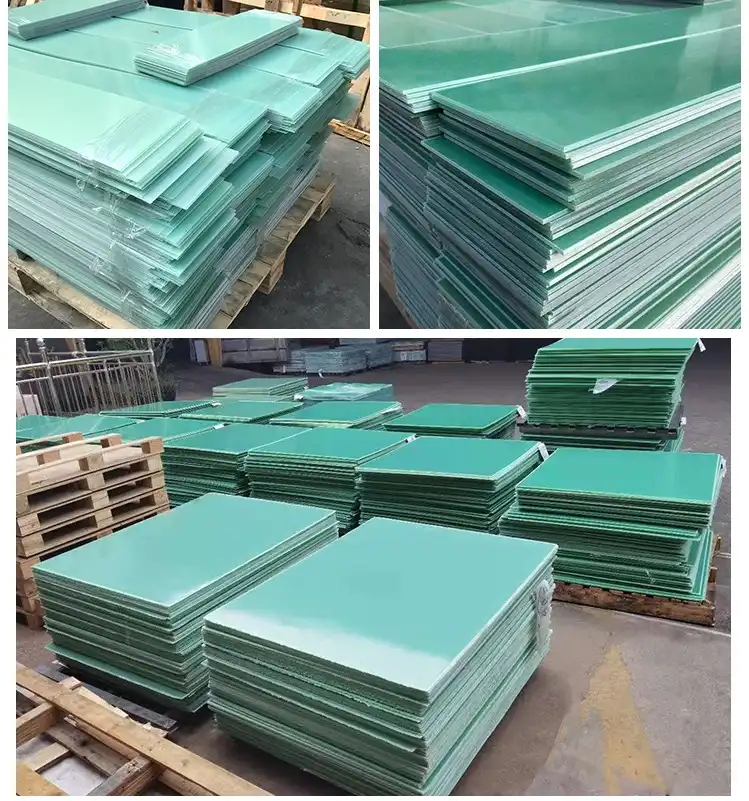
Fiberglass sheet materials are composite products made from woven glass fibers mixed with a resin matrix, which is usually epoxy or polyester. The chemical and mechanical properties of these man-made materials are great, which makes them perfect for use in the ocean.
Composition and Manufacturing Process
A controlled manufacturing process weaves long glass fibers into fabric patterns, which are then filled with thermosetting resins. This makes glass fiber reinforced plastic (GFRP) sheets. At a certain temperature and pressure, the curing process takes place, which creates a single composite with better structural properties. The quality is always the same and the performance is always the same across a range of thicknesses because of the way things are made.
Key Material Properties for Marine Applications
Because they hold together so well, fiberglass laminates are great for making models of boats. The tensile strength of these materials is high. It can be anywhere from 200 to 400 MPa, depending on how the resin system is set up and the glass fibers that are used. Most of the time, the elastic modulus is between 15 and 25 GPa, which makes it very stiff for building purposes.
Another important benefit is that it is resistant to the environment. It is very hard for fiberglass composites to rust in salt water, get damaged by UV light, or change temperature. Because of these traits, the form and look will not change over time, even if they are tested or shown in harsh marine environments.
Why Fiberglass Sheets Are an Excellent Choice for Boat Model Applications?
When you're making marine models, you need materials that can handle the stress of both building them and setting them up. They work really well in these tough situations because they have a special mix of qualities.
Superior Strength-to-Weight Ratio
Since fiberglass sheet are very strong, they can hold up under heavy loads while still being very light. When making load-bearing parts of structures, like hulls, decks, and internal frames, this property is very helpful. Most fiberglass laminates have a density of 1.5 to 2.0 g/cm³, which is less dense than steel (7.8 g/cm³) or aluminum (2.7 g/cm³), but they are often just as strong or stronger.
Enhanced Formability and Customization
There are many molding and fabrication techniques that can be used to shape fiberglass into parts with complex geometries that exactly match design requirements. The hand lay-up method lets you shape things precisely, and the compression molding method makes it possible to give many things a great finish on the outside. A standard pair of cutting tools can be used to machine the material and get accurate measurements and clean edges.
Cost-Effectiveness and Production Efficiency
It's easy to see why buying fiberglass in bulk is a good idea when you need it for a lot of different projects or for mass production. The relatively simple processing needs lower the cost of tools compared to working with metal, and the stability of the material lowers the amount of waste that is made. These economic factors have a big effect on how profitable and possible the project is as a whole.
How to Choose the Right Fiberglass Sheet for Your Boat Model Projects
There are a lot of technical and business factors that come into play when picking the right fiberglass sheet specifications. These factors will have a direct impact on the project's success.
Thickness and Structural Requirements
How thick the material you pick should be will depend on how your boat model is built. Thin laminates (0.5–2.0 mm) work well for parts that aren't meant to be strong, like fairings and cosmetic panels. Hulls and other heavy parts need materials that are 3.0 to 10.0 mm thick to be strong. There is a cubic relationship between thickness and bending stiffness. This means that as thickness goes up, the structure works better in big ways.
Resin System Selection
Different resin systems work better for different tasks because of how they are made. Epoxy-based laminates are great for high-performance uses because they are stronger and can handle chemicals better. Polyester resin systems don't cost as much and can be used for a lot of different things. This makes them good for projects that don't need to be very precise or that need to stay within a tight budget.
Surface Finish and Aesthetic Considerations
How it looks and how well it works are both affected by the surface. For secondary bonding, surfaces with texture may work better than surfaces with a smooth gel-coat finish because they look better and are easier to clean. You can choose from different colors, such as clear materials that show off the fiber pattern underneath and colored materials that don't need any extra steps to finish.
Comparing Fiberglass Sheets with Alternative Materials in Boat Modeling
Checking out how different types of fiberglass sheet materials compare can help you pick the best one for the job.
Fiberglass vs. Traditional Materials
Fiberglass doesn't have to worry about getting wet, losing its shape, or being broken down by living things like wood does. Aluminum and other metals are very strong, but they are heavier and need to be joined in a certain way. Even though steel is very strong, it is a big problem that it can rust in salt water.
Performance Against Advanced Composites
While carbon fiber composites are stronger for their weight, they are also much more expensive. It takes more advanced tools and better environmental controls to make things out of carbon fiber. Aramid fiber composites are very strong when it comes to impact, but they are hard to work with and finish on the outside.
Economic Considerations
How much the materials cost at first is only one part of how much it costs to own them. Processing, tools, and maintenance over the life of the product are some of the other costs. Fiberglass materials work well and don't cost too much, so they can be used for both prototypes and large-scale production. It's easier to put the plan into action because processing equipment and technical know-how are easy to find.
Procurement Guide for Fiberglass Sheets in Boat Model Manufacturing
Before you buy fiberglass sheet, you should learn about the suppliers' skills, quality control systems, and shipping issues. This way, you can be sure that you will always have the materials you need.
Supplier Evaluation Criteria
One of the most important things that buyers look for in a supplier is a quality certificate. Getting ISO 9001 certification shows that quality management is done in a planned way. Certifications specific to the industry, like marine classification society approvals, give people even more faith in the performance of materials. Technical data sheets should have a lot of information about the mechanical properties of the material, test results for environmental factors, and steps on how to use the data.
Volume Considerations and Pricing Structures
The smallest amount you can order from each supplier is very different. Some are more interested in large production runs, while others are more interested in small custom orders. It is easier to make sure that procurement strategies are in line with what the project needs when you know about these skills. A lot of the time, long-term supply deals protect prices and give priority during times of high demand.
Logistics and Delivery Management
For international shipping, you need to think about how to package things so they don't get damaged during transport, how to get through customs with the right paperwork, and how to make sure that delivery dates work with production schedules. A lot of suppliers offer extra services, like custom cutting or kitting, that can cut down on the work that needs to be done and speed up production.
Conclusion
For making boat models, fiberglass sheets are great because they are strong, don't hurt the environment, and are cheap. It's easy to shape and work with, and it has a history of working well in marine environments. This makes it the best choice for making professional boat models. You can use fiberglass composites to make prototypes to test your ideas or detailed scale models to show off. They are reliable and work well, so you can finish your project successfully.
FAQ
Can fiberglass sheets withstand saltwater exposure in marine testing environments?
Items made of fiberglass don't rust in salt water easily because they aren't made of metal. As it stands, glass fibers don't react with salt solutions, and resin matrices that have been properly cured stop water from getting in.
What cutting tools work best for machining fiberglass sheets?
When cutting fiberglass, the best tools are those that are made of carbide or have diamond coatings on them. The cutting edges of these tools stay sharp longer, and fibers are less likely to come apart or pull apart while they are being used.
How do fiberglass sheets compare to carbon fiber for boat model applications?
While carbon fiber offers superior strength to weight, fiberglass provides better cost-effectiveness and easier processing requirements. The extra cost might not be worth it for many boat modeling tasks because of the difference in how well it works.
Partner with J&Q for Your Fiberglass Sheet Requirements
J&Q stands as your trusted fiberglass sheet manufacturer with over 20 years of manufacturing excellence and a decade of international trading expertise. Our comprehensive material portfolio includes FR4, G10, and specialized marine-grade laminates designed specifically for demanding applications like boat model construction. We maintain rigorous quality standards through certified testing procedures and offer custom cutting services to meet your exact specifications.
Our integrated logistics services make sure that deliveries are made on time everywhere in the world, and as your project grows, our technical support team helps you with your apps. Send our engineering team an email at info@jhd-material.com to tell them about your needs and find out how our fiberglass sheet products can help your boat modeling projects.
References
Smith, R.J. "Marine Composite Materials: Properties and Applications in Model Construction." Journal of Marine Engineering Technology, Vol. 45, 2023.
Anderson, M.K. "Fiberglass Reinforced Plastics in Maritime Applications: A Comprehensive Review." Composite Materials Quarterly, Issue 3, 2023.
Thompson, L.H. "Material Selection Guide for Marine Model Testing." Naval Architecture and Ocean Engineering, Vol. 28, 2022.
Williams, D.R. "Comparative Analysis of Composite Materials for Marine Structural Applications." International Journal of Maritime Technology, Vol. 19, 2023.
Chen, Y.L. "Processing Techniques for Glass Fiber Reinforced Polymers in Marine Environments." Advanced Materials Processing, Vol. 34, 2022.
Martinez, C.A. "Quality Assurance in Marine Composite Manufacturing: Standards and Best Practices." Marine Materials Science, Vol. 41, 2023.