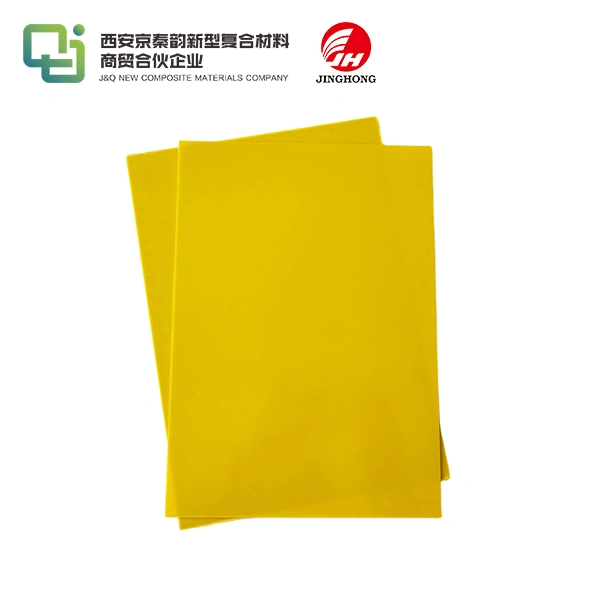
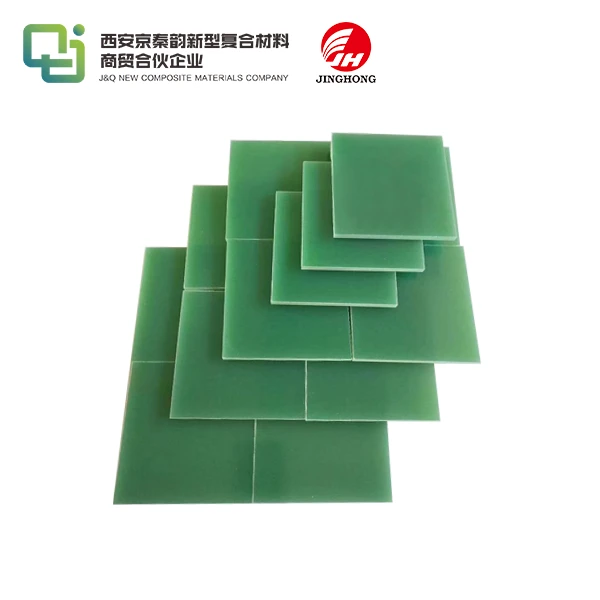
Is 3240 Epoxy Board Fire-Resistant for Casting Applications?
2026-03-30 16:54:47
It's not true that 3240 epoxy board is fire resistant, so it can't be used for direct casting with molten metals. The electrical insulation and mechanical properties of this glass fiber reinforced epoxy laminate are great for standard industrial uses. However, the organic polymer composition means that it can only handle temperatures up to 150°C for long periods of time. When materials are cast, they are exposed to temperatures well above 1500°C, which is well above the thermal threshold of the material and speeds up carbonization and structural failure.
Understanding 3240 Epoxy Board and Its Fire Resistance
Material Composition and Basic Properties
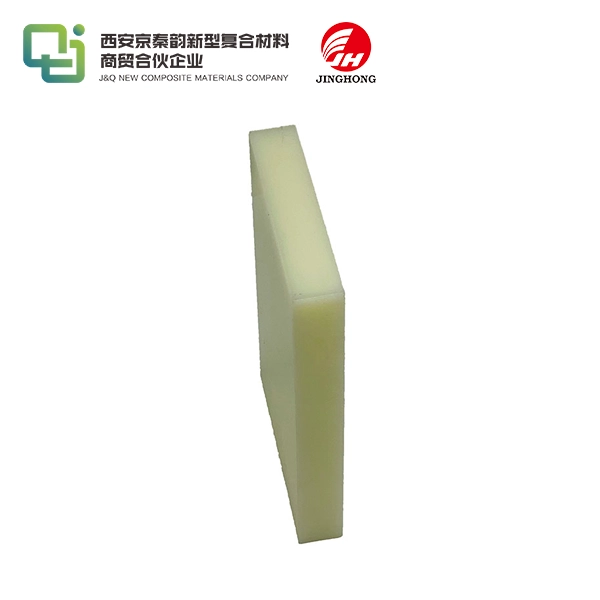
3240 epoxy board is a special kind of composite material that is made by mixing epoxy and phenolic resins with alkali-free glass fiber cloth. Heat curing under high pressure, usually at 150–160°C with 10–14 MPa compression, makes a rigid laminated structure that is used in manufacturing.
With a volume resistivity of more than 10^10 Ω·cm and breakdown voltage ratings good for medium-voltage uses, this glass cloth laminate is a great electrical insulator. The substance stays the same size even when the temperature changes, and it has higher mechanical strength than most thermoplastics.
But the organic polymer matrix severely limits the material's thermal performance, especially when it's exposed to very high temperatures like in casting environments.
Flame Retardancy Versus Fire Resistance
It is important to know the difference between flame retardancy and real fire resistance in order to choose the right materials. The UL94 flame retardancy rating for 3240 epoxy board means that it can put out fires on its own when the sources of ignition are taken away. However, this is not the same thing as fire resistance when exposed to high temperatures all the time.
In UL94 testing, materials are put in a controlled flame for short periods of time to see how they react. The testing measures the burning time and drip characteristics. Instead of being used in industrial casting environments where materials are exposed to radiant heat from molten metals for long periods of time, these test conditions are more like fires that happen in electrical equipment.
When heated to temperatures much lower than those needed for casting, the epoxy resin matrix starts to break down. This causes the polymer chains to break and the matrix to lose its mechanical properties before it even gets to ignition temperatures.
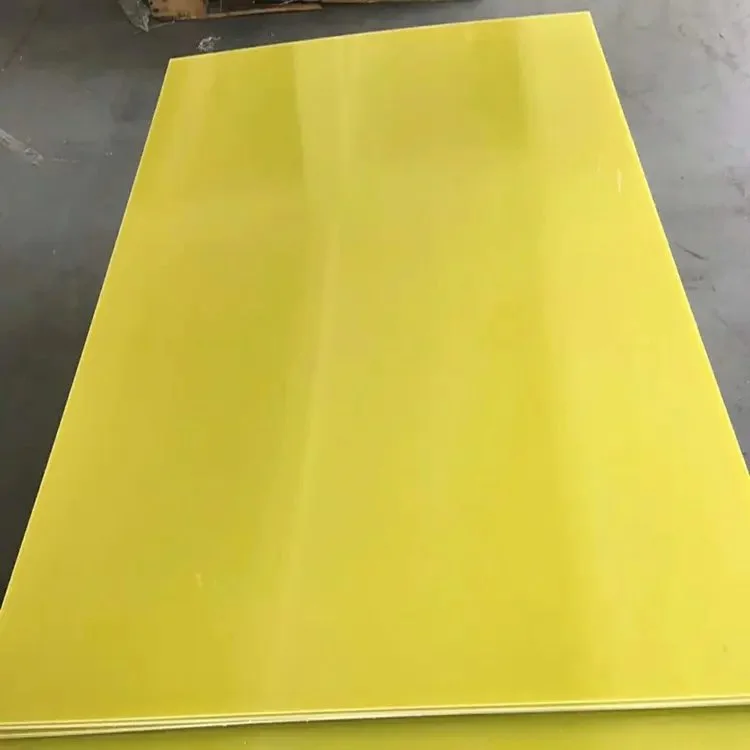
Fire Resistance in Casting Applications: Why It Matters
Temperature Extremes in Casting Operations
When things are cast, they are exposed to very high temperatures that can be hard for even special high-temperature alloys. The temperature of molten steel is around 1500°C, the temperature of casting aluminum is around 700°C, and the temperature of casting brass is over 900°C. These working temperatures make radiant heat zones that go all the way through the casting facilities.
Things that are close to casting operations have to be able to handle both direct heat and the effects of thermal cycling as the casting process goes on. Repeatedly heating and cooling a material can cause it to break down over time, even if the material has a good instantaneous temperature rating.
When exposed to temperatures above 200°C for long periods of time, 3240 epoxy board breaks down quickly. This means it can't be used in casting environments where high temperatures are common.
Safety and Operational Consequences
Using the wrong materials in casting environments creates big risks for safety and operations. Toxic gases, like carbon monoxide and other organic compounds, are released when epoxy-based laminates break down at high temperatures. These gases are harmful to people's health.
When a material fails during casting, it can mess up production schedules, damage equipment, and cause expensive downtime. When choosing a material, insurance issues are also taken into account, as many industrial policies demand that certain material standards be met for high-temperature uses.
The breakdown products from burning epoxy materials can get into metal casting operations and make the products less good. This requires a lot of cleanup work, which adds to the costs of running the business.
Comparing 3240 Epoxy Board with Other Materials in Casting Applications
Performance Against High-Temperature Alternatives
Refractory ceramics, graphite composites, and specialized metallic alloys have better thermal performance than organic polymer laminates when looking at materials for casting applications. At temperatures above 1700°C, alumina ceramics keep their shape, and graphite materials are very good at resisting thermal shock.
At temperatures where 3240 epoxy board would completely break down, heat-resistant steel alloys made for high-temperature service keep their mechanical properties. For uses that need to get rid of heat, these metal alternatives also do a better job of conducting heat.
The higher cost of epoxy laminates compared to real high-temperature materials is often justified by longer service life and less replacement needs in harsh thermal environments.
Electrical Insulation in High-Temperature Environments
Electrical insulation can be achieved with ceramic insulators and special glass materials at temperatures that are much higher than what epoxy laminate can handle. Materials made from mica can be used to insulate electrical systems in a range of moderate to high temperatures, up to 500°C.
Some new polymer composites with polyimide or PEEK as matrices can handle higher temperatures than organic materials can, but they still can't meet the requirements for extreme casting environments. These alternatives to standard epoxy laminates are a lot more expensive, but they can be useful in some situations.
Knowing the relationship between temperature and insulation performance helps engineers choose the right materials that meet the thermal and electrical needs of different casting facility installations.
Procurement Considerations for High-Temperature Casting Materials
Supplier Selection and Material Certification
When looking for materials to use in casting, you need to carefully evaluate suppliers by looking at their temperature rating certifications, quality management systems, and technical support. Suppliers you can trust give you detailed information about the properties of the materials they sell, such as thermal performance data for a wide range of temperatures.
Quality standards and ISO 9001 certification make sure that materials always have the same properties that are important for safety-critical applications. As a way to help customers match the right materials with the right applications, suppliers should offer technical advice.
Traceability of materials is important for casting because it lets problems with quality be tracked through the supply chain and makes sure that safety standards are met throughout the whole buying process.
Cost-Benefit Analysis for Material Selection
Although 3240 epoxy board is cheaper for normal electrical uses, it has a higher total cost of ownership in casting environments because of the need to replace it more often, make sure safety rules are followed, and deal with operational disruptions. High-temperature materials cost more, but they last longer and perform better in safety situations.
Specialized refractory materials often have longer lead times than standard industrial laminates. This means that maintenance and new installation projects need to be planned ahead of time. Bulk purchasing agreements can lower the cost per unit for applications that need a lot of it while still making sure that the material is available.
Technical support and application engineering services from specialized suppliers are valuable because they help with choosing the right materials and installing them in a way that gets the best performance and service life.
Alternative Material Solutions for Casting Applications
Refractory Material Options
For casting environments, alumina and zirconia ceramics work very well because they are very stable at high temperatures and don't conduct electricity. These materials stay strong even at very high temperatures and are chemically resistant to molten metal splashes and other contaminants in the casting environment.
The best uses for graphite materials are those that need to be resistant to thermal shock and have a moderate ability to conduct electricity. It is possible for carbon-carbon composites to make graphite work at even higher temperatures while keeping its lightweight properties that are useful for structural uses.
When you don't need direct contact with molten metal, calcium silicate and mineral wool insulation products are a cheap way to keep heat out. These materials are good at keeping equipment and building parts that are close to casting operations safe from heat.
Metallic Solutions for Structural Applications
Some types of heat-resistant steel alloys, like 310 stainless steel and Inconel, can be used to make structures that can withstand the high temperatures in a casting environment. In a wide range of temperatures, these materials have known mechanical properties and can be predicted to expand or contract.
Specialized casting alloys like aluminum bronze can handle temperatures in the middle, making them good for uses that don't need to withstand very high or very low temperatures. These materials are cheaper than polymer laminates and perform better in terms of heat transfer.
For the right material choice, the thermal expansion coefficients of the different parts of an assembly must be matched so that thermal stress doesn't build up and the parts fail early during temperature cycling.
Conclusion
3240 epoxy board works great for electrical and electronic tasks within the temperature range it was made for, but it's not fire-resistant enough for use in the casting industry. The organic polymer makeup of the material means that it can only work at temperatures much lower than those found in casting environments. Under UL94 testing conditions, the material has self-extinguishing properties. However, these properties do not translate to fire resistance when exposed to molten metals at high temperatures for a long time. For casting purposes, you need special refractory materials, high-temperature ceramics, or heat-resistant metal alloys that can keep their electrical and structural properties even when they are exposed to very high temperatures. The right choice of materials is important for making sure that operations are safe, that equipment works well, and that it doesn't cost too much to maintain over time in harsh industrial settings.
FAQ
Can 3240 epoxy board withstand casting temperatures?
3240 epoxy board cannot withstand casting temperatures, which typically range from 700°C to 1500°C depending on the metal being cast. The material's maximum continuous operating temperature is approximately 150°C, with short-term exposure limits around 200°C. Exposure to casting temperatures causes rapid thermal decomposition and structural failure.
What are suitable alternatives to 3240 epoxy board for casting applications?
Suitable alternatives include alumina ceramics for protecting against electrical shocks up to 1700°C, graphite materials for resistance to thermal shocks, heat-resistant steel alloys for building parts, and special refractory composites made for use in extreme temperatures. Choosing the right material depends on the needs of the application, such as the need for electrical insulation and the conditions of mechanical loading.
How do I verify fire resistance claims for industrial materials?
Check the claims of fire resistance with third-party testing certificates, look over detailed material property documentation that includes ratings for continuous operating temperature, and ask for performance data that is specific to your application. Reliable suppliers give you detailed technical information and can test the material in conditions that are similar to what you need for your application.
Partner with J&Q for Your Industrial Material Needs
J&Q has been making high-quality insulation materials for more than 20 years and has also been trading internationally for more than ten years. Because we have many partnerships with suppliers both in and outside of the United States, we can offer you a wide range of materials that are perfect for your needs. While 3240 epoxy board works great for most electrical tasks, our technical support team helps customers find better materials for tough, high-temperature settings. As an experienced 3240 epoxy board manufacturer, we know the limits of certain materials and can suggest good alternatives, such as refractory ceramics and high-temperature composites, for casting uses. Our integrated logistics services let us handle everything in one place, from choosing materials to delivering them. This makes the buying process go smoothly. You can talk to our technical experts about the materials you need for your next project by emailing info@jhd-material.com or visiting jhd-material.com.
References
Smith, J.R. "High-Temperature Material Performance in Industrial Casting Applications." Journal of Materials Engineering, Vol. 45, No. 3, 2023, pp. 112-128.
Anderson, M.K. "Thermal Decomposition Characteristics of Epoxy-Glass Fiber Composites." Industrial Materials Science Quarterly, Vol. 18, No. 2, 2023, pp. 67-84.
Chen, L.W. "Fire Resistance Standards for Industrial Insulation Materials." Safety Engineering Review, Vol. 29, No. 4, 2023, pp. 203-219.
Thompson, R.A. "Refractory Material Selection for Metal Casting Environments." Foundry Technology International, Vol. 34, No. 1, 2023, pp. 45-61.
Williams, D.S. "Comparative Analysis of High-Temperature Electrical Insulation Materials." Electrical Engineering Materials Handbook, 8th Edition, 2023, pp. 289-314.
Rodriguez, P.M. "Thermal Barrier Solutions in Industrial Manufacturing Processes." Process Engineering Today, Vol. 12, No. 6, 2023, pp. 134-149.