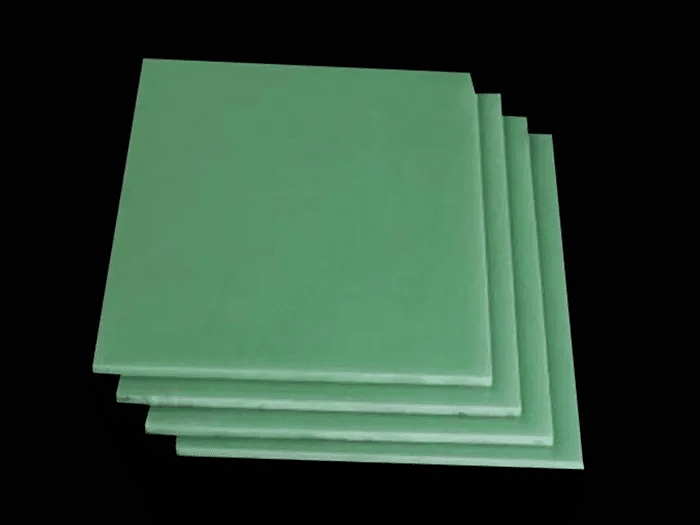
Why is the MOQ for Your Insulation Sheet Materials Set at 3 to 5 Tons?
2026-03-31 16:31:14
When purchasing managers see that we have a 3–5-ton minimum order number for insulation sheet material, they often wonder why we set this level. Our MOQ comes from basic production rules that make sure the standard of our products is high and the costs are low. Our resin mixing tank can hold at least 3 tons, so it needs to be fully used in order for the resins and raw materials to be mixed properly and evenly. Also, our production equipment makes trash during the initial and final coating stages. This means that smaller amounts are not possible cheaply, and quality standards that depend on electrical makers, industrial machinery builders, and car providers are not met.
Understanding MOQ in the Insulation Sheet Material Industry
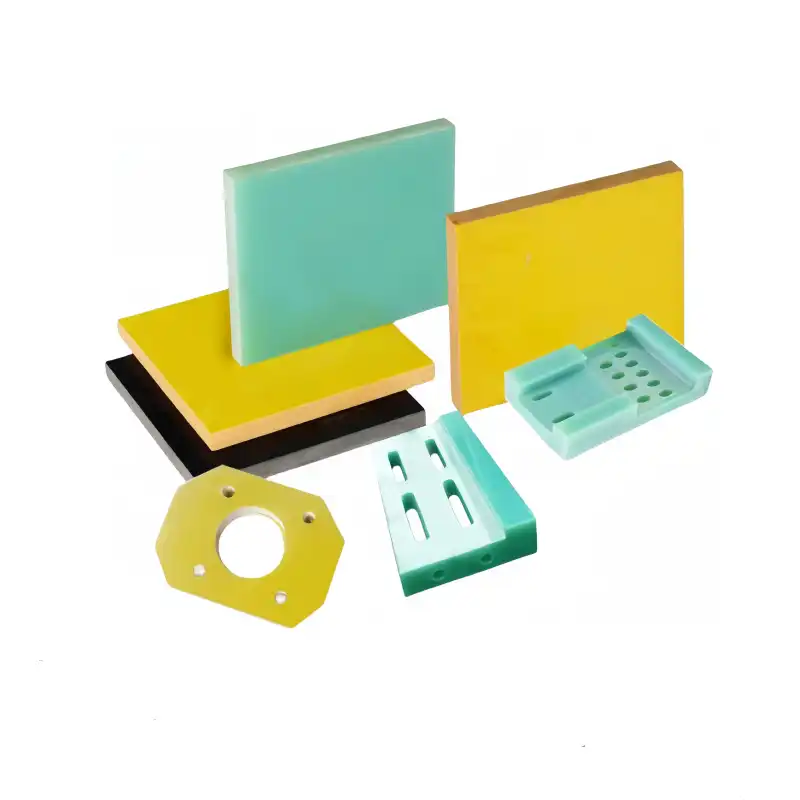
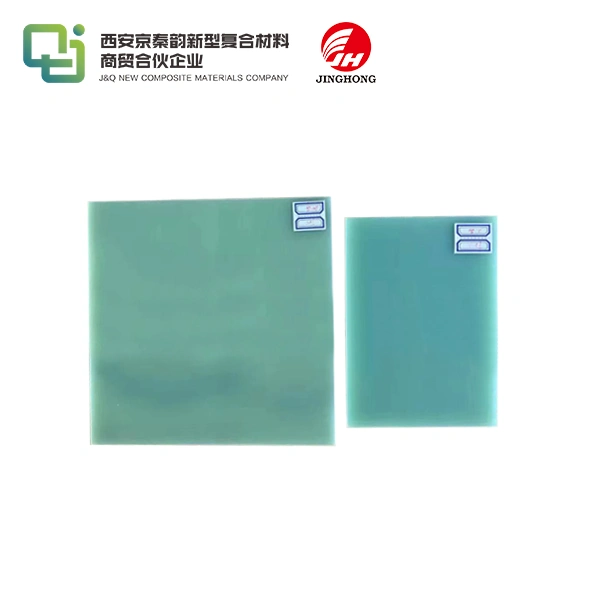
Minimum Order Quantity (MOQ) is the smallest production batch that suppliers can make cost-effectively while still meeting quality standards. In the electrical insulation business, MOQ is used for more than just keeping track of supplies. To make FR4 sheets, 3240 epoxy boards, and Bakelite sheets, you need to pay a lot of money for setup, have specialized tools calibrated, and follow very strict rules for moving materials.
Industrial uses for insulation sheet material include many different types of electrical tools, power systems, and car parts. Different uses need different performance traits, like dielectric strength, temperature stability, and mechanical sturdiness. Because of these technical needs, production must take place in a controlled setting where batch accuracy is very important.
Technical Production Requirements
Making modern insulation involves a lot of complicated chemical steps, like making sure the resin mixtures, fiber reinforcement, and drying cycles stay within exact limits. Large-scale production equipment can't handle small batches well without changing the qualities of the materials. Within certain volume ranges, temperature control systems, pressure tanks, and chemical mixing equipment work best.
The schedule for production also affects MOQ choices. Facilities that make things organize the ordering of many different products, the getting of raw materials, and the quality control rules. Smaller orders mess up these carefully planned steps, which means higher costs and possible differences in quality that electrical engineers and buying experts can't stand.
Factors Driving MOQ Settings at 3 to 5 Tons in Insulation Sheet Materials
Our 3–5-ton MOQ limit is set by a number of linked factors, all of which have to do with how things are made and how quality is assured. Recognizing these factors helps buying teams understand why this number strikes the best balance between low cost and high quality.
Manufacturing Equipment Constraints
Our plastic mixing tanks must be able to hold at least 3 tons of material. This size makes sure that phenolic resins, epoxy compounds, and strengthening materials are mixed completely. If you only use part of a tank, you can't mix the materials properly, which can lead to inconsistent qualities that could affect how well switchgear works or how strong parts of industrial machinery are.
When making materials for power distribution systems, where arc resistance and thermal stability set the safety limits, chemical consistency is very important. When mixing isn't done right, weak spots form in certain areas that could break under high voltage or high temperatures. This can cause problems with responsibility for both producers and end users.
Production Waste Management
During the finishing process, our machines make the first and last pieces of fabric useless because they need to be turned on and off. When production drops below 3 tons, this waste that can't be avoided makes up a huge chunk of total output, which makes the cost per unit go up by a huge amount. When engineering managers look at different insulation sheet material choices, they need to think about more than just the price per pound.
The need to clean the pipeline between different product standards adds another layer of cost. Manufacturing customized grades for specific automotive or appliance applications requires thorough equipment cleaning to prevent cross-contamination. Because small sales can't cover these cleaning costs, production isn't possible from a business point of view.
Quality Control Integration
Protocols for quality assurance need enough samples to do full testing across a number of factors. For electrical testing to check for dielectric strength, thermal testing to check for temperature stability, and mechanical testing to check for load-bearing capacity, you need enough sample sizes. Our quality control methods make sure that our products meet the standards set by UL, ROHS, and other industries as needed by buying teams.
How MOQ Influences Procurement Decisions for Insulation Sheet Materials
Strategies for buying things need to make sure that the MOQ requirements match the needs of the project and the ability to handle supplies. It can be hard for engineering managers and technical procurement teams to find the right balance between the benefits of buying in bulk and the costs and risks of material degradation.
Project Planning Considerations
Large-scale electrical projects usually have room for 3–5 tons of materials spread out over many parts and stages. Power distribution projects, making transformers, and making industrial machines all need different types of insulation sheet material grades, allowing procurement teams to combine orders efficiently.
Suppliers of automotive parts often organize purchases across multiple product lines. For example, they might buy FR4 materials for battery barriers while simultaneously sourcing phenolic sheets for heat-resistant fixings at the same time. This method keeps product change rates steady while getting the most out of MOQ.
Cost-Benefit Analysis Framework
By making better use of production schedules and cutting down on setup costs, buying in bulk can save you a lot of money per unit. But buying workers have to think about how much space is needed, how long the materials will last, and how this will affect cash flow. When stored properly, our materials stay stable, which lets established makers make bigger purchases.
Also, the cost of shipping in bulk is in favor. Our combined logistics skills make sure that delivery schedules work well, lowering the cost of freight per unit while still meeting delivery deadlines. This all-around service method helps buyers get the best deal on overall costs.
Strategic Supplier Relationships
Long-term relationships make it possible to make flexible ordering plans that can meet the needs of different projects. Our more than 20 years of experience making things and our foreign business relationships that go back ten years lay the groundwork for collaborative procurement strategies. Shared inventory plans and staged supply schedules are often made easier by these kinds of relationships.
Industry Best Practices and Supplier Perspectives on MOQ for Insulation Sheets
Leading electrical makers have come up with complex ways to buy things that meet MOQ standards and keep inventory levels at the best level. These actions show that you have a deep understanding of the properties of materials and how the supply chain works.
Production Scheduling Optimization
Big companies that make electrical tools organize the buying of goods across many facilities and product lines. They use tools for predicting demand to figure out how much insulation sheet material they will need months in advance, which helps them plan their MOQ more efficiently. This proactive method keeps stocking costs low while making sure materials are always available.
Similar plans are used by automotive providers, who time the purchases of insulation materials with the production schedules for battery packs and the building schedules for parts. Their purchasing teams work closely with their engineering teams to make sure that all of their product families have the same material requirements. This makes MOQ as efficient as possible.
Supply Chain Integration
Advanced makers share demand estimates and capacity needs with their suppliers through their production planning systems. This openness helps buyers better handle MOQ compliance and helps sellers make the best production schedules. The fact that we have so many trade agreements shows how valuable it is to work together.
Technology-Enabled Procurement
Digital buying tools make MOQ management easier by making it easier to see what suppliers need and work together. These systems help buyers find chances to combine orders and make smart changes to the time of deliveries that work with the production cycles of suppliers.
Maximizing Procurement Efficiency While Meeting MOQ Requirements
When buyers use smart procurement strategies, they can use MOQ requirements as competitive benefits instead of practical limits. These methods need careful planning and good ties with suppliers, but they have big benefits.
Collaborative Purchasing Programs
Multiple buyers can work together to make purchases that meet MOQ levels while keeping their own inventory levels low. This method works really well for special grades or custom specs where each person's needs might not meet the basic requirements. Our flexible shipping options support these kinds of teamwork plans.
This is a common way for industry consortiums and buying groups to get insulation sheet material. Members work together to plan their buying and share predictions about demand. This lets them get better prices when they buy in bulk while still keeping their operational freedom.
Inventory Management Strategies
Modern methods for managing inventory help buyers get the best deals on amounts and times to place their orders. These tools look at things like how long a material can be stored, how demand changes with the seasons, and the needs of the production schedule. Because our products are very stable, they can be stored for longer amounts of time if they are handled properly.
Staged delivery plans let buyers agree to MOQ amounts while spreading out deliveries over longer periods of time. This method strikes a balance between the benefits of buying in bulk and the need to keep track of supplies. It's especially useful for car suppliers whose production cycles are seasonal.
Conclusion
Our 3–5 ton MOQ for insulation sheet material is because of basic production needs that make sure the standard of the product is high and the cost is low. This minimum volume level is needed because of the limitations of our glue mixing tools, the need to manage production waste, and quality control rules. Engineering managers and technical procurement teams don't have to see MOQ as a problem when they're trying to buy things. Instead, they can use these standards in a smart way by using joint buying programs, advanced inventory management, and strong partnerships with suppliers. Our 20 years of experience in manufacturing and full logistics skills make it possible for sellers and buyers in the electrical, automotive, and industrial machinery sectors to build long-term relationships that work out well for everyone.
FAQ
Why can't smaller batches maintain the same quality standards?
Our resin mixing tanks need to be used at full capacity (3 tons) to make sure that the chemical components are spread out evenly. When you only mix some of the materials at a time, you end up with uneven qualities that don't meet the electrical and mechanical performance standards set by engineering standards.
How does MOQ affect pricing for insulation materials?
Fixed costs like setting up equipment, checking for quality, and cleaning the lines are spread out over more units when the batches are bigger. This makes the price per unit much lower. These necessary costs can't be covered by small batches, which means that production can't be done cheaply while still meeting quality standards.
Can delivery schedules be adjusted to accommodate MOQ requirements?
Because our operations are all connected, we can offer staged delivery plans where buyers agree to buy the full MOQ amount but get shipments over longer periods of time. This method strikes a mix between the benefits of buying in bulk and the needs of managing supplies.
Partner With J&Q for Your Insulation Sheet Material Requirements
J&Q is a reliable source for insulation sheet material because it has been making high-quality products for over 20 years and has a wide range of transportation services. Because we know a lot about FR4 sheets, 3240 epoxy boards, and Bakelite materials, we can guarantee consistent quality that meets the UL and ROHS standards that electrical makers and car providers need. Through smart relationships and joint planning, we turn MOQ requirements into procurement benefits. This is made possible by our integrated logistics company, which coordinates deliveries seamlessly and offers flexible scheduling options. Get in touch with our skilled staff at info@jhd-material.com to talk about how our proven skills can help you get the best deals on insulation materials while also meeting your unique technical needs and delivery deadlines.
References
Industrial Insulation Materials: Manufacturing Standards and Quality Control Protocols, Journal of Electrical Manufacturing Engineering, 2023.
Minimum Order Quantities in B2B Procurement: Strategic Implications for Industrial Materials, Supply Chain Management Quarterly, 2022.
Resin Mixing Technologies and Batch Size Optimization in Composite Manufacturing, Materials Processing International, 2023.
Cost Analysis of Production Waste in Industrial Coating Processes, Manufacturing Economics Review, 2022.
Quality Assurance in Electrical Insulation Materials: Testing Requirements and Batch Consistency, Electrical Safety Standards Journal, 2023.
Procurement Strategies for Technical Materials in Automotive and Electronics Industries, Industrial Purchasing Management, 2022.
 拷贝_1755500211555.jpg)