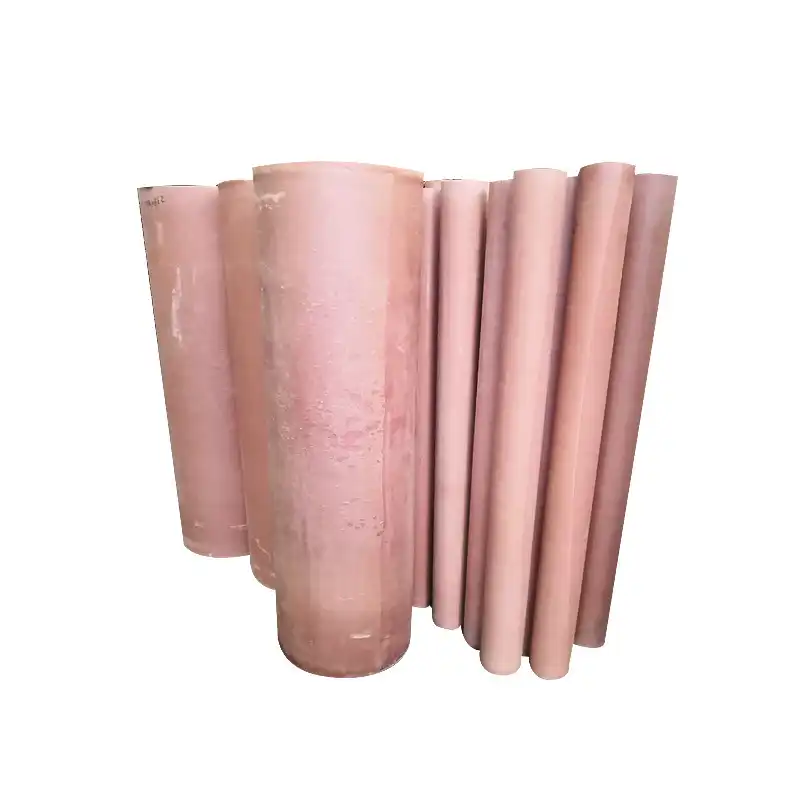
What Are the Temperature Ratings of G10, FR4 and NEMA FR4?
2026-03-31 16:31:17
To do their jobs well, engineers need to know how hot or cold industrial insulation materials can get. At temperatures up to 120°C, G10 epoxy laminates can be used continuously. At temperatures up to 130°C, FR4 materials can be used. NEMA FR4 specifications that are all the same make sure that all manufacturers get the same level of thermal performance. The G10 sheet is very strong and doesn't conduct electricity when it's in these temperature ranges. Because of this, it is necessary for uses that need to be resistant to heat and keep their structure in harsh industrial settings.
Understanding the Basics - What Are G10, FR4, and NEMA FR4?
Material Composition and Structure
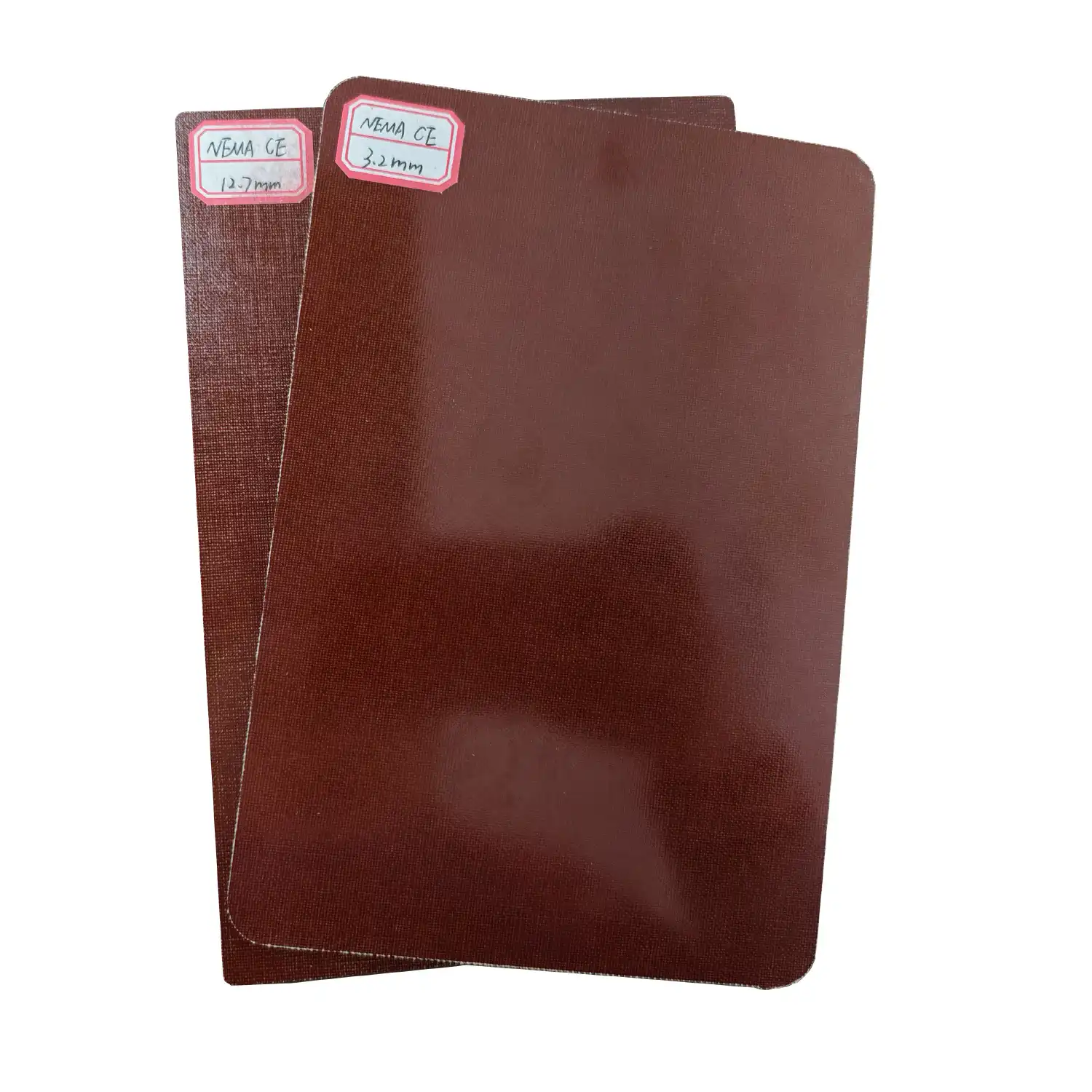
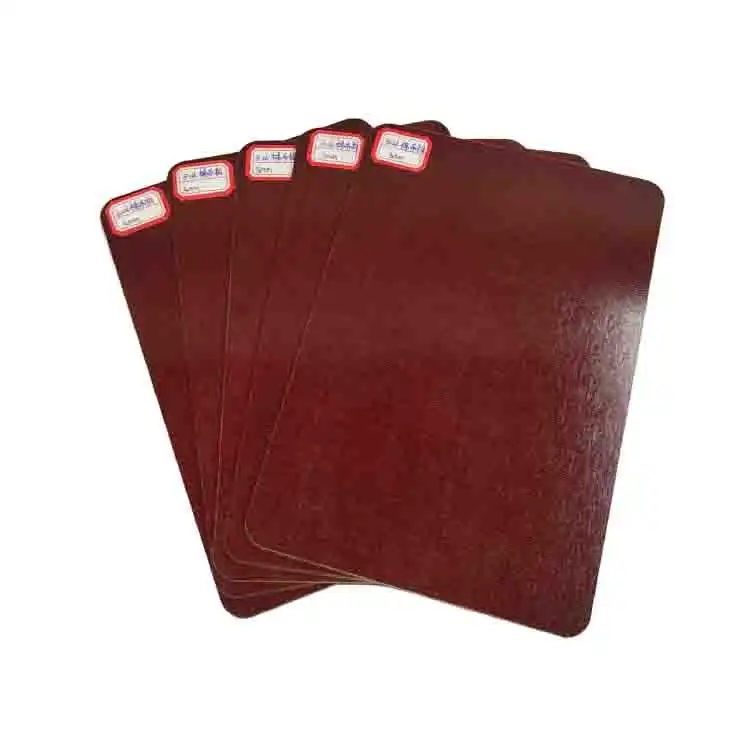
High-pressure molding was used to make G10, which is an epoxy laminate with fiberglass reinforcements. Because it is made of continuous filament glass cloth and thermosetting epoxy resin, this substance is very strong and doesn't conduct electricity. The structure is strong because of the glass fiber reinforcement, and the epoxy matrix keeps the shape even when the temperature changes.
When you add flame-retardant ingredients to G10, you get FR4. These are usually compounds based on bromine that meet UL94 V-0 flame resistance standards. This makes FR4 very useful in electrical applications that need to meet fire safety standards and be able to put out fires on their own. The flame retardancy doesn't change how well the material moves heat, but it does make high-voltage areas safer around it.
NEMA Standards and Certifications
There are high standards for all suppliers that are met by NEMA FR4. These standards are set by the National Electrical Manufacturers Association. These standards make it clear what the exact requirements are for performance at different temperatures, water absorption, dielectric strength, and thermal expansion. Materials that are NEMA-certified have to pass strict testing procedures. This gives procurement teams confidence in the consistency of the materials and their ability to do what they're supposed to do.
Industrial Applications and Performance Requirements
Plenty of different fields use these things. Companies that make electronics for printed circuit board substrates use them because thermal stability affects how well parts work and how well signals are sent. Transformer windings and switchgear parts have to work hard in harsh conditions with changing temperatures and electrical stress because power plants depend on them.
In the auto industry, these materials are used to insulate motor parts and battery packs, where safety needs are met with goals of controlling weight and temperature. They are liked by people who build industrial machinery because they are stable in size and easy to machine. This lets you make precise mechanical parts that stay within the limits even after being heated and cooled many times.
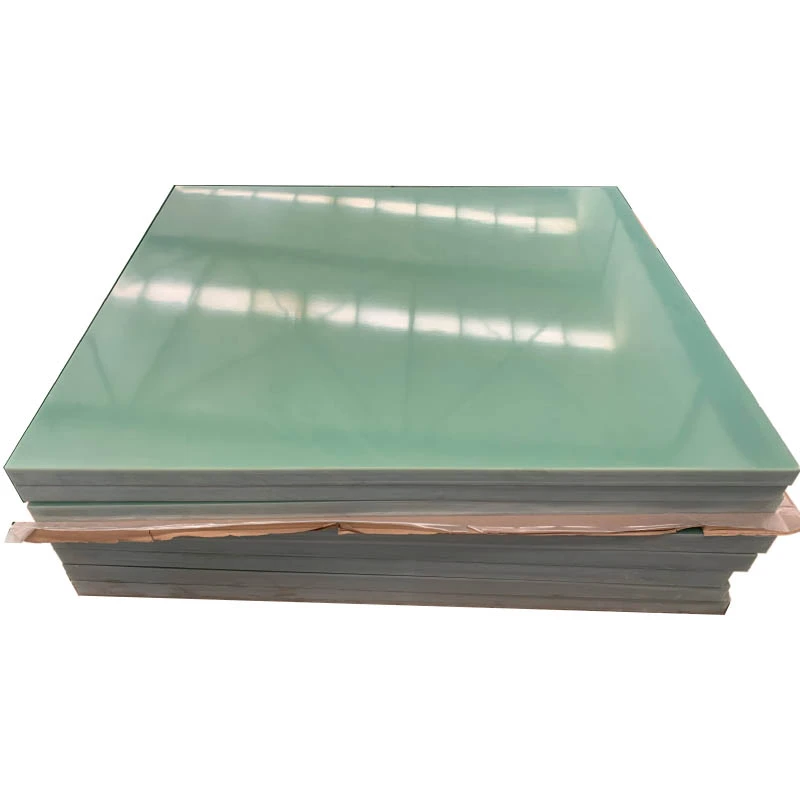
What Are the Standard Temperature Ratings of G10, FR4 and NEMA FR4?
Heat Resistance Classification System
Different types of industrial insulation are put into standard groups based on the highest temperature they can withstand. This grouping makes it easy for engineers to pick the right material for each set of thermal needs:
Class Y materials operate at 90°C maximum, utilizing natural fiber materials such as unimpregnated cotton yarn or silk. Class A extends to 105°C using composite insulation materials including paperboard and cotton fabric impregnated with transformer oil. Class E reaches 120°C through synthetic organic materials like polyester films and epoxy resins.
Class B achieves 130°C using composite materials combining mica and glass fiber bonded with resin. Class F operates at 155°C utilizing high-performance polymer composites, such as modified polyimide. Class H withstands 180°C through high-temperature-resistant structures using silicone resin bonded with mica. Class C exceeds 180°C using inorganic materials like ceramics and quartz.
Specific Temperature Ratings for G10 and FR4 Materials
It is safe to use G10 sheet at temperatures up to 120°C for long periods of time. This makes it a Class E thermal material. If you leave this material in a hot place for a long time, it will change over time based on its glass transition temperature.
Class B thermal performance is reached by FR4 and 3240 epoxy boards when they are continuously heated to 130°C. They can handle higher temperatures, so they can be used in places that need higher thermal margins. They also do a great job of keeping electricity from flowing through them.
Some newer types, like G11 and FR5, can handle temperatures as high as 155°C. Other types, like EPGC308, can handle temperatures as high as 180°C. It is better to use these materials when regular G10 or NEMA FR4 sheets are getting close to their temperature limits.
Glass Transition Temperature Considerations
One important thing that shows how well a material works when it is heated up is its glass transition temperature (Tg). Most G10 materials have Tg values between 140°C and 150°C, which means they can handle temperatures above their continuous operating range. The Tg properties of FR4 materials are similar, and they also don't catch fire.
It's important to know Tg when materials go through short-term temperature changes above their continuous ratings. You can still be exposed to things above their continuous operating temperatures for a short time as long as you don't go over the Tg limits. In this way, engineers can make systems that are safe from heat.
Factors Affecting Temperature Performance of G10 and FR4 Materials
Environmental Influences on Thermal Performance
Humidity has a big effect on how well epoxy laminates conduct heat. When the temperature is high, absorbing water can lower the glass transition temperature and hurt the mechanical properties of the material. By controlling the environment and picking the right materials, these effects can be lessened when working in humid places.
Chemical exposure speeds up the breakdown processes that happen at high temperatures. With time, acids, bases, and organic solvents can weaken the epoxy matrix, which means that the temperature limits drop. What you need to know about chemical compatibility when working with materials in hot, chemically hostile places is important.
Even in the recommended temperature ranges, mechanical stress can cause things to fail early because it concentrates heat effects. Things like vibration, changing temperatures, and mechanical loading can put stress on something, which can cause it to break down at temperatures below the nominal ratings.
Manufacturing Quality Impact
The thermal performance is always the same, but how the supplier makes the goods changes that. It doesn't matter what temperature, pressure, or quality control steps are used to cure G10 sheet; they always have the same properties. When the parameters used in production change, weak spots can appear that make the product less thermally efficient.
The amount of resin to glass changes both the mechanical and thermal properties. The best ratios keep the mechanical integrity while also giving the best thermal resistance. Suppliers with strict quality control make sure that the ratios are always the same. This way, it is possible to predict how each production lot will perform thermally.
Electrical and Mechanical Loading Effects
Electrical stress speeds up the thermal aging process by heat and partial discharge effects on the dielectric. When working with high voltage, it's important to think about how the spread of electric fields affects differences in temperature so that no one spot gets too hot.
Mechanical pressures change how stress is spread out and how much heat expands in laminated structures. If you mount and clamp things the right way, you can keep them from building up stress that could lower the useful temperature limits during thermal cycling.
When dynamic loading conditions happen, they heat up the inside of a system through mechanical hysteresis. If the same kind of mechanical stress is put on a material over and over, it needs thermal derating to account for the heat that is created and how it changes over time.
How to Select the Right Material Based on Temperature Ratings for Your Application
Application-Specific Selection Criteria
A lot of electronics that need to be flame retardant are made from FR4 sheets because they work well at high temperatures and meet safety standards. FR4 is useful for PCB applications because it has standard properties and can be bought from many suppliers. It's safe for most electronic parts to work at 130°C, which is what UL requires.
People often use G10 sheet in industrial machinery because they are strong enough to handle heat and don't catch fire easily. This material can handle 120°C, which is hot enough for most mechanical tasks. It's also less expensive and easier to work with than materials that are heated higher.
When making and sending power, it's important to think about both the electrical and thermal needs. It is best to use materials that are rated Class B (130°C) and have been shown to work well with high voltage electricity for transformer insulation.
Procurement Considerations and Supplier Selection
How reliable and consistent materials are depends a lot on the quality systems and supplier certifications that are in place. This is more likely to happen if you buy from well-known companies that have ISO certifications and a history of success. The materials will work the same way in all of your production runs.
The location of the supply chain affects lead times and the ease of getting technical help. If you have technical questions, local suppliers are likely to answer faster and be easier to talk to. For large orders, however, international suppliers may be cheaper.
Customization and Enhanced Performance Options
As a custom development service, we can make something that fits your thermal needs. For applications that don't need to perform as well but want to save money, better 3240 boards that can handle temperatures of 155°C or 180°C can be used. As the budget grows, the thermal resistance of G10 can be raised to 130°C. This closes the performance gap between standard G10 and FR4 levels.
With these customization options, you can make sure that the material's properties are just right for the job. This makes both performance and value for money better. The temperature needs can be very specific, and engineering teams can still control other things about the material, like how strong it is, how it conducts electricity, and how easily it can be machined.
Best Practices and Tips for Handling and Using G10, FR4, and NEMA FR4 Materials
Storage and Pre-Installation Handling
If stored correctly, moisture absorption and thermal degradation can be stopped before the installation process starts. Things should be kept in places that are controlled by temperature and humidity (below 50%) and in sealed containers until they are needed. When you store something, changes in temperature can cause stresses inside that hurt its thermal performance later on.
During handling, as little mechanical damage as possible that could cause stress concentrations should be done. If you lift things the right way and use protective packaging, you can keep the edges and surfaces from getting damaged, which could cause the machine to break down while it's running.
Installation and Assembly Techniques
How the parts are put together has a big impact on how well they handle heat and how long they last. When bolt torque specs are right, there is no over-compression and the clamping force is just right for heat transfer. Because heat expands, the right spacing and mounting methods must be used so that size changes don't put stress on the parts.
Cutting edges and protecting the environment make the service last longer when it's used in harsh conditions. Chemicals and water can't get in because of protective coatings and gasket systems. This could speed up the thermal breakdown process.
Thermal Management and Monitoring
Monitoring systems for temperatures let you know right away when temperatures change in ways that could hurt things. Sensors that are placed in the right places allow for preventative maintenance and stop catastrophic failures caused by too much heat.
Better thermal performance is achieved by heat dissipation techniques that move heat away from important parts more quickly. Installations made of G10 sheet can handle higher temperatures as long as they have enough air flow, heat sinks, and materials that let heat pass through them.
Maintenance and Inspection Protocols
When things are inspected regularly, they show early signs of thermal degradation before they break. To tell if thermal stress has built up over time, look for changes in color, cracks, or separation of layers.
There are rules for electrical testing that make sure insulation still works after being heated for a long time. If you regularly check the dielectric strength, you can be sure that the electrical properties stay within acceptable ranges, even if the material has been heated in the past.
Conclusion
What are the temperature ratings for G10, FR4, and NEMA FR4 materials? These ratings are very important for engineers and buyers in many different industrial settings. The mechanical properties of G10 materials are very good, and they work reliably at 120°C. FR4 materials can be used at 130°C and won't catch fire. A strict certification process is used by NEMA FR4 to make sure that all suppliers provide the same level of performance.
This is possible in tough situations because you know these thermal properties and how to choose and work with materials in the right way. The actual thermal performance is affected by things like the environment, the quality of the manufacturing process, and the way it is installed. These things need to be carefully thought through during the design and procurement stages. We can offer the best material solutions for each customer's thermal needs because we can make our products to fit their needs and have a lot of experience.
FAQ
Can G10 and FR4 be used interchangeably in high-temperature applications?
They both work well at high temperatures, but FR4 is needed for UL94 V-0 compliance uses since it doesn't catch fire. G10 works the same way at 120°C, but it can't stand up to flames, so it can't be used in electrical applications where fire safety is important.
What are the signs of thermal degradation in epoxy laminates?
Changes in color (usually getting darker), cracks on the surface, layers coming apart, and materials that are weaker are all signs of thermal degradation. For important reasons, electrical properties need to be checked often because they can change without any clear signs.
How do NEMA standards differ from international thermal property benchmarks?
To make sure that all North American suppliers follow the same rules, NEMA standards spell out clear ways to test and approve thermal performance. Different international standards, such as IEC, may use different test methods and criteria. This means that materials that are very similar may have different thermal ratings.
Partner with J&Q for Superior Temperature-Rated Insulation Materials
J&Q delivers premium G10 sheet solutions and FR4 materials engineered to meet your exact thermal requirements. With over 20 years of manufacturing experience and a decade of international trade expertise, we understand the critical importance of reliable temperature performance in demanding applications. Our in-house logistics capabilities ensure seamless delivery while our technical team provides comprehensive support throughout your procurement process. Contact our specialists at info@jhd-material.com to discuss your thermal resistance requirements and discover how our proven G10 sheet supplier solutions can enhance your project success.
References
National Electrical Manufacturers Association. "NEMA Standards for Industrial Laminating Materials: Thermal Classification and Testing Procedures." NEMA Publication LI 1-2019.
Institute of Electrical and Electronics Engineers. "IEEE Guide for Thermal Evaluation of Electrical Insulation Systems." IEEE Standard 98-2002.
American Society for Testing and Materials. "Standard Test Methods for Thermal Properties of Polymer Matrix Composite Materials." ASTM D7028-07.
International Electrotechnical Commission. "Specifications for Individual Types of Winding Wires: Glass-Fiber Wound Resin Impregnated Bare Copper Conductors." IEC 60317-51.
Underwriters Laboratories. "Standard for Tests for Flammability of Plastic Materials for Parts in Devices and Appliances." UL 94-2013.
Materials Research Society. "Thermal Analysis of Polymer Composites: Characterization and Performance Evaluation." MRS Bulletin Volume 45, Issue 3, March 2020.