What Is the Difference Between 10S and 21S Cotton Fabric in Cotton Cloth Sheet?
2026-03-31 16:31:24
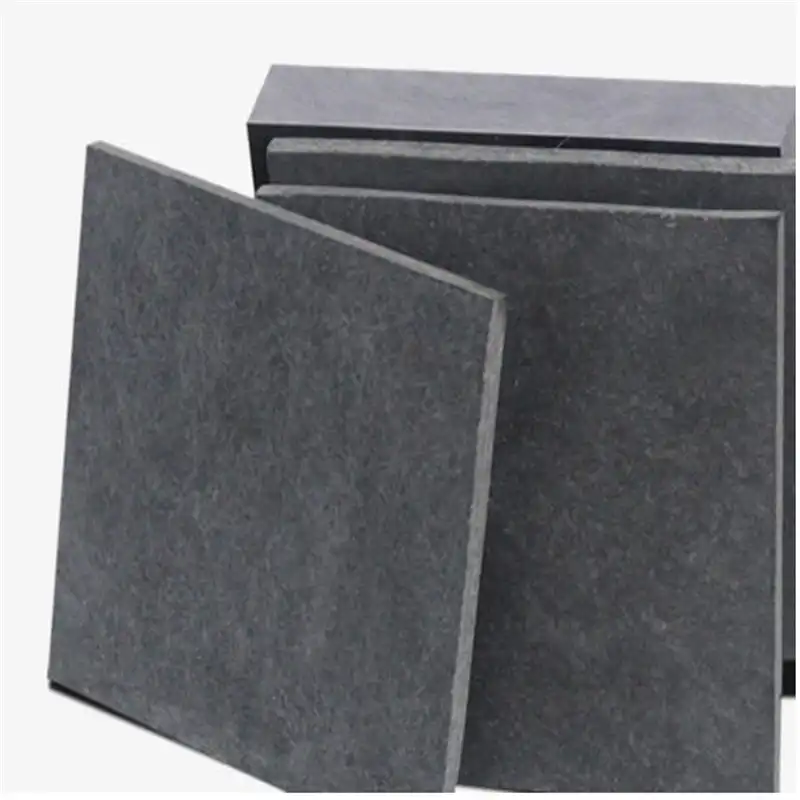
When it comes to cotton cloth sheets, the main difference between 10S and 21S cotton fabric is how fine the yarn is and how the fabric behaves as a result. This 10S yarn is rougher and thicker, and it makes fabrics that are heavier, last longer, and are stronger. Knits made from 21S yarn are lighter, breathe better, and have better surface quality because they are finer. This difference has a direct effect on how well cotton laminated sheets work as insulation in factories. For precise engineering needs, 10S is better for structural strength and 21S is better for machinability and surface finish.
Understanding Cotton Yarn Counts: What Do 10S and 21S Mean?
Technical Definition of Yarn Count Systems
If you want to know how fine a yarn is, the "S" symbol in the cotton yarn count system will show you. The length and weight of yarn are related by this system. This gives engineers exact information they can use to pick the right material. Yarns with lower numbers are rougher, and yarns with higher numbers are smoother.
If people who work in procurement know how to use this system, they can be sure that the materials they buy meet strict performance standards. The yarn count affects the fabric's weight, thickness, and how well it works. This changes how the final cotton laminated sheet works when it is stressed by electricity and gravity.
10S Yarn Characteristics and Properties
Ten yards of 10-count yarn is the same as one pound of cotton. Ten yards is 840 yards, which is about 7,620 meters. This puts it in the low-count group, which is known for being very rough and well-made. With 10S yarn, you can weave fabrics that are thick, last a long time, and have a unique rough texture that makes them very strong.
10S yarn is useful in industrial settings because it is naturally strong and durable. The rough fiber structure naturally doesn't bend under mechanical stress. This makes it perfect for core materials in laminated sheets where strength is more important than surface finish. When making things, these traits can be used to create materials that are both cheap and good at what they need to do.
21S Yarn Specifications and Applications
There are about 15,960 meters of fibers in a pound of 21-count yarn. While still being strong enough for industrial use, the yarn has a finer structure than 10S yarns. Its count ranges from medium to low. This yarn makes thick clothes that breathe well and have a natural surface grain that keeps you warm and holds the clothes together.
Finished cotton cloth sheet products are easier to work with and have better surface quality thanks to the improved fineness of 21S yarn. It is worth the small extra cost for 21S construction because it works better in engineering tasks that need complex post-processing, precise machining, or a better surface finish.
Key Differences Between 10S and 21S Cotton Fabric in Cotton Cloth Sheets
Mechanical Strength and Structural Properties
Two types of cotton fabrics, 10S and 21S, are useful in different industrial markets because they have different mechanical properties. It works best for structural uses where mechanical loads are the most important thing to consider during the design process. This is because the 10S yarn construction makes it stronger and less likely to break when it hits something. The fabric doesn't tear or break down mechanically when it's put under stress because the coarse fiber structure makes it stronger.
It is made of 21S cotton fabric, which is better mechanically because it keeps its shape better and doesn't wear out easily. Plus, the finer yarn makes it more stable under different loads, even though it's not as strong as 10S options. This quality is helpful in precise situations where the material needs to behave in a known way so the job can be done well.
Surface Quality and Machinability Characteristics
When it comes to cotton fabrics, 10S and 21S have very different surface finishes. This affects how they are made and how accurate the final product is. The surface of 10S fabrics is rougher and has more noticeable fiber patterns. This can make it harder to machine them precisely, but it makes them great for bonding.
It is possible to machine 21S cotton fabrics with more accuracy and tighter tolerances because their surface is smoother and more even. Finer yarns make it possible for the surface to be smoother, and they also make it easier to control the exact sizes while the fabric is being made. When working with electricity, these benefits are especially helpful because the surface quality affects how well it works.
Cost-Performance Balance in Industrial Applications
An important thing to think about when picking materials is how much they cost. 10S and 21S cotton fabrics offer different values. 10S materials are a good choice for situations where durability is more important than accuracy because they are cost-effective. Materials can be saved a lot of money, and they still work well enough for many industrial uses.
Cotton fabrics made from 21S are more expensive, but they perform better, so the extra cost is worth it in tough situations. Better machinability, dimensional stability, and surface quality all lower the cost of processing in the long run while making the final part better. At first, the materials may cost more, but in the long run, they are cheaper to own.
Advantages of Choosing 100% Cotton Cloth Sheets with the Right Yarn Count
Natural Material Benefits in Industrial Applications
There are many industrial settings where 100% cotton construction is better than synthetic alternatives. The best thing about cotton fibers is that they don't change shape when exposed to a wide range of temperatures or environmental conditions. These traits are very helpful in electrical applications that need materials that can stay reliable under high temperatures.
Because cotton fibers are hygroscopic, they can absorb changes in moisture that could affect how accurate a part is. This helps keep the dimensions stable. This ability to naturally control moisture makes it less likely that the size will change while it's being used. This keeps the tight tolerances needed for precision mechanical and electrical applications where the size of parts affects how well they fit and work.
Environmental and Sustainability Considerations
Today's industrial buyers care more and more about how materials affect the environment when they choose them. Companies' sustainability goals are met by the biodegradable and renewable materials used in cotton cloth sheet sheeting. It is better for the environment because it is made of natural fibers instead of synthetic ones, but it still works well enough for industrial uses.
Companies can meet performance standards and protect the environment by getting cotton materials in a way that doesn't harm the environment. There is also cotton that is grown in an organic way, which is better for the environment. However, regular cotton is still the most common choice for most industrial uses because it is easier to find and cheaper.
Performance Optimization Through Yarn Count Selection
It is possible to change the performance to fit your needs once you have chosen the right yarn count. It is best to use 10S cotton cloth sheet materials when durability and strength are very important. Alternatives to 21S, on the other hand, offer better accuracy and surface quality for tough machining jobs.
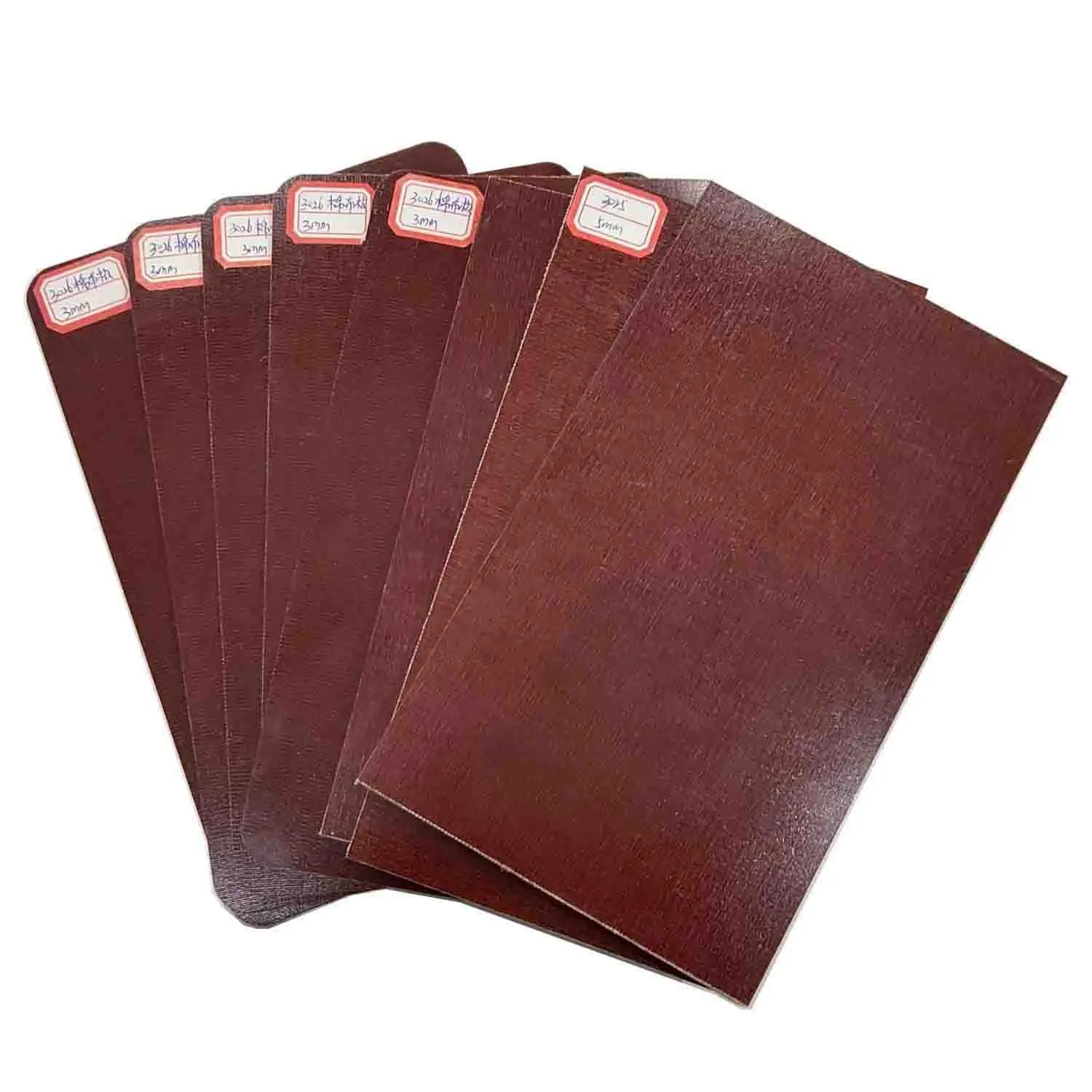
Different yarn counts can be mixed in laminated structures in a smart way to make hybrid materials that are better at many things. The 3025 grade materials are made with a 10S core and a 21S face fabric. The quality of the surface and the strength of the structure are both good, and the price is low enough for uses that don't need extreme performance.
How to Identify and Verify Authentic 10S and 21S Cotton Fabric Sheets?
Quality Control and Testing Procedures
To make sure that quality checks are accurate, testing must follow a set of rules that make sure the yarn count requirements and material performance traits are met. Checking the yarn count, measuring the tensile strength, and checking the dimensional stability are all standard ways to test something under controlled conditions. The goal of these tests is to make sure that the materials meet the requirements for performance and quality.
You can be sure of what the yarn count specifications are by looking at the yarn under a microscope and testing it physically. Standard methods are used by professional testing labs to make sure that the material specs are correct. This lets the people who buy things check what the suppliers say and make sure that all batches of products meet high quality standards.
Certification Standards and Compliance Requirements
International certification standards provide strong ways to check materials and make sure they are of good quality. The GOTS (Global Organic Textile Standard) certification makes sure that the textiles have organic content and, if necessary, are made using environmentally friendly methods. Clothing that has the OEKO-TEX Standard 100 label on it is safe and doesn't hurt the environment.
In the business world, extra certifications for electrical or mechanical performance standards are often needed. Compliance with UL standards, ROHS rules, and other industry-specific standards are more proof that the material can handle tough jobs where safety and dependability are very important.
Supplier Evaluation and Risk Management
Good strategies for getting materials start with figuring out how reliable the suppliers are. As part of a full supplier evaluation, facility audits, reviews of the quality system, and analyses of the supplier's performance history should all be done. This is to make sure that the quality of the materials and delivery performance stay the same over time.
Thanks to sample testing and batch verification procedures, quality control can be kept up as long as a supplier is involved. Testing new materials on a regular basis makes sure they meet the requirements and finds quality issues early on, before they mess up production schedules or the way parts work. This makes the supply chain safer and keeps quality standards high.
Conclusion
When you know the differences between 10S and 21S cotton fabric in cotton cloth sheet uses, you can pick the material that will work best for you and the least amount of money. When mechanical toughness is important, the 10S yarn that is coarser is better for strength and durability. When tight tolerances and better finish characteristics are needed, on the other hand, the finer 21S yarn is better for surface quality and machinability. To make a good buying plan, you need to think about what the application needs, how to check the quality, and how well the supplier can make sure that the materials work reliably and meet both technical needs and cost goals in tough industrial settings.
FAQ
Which yarn count provides better breathability in cotton cloth sheets?
Most of the time, 21S cotton fabric breathes better than 10S cotton fabric because its yarns are finer and its weave is more open. Because the fibers are less dense, air can flow better, and the strength is still good enough for most industrial uses.
How do 10S and 21S cotton fabrics compare in terms of long-term durability?
Most of the time, 10S cotton fabric lasts longer in high-stress mechanical applications because its fibers are coarser and stronger. But 21S materials don't change size as quickly and don't wear down as quickly. This means they might last longer in precise applications with low mechanical loads.
Can cotton cloth sheets be manufactured in custom sizes for specific applications?
Yes, most manufacturers offer custom sizing options for cotton cloth sheets to meet specific application requirements. Custom fabrication capabilities include thickness variations, dimensional cutting, and specialized surface treatments that optimize performance for unique industrial applications.
Partner with J&Q for Premium Cotton Cloth Sheet Solutions
J&Q delivers superior cotton cloth sheet materials engineered for demanding industrial applications across electrical, automotive, and machinery sectors. We've been making unique items for more than twenty years, so we know a lot about how to make things. Plus, we have strict quality control systems and follow international certification rules to make sure that our products always work well and can be trusted.
We are one of the best companies that makes cotton cloth sheets, and we offer both 3025 and 3026 grade materials that are best for certain tasks. These include options that are both cheap and well-designed. We offer safe shipping all over the world at low prices thanks to our integrated logistics capabilities. This helps with strategies for buying in bulk and forming long-term supply partnerships. Get full product samples from our technical team at info@jhd-material.com and let them know what you need. This shows how dedicated we are to giving our customers high-quality materials and making sure they are happy.
References
"Textile Fiber Properties and Their Impact on Industrial Laminate Performance," Journal of Industrial Materials Engineering, Vol. 45, No. 3, 2023.
"Cotton Yarn Count Systems: Standardization and Application Guidelines for Technical Textiles," International Textile Standards Association, 2022.
"Electrical Insulation Materials: Cotton-Based Laminates in Power Distribution Applications," IEEE Transactions on Dielectrics and Electrical Insulation, 2023.
"Mechanical Properties of Phenolic Cotton Cloth Composites: Yarn Count Effects on Performance Characteristics," Composites Science and Technology, Vol. 189, 2023.
"Quality Assurance in Industrial Textile Procurement: Testing and Certification Standards," Industrial Materials Quality Council, 2022.
"Sustainable Manufacturing Practices in Cotton-Based Industrial Materials," Green Manufacturing Review, Vol. 28, No. 4, 2023.