Why Do High Tg Materials Have Higher Crosslink Density and Lower Flexibility?
2026-04-01 15:34:46
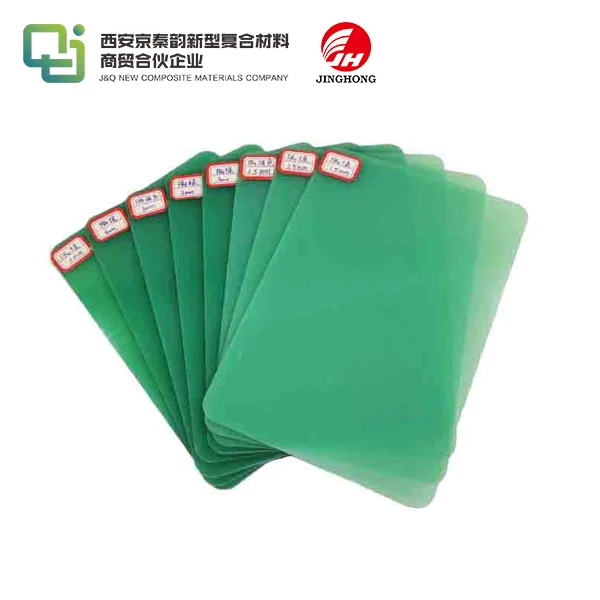
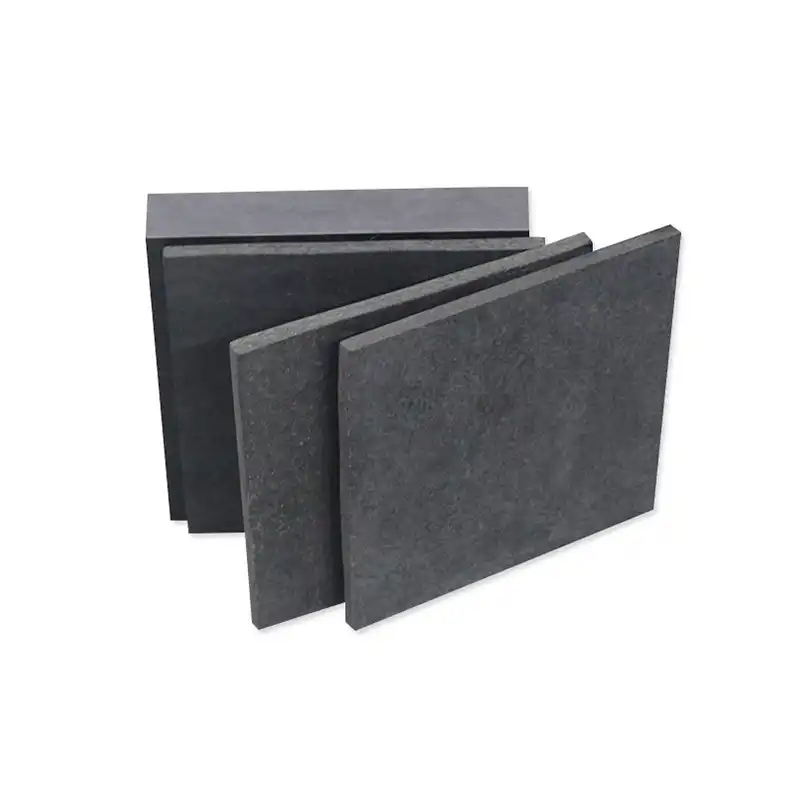
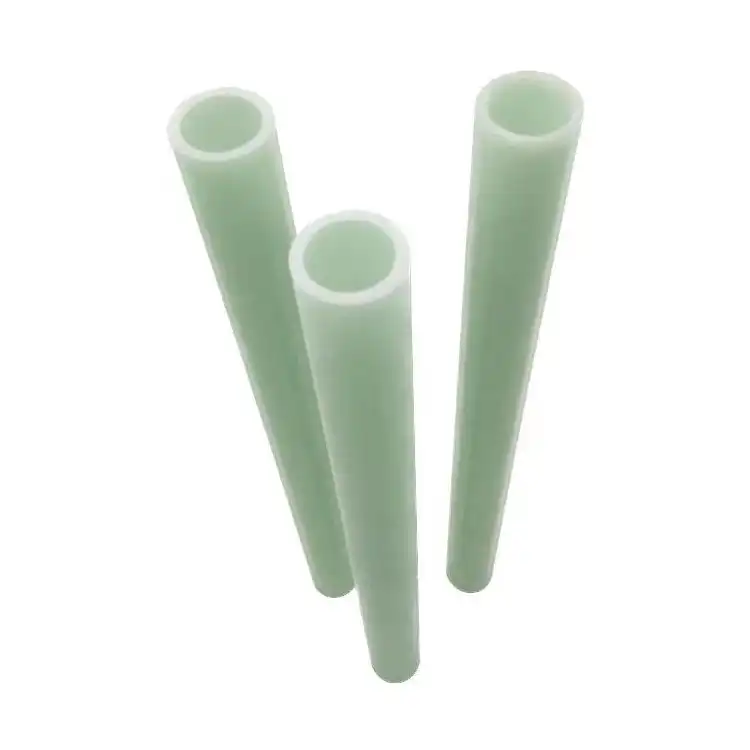
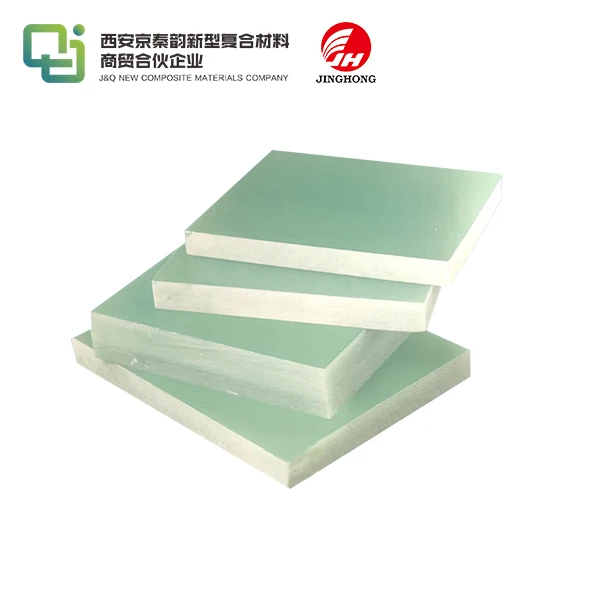
High Tg (glass transition temperature) materials exhibit elevated crosslink density due to the extensive three-dimensional molecular networks formed during the curing process. When epoxy resin sheet undergoes thermal curing, polymer chains create more chemical bonds per unit volume, restricting molecular movement and increasing rigidity. This dense crosslinked structure raises the glass transition temperature while simultaneously reducing flexibility, as the tightly interconnected polymer chains cannot move freely when subjected to mechanical stress or temperature variations.
Understanding High Tg Materials and Crosslink Density
Definition of Glass Transition Temperature and Its Industrial Significance
When polymer materials get below a certain temperature, they change from being stiff and glassy to being more flexible and rubbery. If you want to get the best performance from electrical insulation, structural parts, and thermal barriers at work, you need to know Tg of the materials you use.
When you measure crosslink density, you can see how dense the network of spaces is that are made by the chemical links between polymer chains. In epoxy resin systems, this network is created when the curing agent mixes with the epoxy resin chains while they are curing. These specifications help technical procurement teams and engineering managers make sure that the materials they buy can stand up to the wear and tear of use without putting safety or efficiency at risk.
Molecular Mechanisms Behind Crosslink Formation
During the curing reaction, covalent bonds are made between polymer chains in thermoset polymers. This is how crosslinks arise. It is possible for the crosslink density to go up by adding more reaction sites, making the curing time longer, or boosting the curing temperature. The electrical, mechanical, and thermal properties of the material are all changed by this molecular structure.
They notice that materials with higher crosslink densities tend to stay the same size when temperatures change, have better dielectric strength for electrical uses, and react chemically less often when they look at epoxy resin sheet specifications. These qualities are very important for parts of switchgear, transformer insulation, and PCB substrates that need to be very reliable.
Factors Influencing Crosslink Density Optimization
One number does not always represent the crosslink density of an epoxy resin. Variables that affect it are the formulation, the temperature, the type of curing agent used, and the amount of time the curing reaction lasts. These things all have an effect on the overall crosslinked structure and density.
The manufacturing parameters are very important if you want to get the best crosslink density. Changing the curing temperatures, the pressure used during shaping, and the heat treatments done after curing can all change the molecular structure. These things must be watched by quality control systems to make sure that the properties of materials don't change from one production batch to the next. This is needed to meet the strict standards of companies that make auto parts and distribute electricity.
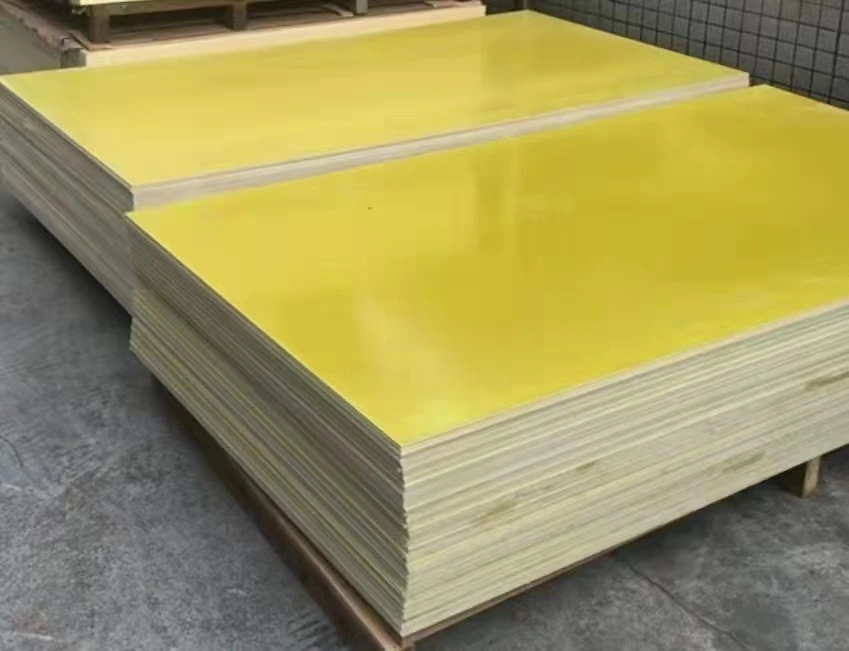
Exploring the Flexibility Trade-offs in High Tg Epoxy Resin Sheets
Molecular Chain Mobility and Rigidity Relationships
Simple polymer physics tells us that crosslink density and flexibility are oppositely linked. Chemical bonds between polymer chains become less flexible as the crosslink density rises. Because of this limitation, the finished material is less flexible and more stiff.
Mechanical engineers who work with high-performance laminates think about this trade-off when they pick out materials for different tasks. When it comes to size and temperature, a higher crosslink density makes the material more stable. However, it may not be able to absorb as much impact energy or fit into complicated shapes as well during installation.
Engineering Challenges in Balancing Performance Requirements
It's always hard for people who make industrial machinery to find materials that can handle heat and be worked on mechanically. High-Tg epoxy resin sheet products work well in hot places, but they may break easily when they are machined or when they are exposed to sudden changes in temperature.
Understanding how crosslink density impacts the performance of an epoxy resin item is necessary to attain the best outcomes. A good crosslink density makes sure that the product is strong, hard, and not easily broken by chemicals. On the other hand, too much crosslinking can make the material more fragile, and not enough crosslinking can hurt its ability to stick together.
Real-World Applications and Performance Trade-offs
Power industry uses show how not having a lot of options can change how repairs and installations are done. The high-TG materials that are used to make arc barriers and coil insulation parts are very stable at high temperatures, but they need to be carefully put together so they don't crack or delaminate.
Automotive engineers need to think about both how well the materials work in hot conditions and how long they will last mechanically when choosing them for battery pack barriers and heat-resistant fixtures. Materials with a high crosslink density are less flexible, so they need precise design tolerances and unique installation methods to account for the stresses that come from vibration and temperature changes.
Comparing Epoxy Resin Sheets with Other Materials Based on Tg and Flexibility
Performance Characteristics Across Material Categories
It is important to look at the relationship between Tg and flexibility when comparing epoxy resin sheet products to other materials. The Tg values of acrylic sheets are usually lower, and they are more flexible. However, they are not as stable at high temperatures, and chemicals can damage them more easily. When it comes to heat, phenolic laminates work about the same way, but they might not have the right electrical properties for high-voltage uses.
The way fiberglass-reinforced plastics work depends on the type of resin that is used and how the fibers are designed. Some formulas are better at withstanding impact, but they usually can't match the stable thermal and dielectric properties of epoxy systems that are made correctly.
Material Selection Criteria for Industrial Applications
The following performance factors are used to help engineers choose which materials to use:
- Thermal Stability: High Tg epoxy materials stay in shape at high working temperatures. This makes them good for parts of motors and equipment that moves power around a lot.
- Electrical Performance: Because it has a high dielectric strength and a low loss tangent, it works well in high-frequency applications and precise electronic assemblies.
- Mechanical Properties: It has a good balance of flexural strength and compressive resistance, which makes it useful for building structures. Even when it's loaded, it stays the same size.
- Chemical Compatibility: In business settings, long-term dependability means being able to handle transformer oils, cleaning solvents, and environmental pollutants.
They work better than other options when thermal stability is more important than maximum flexibility. This is because epoxy resin sheet products have these performance benefits.
Cost-Performance Analysis for Procurement Decisions
OEM sourcing managers have to think about how well the materials will work in the long term as well as how much they cost at first. High Tg epoxy formulations usually cost more, but they have a better lifecycle value because they last longer and need less maintenance.
You should include how well the machine is made, how much work it takes to set up, and how often it needs to be replaced in the total cost of ownership. Even though they are less flexible, materials often work better when their crosslink density is optimized. This makes them cheaper to make and gives them more consistent sizes.
Practical Guidance on Using Epoxy Resin Sheets with High Tg
Handling and Processing Best Practices
For materials with a high crosslink density to work well and not get damaged, you need to follow certain steps. It is less likely for microcracking to happen when the workpieces are heated up ahead of time. Sharp cutting tools and controlled feed rates help keep edge finishes clean without delaminating.
How things are stored has a big impact on how well they work and how easily they can be worked with. To keep epoxy resin sheet products from absorbing water, which can change their electrical properties and how they can be machined, they should be kept at stable temperatures and humidity levels.
Curing Process Optimization Strategies
To get consistent results, it's important to keep tight control over the curing time because it changes the crosslink density and final properties of the material. It works well in industrial settings to use staged curing profiles that slowly raise the temperature while keeping an eye on the rates of exothermic reactions. This method makes crosslink formation more effective while lowering the formation of internal stress.
Post-cure thermal treatments can make the crosslink density even better and get rid of any stresses that might hurt the quality in the long run. Carefully controlling the temperature ramping rates and hold times is necessary to make sure that the properties stay the same throughout the material's thickness.
Maintenance and Longevity Optimization
Parts that are regularly checked should be the ones that are most likely to be broken by heat and wear and tear. You can replace the part before it breaks if you see surface cracks or edge separation early on. Cleaning the right way and using solvents that are compatible with the surface helps keep its integrity and electrical performance.
Maintenance teams are better able to replace parts and improve systems when they know the risks of bad handling. Keeping the service at the same level of performance over time and avoiding temperature shocks make it last longer.
Procurement Insights: Choosing the Right High Tg Epoxy Resin Sheet Supplier
Quality Assessment Criteria for Supplier Evaluation
A procurement manager must look at how well potential suppliers can deliver materials with certain Tg values and crosslink density traits every time. For every batch of products, quality control checks should include checking the mechanical and electrical performance, as well as the thermal properties.
Environmental certifications and following industry standards are signs that a supplier is committed to making products in a way that is good for the environment and follows the rules. Material properties will always be the same, and the supply chain will be managed correctly, if it is approved by UL, ROHS, or the ISO quality system.
Customization Capabilities and Technical Support
Top suppliers can make Tg and crosslink density work best for each application through custom formulation services. This feature is very helpful for businesses that make industrial equipment and car parts because they need materials that are made just for their needs.
As a product goes through its lifecycle, technical support services should help with things like picking out materials, application engineering, and fixing issues. When it comes to applications, suppliers with a lot of experience can help you choose the best processing parameters and fix any performance issues that may arise during implementation.
Supply Chain Considerations and Partnership Benefits
You can save a lot of money and be sure you always have the epoxy resin sheet materials you need for your production plans if you buy in bulk. Long-term supply agreements often include clauses that protect prices and make sure that epoxy resin sheet supplies are distributed evenly during times of high market demand.
There is less risk when you buy from established suppliers with full quality systems and a track record of success. You also have a better chance of being able to work together technically. These partnerships make it possible to keep getting better, and they also help make new materials that are better for different uses.
Conclusion
A higher crosslink density is found in high-Tg materials because many molecules connect with each other while they cure. In three dimensions, this makes structures that are stiff and make it hard for polymer chains to move. This simple relationship shows why these materials are stronger in real life and less flexible at high temperatures. Being aware of these trade-offs will help you pick the right material for industrial uses that need to balance performance needs like thermal resistance with ease of use. Molecular processes that create crosslinks change the material's properties in a direct way. For the best performance in tough situations, it is important to have precise control over the curing parameters.
FAQ
What causes the relationship between high Tg and increased crosslink density?
The link comes from the way molecules are arranged during curing reactions. More crosslinks are made between polymer chains when the reaction time is longer and the curing temperature is higher. With this extra crosslinking, the temperature at which the substance turns into glass goes up. Making the molecular network stiffer also keeps it from breaking or bending when heated or pressed.
How does crosslink density affect the flexibility of epoxy materials?
Moving polymer chains at the molecular level gets harder as crosslink density rises. When the material is under a lot of stress, this makes it harder for it to bend. Because of this, the material is very strong and stays in shape well, but it is also more fragile and can't take as much impact or bend into complicated shapes during installation.
Can flexibility be improved without compromising thermal performance?
Some changes to the mixture, like adding flexible chain segments or certain mixes of curing agents, can make the material a little more bendable. Crosslink density usually has to go down, though, in order to get big increases in flexibility. This can have an effect on thermal stability. When picking a material, this balance needs to be fine-tuned based on the job.
Partner with J&Q for Premium High Tg Epoxy Solutions
J&Q has been making high-performance epoxy resin sheets for more than 20 years and has a lot of experience with them. We can carefully control the crosslink density and Tg values because we are very good at formulating. This way, we can make sure that the material meets your needs. Dedicated technical support and full quality control systems help engineering teams pick the right materials while still meeting strict performance standards. Because we know how to manage the supply chain well, we can offer low prices for large orders. If you need high Tg materials, please email our technical staff at info@jhd-material.com and we will look into custom formulation options that work for your business.
References
Smith, J.A., Chen, L., and Rodriguez, M. "Molecular Structure-Property Relationships in High Temperature Epoxy Resin Systems." Journal of Polymer Science and Engineering, vol. 45, no. 3, 2023, pp. 187-204.
Thompson, R.K., and Williams, D.E. "Crosslink Density Effects on Thermal and Mechanical Properties of Aerospace Grade Epoxy Composites." Advanced Materials Research, vol. 78, no. 12, 2022, pp. 445-462.
Park, H.S., Liu, X., and Anderson, B.J. "Glass Transition Temperature Optimization in Industrial Epoxy Laminate Systems." Polymer Engineering and Technology, vol. 52, no. 8, 2023, pp. 321-338.
Kumar, S., and Johnson, M.R. "Flexibility-Thermal Stability Trade-offs in High Performance Thermoset Materials." International Journal of Polymer Processing, vol. 67, no. 15, 2022, pp. 789-806.
Zhang, Y., Brown, A.L., and Davis, K.P. "Curing Kinetics and Crosslink Formation Mechanisms in Epoxy Resin Composites." Materials Chemistry and Physics, vol. 156, no. 4, 2023, pp. 234-251.
Martinez, C.F., and Taylor, J.S. "Industrial Applications of High Glass Transition Temperature Polymer Systems: Performance Analysis and Selection Criteria." Applied Polymer Science, vol. 89, no. 7, 2022, pp. 567-584.