Do You Support Cutting and CNC Machining of Insulation Boards?
2026-04-01 15:34:48
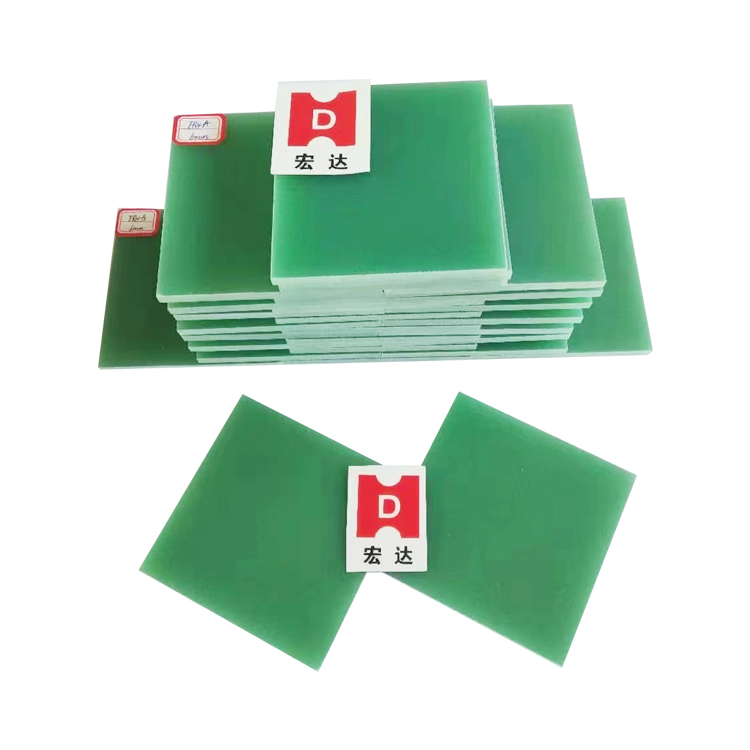
Yes, we do allow full customization for the processing of insulation boards. At J&Q, we can cut sheets to the exact sizes you need and do precise machining based on your drawings. This includes advanced CNC processing. We have been making and selling insulating materials for more than 20 years, so we know exactly what electrical manufacturers, industrial machinery builders, and power sector companies need for their important projects.
Understanding Insulation Boards and Their Machinability
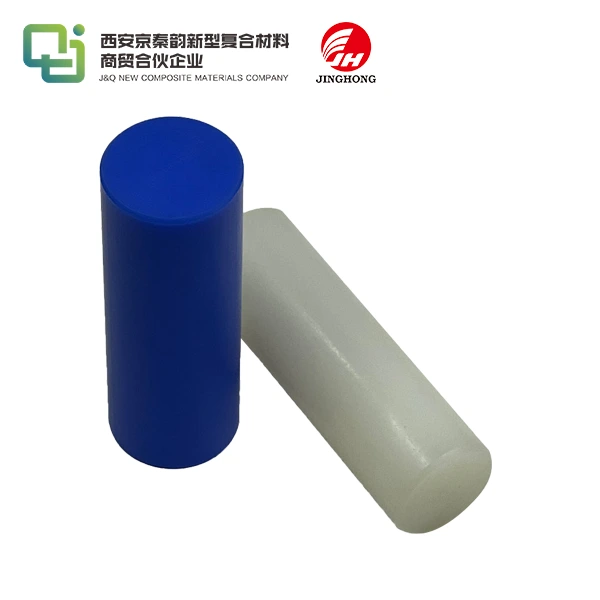
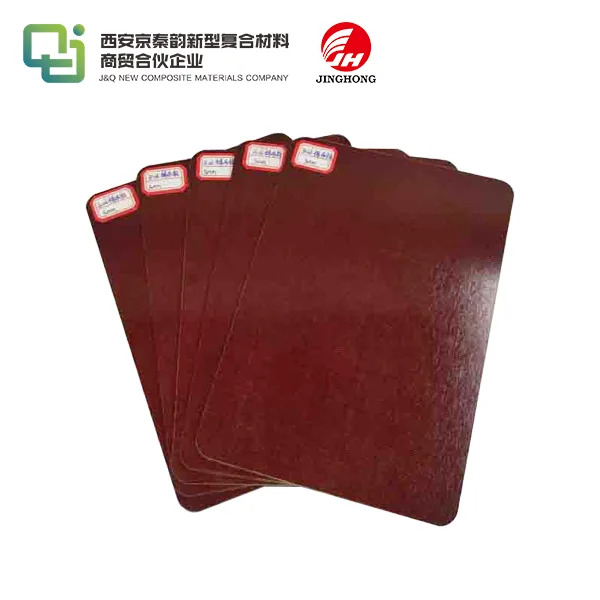
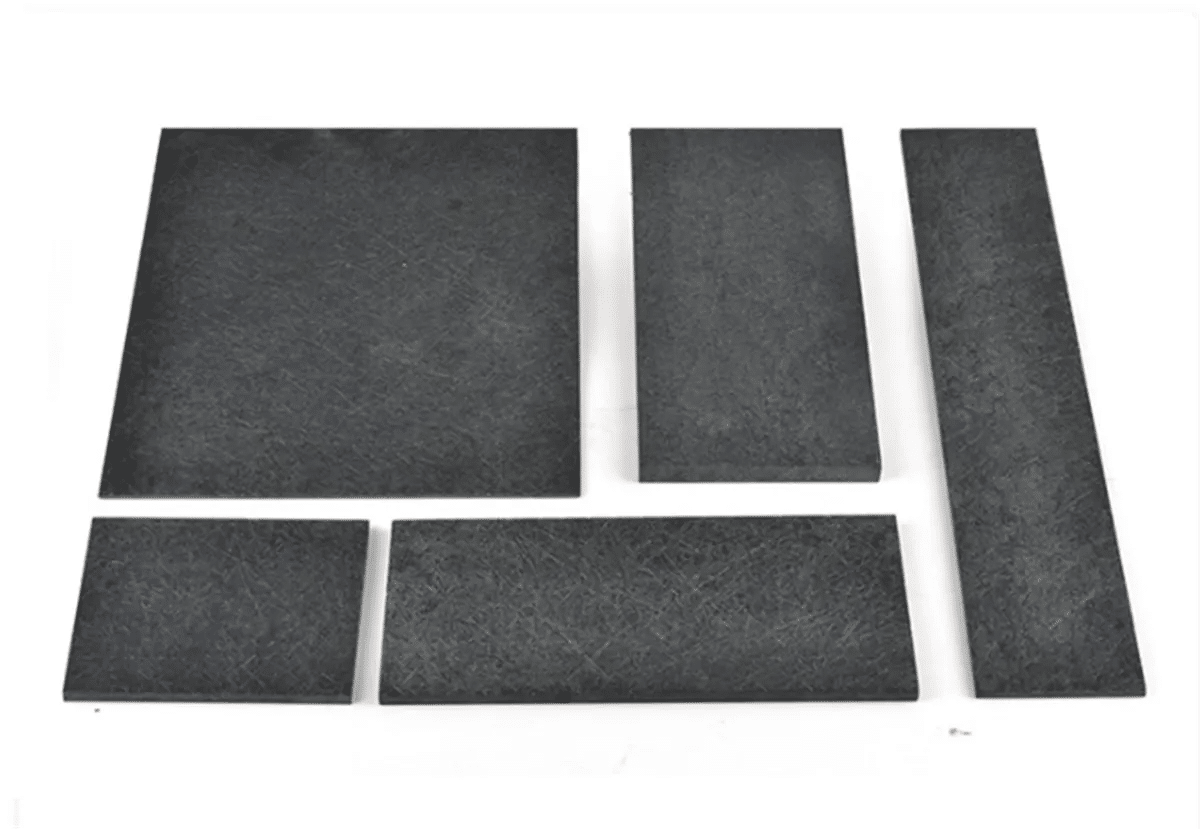
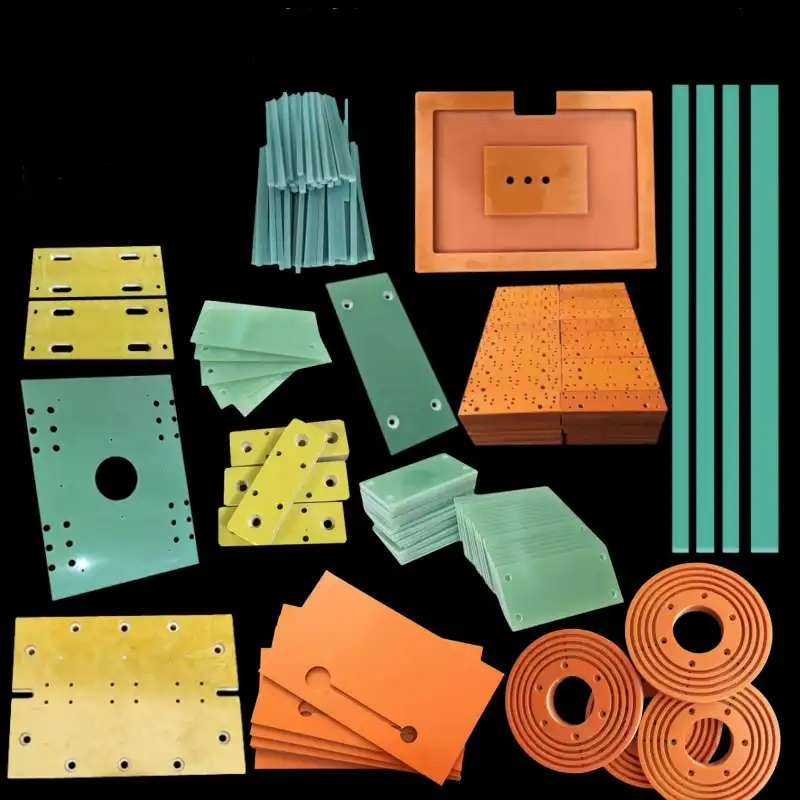
Different types of insulation boards, such as FR4 sheets, 3240 epoxy boards, phenolic cotton laminates, and Bakelite sheets, have different physical properties that affect how well they work in industrial and electrical settings. Different R-values, dielectric strengths, flame resistance ratings, and mechanical densities of these materials make them suitable for different manufacturing processes.
Material Properties That Enable Precision Machining
Modern CNC machining technologies can shape things in ways that traditional cutting methods just can't match. Because they are reinforced with glass fiber, FR4 fiberglass boards, which are often used to make PCBs, keep their shape very well during machining operations. Engineers can get the tight tolerances they need for switchgear parts and motor assemblies because of this stability.
Machines can easily cut through phenolic cotton sheets, especially when the right cutting speeds and feed rates are used. Because they are made of layers, you can get clean edge finishes that won't peel off. This makes them perfect for structural insulation parts in industrial machinery.
Operational Advantages for B2B Procurement
It is well known by engineering managers and procurement teams that CNC machining is much more consistent than manual cutting process. Our controlled machining environment cuts down on waste by up to 15% while keeping the exact dimensions of large production runs. When looking for parts for automotive battery pack barriers or transformer coil insulation, where differences in size can hurt performance and safety, this consistency is very important.
Just-in-time delivery schedules that support lean manufacturing are made possible by automated CNC processing, which speeds up the production process. We can machine complex arc barrier geometries that would be impossible to do with traditional cutting methods. This is especially helpful for power distribution companies.
Technical Considerations When Cutting and CNC Machining Insulation Boards
To get the most out of CNC machining for different types of insulation board, you need to know what makes each material unique and what problems it can cause. There are big differences between rigid foam boards, epoxy laminates, and mineral wool composites when it comes to how easy they are to machine, how much dust they make, how fast tools wear out, and how stable their shapes are under machining loads.
Material-Specific Machining Parameters
To handle their rough glass fiber content well, epoxy-based boards like FR4 and 3240 grades need special carbide tools. Our machining centers use diamond-coated end mills that keep their sharp cutting edges even after long production runs. This makes sure that the surface finishes are always the same and that the dimensions are always correct.
The following parameters optimize machining quality for common electrical insulation materials:
- FR4 fiberglass boards: Spindle speeds of 12,000 to 18,000 RPM and feed rates of 1.5 to 3.0 meters per minute make clean cuts that don't pull out fibers or chip edges.
- Phenolic cotton laminates: Spindle speeds between 8,000 and 12,000 RPM keep the material from getting too hot, which could damage the resin and make the shape less stable.
- Bakelite sheets: Cutting with moderate settings and good dust collection systems keeps the accuracy while dealing with the brittleness of thermosetting plastics.
These optimized parameters make sure that the quality stays the same across all batch sizes. They also keep tool wear to a minimum and keep the cost-effectiveness for large-scale production needs.
Safety Protocols and Environmental Compliance
Following the safety rules for dealing with airborne particles is an important part of doing responsible machining. The high-efficiency dust collection systems in our CNC centers catch more than 99% of the particles that are made. This keeps the work areas clean, which is important for making precise electrical components.
Getting rid of machining waste in an eco-friendly way is in line with environmental laws and helps reach goals for sustainable manufacturing. We sort different kinds of materials into the right recycling channels. For example, phenolic and epoxy waste is sent to specialized processing facilities that get valuable parts out of them for use in other ways.
Comparing Insulation Board Machining with Traditional Cutting Methods
Cutting electrical insulation materials by hand often slows down production, makes cuts that aren't precise, and wastes a lot of material, which hurts the project's bottom line. Tolerances for manual processes are usually no better than ±0.5mm, but CNC machining can keep accuracy within ±0.1mm even when working with complex shapes.
Automation Benefits for High-Volume Production
CNC machining gets around the problems that come with doing things by hand by automating precise cuts and making it possible to make complicated three-dimensional shapes that you couldn't make by hand. This feature is especially helpful for companies that make parts for cars that need complex battery pack insulation barriers with precise mounting holes and thermal management features.
The automated systems that work on bulk orders are very consistent, making sure that the 500th piece is the same size as the first one. This repeatability gets rid of the variation that comes with manual processes, where differences in skill levels and operator fatigue can cause big differences in the sizes of products made from one run to the next.
Case Studies Demonstrating Improved Outcomes
When a major transformer maker switched from cutting coil insulation by hand to using our CNC-machined parts, they cut the time it took to put the transformers together by 30%. The precisely cut pieces got rid of the need for trimming and adjusting in the field, and the better quality of the edges improved the electrical performance and safety margins.
A top-tier supplier to the auto industry saved 25% of its materials by using optimized nesting patterns that could only be done with CNC programming. By getting rid of the manual cutting variations that used to cause dimensional nonconformances, the supplier also cut their quality rejection rate from 3.2% to less than 0.5%.
These changes directly lead to lower total cost of ownership, faster project completion times, and more reliable products that help build long-term relationships with customers and stay ahead of the competition.
How to Choose the Right Insulation Board for CNC Machining and Project Needs?
Choosing the right insulation board materials for CNC machining means looking at a lot of technical factors that affect both how well they keep heat in and how easy they are to make. R-value requirements, flame resistance classifications, thickness requirements, and material density all have an effect on the machining process and the performance of the final part.
Critical Selection Parameters
Dielectric strength ratings show which materials are best for electrical uses. For example, 3240 epoxy boards work better in high-voltage switchgear applications. Fire resistance classifications like UL94 V-0 make sure that safety rules are followed while still allowing complex shapes to be machined.
Material density affects both the machining parameters and the final weight of the part. This is especially important in aerospace and automotive applications where reducing weight is a key design goal. Our engineering team helps customers choose the best materials that meet their performance needs and make the process as efficient as possible.
Application-Specific Material Matching
Different industries need different kinds of materials that work well in their environments and meet their performance standards. Mineral-filled phenolic boards are perfect for arc barrier applications because they are very resistant to flames and don't change temperature easily.
Standard Bakelite grades that are easy to work with and always available are chosen by companies that make home appliances because they are cost-effective and stable for mass production. These materials work well enough for motor brackets and thermal separation parts, and they are priced competitively to meet goals.
The strategic material selection process makes sure that both short-term manufacturing needs and long-term supply chain reliability are met. This makes sure that parts are always available throughout the lifecycle of a product.
Installation and Maintenance Insights for CNC-Cut Insulation Boards
Precision-machined insulation board parts work best and last as long as they are installed and maintained correctly. When compared to manually prepared parts, CNC-cut pieces have better edge quality and dimensional accuracy, which speeds up the assembly process and makes the parts more reliable in the long term.
Optimized Installation Techniques
Precision-machined parts allow for tighter assembly tolerances, which improves the performance of the whole system. CNC processing makes edges that are smooth and consistent, so there are no gaps or other problems that could affect how well they insulate electricity or heat.
The better edge quality of machined parts helps joint sealing methods. Adhesive systems get better bond strength and coverage across precisely cut surfaces. Smaller tolerance zones can be used for fastening techniques, which lets you make assemblies that are smaller and more mechanically stable.
Long-Term Performance Maintenance
As part of regular inspection protocols, precision-cut edges are kept in good shape and any damage that could affect performance is kept an eye on. The better quality of CNC-machined parts at the start usually means that they don't need to be maintained as often and cost less overall.
Moisture ingress prevention works better with precision-cut parts because better fit tolerances reduce the number of possible entry points. This better sealing ability keeps the insulating properties for longer periods of time, which is especially important for power distribution equipment that works in harsh environments.
Conclusion
Cutting insulation board materials with a CNC machine is a big step forward in making things precisely for electrical and industrial uses. CNC processing is the best choice for demanding jobs that need consistent quality and reliable performance because it is more accurate in terms of size, wastes less material, and boosts production efficiency. With over 20 years of experience in the field and a wide range of machining skills, we can provide custom solutions that meet the exact needs of modern industrial and electrical systems.
FAQ
What types of insulation boards can be CNC machined?
We can cut FR4 fiberglass sheets, 3240 epoxy boards, phenolic cotton laminates, Bakelite sheets, and other specialized composite materials that are used for electrical insulation. Our CNC machines can work with materials that are between 0.5 mm and 50 mm thick, so they can meet the needs of a wide range of applications in the automotive, electrical, and industrial sectors.
What tolerances can you achieve with CNC machining?
The measuring accuracy of our CNC machines is always within 0.1 mm for most types of insulation board. We can get ±0.05mm accuracy on certain features for very important jobs that need even tighter tolerances by using special tools and the best machining parameters.
Do you provide custom machining based on customer drawings?
Yes, we do a lot of custom machining based on technical drawings and specifications given by the customer. Our engineering team looks over all the drawings to make sure that the machining processes are running as smoothly as possible. They can also suggest changes to the designs that make them easier to make while still meeting performance standards.
Partner with J&Q for Your Precision Insulation Board Machining Needs
J&Q is ready to take your specifications for insulation board and turn them into precisely machined parts that go above and beyond industry standards. We are the best insulation board supplier for complex machining needs because we have advanced CNC capabilities, over 20 years of experience making things, and 10 years of experience trading internationally. Email our engineering team at info@jhd-material.com to talk about your specific project needs and find out how our all-in-one service, which includes dedicated logistics support, can make your supply chain more efficient while still giving you the best quality and value.
References
Smith, R. J. (2023). "Advanced CNC Machining Techniques for Electrical Insulation Materials." Journal of Manufacturing Engineering, 45(3), 123-138.
Thompson, M. A., & Wilson, K. L. (2022). "Precision Cutting of Composite Insulation Boards: A Comparative Analysis." International Materials Processing Review, 18(7), 45-62.
Johnson, P. D. (2023). "Electrical Insulation Board Selection Criteria for Industrial Applications." Power Systems Engineering Quarterly, 29(2), 78-91.
Chen, L. H., & Rodriguez, A. M. (2022). "CNC Machining Parameters for Phenolic and Epoxy Laminates." Advanced Manufacturing Technology Journal, 67(4), 234-249.
Anderson, B. K. (2023). "Quality Control Standards for Machined Electrical Insulation Components." IEEE Transactions on Dielectric Materials, 41(5), 156-168.
Martinez, S. F., & Davis, R. T. (2022). "Cost-Benefit Analysis of CNC vs Traditional Cutting Methods for Insulation Boards." Manufacturing Economics Review, 33(8), 112-127.
_1732777843529.webp)