Bakelite 3026 Phenolic Cotton Cloth Board for Bushings, Gears, and Insulating Components
2026-10-12 16:14:38
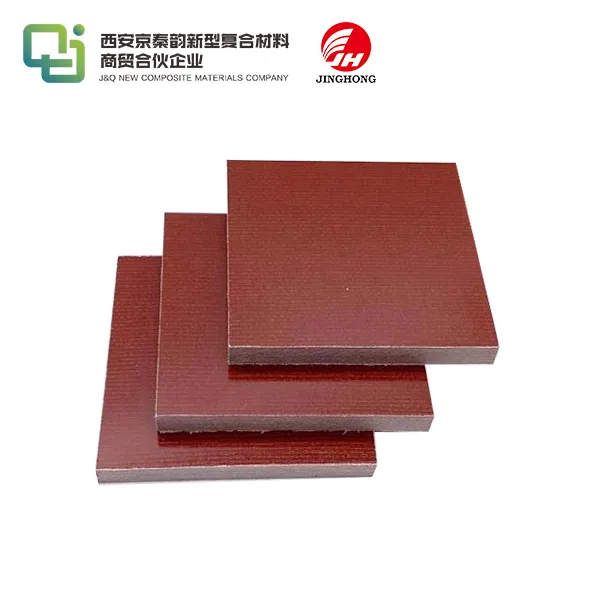
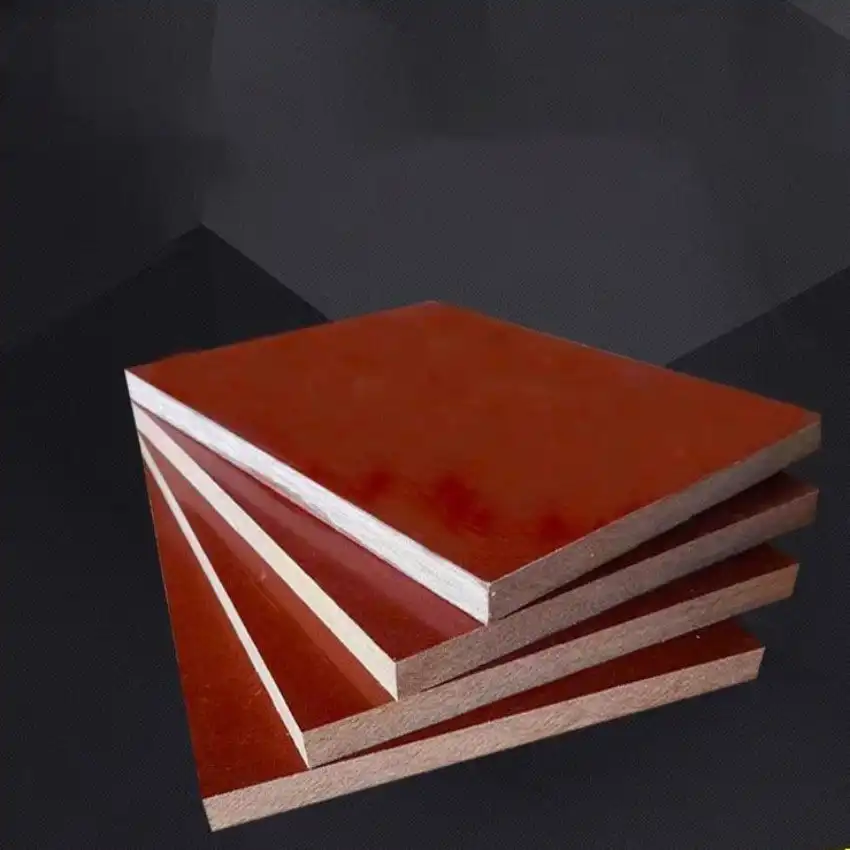
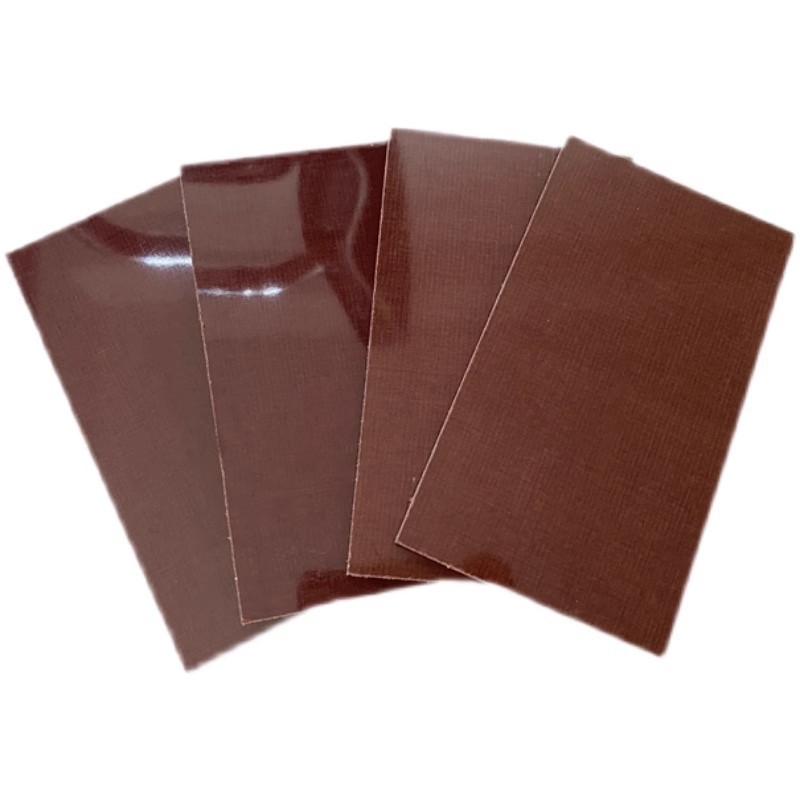
Bakelite 3026 Phenolic Cotton Cloth Board is a high-performance industrial laminate produced by impregnating fine-weave cotton fabric with phenolic resin, then curing under high heat and pressure. The result is a dense, dimensionally stable board with strong mechanical and electrical properties. Engineers across electrical manufacturing, heavy machinery, power distribution, and automotive sectors rely on this material for bushings, gears, wear plates, and insulating components. Its combination of load-bearing capacity, low moisture absorption, and solid dielectric strength makes it a practical choice for demanding production environments.
Understanding Bakelite 3026 Phenolic Cotton Cloth Board
What Is It Made Of and How Is It Produced?
Hongda's Grade 3026 board is made up of at least one layer of fine-weave cotton cloth that is fully soaked with phenolic resin. The laminate stack is put through a hot press, which fully polymerizes the resin and joins the fabric layers together to make a single rigid sheet. The structure of the material is locked in place forever by this thermoset process. It can't melt or change shape under mild heat, which is a big benefit over thermoplastic options.
Key Physical and Electrical Properties
The board's tensile strength is usually at or above 100 MPa; it can work at temperatures up to 120°C (Class E insulation), and it has a density of about 1.35–1.45 g/cm³. Mineral oils, weak acids, and typical industrial solvents don't hurt it very much. Its electrical strength stays the same even when tested in 90°C hot oil, so it can be used for high-voltage shielding. It has a much harder surface and is less likely to wear down than paper-based phenolic grades like Grade X or XX.
How It Compares to Fiberglass and Epoxy Boards?
Grade 3026 is easier to machine and makes less noise when used in gear applications than FR4 (glass epoxy). FR4 has a higher dielectric strength for electronics on a PCB, but 3026's cotton-cloth reinforcement makes it more resistant to contact and works better in settings with a lot of friction and oil. 3026 is usually less expensive than normal epoxy laminates for mechanical parts that don't need to be insulated against very high voltages.

Applications in Bushings, Gears, and Insulating Components
Performance in Bushings and Bearing Retainers
Because they are self-lubricating, phenolic cotton cloth laminates work well for bushings and ball bearing retainers. When metals touch each other, this material, instead of steel or brass, lowers friction, speeds up wear, and gets rid of the risk of galvanic corrosion. Original Equipment Manufacturers (OEMs) have been using this grade for a long time in rotating equipment because it keeps its tight dimensions after CNC machining. This means that the part will last longer and need less maintenance.
Use in Gears and Wear-Resistant Parts
The cotton-cloth structure of Bakelite 3026 Phenolic Cotton Cloth Board reduces shock loads and works more quietly than metal gears in gear applications. This is helpful for appliance motors, conveyor systems, and light industrial drives. The low coefficient of friction and resistance to deformation under cyclic stress of the material make gear teeth last a lot longer. Wear plates, cams, pushers, and slider stock made from 3026 laminate work consistently in high-cycle situations where regular plastics would wear out or deform too soon.
Electrical Insulation and Safety Compliance
In addition to its mechanical uses, the board is a good electrical insulator for switchgear, motor parts, fixture plates, and jig models. It's fire-resistant and RoHS-compliant, which are important for the US and European markets. Power distribution engineers use it to make arc shields and insulate coils when they need a medium level of dielectric strength and temperature stability. It doesn't absorb much water, so insulation doesn't break down in damp conditions, which is a direct factor that affects the long-term safety of live electrical systems.
How to Choose the Right Phenolic Cotton Cloth Board for Your Needs?
Evaluate Thickness and Dimensional Requirements
Hongda's 3026 board comes in six different widths, ranging from 0.5 mm to 100 mm. Each sheet is 1220 mm x 2020 mm. Before placing an order, procurement teams should make sure that the width they choose meets the tolerance standards for the finished part. Check the thickness tolerance certificates for precision gears and bushings (usually ±0.1 mm to ±0.5 mm based on thickness) to avoid problems with grinding that comes after. You can talk to the provider about custom sizes to cut down on material waste in large production runs.
Compare Grade Options Against Application Demands
Not every type of phenolic laminate can do every job. Grade 3026, which is the same as NEMA C or IEC PFCC 201, is designed for mechanical and mild insulation uses. If the insulating strength for PCB-level electronics needs to be very high, FR4 or 3240 resin board might be a better choice. However, 3026 is still the most useful and cost-effective choice for mechanically tough parts like bushings, gears, wear plates, and structural insulation. This is because it is easy to machine and doesn't cost much.
Factor in MOQ, Lead Time, and Logistics
Hongda's minimum order size for Bakelite 3026 Phenolic Cotton Cloth Board is 500 kg, which works for both small and big production orders. With a production capacity of 13,000 tons per year, wait times are always the same, even when buying in bulk. Ocean, land, and air freight are all supported, and safe packing on pallets keeps sheets together while they're in transit. Payment is made through T/T. It's a good idea to ask for samples before committing to a large order. This way, your engineering team can make sure that the product can be machined and that the dimensions match your production requirements.
Technical Standards and Compliance for Bakelite 3026 Boards
Applicable Standards and Certifications
The board is in line with the requirements of GB/T 5130 and IEC 60893 for phenolic laminated sheets. Conformity with ASTM D709 (Standard Specification for Laminated Thermosetting Materials) is an important standard for buyers in the US market. RoHS compliance has been established for markets in Europe and North America. Depending on the application, fire retardancy ratings can be requested. Electrical engineers and procurement teams in the power sector should check with the supplier about this before placing orders.
Quality Assurance and Inspection Protocols
Consistent board quality depends on thorough inspections both during production and before the boards leave the factory. Some important checks are checking for delamination using an oil-boil and then a compression load, looking at the surface for boils or resin starvation, measuring the thickness and smoothness against tolerance charts, and testing for dielectric breakdown in hot oil at 90°C. These steps make sure that the bonding strength and insulating properties of each batch stay the same. As standard paperwork, buyers should ask for batch test reports, especially for large or safety-critical orders.
Packaging and Storage Recommendations
Boards are shipped on standard pallets and are wrapped in protective material to keep the surface from getting damaged or wet during transport. Lay the sheets out flat in a dry place out of direct sunlight. To keep sheets from breaking before they are used, don't stack heavy things on thin sheets (less than 5 mm). Proper storage has a direct effect on the quality of CNC machining; boards that are twisted or wet can cause tools to deviate and final parts to be the wrong size.
Conclusion
Bakelite 3026 Phenolic Cotton Cloth Board has a clear place in the selection of industrial materials. Its cotton cloth reinforcement makes it stronger than phenolics made from paper, and its phenolic resin core protects it from heat and chemicals that pure thermoplastics don't have. It's a technically sound, cost-effective choice for engineers and procurement teams looking for materials for bushings, gears, wear plates, and insulating parts that have been used in the field for decades. Before placing large orders, make sure that thickness tolerances are checked, batch documentation is requested, and standard compliance is confirmed. This will protect both product quality and procurement timelines.
FAQ
Why does Grade 3026 outperform paper-based phenolic grades in mechanical applications?
When compared to paper-based types (X, XX, XXX), boards reinforced with cotton cloth have much better impact strength and abrasion resistance. The woven cloth can handle shock loads without coming apart, which is very important for gears and bushings that are subject to repeated mechanical stress. Paper grades work best for light electrical insulation and not for parts that have to hold weight.
How does it compare to fiberglass laminate on cost and durability?
Fiberglass (FR4/G10) is more expensive and harder to work with when making gears, bushings, and wear plates. 3026 is cheaper and easier to work with without wearing down the tools. Fiberglass has a higher insulating strength for electronics, but the cotton-cloth type works better in high-friction places that are oiled.
What lead times should buyers expect for bulk orders?
With a production capacity of 13,000 tons per year, Hongda usually sticks to regular delivery times for standard sheet sizes. Most big sales from the US market are sent by ocean freight. Get in touch with the sales team to get up-to-date wait time figures based on the size and location of your order.
Can the board be machined to tight tolerances?
Of course. Standard CNC routers, drills, and mills work well with Grade 3026. Its consistent density and low rate of resin starvation make tool paths stable. Check with your provider that the thickness limit paperwork is correct so that the machining parameters are in sync before production.
Get a Quote from J&Q — Trusted Bakelite 3026 Phenolic Cotton Cloth Board Supplier
J&Q has been making insulated sheets for more than 20 years and trading with other countries for more than 10 years. As a direct manufacturer of Bakelite 3026 Phenolic Cotton Cloth Board, we can offer low prices, proof of batch quality, and a variety of sample programs. Our own transportation network helps send goods around the world by sea, land, and air. To get a quote right away, email your requirements to info@jhd-material.com or go to jhd-material.com.
References
1. ASTM International. ASTM D709: Standard Specification for Laminated Thermosetting Materials. ASTM International, 2021.
2. IEC. IEC 60893-3: Specification for Industrial Rigid Laminated Sheets Based on Thermosetting Resins. International Electrotechnical Commission, 2018.
3. Harper, Charles A. Handbook of Plastics Technologies. McGraw-Hill, 2006.
4. Domininghaus, Hans. Plastics for Engineers: Materials, Properties, Applications. Hanser Gardner Publications, 2008.
5. Brydson, J. A. Plastics Materials. 7th ed. Butterworth-Heinemann, 1999.
6. GB/T 5130. Phenolic Cotton Cloth Laminated Sheet — Technical Specifications. Standardization Administration of China, 2020.