Can Flame Resistance FR4 Fiber Glass Laminate Sheet Reduce Fire Risks in Electrical Assemblies?
2026-10-12 16:14:35
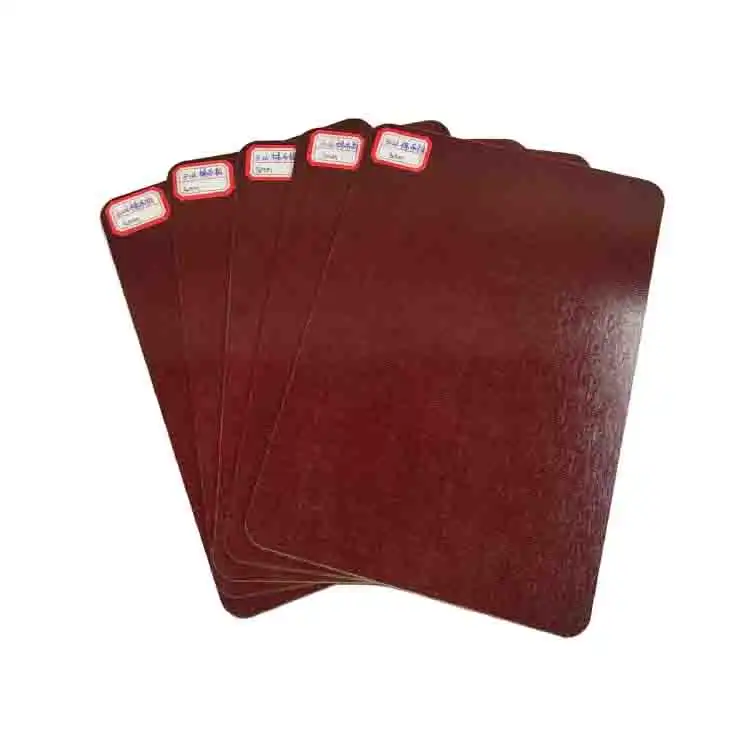
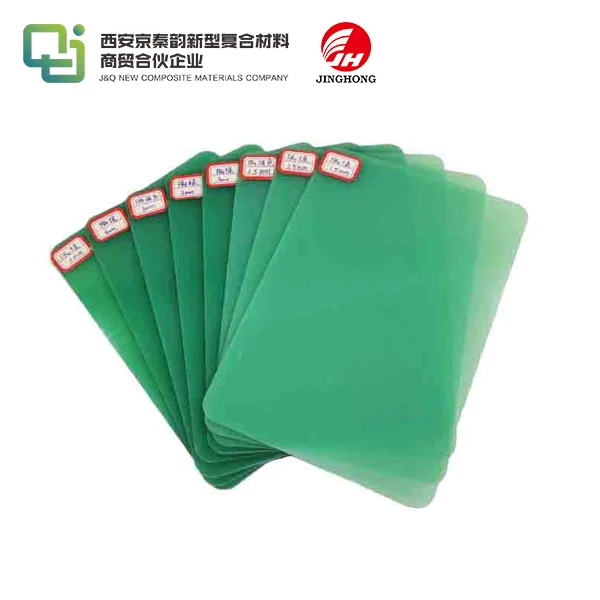
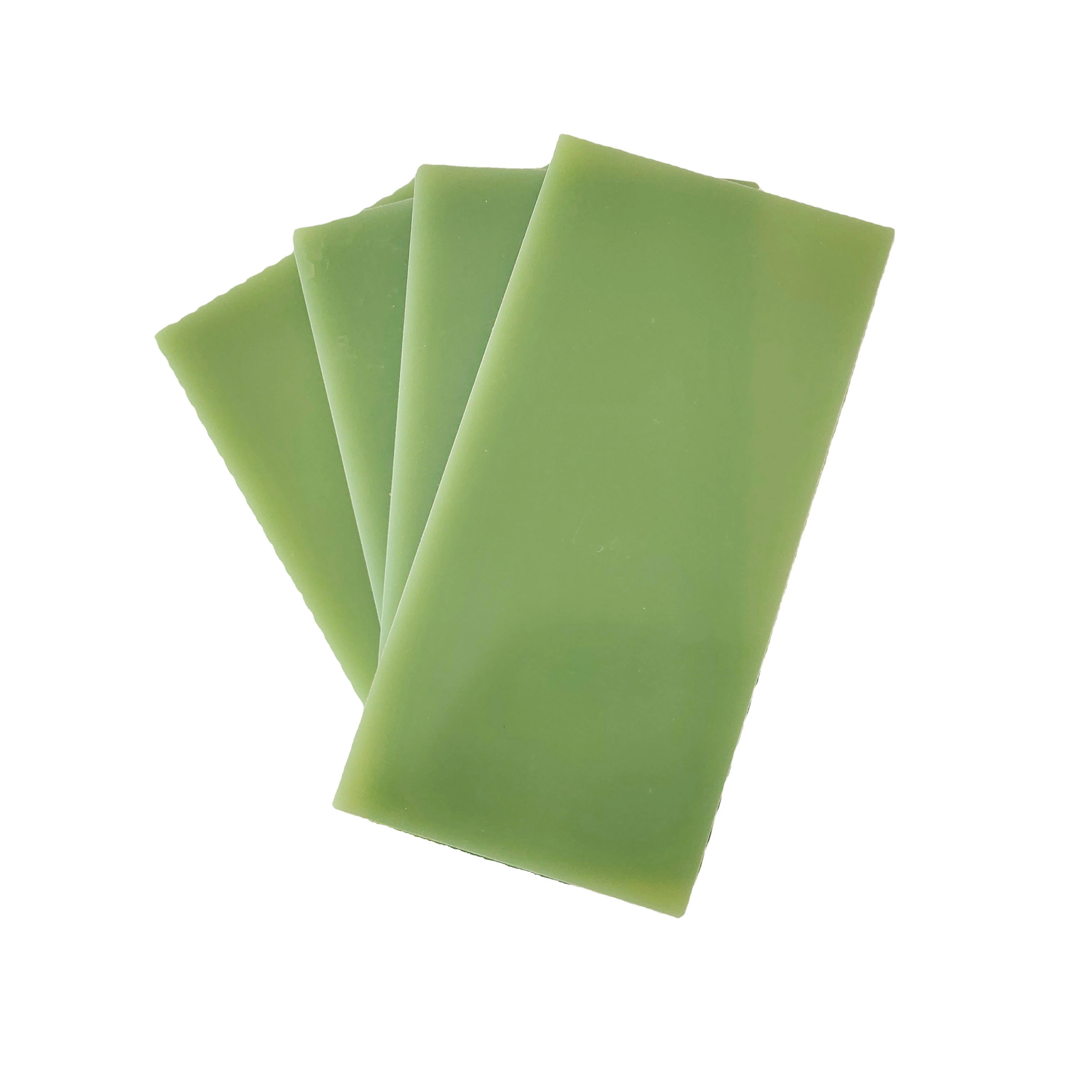
Yes — Flame Resistance FR4 Fiber Glass Laminate Sheet does reduce fire risks in electrical assemblies, and the evidence is well-documented. This material is manufactured from woven fiberglass cloth bonded with epoxy resin, and the "FR" designation explicitly stands for "fire resistant," as defined by the National Electrical Manufacturers Association (NEMA). Hongda's FR4 laminate sheet achieves a UL 94 V-0 flammability rating, meaning it self-extinguishes within 10 seconds after a flame source is removed. For engineers and procurement teams managing switchgear, PCB substrates, or motor insulation, this is a material-level safety advantage that directly lowers the probability of fire propagation inside live electrical systems.
Understanding Flame Resistance in FR4 Laminate Sheets
Before you look for insulation, it's helpful to know what makes FR4 different from past options and why that difference is important for fire safety.
What UL 94 V-0 Rating Actually Means?
Underwriters Laboratories put out a standard called UL 94 that sorts plastics into groups based on how they burn. For the V-0 classification, which is the strictest horizontal/vertical rating, a test specimen must put out the fire within 10 seconds, not make any flaming drips, and not show any signs of complete combustion. GB/T 2408-2008 tests proved that Hongda's Flame Resistance FR4 Fiber Glass Laminate Sheet meets this grade.
Epoxy Resin and Fiberglass: A Fire-Resistant Combination
Flame Resistance: FR4's fire resistance comes directly from the way its materials are made. Fiberglass cloth doesn't catch fire when there is a regular electrical fault, and the flame-retardant chemicals in the epoxy resin binder stop the burning cycle. Together, they make a sheet that won't catch fire even when exposed to heat for a long time. This is something that paper-based laminates like FR1 simply cannot do.
Thermal Performance Under Load
Standard Flame Resistance FR4 Fiber Glass Laminate Sheet keeps its structural and dielectric integrity at temperatures up to about 130°C when it is used continuously. If you test Hongda's Flame Resistance FR4 Fiber Glass Laminate Sheet at 90°C in transformer oil, you can see that the vertical layer breakdown voltage is 16.7 kV/mm and the parallel layer breakdown voltage is more than 100 kV. These numbers show that the material is still electrically safe even when it is under a lot of heat, which is when the risk of a fire is highest.

Fire Risk Challenges in Electrical Assemblies and How FR4 Addresses Them
Overheating, arcing, and insulator breakdown are all known to cause electrical systems to fail. All of these types of failure pose a fire risk. This is how Flame Resistance FR4 Fiber Glass Laminate Sheet immediately deals with each one.
The three most common ways that electrical assemblies fail because of fire are:
- Overheating parts: Flame Resistance FR4's low dielectric dissipation factor (7.2×10⁻³ at 50 Hz) keeps energy loss to a minimum as heat, so heat doesn't build up around insulation surfaces as much. Its bending strength is 571 MPa, and its compression strength is 548 MPa. These strengths also prevent mechanical damage that could lead to arcing gaps.
- Arcing electricity: Flame Resistance FR4 Fiber Glass Laminate Sheet is a good arc barrier in switchgear and transformer coil insulation because it has a dielectric breakdown voltage above 100 kV (parallel layer). This makes it less likely for an arc flash to move across insulating surfaces.
- Combustible base materials: Flame-resistant FR4 was used instead of G-10 because G-10 is not flame retardant. Because Flame Resistance FR4 has a V-0 rating, if something goes wrong, the laminate won't keep burning or help the flame spread through an assembly.
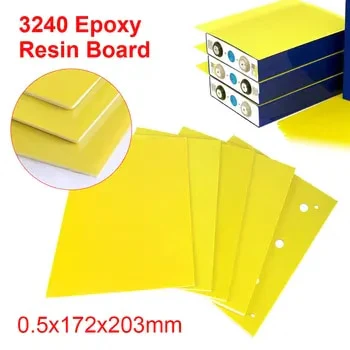
Because it protects at the material level, Flame Resistance FR4 Fiber Glass Laminate Sheet is used on PCB substrates, insulation plates, switch insulation plates, and lithium battery pack barriers—places where fire containment is a must.
Selecting the Right FR4 Sheet for Your Procurement Needs
Flame Resistance FR4 Fiber Glass Laminate Sheets are not all the same. Before making bulk orders, procurement teams need to carefully look over the specs.
Certifications and Testing Documentation
Give test data from sources that can be tracked with more weight. The GB/T 1303.4-2009, GB/T 2408-2008, and GB/T 3854-2005 standards are used to test Hongda Flame Resistance FR4 Fiber Glass Laminate Sheets. Before you place an order, make sure you have full datasheets and that the flammability grade, breakdown voltage, and water absorption values match the environment in which your assembly will be used.
Thickness Range and Custom Sizing Options
The width of Hongda's Flame Resistance FR4 Fiber Glass Laminate Sheet can range from 0.3 mm to 100 mm, and the normal size is 1030 mm x 1230 mm. You can order custom sizes, like 1220 mm × 2440 mm and 1030 mm × 2070 mm, to fit certain PCB panel layouts or structural insulation designs. This cuts down on waste and machining time.
Mechanical Properties Relevant to Your Application
The material has a tensile strength of 282 MPa, a Barcol hardness of 76, and an insulation resistance of 2.2×10²³ Ω after being soaked. These numbers are useful for CNC machining, making gears, and making mechanical spacers where accuracy in measurements and strength under load are just as important as electrical performance.
Best Practices for Integrating FR4 Laminates in Electrical Assemblies
It's not enough to just choose the right material. How well it works over the life of the product depends on how you incorporate it into the design of the system.
Thickness Selection Based on Thermal Load
For high-voltage switchgear and transformer insulation, where dielectric standoff distance is important, thicker Flame Resistance FR4 Fiber Glass Laminate Sheets (above 3 mm) are best. Thinner sheets (0.5 mm to 2 mm) work well for PCB boards and insulation plates in motor and consumer electronics parts. Matching the width of the sheet to the heat and electrical load stops it from breaking down too quickly.
CNC Machining Considerations
Because it has glass fiber in it, Flame Resistance FR4 Fiber Glass Laminate Sheet is rough. To keep dimensions accurate and protect workshop workers, you need tungsten carbide tools and the right way to get rid of dust. With a density of 2.01 g/cm³ and tight thickness limits, Hongda's sheets allow CNC processes to be repeated during large production runs.
Lifecycle Management and Replacement Schedules
When exposed to high temperatures over and over, Flame Resistance FR4 shielding does not last forever. Check the integrity of the insulation on a regular basis, especially for parts that are heated and cooled over and over again above 100°C. Replace sheets that show discoloration, surface cracking, or measurable increases in dielectric loss.
Procurement and Supply Chain Insights for FR4 Laminates
When you need a lot of Flame Resistance FR4 Fiber Glass Laminate Sheets, you need to pay attention to the supplier's ability, transportation, and minimum order needs.
The company that runs Hongda is called J&Q Insulation Material Co., Ltd. It is a foreign trade company with a plant that can make 13,000 tons of flame-resistant FR4 every year. It makes 43,000 tons of insulation board every year, which makes it one of the biggest insulation board makers in China. Orders are sent by sea, land, or air freight, and the sheets are protected on pallets so they don't get damaged during shipping. The MOQ is 500 kg, which works for both small-scale test sales and long-term contracts for supply. You can pay with T/T, and orders placed directly with J&Q are produced before orders from other sellers.
Conclusion
Flame Resistance FR4 Fiber Glass Laminate Sheet does lower the risk of fire in electrical circuits because it has a V-0 grade for flammability, a high dielectric breakdown voltage, doesn't absorb much moisture, and doesn't let arcs spread. Because of these qualities, it is a good choice for PCB boards, switchgear insulation, battery pack barriers, and motor parts in the power, automobile, industrial, and electronics sectors. The easiest way to make sure that electrical assemblies are safer and more compliant is to choose certified materials that have test data that can be tracked, the right thickness, and a reliable supply chain.
FAQ
Is FR4 fiberglass laminate sheet inherently flame retardant?
Yes, Flame Resistance FR4 is made with flame-resistant epoxy glue and is classified as UL 94 V-0. This means it doesn't easily catch fire and goes out quickly when a flame source is removed. The rating is not just put on the surface; it is built into the resin chemistry of the material, so it stays valid for as long as the product is used.
How does the V-0 flammability rating affect electrical assembly safety?
If the grade is V-0, the Flame Resistance FR4 Fiber Glass Laminate Sheet stops burning within 10 seconds of the flame being removed, and there are no flaming drips. In a live electrical assembly, this keeps the fire from spreading to nearby parts, keeps equipment from getting damaged, and helps meet safety standards like UL and RoHS.
When should I choose FR5 or polyimide over FR4?
When heated to about 130°C, Flame Resistance FR4 Fiber Glass Laminate Sheet works well. High-Tg FR4 (170°C+), FR5, or polyimide laminates may be better if your assembly works regularly above that temperature range, like in aircraft electronics or high-power converters. Most standard PCB and circuit uses can be met with standard FR4, which is both fast and cheap.
Get FR4 Laminate Sheets from a Trusted Supplier — Contact J&Q Today
J&Q offers Hongda Flame Resistance FR4 Fiber Glass Laminate Sheets with verified V-0 flammability ratings, thicknesses from 0.3 mm to 100 mm, and custom sizing to match your assembly drawings. Backed by 20+ years of production experience and our own logistics network, we provide one-stop service from manufacturing to delivery. Engineering and procurement teams are welcome to request samples or datasheets. Reach us at info@jhd-material.com or visit jhd-material.com to connect with our technical team.
References
1. Underwriters Laboratories. UL 94: Standard for Tests for Flammability of Plastic Materials for Parts in Devices and Appliances. 2013.
2. National Electrical Manufacturers Association (NEMA). LI 1: Industrial Laminating Thermosetting Products. 2020.
3. Coombs, C. F. Printed Circuits Handbook (7th ed.). McGraw-Hill Education, 2016.
4. IPC Association Connecting Electronics Industries. IPC-4101: Specification for Base Materials for Rigid and Multilayer Printed Boards. 2017.
5. Harper, C. A. Electronic Materials and Processes Handbook (3rd ed.). McGraw-Hill, 2004.
6. Goosey, M., & Kellner, R. Printed Circuit Board Material Technology. Electrochemical Publications, 1999.