Bakelite Board Offers Reliable Performance for Manufacturing Applications
2026-08-13 17:27:28
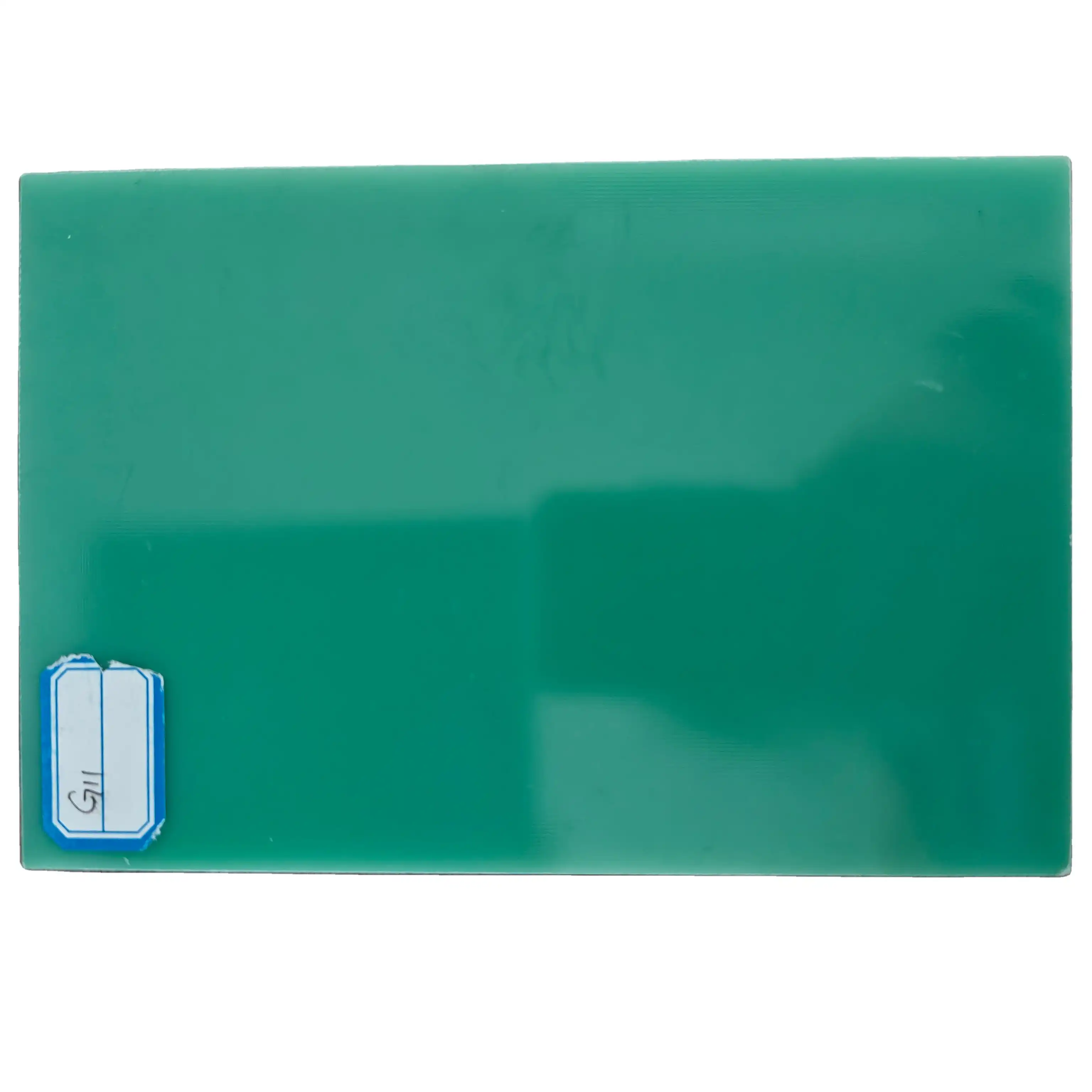
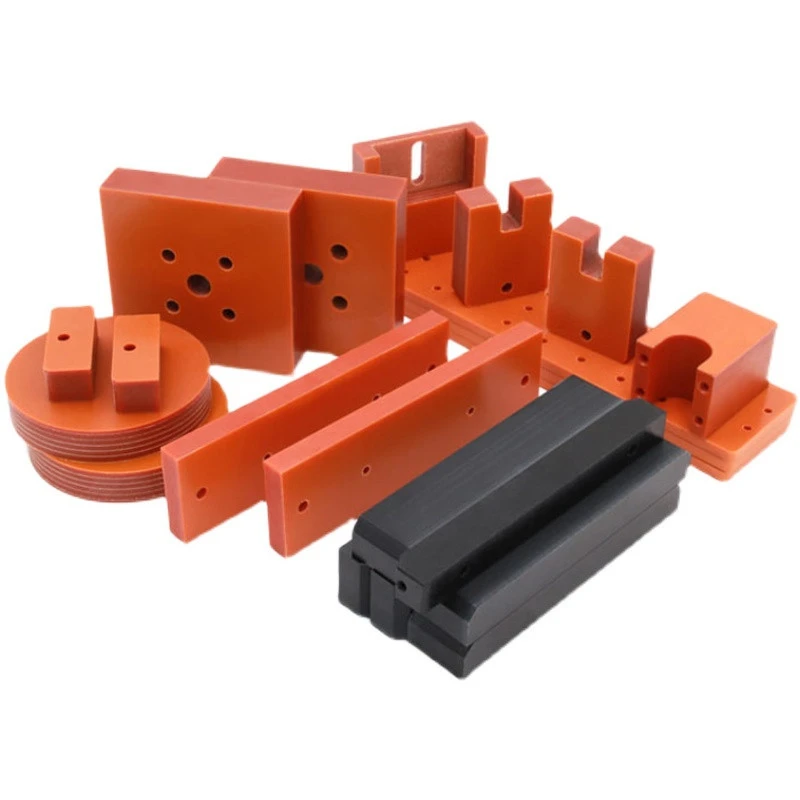
Bakelite board continues to prove itself as an essential material in modern manufacturing, delivering exceptional electrical insulation, thermal stability, and mechanical strength that industrial operations demand. As a phenolic laminated sheet created through heat and pressure application to resin-impregnated layers, this thermosetting composite addresses critical challenges in high-voltage environments, humid conditions, and precision machining applications. From PCB backup boards to switchgear insulation and heavy-duty gears, bakelite board provides the dimensional stability and performance consistency that engineering managers and procurement specialists require for optimal production outcomes.
Understanding Bakelite Board: Properties and Manufacturing
What Defines a Quality Bakelite Board?
Leo Baekeland invented the world's first fully manufactured plastic in 1907, which is when phenolic resin-based laminates were first made possible. When heated, thermoplastics melt, but bakelite board keeps its shape once it's hardened, making it the most dimensionally stable material available. The stuff is made of layers of paper or glass cloth that have been saturated with phenol-formaldehyde resin. These layers are then pressed together at a controlled temperature and pressure to make a thick, stiff structure that doesn't bend.
Core Physical and Electrical Characteristics
The scientific details make it clear why this material is still needed in many fields. Phenolic laminates have a specific gravity of 1.30 to 1.45 g/cm³, which means they are strong without being too heavy. In oil step-by-step tests, the breakdown voltage usually goes over 10kV/mm. This means that the material is suitable for electrical insulation classes E (120°C) and B (130°C). Chemical resistance against acids, solvents, and mineral oils that don't oxidize increases service life in harsh environments. The rate at which water is absorbed meets NEMA standards, so the dielectric performance stays the same even when it's humid.
Manufacturing Process and Quality Assurance
The process of making something includes carefully covering base materials with phenolic resin and then pressing them together at high temperatures. This process of pressing and sealing makes the sheet's density constant, getting rid of any holes that could affect its electrical or mechanical performance. We follow the NEMA LI-1 standards very carefully (Grades X, XX, and XXX for paper-based; C, CE, L, and LE for cloth and linen options), as well as the IEC 60893 and JIS K 6912 rules. Because we've been making things for 20 years, we've developed quality control procedures that make sure every sheet meets the high standards that electrical engineers and procurement teams expect.
Comparing Bakelite Board with Alternative Materials for Industrial Use
Performance Against Fiberglass and Epoxy Composites
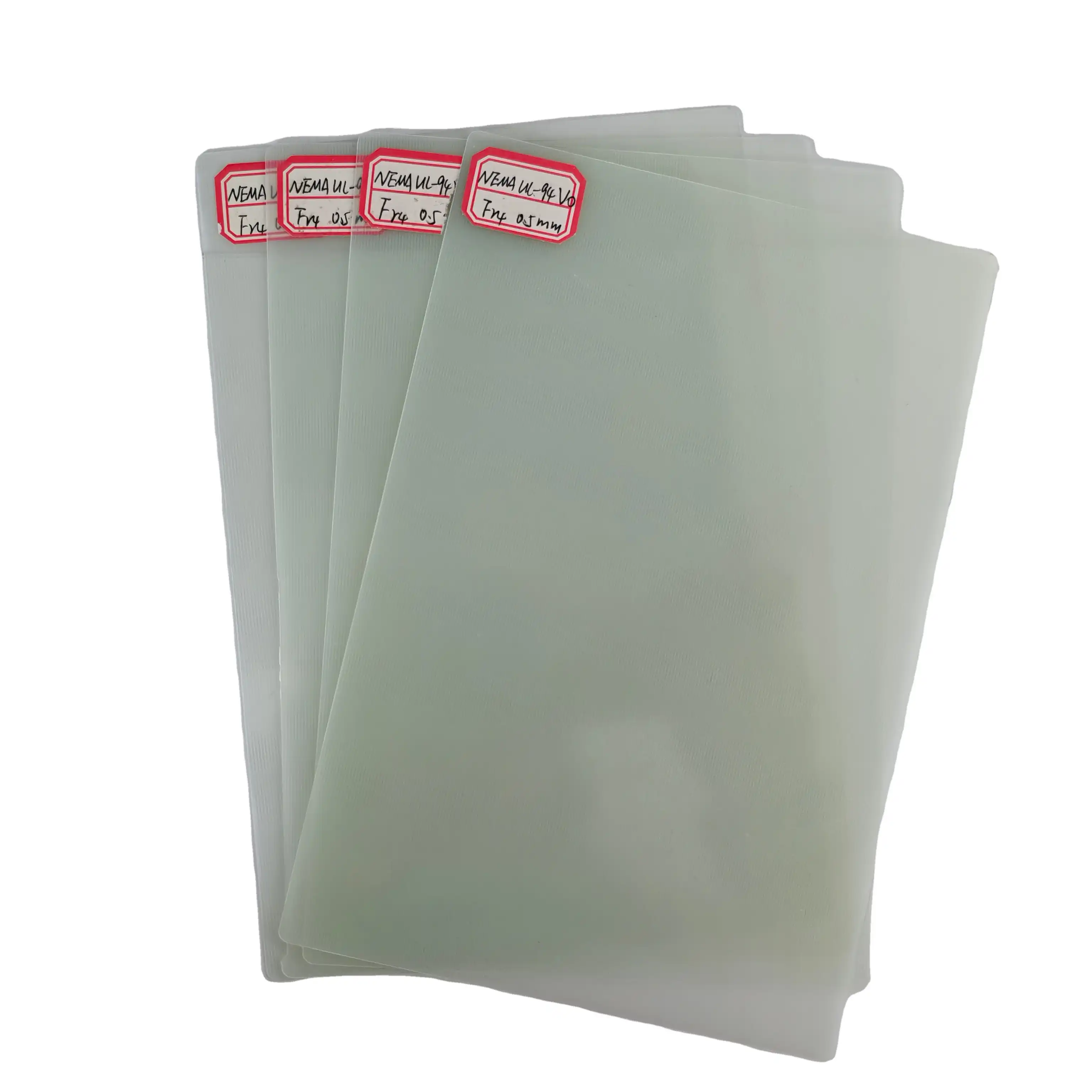
When looking at different insulation materials, knowing their relative benefits helps you make smart buying choices. FR4 epoxy-glass composites are very good at resisting water and fire, which makes them perfect for uses that need to be very safe around the environment. Phenolic laminates, on the other hand, are a cheap option when high-frequency performance or extreme moisture exposure are not needed. Paper-based phenolic grades are often more efficient at production than FR4 when it comes to cutting and drilling. This means that tools last longer and production cycles are shorter. Bakelite board provides a cost-effective alternative in these specific industrial contexts.
Mechanical Strength Compared to Traditional Materials
In structural uses, cotton phenolic types (C and L) are stronger and more resistant to impact than many plastics, MDF, and plywood. Loads are spread out evenly by the laminated construction, which keeps it from breaking suddenly under stress. While standard plastics and PVC soften at high temperatures, thermosetting phenolic stays the same size up to 130°C of constant operation. This ability to withstand high temperatures is very important for motor parts, switchgear systems, and thermal shields where material creep could lower safety gaps.
Cost-Effectiveness in High-Volume Applications
The people in charge of buying things always agree that phenolic laminates are a great value for uses that don't need the high standards of advanced composites. Sheet prices stay the same because production technologies are well-established and raw materials are easy to get. Machinability lowers the cost of extra processes, and the material's durability lowers the number of times it needs to be replaced. Companies that make home appliances really like these cost savings when they are planning to make a lot of insulation frames and motor parts.
Procurement Considerations for Bakelite Board Buyers
Supplier Evaluation and Certification Requirements
To find reliable sources of materials, production skills, and quality processes need to be carefully checked. Engineering managers should check that suppliers follow international rules by looking at certificates like UL recognition and ROHS compliance paperwork. A production capacity estimate makes sure that providers can meet both the small quantities needed for prototypes and the larger volumes needed for mass production without having to cut delivery times. Technical support after the sale is especially helpful when changes need to be made during the product development process for bakelite board components.
Minimum Order Quantities and Lead Time Planning
Knowing the limits for buying helps handle inventory better and keep projects on schedule. Custom sheet sizes may need dedicated production runs because they require higher minimum quantities. Standard sheet sizes, on the other hand, usually need lower minimum quantities. Lead times depend on the grade chosen, the thickness requirements, and the current production schedules. We suggest that procurement experts ask for samples during the qualification phase. This way, engineering teams can check the features of the materials before committing to large orders. This method has worked well for all of our clients, from companies that make transformers to companies that make parts for cars.
Customization Options and Dimensional Precision
In industrial settings, certain widths, sheet sizes, or carved features are often needed, and for bakelite board, based on the sheet gauge, thickness limits usually fall between ±0.1mm and ±0.5mm, which has a direct effect on how well the parts fit together and how well they work with automatic production lines, and you can finish the surface in a normal smooth way, or you can sand it down and add texture to meet specific handle or bonding needs, and our in-house CNC machines let us cut, drill, and shape precisely to customer drawings, and this cuts down on the amount of secondary processing you have to do and speeds up the time it takes to make something. Based on the sheet gauge, thickness limits usually fall between ±0.1mm and ±0.5mm, which has a direct effect on how well the parts fit together and how well they work with automatic production lines. You can finish the surface in a normal smooth way, or you can sand it down and add texture to meet specific handle or bonding needs. Our in-house CNC machines let us cut, drill, and shape precisely to customer drawings. This cuts down on the amount of secondary processing you have to do and speeds up the time it takes to make something.
Advantages of Bakelite Board in Manufacturing Applications
The performance qualities of phenolic laminates explain why they are still so popular in many industry areas. When you combine great electrical insulation, thermal resilience, and mechanical durability, you solve some of the most important problems in modern manufacturing settings. Here are the main reasons why bakelite board is so important:
- Superior Electrical Insulation Properties: A dielectric strength of more than 10kV/mm protects delicate electronics and stops voltage leaks in high-power applications, meeting strict safety standards for switches, PCB support structures, and motor components.
- Exceptional Thermal Stability: The material can work continuously at 120–130°C without breaking down, which makes it a good choice for heat-generating equipment that needs to work reliably. It can also be used as transformer insulation, arc barriers, and thermal separation components.
- Outstanding Machinability: The make-up of the material lets exact punching, drilling, and shearing happen without edge cracking or delamination, which lowers tool wear and makes it possible for automatic assembly systems to work with tight tolerances.
- Chemical Resistance: Being resistant to mineral oils, non-oxidizing acids, and common solvents makes things last longer in industrial settings where they are regularly exposed to lubricants, coolants, and cleaners.
- Mechanical Robustness: High compressive strength and impact resistance keep the structure's integrity under mechanical loads, shaking, and changes in temperature, which keeps it from breaking too soon in tough situations.
All of these benefits take away the problems that electrical engineers and procurement specialists have when they have to choose insulation materials. Dimensional stability stops warping that would mess up automated production processes, and low moisture absorption keeps the electrical properties stable even when the environment changes. Our quality control methods make sure that these performance traits are correct by testing them thoroughly. For example, we check the surface flatness according to ASTM D790 guidelines and the dielectric strength following ASTM D149 steps.
How to Choose the Right Bakelite Board for Your Manufacturing Needs?
Assessing Application-Specific Requirements
Before choosing materials, it's important to be clear about what the operations will be. Paper types (X, XX, XXX) that are best for voltage breakdown resistance and punching processes are usually preferred for applications that need electrical shielding. For mechanical uses that need impact strength and load-bearing ability, grades (C, L, CE, LE) made from cotton or linen are better because they are tougher. Temperature exposure curves show if normal grades are enough or if special formulations are needed. Beyond the basic requirements, power distribution equipment and transformer assemblies need to be tested for flame resistance and arc tracking resistance for the chosen bakelite board grade.
Evaluating Grade Options and Performance Metrics
NEMA grade labels tell you about certain sets of properties. For general-purpose insulation, Grade XX paper phenolic has great electrical properties, and Grade XXX is better for high-volume stamping operations because it has better punching quality. Grade C, which is made from canvas, has better mechanical strength for gears, spacers, and wear-resistant parts. By knowing these differences, you can avoid over-specification, which raises costs needlessly, and under-specification, which increases the risk of failure too soon. Key factors like dielectric strength, flexural strength, water absorption rates, and heat conductivity should be written down in technical data forms.
Building Strategic Supplier Partnerships
To be successful in long-term procurement, you need to build ties with manufacturers who consistently provide high-quality products and quick expert support. Suppliers who have been making products for a long time can guarantee consistent material properties across runs, which is important for keeping assembly standards and product certifications. When solving machining problems or choosing the best materials for new uses, technical help is important. During the design phase, our engineering team works with clients to make material suggestions based on specific performance needs and cost constraints. This consultative approach has helped the automotive, power generation, and industrial machinery industries launch new products that do well.
Conclusion
When it comes to making, phenolic laminates continue to work well in situations where electrical insulation, heat stability, and mechanical strength are all important. The bakelite board has been used successfully in electrical equipment, industrial tools, power systems, auto parts, and home products, showing that it can be used to solve a wide range of engineering problems. Material grades, comparative advantages against alternatives, and strategic buying considerations that maximize both performance and cost-effectiveness are all things that procurement workers should know. If you choose suppliers with documented quality systems, the ability to make changes, and technical support resources, you can be sure that the materials will fit together well and that the operations will be reliable for a long time.
FAQ
What distinguishes paper phenolic from cotton phenolic grades?
Different grades of bakelite board paper (X, XX, and XXX) work really well for high-voltage shielding tasks and cutting because they have better dielectric strength and smooth surfaces that are perfect for electrical parts. Cotton phenolic grades (C, L) have better mechanical qualities, like being more resistant to pressure and being able to hold more weight. This makes them perfect for structural parts, gears, and other uses that are subject to mechanical stress.
Can phenolic laminates withstand continuous temperatures above 150°C?
Standard grades can work continuously at temperatures up to 120 to 130°C. When exposed to temperatures above 150°C, resin usually breaks down, turns into carbon, and loses its shielding qualities. Ceramic-filled phenolic versions or other materials, such as polyimide laminates made for extreme thermal environments, should be considered for applications that need higher temperature protection.
Why does machining phenolic material produce a noticeable odor?
Small amounts of phenol and formaldehyde are released from the resin core by friction heat during cutting. Proper ventilation systems and dust extraction equipment are necessary for safety during CNC machining. They keep workers safe and keep production facilities' air quality standards high.
Partner with J&Q for Premium Bakelite Board Supply
You can trust J&Q as your bakelite board supplier because they have been making things for over twenty years and have been trading internationally for ten years. Our factories follow strict quality standards that are in line with NEMA, IEC, and JIS standards. This makes sure that every sheet gives your projects the electrical insulation, heat stability, and mechanical performance they need. We offer full customization services, such as precise drilling, cutting, and thickness specs that are made to fit your exact engineering needs. Our integrated logistics capabilities make delivery coordination easier, so you don't have to deal with the hassles of managing multiple vendors.
Whether you're sourcing materials for PCB assemblies, switchgear components, transformer insulation, or industrial machinery parts, our technical team stands ready to recommend optimal grades and configurations. Contact us at info@jhd-material.com to discuss your specifications, request samples, or obtain competitive quotations. Visit jhd-material.com to explore our full product range and discover how our one-stop service model simplifies procurement while delivering the consistent quality your production schedules require.
References
1. Baekeland, L. H. (1909). "The Synthesis, Constitution, and Uses of Bakelite." Industrial & Engineering Chemistry, Volume 1, Issue 3.
2. National Electrical Manufacturers Association (2018). "NEMA Standards Publication LI 1-2018: Industrial Laminated Thermosetting Products."
3. International Electrotechnical Commission (2019). "IEC 60893: Insulating Materials - Industrial Rigid Laminated Sheets Based on Thermosetting Resins for Electrical Purposes."
4. ASTM International (2017). "ASTM D709-17: Standard Specification for Laminated Thermosetting Materials." West Conshohocken, PA.
5. Mantia, F. P. (2002). "Handbook of Plastics Recycling." Rapra Technology Limited, Chapter on Thermosetting Plastics.
6. Harper, C. A. (2006). "Handbook of Plastics Technologies: The Complete Guide to Properties and Performance." McGraw-Hill Professional, Section on Phenolic Resins.