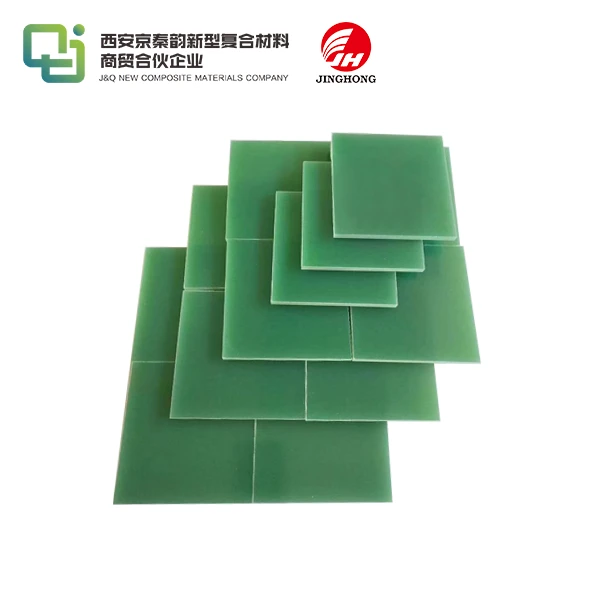
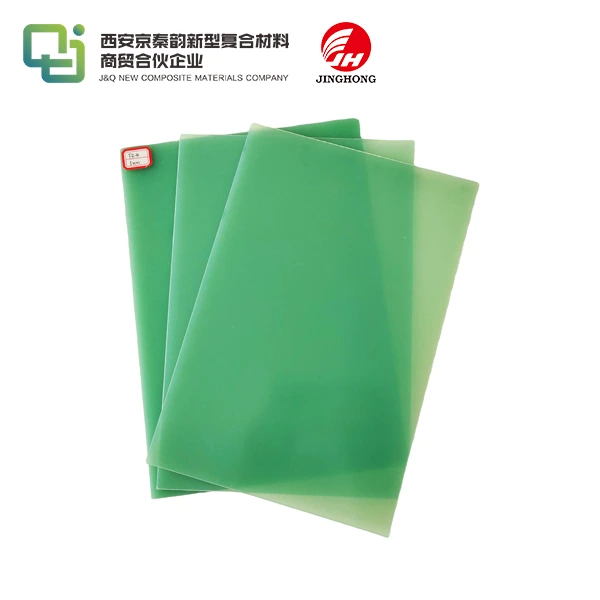
Epoxy FR4 Provides Stable Properties for Precision Components
2026-08-13 17:27:23
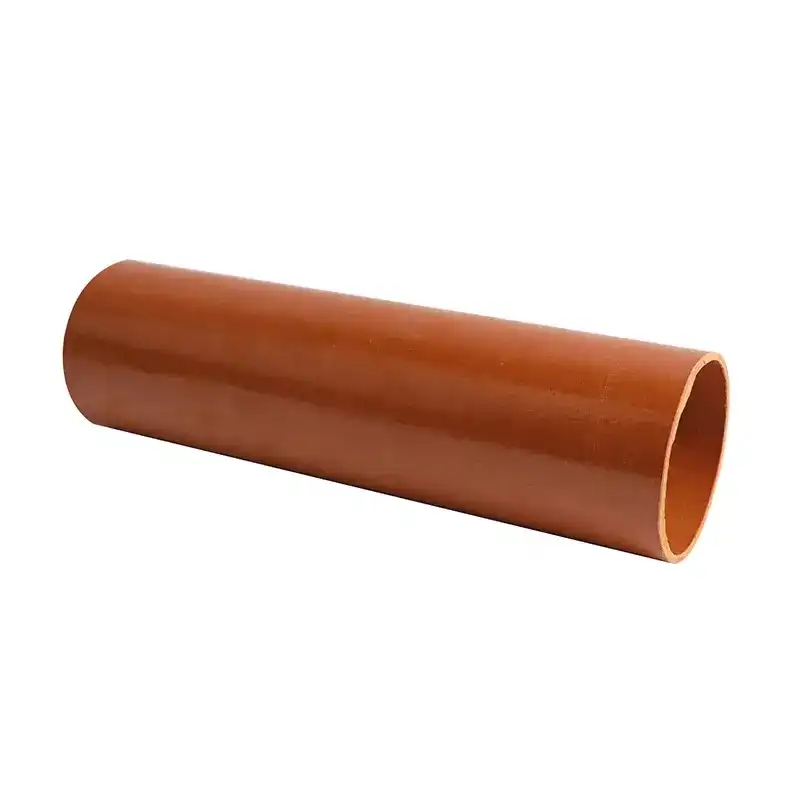
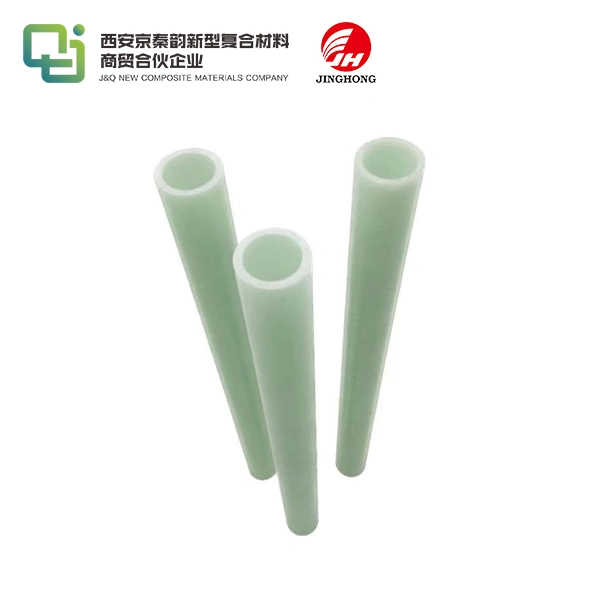
When precision matters most in your manufacturing process, the substrate material you choose becomes the foundation of reliability. Epoxy FR4 stands out as a composite laminate combining woven fiberglass and flame-retardant epoxy resin, delivering unmatched dimensional stability, thermal endurance, and electrical insulation. This glass-reinforced material has proven its worth across industries where component failure isn't an option—from aerospace avionics to power distribution systems. The consistent performance characteristics of Epoxy FR4 ensure that your precision components maintain integrity through thermal cycling, mechanical stress, and electrical demands that would compromise lesser materials.
Understanding Epoxy FR4 and Its Core Properties
The Composition Behind Performance
Epoxy FR4 is a composite material that was carefully designed. The woven E-glass fabric and epoxy resin system stick together tightly, making a composite that doesn't delaminate even in harsh conditions. The "FR" label means that the material is flame-retardant and meets UL94V-0 standards. This means that it won't spread flames and quickly goes out on its own. This important safety trait comes from bromine-based additives that were mixed into the resin core while it was being made.
The temperature at which a substance changes from being stiff to being flexible is called its glass transition temperature (Tg). Standard grades work successfully up to 130–140°C, and High-Tg versions work up to 170–180°C higher. This thermal window tells you how well your parts will work with reflow soldering, running for a long time in hot enclosures, and changing temperatures in industrial or vehicle settings.
Mechanical Strength That Endures
Material engineers like Epoxy FR4 because it has a great ratio of strength to weight. The continuous glass fiber reinforcement gives the material tensile strength above 400 MPa, which means it can hold loads on its own without breaking. This toughness is very important when cutting complicated shapes—thread holes, precision slots, and mounting points keep their exact sizes even after CNC milling or drilling.
Because of its high toughness, the material can be used as wear-resistant spacers and gears in machinery. When you choose the right Epoxy FR4 grades, the surface stays strong through thousands of mechanical cycles, while softer phenolic grades break down when they rub against each other. The low rate of moisture absorption (less than 0.10% after 24 hours of immersion) stops dimensions from changing in damp places. This keeps important standards stable whether the product is used in seaside facilities or climate-controlled electronics factories.
Electrical Insulation Performance
Epoxy FR4 is the best material for electrical isolation barriers because it has a dielectric strength of more than 20 kV/mm. The material stops voltage breakdown between wires very well, which keeps sensitive circuits safe from short-circuits. In high-impedance measurement circuits, volume resistivity rates above 10^14 ohm-cm make sure that there is little leaking current, which keeps the signal integrity.
The dielectric constant (Dk) of about 4.5 at 1 MHz controls the impedance of PCB communication lines in a reliable way. Epoxy FR4 works great in applications below 2 GHz, but it's not as well-suited for microwave frequencies as Rogers' specialized substrates. The loss factor stays low enough for most power electronics and motor control tasks where switching frequencies don't go above a few hundred kilohertz.
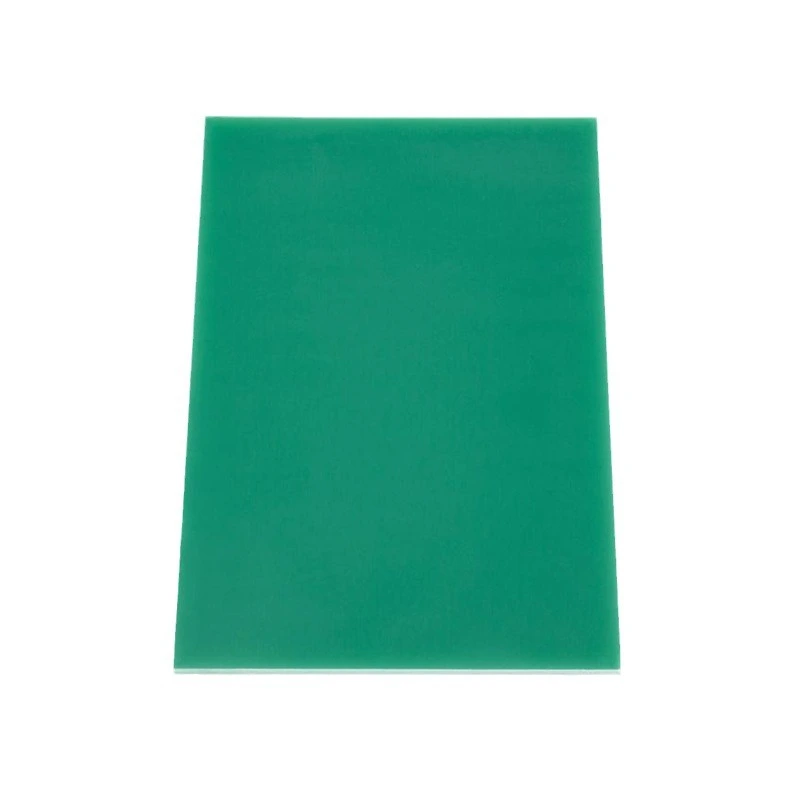
How Epoxy FR4 Outperforms Other PCB Substrate Materials
Comparative Analysis Against Alternative Substrates
The choice of substrate depends on finding a balance between performance needs and available budget. The phenolic materials CEM-1 and FR-1 are less expensive, but they don't work as well in heat or wetness. It's okay for low-stress consumer gadgets to use these economy types, but they don't work in industrial temperature ranges. Polyimide substrates can continuously withstand temperatures close to 260°C, but their high cost—often five times that of standard Epoxy FR4—restricts their use to aerospace and military applications where cost is not a major concern.
Rogers high-frequency laminates work great in microwave circuits that need precise dielectric control, but because of their unique chemistry, they need to be processed in a certain way. Epoxy FR4 gives you 90% of the performance of a more expensive material when your precise parts work at frequencies below gigahertz and are subject to mild thermal stress. Epoxy FR4 substrates are so cost-effective that they account for more than 80% of all rigid board production worldwide.
High-Tg Variants Extend Application Range
Normal temperatures and mild heat don't affect how well Standard Epoxy FR4 works. High-Tg formulas from companies like Shengyi (S1000-2 series) and Ventec (VT-47 family) raise the temperature limits by a large amount. These improved grades don't bend during lead-free solder reflow profiles that reach their highest point at 260°C. This keeps the flatness that is needed for putting together fine-pitch components.
The longer service life in challenging tasks is directly related to the higher Tg. Power conversion modules that keep making heat, ECUs for cars that are mounted close to engines, and industrial control systems in foundries can all use the extra thermal margin. Material testing shows that when heated and cooled between -40°C and 150°C, High-Tg grades change size by half compared to standard formulations. This makes solder joints and mounted components less stressed.
Mechanical Reliability Under Stress
Vibration testing shows that Epoxy FR4 has better fatigue strength than ceramic surfaces, which break when bent. The glass fiber reinforcement can handle mechanical shocks without breaking easily, which is very important for transportation uses that are constantly vibrating. Automotive electronics companies use this toughness to their advantage by putting control boards directly to engine blocks or inside transmission housings, where mechanical separation wouldn't work.
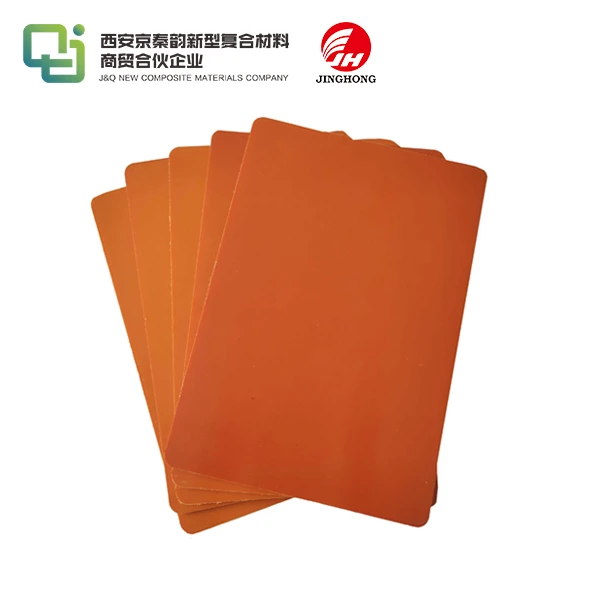
Because the material doesn't change size during CNC cutting, it's possible to make precise parts with errors of just 0.05 mm. Because the composite structure doesn't chip or delaminate, threaded inserts, precision alignment holes, and complicated shapes stay accurate. Manufacturers of high-voltage switchgear parts cut Epoxy FR4 sheets into complicated arc barrier forms. These shapes are then carefully placed to avoid phase-to-phase faults in distribution equipment.
Procurement Guidelines: Selecting and Sourcing Epoxy FR4 for Your Precision Components
Defining Your Technical Requirements
Finding the right materials for the job is the first step to successful buying. Before hiring a supplier, engineering managers should write down important parameters. Do you need lead-free reflow support for your assembly process? Set the Tg to at least 150°C. Are the parts exposed to high voltage? Set the dielectric strength requirements so that they are higher than the design voltages by at least two to one. Will parts that have been cut be mechanically loaded? Based on the stress calculations, set the minimum flexural strength.
The choice of thickness affects both the electrical and mechanical performance. Thinner laminates (0.4 to 0.8 mm) work well for small electronics that need boards with little height. For structural uses and high-voltage separation, thicker materials (1.6–3.2 mm) are needed to make sure there are enough creepage distances and mechanical stiffness. Lead times for custom thickness orders are usually two to three weeks longer than for standard sizes, which should be taken into account when making production plans.
Evaluating Supplier Capabilities
Material consistency tells you which providers are reputable and which ones aren't. Ask for proof that the laminate meets IPC-4101 standards, which are a worldwide standard for how laminates should behave. Good makers give full data sheets with test results that show the mechanical, heat, and electrical properties of their products. Specific test methods should be mentioned in the paperwork, such as ASTM D790 for flexural strength, IPC-TM-650 2.4.24 for Tg measurement, and UL recognition for flammability rating.
Strategic Sourcing Considerations
Having stable supply chains is possible by working with well-known Epoxy FR4 manufacturers. Vertically linked production helps global providers like Shengyi Technology, Panasonic Electric Works, and Isola Group keep quality high. These companies decide how to make the resin and the glass cloth, which makes sure that each batch is the same, which is important for making exact parts.
Volume purchasing deals lower the cost per unit by a large amount while ensuring that materials will be available even if there are supply problems. Negotiate yearly contracts that spell out promises to quantities in return for better pricing and first pick of supplies. Keep two sources qualified for important materials so that production can keep going even if one supplier has capacity issues.
Manufacturing and Quality Assurance of Epoxy FR4 in Precision Applications
Advanced Composite Fabrication Processes
The process of making something starts with carefully mixing epoxy polymers with flame-retardant additives and curing agents to make a precise resin formulation. Through controlled coating processes, the liquid resin system soaks into woven fiberglass cloth, making sure that the resin content is the same all over. Several layers of prepreg are stacked on top of each other with copper foil. The layers are then put into hydraulic presses that apply 300 to 400 PSI of pressure while temperature profiles cure the epoxy matrix. The final qualities depend on this lamination cycle—not enough pressure leaves gaps, and too much heat speeds up the cure beyond the ideal crosslink density.
Post-cure preparation gets rid of internal stresses. Precision blanking or routing cuts sheets to the exact size needed, and a check of the edges makes sure the cuts are clean and don't delaminate. Surface preparation depends on the application. Some parts need surfaces that are as-received, while others need chemical or mechanical treatment to make them stick better.
Rigorous Quality Control Protocols
Buyers and quality experts use IPC-4101 acceptance criteria to do multistage inspections. A visual inspection shows surface flaws like resin hunger, foreign inclusions, and scratches that go beyond the allowed depth. Using precision micrometers to measure thickness confirms that errors are usually kept to ±10% of the standard specification. Too much variation in thickness makes it hard to register when making a multi-layer PCB and affects calculations of impedance.
Measuring warp and twist is very important for automated assembly equipment. Bow and twist are measured by IPC-TM-650 Method 2.4.22. The acceptable limits depend on the size of the board and its use. For surface-mount assembly, parts need to be flat within 0.75% of their vertical length so that solder paste can stick properly and parts can be placed correctly. Temperature and humidity are controlled during testing because measures are affected by the surroundings.
Certification and Compliance Documentation
International certifications give buyers confidence by proving the quality by a third party. UL certification proves the performance in terms of flammability, and regular plant checks make sure that compliance stays high. RoHS certification proves that the product does not contain any restricted substances, such as lead, mercury, or hexavalent chromium. The ISO 9001 quality management certification shows that a process is being controlled in a planned way, and the IATF 16949 vehicle quality standards are for sellers who work with companies that make electronics for cars.
Traceability systems connect finished parts to lots of raw materials, which lets you figure out what went wrong if something goes wrong in the field. Leading makers keep digital records of all the materials they use, from batches of resin to runs of lamination to goods that are shipped. This documentation is very helpful during customer audits and helps with efforts to reduce defects through continuous improvement.
Future Trends and Innovations in Epoxy FR4 Materials
Enhanced Thermal Performance Development
Scientists working on materials are still improving High-Tg formulas to meet rising temperature needs. New multipurpose epoxy systems can stick to surfaces at temperatures above 200°C without losing their mechanical strength. These ultra-high-temperature types are made for the power systems in electric vehicles, where silicon carbide semiconductors cause very high temperatures in certain areas. The better thermal performance makes parts last longer and lets designers make smaller designs without using big heat sinks.
Improving thermal conductivity is another area of focus for development. Standard Epoxy FR4 has a thermal conductivity of about 0.3 to 0.4 W/mK, which is fine for many uses but not great for designs with a lot of power. Ceramic-filled versions with aluminum oxide or boron nitride particles double thermal conductivity, which makes it easier for power devices to get rid of heat. These thermally improved grades are a good mix between higher cost and simpler cooling systems.
Environmental Compliance Driving Formulation Changes
Material chemistry is still being changed by regulatory forces. Because of rules in the European Union that limited halogenated flame retardants, phosphorus-based flame retardants were used to make halogen-free versions of Epoxy FR4. These formulations are better for the environment because they keep their UL94V-0 ratings while getting rid of the bromine and chlorine compounds that make toxic byproducts when they burn. Adoption is speeding up in consumer goods for eco-friendly customers, but traditional halogenated grades are still the most common in the car and industrial sectors.
Lead-free solder made High-Tg widely used because lead-free reflow temperatures are 30–40°C higher than standard tin-lead profiles. This change in the industry showed how regulatory requirements lead to important new ideas. More limits on other substances in the future are likely to lead to more formulation development, which will have to balance environmental goals with the need for efficiency and cost concerns.
Competitive Landscape Evolution
Epoxy FR4's dominance in niche uses is constantly being challenged by other base technologies. Metal-core PCBs with thin dielectric layers bonded to an aluminum backing are better at managing heat for LED lighting and power modules. Flexible polyimide circuits let you make shapes that aren't possible with hard laminates. Even though these other options are more specialized, Epoxy FR4 is still cheaper and better for most precision component applications.
Innovations within the Epoxy FR4 group itself make sure that it stays useful. Better resin methods provide better CAF protection (conductive anodic filament growth), which is important for high-reliability uses. Controlled thermal expansion formulations keep mounted parts from being stressed when temperatures change. Lower dielectric loss tangent grades increase the frequency range that can be used, closing the performance gaps with premium substrates. As time goes on, these small improvements add up to keep Epoxy FR4 as the versatile workhorse of precision electronics.
Conclusion
Epoxy FR4 is still the primary material used to make accurate parts in many fields that require stable electrical insulation, mechanical strength, and thermal stability. It works consistently well in PCB substrates, high-voltage switchgear insulation, and structural mounting tasks thanks to its balanced qualities. To do successful procurement, you need to make sure that the material specifications match the needs of the application, that you buy from certified suppliers, and that you have strict quality controls in place. Epoxy FR4 continues to meet changing production needs while keeping the low cost that made it the market leader thanks to ongoing improvements in High-Tg formulas and environmentally friendly chemistries.
FAQ
What thickness should I specify for precision component applications?
Your needs will determine the thickness you choose. Electrical applications that want small designs usually use thicknesses between 0.6 and 1.6 mm, which give enough dielectric strength while keeping weight low. For high-voltage insulation walls, the materials need to be thicker (2.4–3.2 mm) so that there is enough space for the wires to move around. Adding more thickness to structural parts that carry mechanical loads makes them more rigid and increases their load capacity. Standard sizes ship faster than special widths, which take an extra two to three weeks to get.
How does Tg rating affect component performance and lifespan?
The glass transition temperature tells us how a material will react to heat stress. Standard Tg grades (130–140°C) work well for parts that are used in normal conditions. High-Tg variants (170-180°C) are needed for applications that need to keep temps high for a long time, like car underhood electronics, industrial control systems, and power conversion modules. These variants stop warping and changes in size. Higher Tg materials cost 15–25% more, but they last a lot longer in settings with high temperatures, which cuts down on guarantee claims and problems in the field.
Can I request material samples before placing production orders?
Of course. Reliable providers offer examples so that the process can be tested before committing to large amounts. By putting samples through your real CNC machining, soldering, and assembly processes, you can find compatibility problems early on. Evaluation of samples usually takes two to four weeks, which includes time for shipping, but it guards against expensive production delays caused by materials that don't work together.
Partner with J&Q for Reliable Epoxy FR4 Supplier Solutions
J&Q has been making insulating sheets for more than 20 years and has a lot of experience working with electrical, industrial, and automotive precision component manufacturers. Standard and High-Tg Epoxy FR4 grades that meet UL94V-0 and RoHS compliance standards are among the many materials we offer. The streamlined delivery from our production facilities to your manufacturing floor is made possible by the integrated logistics capabilities we've developed. This gets rid of the coordination challenges that come with multi-vendor supply chains.
Our ties with our customers are based on technical support. When engineers need to make a part, they get detailed information about the material, how to process it, and what applications should be used with it. Sample programs let you test the process before committing to full production, and flexible order numbers let you make both prototypes and large amounts. Get in touch with our purchasing experts at info@jhd-material.com to talk about the precision component materials you need and find out how our wide range of services can help your manufacturing success. You can look through our full Epoxy FR4 catalog and request technical documents at jhd-material.com.
References
1. National Electrical Manufacturers Association. (2021). NEMA Standards Publication LI 1-2021: Industrial Laminating Thermosetting Products. Rosslyn, VA: NEMA.
2. Institute for Printed Circuits. (2020). IPC-4101E: Specification for Base Materials for Rigid and Multilayer Printed Boards. Bannockburn, IL: IPC.
3. Coombs, C.F. (2018). Printed Circuits Handbook, Seventh Edition. New York: McGraw-Hill Education.
4. Harper, C.A. (2017). Electronic Materials and Processes Handbook, Fourth Edition. New York: McGraw-Hill Professional.
5. Tummala, R.R., Rymaszewski, E.J., & Klopfenstein, A.G. (2019). Microelectronics Packaging Handbook: Technology Drivers, Part III, Third Edition. Boston: Springer.
6. Prasad, R.P. (2022). Surface Mount Technology: Principles and Practice, Third Edition. New York: Chapman and Hall/CRC.