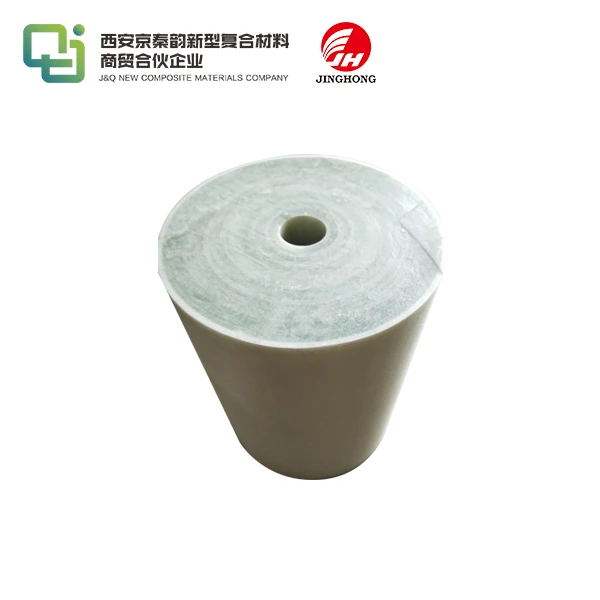
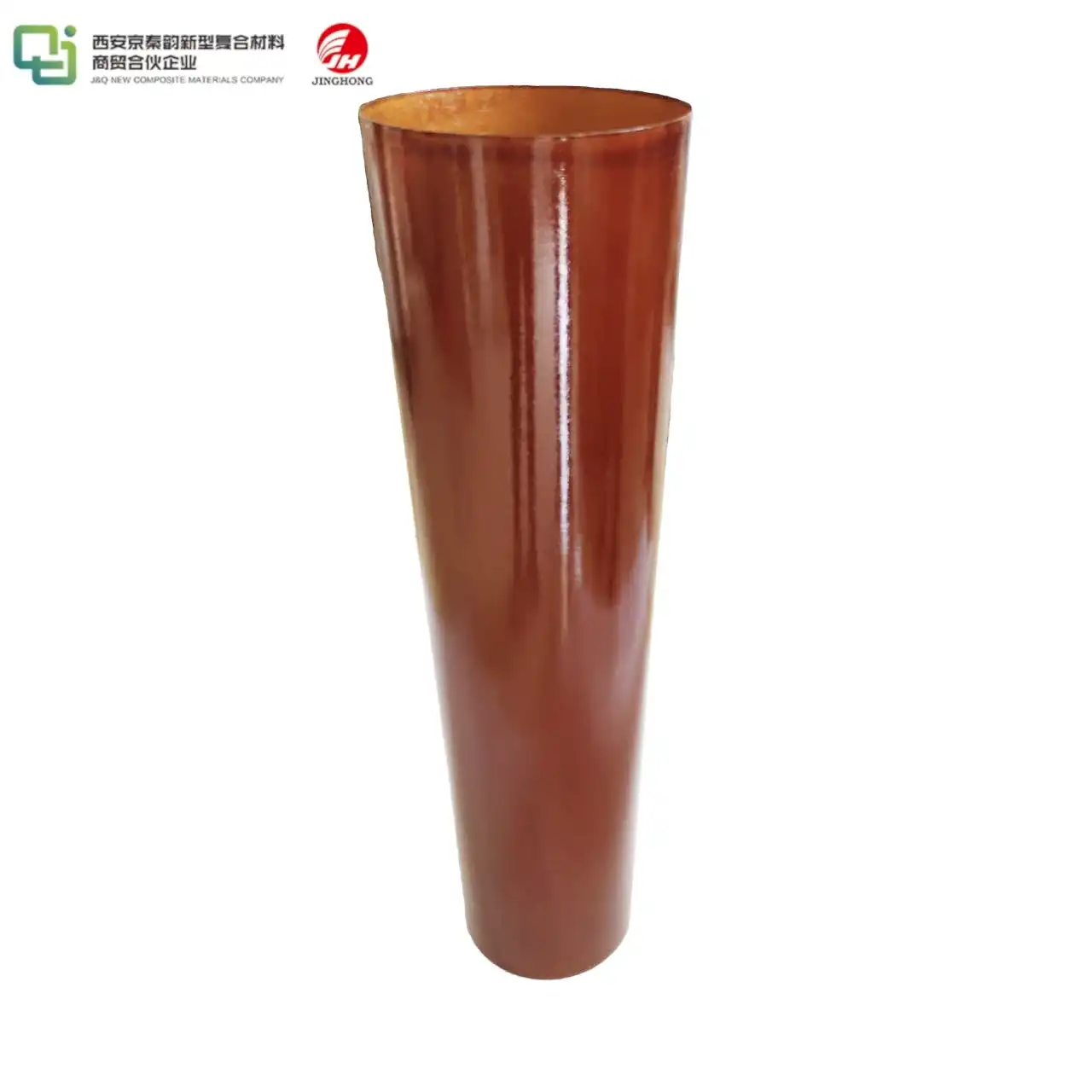
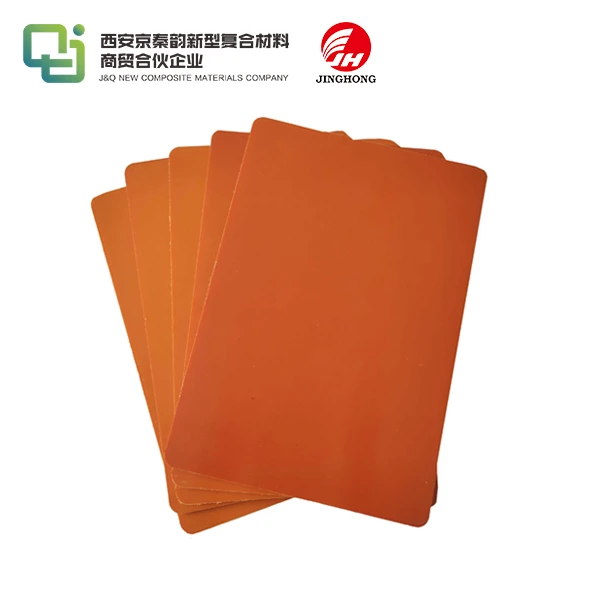
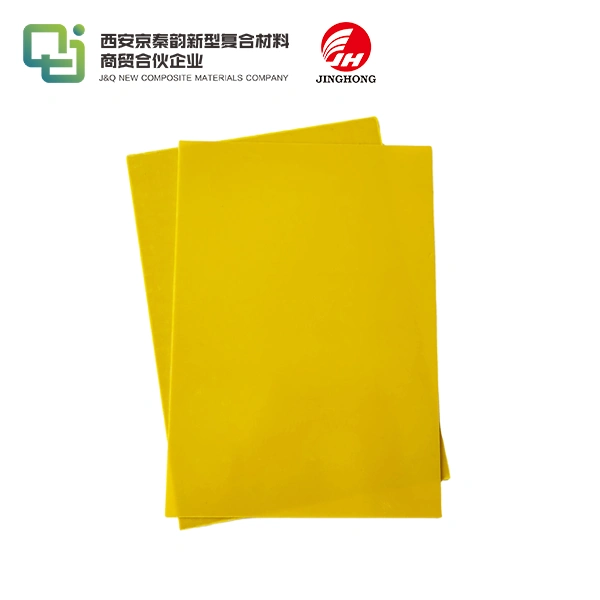
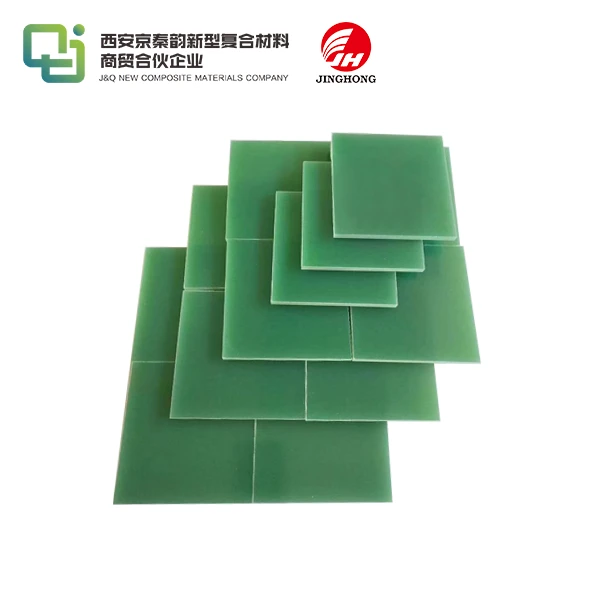
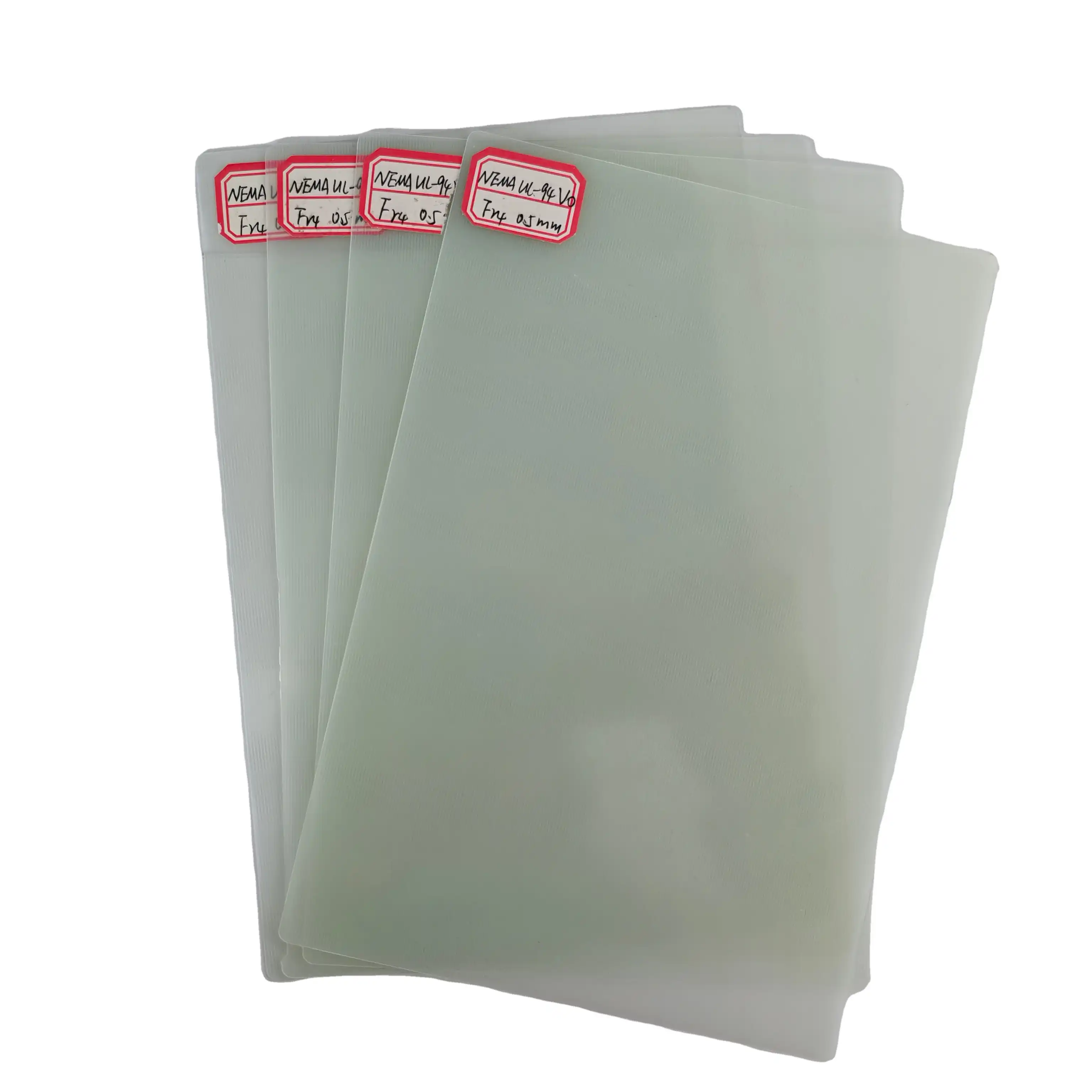
Bakelite Sheet Provides Mechanical Strength for Manufacturing Fixtures
2026-08-12 17:30:15
Manufacturing fixture stability determines production precision across electrical, machinery, and automotive sectors. Bakelite Sheet delivers exceptional mechanical strength through its phenolic resin composition, offering structural integrity under continuous mechanical stress while maintaining dimensional accuracy. This thermoset laminate combines high compressive strength with thermal stability, enabling fixtures to withstand heavy loads and temperature variations without deformation, making it the preferred choice for engineers seeking reliable, cost-effective solutions in demanding production environments.
Understanding Bakelite Sheet and Its Mechanical Strength
What Makes Bakelite Sheet Structurally Superior?
A complex industrial process bonds several layers of cellulose fiber with phenolic resin under controlled heat and pressure. This gives phenolic paper layered sheets their amazing strength. We've seen that this fixing process makes a chemical network that can't be undone. This network won't soften or melt at temperatures up to 120°C. When phenol and formaldehyde combine, they make a cross-linked polymer matrix that holds reinforcing fibers in place. This gives the Bakelite Sheet a strength-to-weight ratio that is better than many common industrial plastics.
Core Mechanical Properties That Matter
When engineering managers look at materials for use in fixtures, they look at certain performance measures that have a direct effect on the efficiency of production. Fixtures can hold up to large clamping forces without breaking or permanently changing shape because of their high compressive strength. Low rates of moisture absorption keep dimensions stable even in wet production settings. This stops warping, which can mess up precise alignment. This trait is especially useful in places like power transfer facilities and transformer factories that may not be able to control the surroundings very well.
The rigidity of the material under load makes sure that parts stay in the same place during long production runs. When thermoplastics are under long-term stress, they start to creep. But phenolic laminates keep their shape, which is important for keeping the critical tolerances needed for PCB support structures and switchgear assemblies. We've seen this dimensional stability get rid of the need for expensive recalibration processes when making car parts.
How Bakelite Resists Operational Stress
When cutting fluids, hydraulic oils, and cleaning solvents that are common in factory settings come in contact with a fastener, chemical resistance keeps it from breaking. The phenolic structure doesn't break down easily in most industrial chemicals, which means that fixtures last longer and don't need to be replaced as often. Thermal stability keeps things from softening during processes that make heat, which keeps the structure stable when metal fittings would conduct too much heat to sensitive parts.
When used in situations with a lot of touch and sliding action, manufacturing fixtures made from these laminates show great resistance to wear. The dense, hard surface can handle being worn down by loading and unloading the workpiece many times. This keeps the bearing surfaces for mechanical spacers and guide components smooth. This means that upkeep costs will go down and production tools will be up and running for longer.
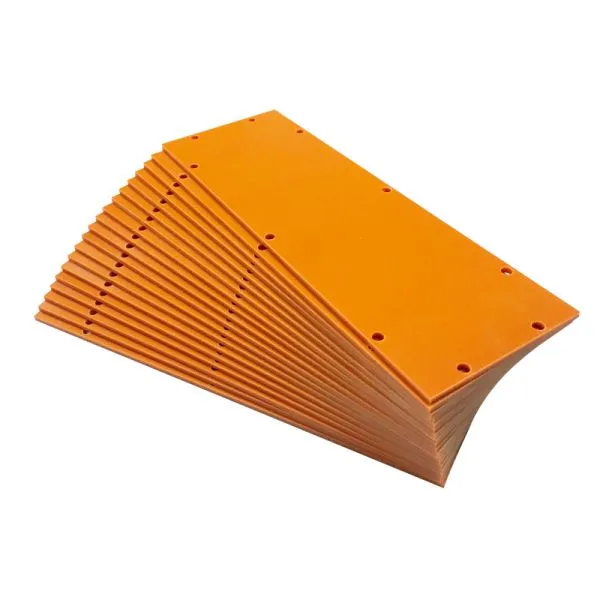
Types of Bakelite Sheets and Their Suitability for Different Manufacturing Needs
Standard Phenolic Grades for General Fixtures
Grade X phenolic sheets put mechanical strength over electrical performance, and for Bakelite Sheet, this makes them perfect for parts of structural fixtures that don't need to be insulated, and the lower resin level makes the material easier to machine, which lets CNC machines make complicated shapes with close tolerances, and for industrial machinery that needs to be precise in terms of size and strength, mechanical engineers choose this grade for gears, bearing housings, and load-bearing spacers. The lower resin level makes the material easier to machine, which lets CNC machines make complicated shapes with close tolerances. For industrial machinery that needs to be precise in terms of size and strength, mechanical engineers choose this grade for gears, bearing housings, and load-bearing spacers.
Grade XX has a good mix of properties that make it good for fixtures that need a moderate amount of electrical insulation and strength. This choice in the middle is used to make home appliances where motor mounts and thermal separation parts need to work reliably without costing a lot. With carbide tools, the material can be machined smoothly, making smooth areas that reduce friction in the assembly process.
High-Performance Variants for Specialized Applications
Grade XXX phenolic laminates are great at resisting moisture and electrical noise, which is important for fixtures that are used in damp places or close to moving parts. The higher resin content makes the matrix thicker, which stops water from getting in and keeps the dielectric strength in transformer assembly fittings and power distribution equipment. Electrical engineers choose this grade when they can't risk the trustworthiness of the insulation. In exchange for better protection, they are willing to give up a little machinability.
Canvas-based Bakelite Sheets are made with woven fabric support instead of paper, which makes them very resistant to impact for devices that are hit by shock loads or vibration. Automotive R&D teams use these types for battery pack barriers and test stands where they absorb mechanical shocks to keep sensitive parts from breaking while they are being moved and handled.
Custom Formulations for Unique Requirements
Some suppliers offer changed phenolic mixtures with certain additives to solve specific problems in certain applications. Flame-retardant mixtures meet strict fire safety standards in electrical shelters and arc barrier uses, giving people working in high-voltage areas important safety. Carbon-filled versions improve thermal conductivity for fixtures that need to control how much heat they let out, while keeping the electrical insulation properties that are necessary for making electronics.
By using these specific grades, buying teams can make sure that fixtures work as well as possible without naming too many materials. This way, they can balance technical needs with budgetary limitations. Knowing the differences between grades helps mechanical engineers and sourcing managers choose materials that are perfectly matched to the needs of the operation.
Comparative Analysis: Bakelite Sheet vs Alternative Materials for Manufacturing Fixtures
Performance Against Fiberglass Composites
Fiberglass-reinforced plastics have a higher tensile strength, but they are harder to machine, which raises the cost of making fixtures. Cutting tools need to be replaced often and with special diamond tools because the glass fibers are so rough. Phenolic laminates can be cut with standard carbide tools at higher run rates, which cuts down on the time it takes to make the laminates and the cost of the tools. Fiberglass is great in chemical environments that are corrosive, but phenolic materials are more resistant and cost less for most manufacturing uses.
When temperatures change quickly, which often happens in industrial settings, Bakelite Sheets are more stable in terms of their shape than fiberglass. Fiberglass composites have higher thermal expansion coefficients, which can make it harder to keep precision fixtures in place when temperatures change. Because they are more stable, phenolic materials are the best choice for fixtures that need to support tight-tolerance processes in precise machining and electronics assembly.
Advantages Over Standard Engineering Plastics
Acetal and nylon plastics are very resistant to wear, but they get soft at high temperatures, while phenolic materials stay strong. Fixture materials that can withstand high temperatures without deforming are needed for manufacturing processes that involve soldering, welding, or heat treating. The thermoset phenolic construction keeps fixtures in place when thermoplastic alternatives would break because it doesn't melt or flow when heated.
The electrical insulation qualities of phenolic laminates are much better than those of most industrial plastics. This makes them very important for protecting electrical equipment. When paired with flame resistance, this ability to insulate meets safety standards that regular plastics can't meet without expensive treatments or chemicals.
Comparison with Mica-Based Insulators
Microcrystalline sheets are great at keeping heat in, but they aren't strong enough to be used as structural fixtures. Because mica laminates are so fragile, they can only be used as static barrier layers and not as load-bearing parts. Phenolic materials fill in this gap because they have the right amount of electrical insulation and the compression strength to hold clamping forces and object weight.
For most manufacturing fixture uses, phenolic laminates are the most cost-effective choice. Mica-based materials are more expensive, but they are only worth it when the working temperature is higher than the phenolic limits or when the dielectric strength needs to be very high. Because they are cheaper, phenolic sheets are the best choice for people who build industrial tools and are in charge of buying for OEMs who need to balance performance with budget.
Procurement and Application Strategies for Bakelite Sheets in Manufacturing
Supplier Evaluation Criteria
When looking for trusted phenolic laminate providers, you need to look at more than just price. Certification that meets UL and RoHS standards makes sure that materials follow safety and environmental rules that are important for export markets and meeting customer needs. We suggest checking a supplier's quality control systems by looking at their ISO certifications, which show that their manufacturing processes are uniform and that they can be tracked back to the source.
Technical support skills are what set good suppliers apart from great partners. Having access to material experts who understand the needs of the product helps buying teams choose the best grades and thicknesses. Suppliers that offer CNC cutting services offer value-added solutions by sending finished device parts that don't need to be made in-house, which cuts down on project timelines.
Optimizing Order Specifications
Specifications for thickness that are too vague can lead to wasted material and inefficient machining. Knowing the thickness tolerances that different sources offer helps engineers make fixtures that don't need as much extra processing. Standard Bakelite Sheet sizes allow device parts to be nested efficiently, which lowers the amount of waste and the cost of materials per unit.
Price breaks are often unlocked by making large purchases, but procurement experts have to weigh the benefits of bulk deals against the costs of keeping inventory and the limited room for storage, and for Bakelite Sheet, setting up blanket purchase orders with scheduled releases can save you money while still letting you adapt to changes in production volume, and this method works especially well for car tier-1 suppliers who are in charge of multiple projects at the same time with different fixture needs. Setting up blanket purchase orders with scheduled releases can save you money while still letting you adapt to changes in production volume. This method works especially well for car tier-1 suppliers who are in charge of multiple projects at the same time with different fixture needs.
Quality Assurance and Delivery Management
Asking for certifications and test reports on materials with every shipment makes sure that all production batches are the same. Changing the curing conditions or the amount of glue can change the mechanical qualities, which could make the fastener less effective. Documentation needs should be spelled out during the qualification process for suppliers and then become standard in purchase agreements.
Dependability in delivery has a direct effect on production plans, especially when tools are needed to support the launch of new products or the growth of production capacity. Working with suppliers that have their own dedicated logistics networks cuts down on shipping delays and damage that happens during transport. There are some well-known suppliers that keep regional warehouses that can quickly meet urgent needs or prototype development projects.
Case Studies and Best Practices in Using Bakelite Sheets for Manufacturing Fixtures
Electronics Manufacturing Success
A big PCB assembly job switched from using aluminum fixtures to phenolic laminate ones so that there would be no problems with electrical conductivity near sensitive circuits. The resin fasteners gave the same amount of mechanical support and kept the parts from getting damaged by static electricity. The costs of machining went down because the tools needed were simpler than those needed for metal production, and the lighter weight made it easier for operators to move the fixtures around. The change increased output yields while cutting the costs of maintaining fixtures by 30% over their lifetime.
Automotive Battery Assembly Application
A company that sells parts for electric vehicles made battery pack assembly supports out of canvas-based Bakelite Sheets that can withstand being hit by automatic handling systems. The material took in vibrations that used to make metal parts lose their position. This made the assembly more precise and cut down on the amount of work that had to be redone. Chemical resistance to battery solutions got rid of corrosion problems that plagued older light designs. This meant that they could be replaced every year instead of every three months.
Maintenance Practices for Extended Service Life
Regular checking routines keep production quality high and make sure fixtures last as long as possible. Visual inspection shows surface wear, edge chipping, or darkening, which are all signs of heat decline that can be seen before the accuracy of the measurements is lost. Setting replacement criteria based on measured wear limits stops fixtures from breaking down during production runs without warning.
Keeping unfinished sheets and finished pieces in the right way keeps them from breaking down in the environment. Controlling the humidity stops moisture absorption, which can change the stability of dimensions. When sheets are stored flat and supported properly, they don't twist, which makes cutting more difficult. These simple steps protect the features of the material and make sure that the device works the same way throughout its service life.
Conclusion
Phenolic laminates have the mechanical strength, heat stability, and exact measurements that are needed for manufacturing tools to work well in a wide range of industrial settings. The material meets performance needs that other materials can't meet at comparable costs because it has a unique mix of structural integrity, electrical insulation, and chemical resistance. When engineering managers and buying workers know about different grades, the best ways to buy them, and the best ways to use them, they can make fixture designs that work better and cost less. Bakelite Sheets have been used successfully in gadgets, cars, and power plants, showing that they can be used in harsh production settings that need long-term dependability.
FAQ
What temperature range can phenolic fixtures withstand?
Standard phenolic laminates can be used constantly at temperatures up to 120°C without losing their shape or mechanical qualities. Most grades can handle being exposed to 150°C for a short time. If you go over these limits, the resin breaks down, the surface turns color, and the structure becomes less stable. For uses that need higher temperatures, you need ceramic or a special high-temperature composite.
Can phenolic sheets be customized to specific dimensions?
Most suppliers offer custom cutting services so that sheets can be sent in sizes that are best for the job. This cuts down on waste and fabrication time. You can choose from thicknesses ranging from 0.5mm to 100mm, and CNC cutting can make complicated shapes like holes, slots, and curved surfaces. Custom orders may need minimum amounts, which depend on what the seller can do and how much material is available.
How does electrical insulation compare to other materials?
Phenolic laminates have a dielectric strength that is much higher than that of normal engineering plastics and is good for most industrial electrical uses. Even though they aren't as good as ceramic insulators in very high-voltage situations, they provide good protection for PCB support, switchgear components, and motor systems at a much lower cost. Different types of Grade XXX insulation provide better protection for electrical uses that need it.
Partner with J&Q for Reliable Bakelite Sheet Solutions
You can trust J&Q as your Bakelite Sheet maker. They have been in business for over twenty years and have experience with both domestic and foreign trade. Our technical team works directly with engineering managers and sourcing specialists to find the best grades and sizes of materials for your needs. With well-established quality control systems that make sure UL and RoHS compliance, we make sure that all of our production batches of materials work the same way. Our integrated logistics network makes it easier to deliver to factories all over North America. We also have helpful customer service that answers technical questions and meets project needs. Bulk buying programs let you get competitive prices on making a lot of fixtures while still giving you the freedom you need to make prototypes. Email our application engineers at info@jhd-material.com to talk about your fixture needs and find out how our wide range of services can help your manufacturing business succeed. You can look at our full selection of phenolic laminates and technical tools for industrial procurement workers at jhd-material.com.
References
1. Richardson, T.A. (2020). Thermoset Composites in Industrial Applications: Material Selection and Performance Criteria. Society of Plastics Engineers Technical Papers.
2. Chen, W. & Martinez, R. (2019). "Mechanical Properties of Phenolic Laminates Under Variable Temperature Conditions." Journal of Composite Materials, 53(12), 1687-1702.
3. Industrial Materials Handbook Editorial Board. (2021). Engineering Plastics and Thermoset Materials: Selection Guide for Manufacturing Applications. ASM International Press.
4. Patterson, K.L. (2018). "Fixture Design Optimization Using Advanced Laminate Materials in Electronics Manufacturing." IEEE Transactions on Components, Packaging and Manufacturing Technology, 8(9), 1543-1551.
5. Global Phenolic Resin Industry Report. (2022). Market Analysis and Application Trends in Electrical Insulation Materials. Smithers Rapra Technology Publishing.
6. Williams, D.H. & Zhang, L. (2021). Practical Guide to Thermoset Materials: Processing, Machining, and Industrial Applications. Hanser Publications.